
Your car’s leather seats can make every drive feel luxurious. But over time, dirt, spills, and wear can dull their shine and damage the material.
You want your seats to look fresh and last longer, right? Cleaning leather seats the right way isn’t as hard as you think. You’ll discover simple, effective steps to restore the beauty of your leather seats. Keep reading, and you’ll learn how to protect your investment while keeping your car’s interior looking like new.
Credit: www.leatherhoney.com
Choosing The Right Cleaner
Cleaning car leather seats needs care and the right products. Using the proper cleaner keeps the leather soft and lasting longer.
Different cleaners work best for different types of leather. It is important to pick one that protects your seats well.
Types Of Leather Cleaners
Leather cleaners come in many forms. Some are made for quick cleaning, while others nourish the leather deeply.
- Foam cleaners: Light and easy to use on smooth leather.
- Wipes: Convenient for small spots and quick cleanups.
- Liquid cleaners: Good for deep cleaning and removing stains.
- Conditioners: These keep leather soft after cleaning.
Homemade Solutions
You can clean leather with simple home ingredients. These are gentle and often safe for most leather types.
| Ingredient | Use |
| White vinegar and water | Mix 1 part vinegar with 2 parts water to clean dirt |
| Olive oil | Apply a small amount to soften leather after cleaning |
| Baking soda | Sprinkle to absorb odors, then wipe off |
Avoiding Harsh Chemicals
Harsh chemicals can dry out or damage leather. Avoid cleaners with strong acids or bleach.
Here are chemicals to avoid:
- Ammonia
- Bleach
- Alcohol-based cleaners
- Strong detergents
Always test any cleaner on a hidden spot before full use.
Preparing The Seats
Cleaning leather car seats starts with good preparation. This helps protect the leather and makes cleaning easier.
Before using any cleaner, prepare the seats carefully. This section explains how to do it step by step.
Removing Loose Dirt
Remove dust and dirt from the seats before cleaning. This stops dirt from scratching the leather during cleaning.
- Use a soft brush or vacuum cleaner with a brush attachment.
- Gently clean all seat surfaces, including seams and crevices.
- Do not press too hard to avoid damaging the leather.
Testing The Cleaner
Test the cleaning product on a small, hidden seat area. This helps check for color change or damage.
| Test Area | Cleaner Reaction | Action |
| Hidden corner | No change | Safe to use |
| Hidden corner | Discoloration | Do not use cleaner |
| Hidden corner | Leather feels dry | Use conditioner after cleaning |
Protecting Surrounding Areas
Cover nearby parts of the car to avoid damage from the cleaner or water.
- Use painter’s tape to cover plastic trims and buttons.
- Place old towels or cloths on the floor and around the seats.
- Avoid spraying cleaner directly onto the leather; use a cloth instead.
Cleaning Techniques
Cleaning car leather seats keeps them soft and looking good. Regular care stops dirt from building up.
Use gentle tools and cleaners to protect the leather. This helps keep it strong and lasts longer.
Using Soft Brushes And Cloths
Soft brushes remove dust and dirt without scratching leather. Use them with a gentle cleaner for best results.
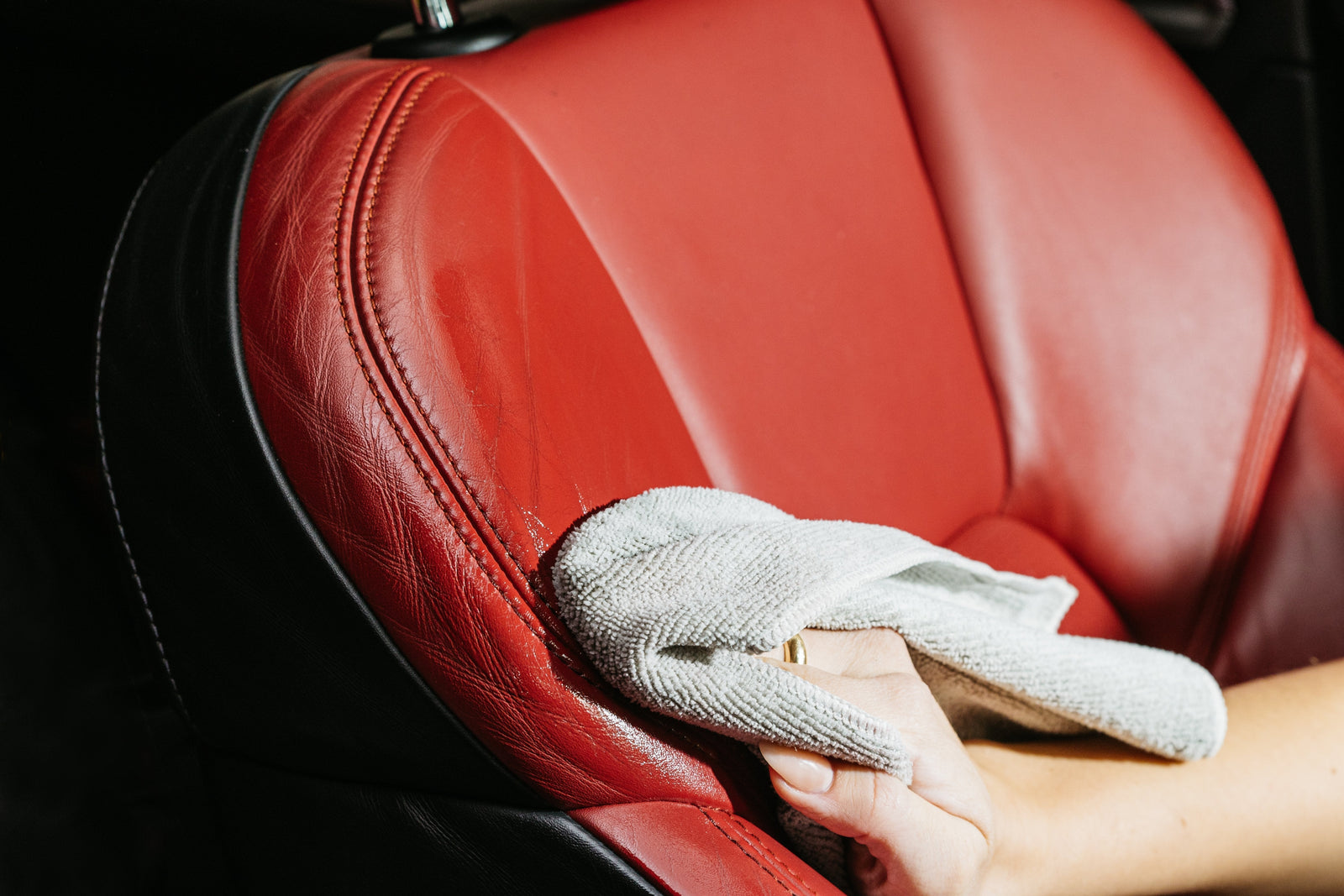
Microfiber cloths work well to wipe seats clean. They absorb dirt and moisture without damaging the surface.
- Choose a soft-bristled brush for cleaning
- Use a damp microfiber cloth to wipe the seats
- Clean in small sections for even care
Spot Cleaning Stains
Act quickly to clean stains on leather seats. Blot the stain gently with a clean cloth to lift it.
Use a mild soap solution or a leather cleaner on the stain. Avoid harsh chemicals that can damage leather.
- Blot stains, do not rub them
- Apply a small amount of cleaner to a cloth
- Work from the outside toward the center
Dealing With Tough Grime
For tough grime, use a cleaner made for leather. Test it on a hidden spot first to check for damage.
Gently scrub the grime with a soft brush or cloth. Avoid soaking the leather to prevent damage.
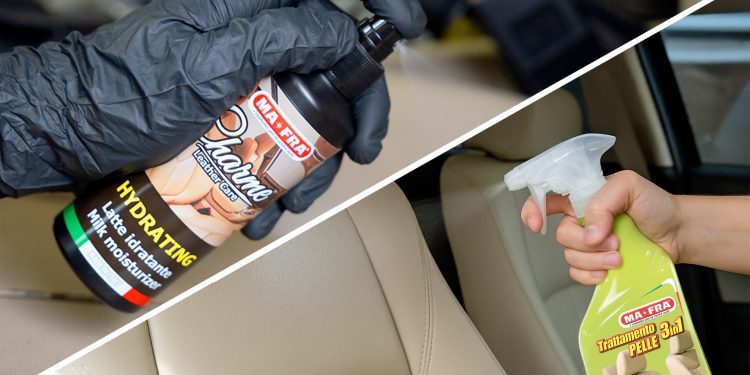
- Choose a leather-safe cleaner for heavy dirt
- Apply cleaner lightly and scrub softly
- Wipe off residue with a clean damp cloth
- Allow seats to air dry naturally
Credit: mafra.it
Conditioning Leather
Conditioning leather keeps car seats soft and prevents cracking. It restores moisture lost from sunlight and use.
Proper conditioning protects leather and extends the life of your car interior.
Choosing A Conditioner
Select a conditioner made for automotive leather. Some products contain wax, oils, or silicone to nourish the leather.
- Look for pH-balanced formulas to avoid damage
- Avoid products with harsh chemicals or petroleum
- Pick conditioners that add UV protection
- Choose easy-to-apply creams or lotions
Application Tips
Apply conditioner on clean seats using a soft cloth or sponge. Use light, circular motions to cover all areas evenly.
| Step | Details |
| 1 | Vacuum and wipe seats clean before applying |
| 2 | Put a small amount of conditioner on cloth |
| 3 | Rub conditioner gently into leather surface |
| 4 | Allow conditioner to absorb for 10-15 minutes |
| 5 | Buff off excess with a dry cloth |
Frequency Of Conditioning
Condition car leather regularly to keep it soft and strong. Frequency depends on climate and usage.
- In hot or dry areas, condition every 1-2 months
- In mild climates, condition every 3-4 months
- If seats look dry or start cracking, condition immediately
- Do not over-condition, which can cause buildup
Maintaining Leather Seats
Leather seats add style and comfort to your car. Keeping them clean helps them last longer.
Regular care protects leather from dirt, stains, and cracks. It also keeps the seats soft.
Regular Cleaning Schedule
Clean leather seats every two weeks to remove dust and dirt. Use a soft cloth and mild cleaner.
Monthly deep cleaning with leather conditioner keeps the material soft and prevents cracking.
- Vacuum seats to remove loose dirt
- Wipe with damp microfiber cloth
- Use leather cleaner for stains
- Apply leather conditioner after cleaning
Avoiding Damage
Protect leather seats from direct sunlight to stop fading and drying. Use sunshades when parked.
Avoid sharp objects and harsh chemicals. These can scratch or stain the leather permanently.
- Do not use bleach or ammonia cleaners
- Keep pets off the seats or use covers
- Clean spills immediately to prevent stains
- Do not leave heavy items on the seats
Quick Touch-up Tips
For small stains, gently blot with a clean cloth. Avoid rubbing which can spread the stain.
Use a damp cloth with mild soap for light dirt. Dry the area with a soft towel right after.
- Keep leather wipes handy for fast cleaning
- Test any cleaner on a hidden spot first
- Use a soft brush for stubborn dirt
- Apply conditioner regularly for quick refresh
Common Mistakes To Avoid
Keeping your car’s leather seats clean enhances the look and value of your vehicle. It is important to know how to clean them properly to avoid damage.
Here are some common mistakes people make and how to avoid them.
Using Excess Water
Using too much water can soak into the leather. This can cause mold and damage over time.
- Use a damp cloth, not a wet one.
- Dry the seats with a clean towel immediately after cleaning.
- Avoid pouring water directly onto the leather.
Skipping Conditioner
Leather needs moisture to stay soft. Skipping conditioner can lead to cracks and dryness.
Condition your leather seats every 3-6 months.
Choose a conditioner that matches your leather type.
Ignoring Manufacturer Guidelines
Each car manufacturer may have specific cleaning recommendations. Ignoring these can void warranties or cause damage.
| Car Brand | Recommended Cleaner |
| Brand A | Leather Cleaner A |
| Brand B | Leather Cleaner B |
| Brand C | Leather Cleaner C |
Always read your car’s manual before choosing a cleaning product.
Credit: www.drivebydetail.net
Frequently Asked Questions
How Often Should I Clean Car Leather Seats?
Clean your car leather seats every 3 to 6 months. Regular cleaning prevents dirt buildup and maintains leather softness. Frequent care extends seat lifespan and keeps your car interior looking fresh and new.
What Is The Best Cleaner For Car Leather Seats?
Use a pH-balanced leather cleaner specifically designed for automotive leather. Avoid harsh chemicals like bleach or ammonia. Gentle cleaners protect the leather’s finish and prevent cracking or discoloration over time.
Can I Use Household Products To Clean Leather Seats?
Avoid household cleaners as they may damage leather. Products like vinegar or soap can dry out or discolor the seats. Stick to leather-specific cleaners for safe and effective results.
How Do I Remove Stains From Car Leather Seats?
Blot stains immediately with a clean cloth. Use a leather cleaner and soft brush for stubborn spots. Avoid scrubbing harshly to prevent damaging the leather surface.
Conclusion
Cleaning car leather seats keeps them soft and looking new. Use gentle cleaners and soft cloths for best results. Regular care prevents cracks and stains. Avoid harsh chemicals that can damage the leather. Quick cleaning after spills helps maintain seat quality.
A little effort goes a long way in preserving your car’s interior. Take time to clean often, and your seats will stay fresh and comfortable. Easy steps lead to long-lasting leather beauty. Your car deserves this simple care.







