
Is your car having trouble starting, or do you see a white, crusty buildup around your battery terminals? That’s battery corrosion, and it can stop your car from running smoothly.
But don’t worry—you don’t need to be a mechanic to fix it. In this guide, you’ll learn simple, safe steps to clean your car battery corrosion quickly and effectively. By the end, your car will be ready to hit the road with a strong, reliable start every time.
Keep reading to discover how easy it is to protect your battery and keep your car running like new.
Signs Of Battery Corrosion
Car battery corrosion can cause many issues. It is important to spot signs early. This helps keep your car running well.
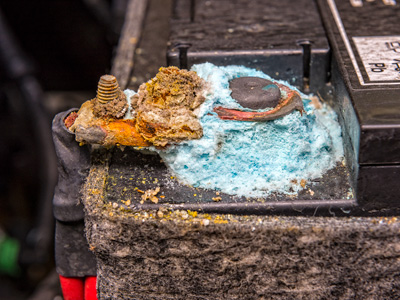
Corrosion looks like a white or blue powder near the battery terminals. It can affect the battery’s performance over time.
Common Symptoms
You may notice some common symptoms if your battery has corrosion. These signs show the battery is not working properly.
- White, blue, or green powder around battery terminals
- Swollen or bloated battery case
- Difficulty starting the car
- Dim headlights or electrical issues
- Battery warning light on the dashboard
Effects On Car Performance
Battery corrosion can reduce the flow of electricity. This lowers the car’s performance in many ways.
| Problem | Effect on Car |
| Corroded terminals | Hard to start engine |
| Weak battery power | Dim lights and slow electrical systems |
| Battery drain | Shorter battery life |
| Increased resistance | Poor engine performance |
Credit: www.batteriesplus.com
Tools And Materials Needed
Cleaning car battery corrosion is important for good car maintenance. You need the right tools and materials to do the job safely and well.
This guide lists the safety gear and cleaning supplies you will need. Use them to protect yourself and clean the battery properly.
Safety Gear
Wear safety gear to protect your skin and eyes from harmful chemicals and corrosion.
- Protective gloves made of rubber or latex
- Safety goggles to shield your eyes
- Long-sleeve shirt and pants to cover skin
- Face mask to avoid inhaling fumes
- Closed-toe shoes for foot protection
Cleaning Supplies
Use these cleaning supplies to remove corrosion and clean the battery terminals.
| Item | Purpose |
|---|---|
| Baking soda | Neutralizes battery acid corrosion |
| Water | Used to mix with baking soda and rinse battery |
| Old toothbrush or wire brush | Scrubs corrosion off battery terminals |
| Clean cloth or rag | Wipes and dries battery parts |
| Wrench or pliers | Loosens battery terminal clamps |
| Petroleum jelly | Protects terminals after cleaning |
Preparing For Cleaning
Cleaning car battery corrosion is important for vehicle health. Preparing correctly makes the task safer and easier.
Start by understanding the steps to get ready before touching the battery.
Turning Off The Engine
Always turn off your car engine before cleaning the battery. This stops electrical currents and reduces risks.
- Find a safe place to park the car
- Switch off the ignition completely
- Remove the key from the ignition
- Ensure all electrical accessories are off
Disconnecting The Battery Safely
Disconnecting the battery prevents electric shocks and damage during cleaning. Follow these safety tips.
| Action | Instructions |
|---|---|
| Wear Safety Gear | Put on gloves and goggles to protect yourself. |
| Remove Negative Terminal | Use a wrench to loosen the clamp on the negative (-) terminal first. |
| Remove Positive Terminal | Next, loosen the clamp on the positive (+) terminal. |
| Avoid Metal Contact | Keep tools away from metal parts to avoid sparks. |
Removing Corrosion
Car battery corrosion can cause poor connection and starting issues. Removing corrosion keeps your battery healthy.
This guide shows safe ways to clean corrosion from your car battery terminals.
Using Baking Soda Solution
Baking soda neutralizes battery acid and helps break down corrosion. Use it with water to make a cleaning solution.
- Mix one tablespoon of baking soda with one cup of water.
- Dip a brush or cloth into the solution.
- Apply the solution to the corroded battery terminals.
- Let it sit for a few minutes to loosen corrosion.
- Wipe away the residue with a clean cloth.
Scrubbing Techniques
Scrubbing removes corrosion physically. Use the right tools and gentle pressure to avoid damage.
| Tool | Purpose |
| Old toothbrush | Scrub small areas and tight spots |
| Wire brush | Remove heavy corrosion on terminals |
| Soft cloth | Clean off loosened corrosion and solution |
| Gloves | Protect your hands from acid and dirt |
Preventing Future Corrosion
Keeping your car battery free from corrosion helps it last longer. Preventing corrosion saves time and money on repairs.
Use simple steps to protect your battery and avoid buildup of harmful deposits.
Applying Protective Coatings
Applying a protective coating on battery terminals stops corrosion from forming. It blocks moisture and acid from reaching the metal parts.
- Clean battery terminals before applying the coating
- Use petroleum jelly or a specialized battery protector spray
- Cover all metal surfaces on terminals and clamps
- Reapply coating every few months or after cleaning
Regular Maintenance Tips
Regular checks help catch corrosion early. Keeping the battery and its connections clean improves performance.
| Maintenance Task | Frequency |
|---|---|
| Inspect terminals for corrosion | Monthly |
| Clean terminals and cable ends | Every 3 months |
| Check battery fluid levels | Every 6 months |
| Tighten loose connections | As needed |

Credit: www.lokithorshop.com
When To Replace The Battery
Car batteries can suffer from corrosion. This affects their performance. Sometimes, you need to replace the battery.
Learn when it’s time to get a new battery. This can save you from unexpected breakdowns.
Signs Of Irreparable Damage
Some signs show that a battery is beyond repair. These signs mean you need a new battery.
Watch for these signals. They help you know if your battery is done for.
- Cracks in the battery case
- Bulging or swelling of the battery
- Leaking acid or fluid
- Consistent failure to start the car
Choosing A New Battery
Picking a new battery is important. It ensures your car runs well.
Consider these factors when buying a new battery. This helps you make a good choice.
- Check the size and fit for your car
- Look for the right cold cranking amps (CCA)
- Consider the warranty offered
- Choose a trusted brand

Credit: burtbrothers.com
Frequently Asked Questions
What Causes Car Battery Corrosion?
Car battery corrosion is caused by leaking acid and chemical reactions at the terminals. Heat, age, and overcharging can worsen it. Corrosion appears as a white or bluish powder around battery terminals, affecting electrical connections and car performance.
How Do I Safely Clean Battery Corrosion?
Wear gloves and eye protection before cleaning. Disconnect the battery cables, starting with the negative terminal. Use a baking soda and water mixture to neutralize corrosion. Scrub gently with a toothbrush, rinse with water, and dry the terminals before reconnecting cables.
How Often Should I Clean Car Battery Corrosion?
Check your battery terminals every three to six months. Clean corrosion whenever you see buildup to maintain good electrical contact. Regular cleaning extends battery life and ensures reliable vehicle starting.
Can Baking Soda Remove Battery Corrosion Effectively?
Yes, baking soda neutralizes battery acid and dissolves corrosion. Mix one tablespoon of baking soda with one cup of water, apply, scrub gently, and rinse. It’s a safe, cost-effective method to clean battery terminals.
Conclusion
Cleaning car battery corrosion keeps your vehicle running smoothly. Regular checks stop damage and save money. Use safe tools and follow steps carefully. Clean terminals improve battery life and car start-ups. Small effort means big benefits for your car. Stay safe and clean your battery often.
Your car will thank you with better performance. Simple care keeps corrosion away and power strong.







