
Have you ever noticed a white or blue crusty buildup around your car battery terminals? That’s battery corrosion, and it can cause serious problems for your vehicle.
If you want to avoid unexpected breakdowns and keep your car running smoothly, it’s important to know how to clean this corrosion safely and effectively. You’ll discover simple steps you can follow right now to protect your battery and extend its life.
Keep reading—you’ll be surprised how easy it is to tackle this common issue yourself!
Signs Of Battery Corrosion
Battery corrosion can cause trouble with your car’s starting and charging system. It happens when acid from the battery reacts with metal parts. Knowing the signs helps you fix it early.
Look for physical and performance changes to catch corrosion before it worsens. These signs tell you when it is time to clean your battery.
Visual Indicators
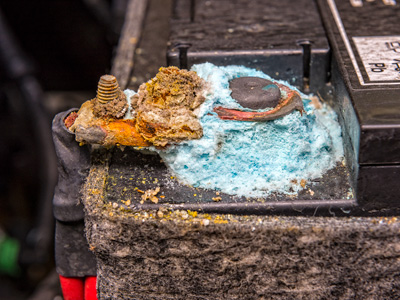
Corrosion often shows up as a white, blue, or green powder near the battery terminals. It can look crusty or flaky. This buildup blocks the battery from working well.
- White or blue powder on battery posts
- Green or rust-colored deposits around terminals
- Flaky or crusty layers on battery cables
- Swollen or bulging battery case
Performance Issues
Corrosion can stop your battery from giving enough power. Your car may start slowly or not at all. Electrical parts might fail or work weakly.
- Slow engine start or clicking noise
- Dim headlights or dashboard lights
- Electrical accessories working poorly
- Battery warning light on the dashboard

Credit: www.familyhandyman.com
Safety Precautions
Cleaning battery corrosion on a car requires care and caution. The chemicals can harm your skin and eyes. Taking safety steps helps prevent injuries and accidents.
Prepare yourself and the work area before you start. This guide covers key safety tips to follow for a safe cleaning process.
Protective Gear
Wear the right protective gear to keep yourself safe from acid and corrosion. This gear creates a barrier between you and harmful materials.
- Use safety goggles to protect your eyes from splashes.
- Wear rubber gloves to shield your hands from acid.
- Put on a long-sleeve shirt to cover your arms.
- Use a mask to avoid inhaling fumes.
- Wear closed-toe shoes to protect your feet.
Work Area Preparation
Set up your work area to reduce risks and keep things clean. A good workspace helps you work safely and efficiently.
| Preparation Step | Description |
| Ventilation | Work outdoors or in a well-ventilated space to avoid fumes. |
| Remove Flammable Items | Clear away any flammable materials near the battery. |
| Use Protective Cover | Place a plastic sheet or newspapers to catch drips and debris. |
| Keep Water Nearby | Have water ready for rinsing skin or the battery in case of spills. |
Tools And Materials Needed
Cleaning battery corrosion from your car is important for good battery health. You need the right tools and materials to do it safely and well.
This guide covers the essential cleaning supplies and battery maintenance tools you will need.
Cleaning Supplies
Cleaning supplies help remove corrosion and dirt from the battery terminals. Use safe and effective materials for the job.
- Baking soda – neutralizes battery acid
- Water – used with baking soda to clean terminals
- Old toothbrush or small brush – scrubs corrosion
- Clean cloths or rags – to wipe and dry parts
- Gloves – protect your hands from acid
- Safety glasses – protect your eyes from splashes
Battery Maintenance Tools
Battery tools help you safely disconnect and inspect the battery. They also make cleaning easier and more effective.
- Wrench or socket set – to loosen battery terminals
- Wire brush – cleans corrosion from terminal clamps
- Battery terminal protector spray – prevents future corrosion
- Multimeter (optional) – checks battery voltage
- Plastic scraper – removes thick corrosion without damage
Step-by-step Cleaning Process
Cleaning battery corrosion on your car helps maintain its performance. Corrosion can cause poor connections and starting problems.
Follow these clear steps to safely clean the battery and protect your vehicle.
Disconnecting The Battery
First, turn off the car and remove the keys. This stops any electrical flow and keeps you safe.
Use a wrench to loosen the negative terminal clamp. Remove the negative cable, then do the same for the positive cable.
- Wear gloves and safety glasses
- Always remove the negative terminal first
- Keep cables away from the battery terminals
Removing Corrosion
Look for white, green, or blue powder on the battery terminals. This powder is corrosion and needs removing.
Use a wire brush or an old toothbrush to scrub the corrosion gently. Be careful not to damage the terminals.
- Brush all sides of each terminal
- Clean the cable clamps too
- Dispose of loose corrosion safely
Neutralizing Acid Residue
Corrosion comes from acid that can harm your skin and car parts. Neutralize it with a safe solution.
Mix one tablespoon of baking soda with one cup of water. Apply this mixture to the terminals using a sponge or cloth.
- Wear gloves to protect your hands
- Let the mixture fizz and work for a few minutes
- Scrub lightly again if needed
Rinsing And Drying
After neutralizing, rinse the battery terminals with clean water. This removes leftover baking soda and acid.
Dry the battery and terminals using a clean cloth or let air dry before reconnecting the cables.
- Do not soak the battery in water
- Make sure terminals are completely dry
- Reconnect the positive cable first, then the negative
Preventing Future Corrosion
Battery corrosion can damage your car’s electrical system. Taking steps to prevent corrosion keeps your battery healthy.
Simple care and regular checks help stop corrosion from building up again. This saves time and money on repairs.
Applying Protective Coatings
Protective coatings create a barrier that stops corrosion. Apply these coatings after cleaning the battery terminals.
Common protective coatings include petroleum jelly and commercial anti-corrosion sprays. These products reduce moisture and acid contact.
- Clean terminals completely before application
- Use a small amount to cover all metal surfaces
- Reapply coatings after battery maintenance
- Wear gloves to protect your skin
Regular Inspection Tips
Check your battery often to catch corrosion early. Look for white, green, or blue powder near the terminals.
Inspect the battery at least once a month. Tighten loose connections and clean minor corrosion before it worsens.
- Wear safety glasses and gloves during inspection
- Use a wire brush to clean terminals gently
- Check the battery case for cracks or leaks
- Replace the battery if corrosion returns quickly
Credit: www.batteriesplus.com
When To Seek Professional Help
Cleaning battery corrosion on your car can be a simple task. Yet, some situations require a professional’s expertise. Knowing when to seek help ensures safety and protects your car.
There are signs that indicate professional intervention is necessary. Paying attention to these signs can prevent further damage.
Severe Corrosion
If the corrosion is extensive, it might affect the battery’s performance. Professionals have the right tools to clean it safely.
- Thick layers of corrosion
- Corrosion spreading to other parts
- Battery leakage
Damaged Battery Components
Corrosion can damage battery components. If terminals or cables are broken, a professional should handle the repairs.
Recurring Corrosion Issues
If corrosion keeps coming back, there could be a deeper issue. Professionals can diagnose and fix the root cause.
Frequent battery checks by a professional can prevent long-term issues.
Battery Not Holding Charge
A battery that doesn’t hold a charge might have internal problems. A professional can test the battery and recommend solutions.
| Issue | Possible Cause |
| Quick draining | Internal short |
| No start | Dead cell |
| Swollen battery | Overcharging |

Credit: www.reddit.com
Frequently Asked Questions
How Do I Safely Remove Battery Corrosion?
Wear gloves and safety glasses before cleaning. Use a mixture of baking soda and water to neutralize corrosion. Apply gently with a brush, then wipe clean with a damp cloth. Always disconnect the battery terminals before cleaning to avoid electrical hazards.
What Causes Car Battery Corrosion?
Battery corrosion happens when acid leaks from the battery terminals. It reacts with metal, creating a white or bluish powder. High humidity and heat accelerate this process. Regular maintenance can help prevent corrosion build-up and prolong battery life.
Can Battery Corrosion Damage My Car?
Yes, corrosion can cause poor electrical connections. This leads to starting problems and electrical failures. Over time, it can damage battery terminals and cables. Cleaning corrosion promptly helps maintain your car’s electrical system health.
How Often Should I Check For Battery Corrosion?
Check your battery for corrosion every three to six months. Inspect terminals and cables during routine car maintenance. Early detection helps prevent serious battery and electrical system issues. Regular checks keep your car running smoothly.
Conclusion
Cleaning battery corrosion on your car is simple and important. Regular checks keep your battery healthy and working well. Use basic tools and safe steps to remove corrosion. This prevents damage and improves your car’s start-up. Taking care of your battery saves time and money.
Stay safe by wearing gloves and eye protection. Clean battery terminals help your car run smoothly every day. Keep this routine to avoid future problems and enjoy a reliable drive.







