
When winter hits and the roads get icy, your safety depends a lot on how well your tires grip the surface. Snow chains can make a huge difference, but choosing the right ones isn’t always easy.
You might wonder which type fits your tires, how to install them, or if they’ll really help you stay in control. This guide will take you step-by-step through everything you need to know to pick the perfect snow chains for your tires.
Keep reading to make sure you’re ready for whatever winter throws your way.
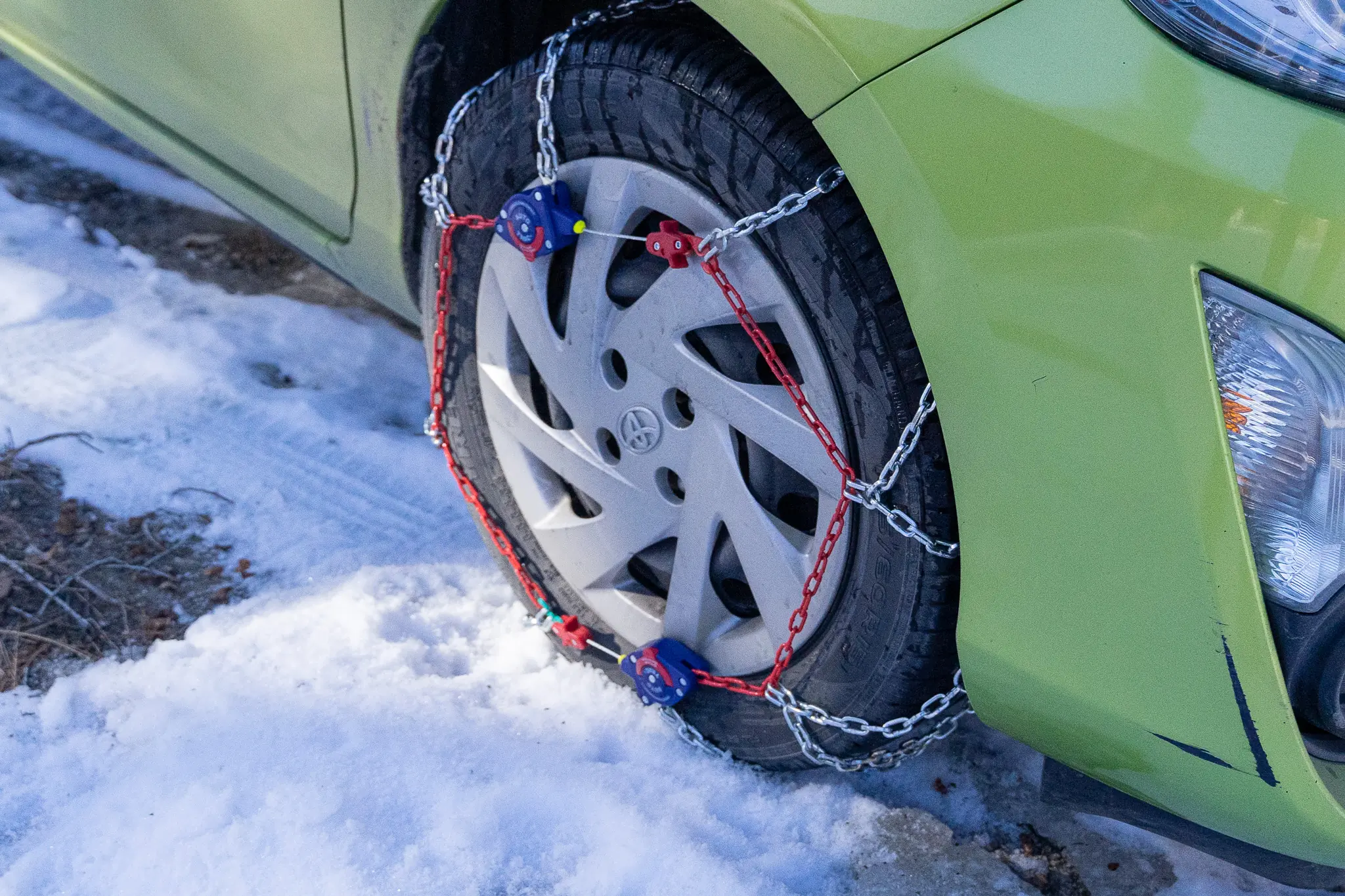
Credit: gearjunkie.com
Types Of Snow Chains
Snow chains help tires grip icy and snowy roads. Different types suit different driving needs and vehicles.
Choosing the right type of snow chain makes driving safer and easier in winter conditions.
Cable Chains
Cable chains use steel cables instead of traditional links. They are lightweight and easy to install.
These chains work best for smaller tires and light vehicles. They offer a smooth ride and good traction on ice.
Link Chains
Link chains are made of metal links that wrap around the tire. They provide strong traction on deep snow.
- Durable and long-lasting
- Can handle heavy vehicles
- May cause a rougher ride
- Require more effort to install
Ladder Chains
Ladder chains have cross chains that look like ladder rungs. They cover the tire tread evenly for grip.
| Feature | Benefit |
| Wide coverage | Good for deep snow and mud |
| Simple design | Easy to fix and replace parts |
| Heavyweight | Best for trucks and SUVs |
Diamond Pattern Chains
Diamond pattern chains have cross links that form a diamond shape. This design gives better tire contact.
Benefits of diamond pattern chains:
- Smoother ride than ladder chains
- Improved traction on ice and snow
- Less vibration and noise
- Good for passenger cars and light trucks

Credit: www.youtube.com
Selecting The Right Size
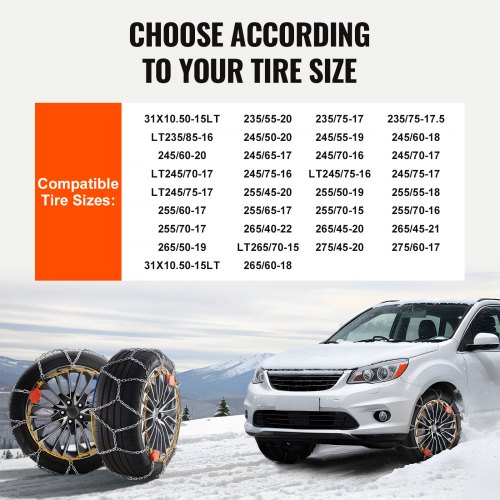
Choosing the correct size of snow chains is important for safety and performance. Snow chains that fit well protect your tires and improve traction on icy roads.
Too small or too large chains can damage your tires or vehicle. Use simple steps to find the right size before buying snow chains.
Checking Tire Dimensions
Look at the numbers on the sidewall of your tire. These numbers tell you the width, height, and diameter of your tire.
Write down the tire size exactly as it appears. You need this information to pick the right chains that fit your tires snugly.
- Example tire size: 205/55 R16
- 205 = width in millimeters
- 55 = height as a percentage of width
- 16 = diameter of the wheel in inches
Manufacturer Recommendations
Check your vehicle’s manual for any snow chain advice. Some cars have limits on chain size or type to protect brakes and suspension.
Follow the car maker’s rules to avoid damage or safety problems. Some manufacturers recommend specific brands or sizes of chains.
- Look for chain size limits in your car manual
- Check if chains are allowed with your tire size
- Follow any warnings about chain use on your vehicle
Adjustable Chains
Adjustable snow chains can fit different tire sizes. They have parts that tighten or loosen to match your tire’s shape.
These chains are good if you want one set for many tires. Make sure to adjust them correctly for safe use and good traction.
- Easy to fit on various tire sizes
- Must be tightened securely on the tire
- Check fit before driving on snow or ice
Material And Durability
Choosing the right snow chains for your tires means looking at what they are made of. The material affects how long they last and how well they work on snow and ice.
Durability is key for safety and value. Strong materials can handle rough roads and cold weather without breaking.
Steel Chains
Steel chains are common and very strong. They grip well on ice and snow. These chains can last many winters if you take care of them.
- Offer excellent traction
- Resist heavy wear and tear
- Tend to be heavier than other types
- Require regular cleaning to avoid rust
Alloy Chains
Alloy chains use metals like manganese or nickel. They are lighter than steel chains but still strong. They work well for drivers who want less weight on their tires.
| Type | Weight | Durability | Traction |
| Steel Chains | Heavy | High | Excellent |
| Alloy Chains | Light | Medium to High | Good |
Coatings And Rust Resistance
Coatings protect chains from rust. Rust weakens chains and can make them unsafe. Look for chains with zinc or nickel coatings for longer life.
Common coatings include:
- Zinc plating – good basic protection
- Nickel plating – stronger and shiny finish
- Polymer coatings – reduce noise and wear
Ease Of Installation
Choosing snow chains that are easy to install saves time and stress. Easy installation means you can put them on quickly in cold weather.
Look for features that help you install the chains without struggle. This guide covers key points to consider for easy fitting.
Manual Vs Automatic Tensioning
Manual tensioning means you adjust the chains by hand. This can take more time and effort. You must tighten the chains carefully to avoid slipping.
Automatic tensioning uses built-in systems to keep chains tight. These chains fit snugly without much work. They reduce the chance of loose chains while driving.
- Manual tensioning is less expensive but slower to install
- Automatic tensioning is faster and more secure
- Automatic systems may cost more but save effort
Installation Tools
Some snow chains need extra tools like gloves, wrenches, or ratchets for installation. Check if the chains include these tools or if you must buy them.
Chains that come with simple tools or tool-free designs make installation easier. Avoid products that require many parts or complex tools.
- Look for chains with included or no tools needed
- Simple tools reduce installation time
- Extra tools may be hard to manage in cold weather
Practice Before Use
Practice putting on your snow chains before you need them on the road. This makes the real installation faster and less stressful.
Try installing the chains in a dry and warm place first. Learn the steps and find any tricky parts ahead of time.
- Practice helps you understand the tensioning system
- You can prepare tools and fix problems early
- Familiarity reduces installation mistakes in cold weather
Legal Requirements And Regulations
Snow chains help improve tire traction on icy roads. Laws about their use vary by location. Knowing the rules keeps you safe and legal.
Before buying or using snow chains, check local rules. This guide covers key legal points about snow chain use.
Regional Snow Chain Laws
Different regions have different laws on snow chain use. Some places require chains in winter. Others ban them on certain roads.
- Mountain areas often require chains during heavy snow.
- Some states or provinces use signs to indicate chain requirements.
- Fines may apply if chains are not used when required.
- Chains may be banned in urban areas to protect roads.
Seasonal Restrictions
Chain use may be allowed only during certain months. This prevents road damage in warmer seasons.
| Season | Chain Use Allowed |
| Winter (Dec-Feb) | Yes |
| Spring (Mar-May) | Sometimes |
| Summer (Jun-Aug) | No |
| Fall (Sep-Nov) | Sometimes |
Vehicle Manufacturer Guidelines
Check your vehicle manual before using snow chains. Some tires or cars do not fit chains well.
- Chains must match tire size and type.
- Some vehicles recommend special chain types.
- Improper chains can damage brakes or suspension.
- Follow speed limits when driving with chains.
Credit: www.vevor.ca
Performance And Safety Features
Choosing the right snow chains for your tires is important. They can improve safety and performance in snowy conditions.
Consider the performance and safety features when selecting snow chains. These features can make a big difference in how your vehicle handles snow and ice.
Traction Improvement
Snow chains enhance the grip of your tires on icy roads. They provide better traction, which helps prevent slipping and sliding.
Look for snow chains with strong materials and good design. This ensures they hold the road well even in thick snow.
- Steel chains offer solid grip
- Diamond pattern chains improve stability
- Easy-to-fit chains save time
Brake And Handling Impact
Snow chains can affect how your car brakes and handles. They should help your vehicle stop safely on slippery surfaces.
Choose chains that provide balanced handling. This means your car will steer and brake reliably in snow.
- Test chains for braking efficiency
- Check handling response with chains
- Ensure compatibility with your car model
Noise And Ride Comfort
Some snow chains can make noise when driving. It is important to find chains that minimize noise for a comfortable ride.
Comfortable chains should not vibrate excessively. They should allow for a smooth driving experience even on rough surfaces.
| Feature | Benefit |
| Low noise chains | Peaceful drive |
| Anti-vibration design | Smooth handling |
Maintenance And Storage
Snow chains are essential for safe winter driving. Proper care keeps them in good condition. Learn how to clean, store, and inspect them for wear.
Following these simple steps ensures your snow chains last longer. Proper maintenance also improves their performance in harsh weather.
Cleaning After Use
Always clean your snow chains after using them. This prevents rust and damage. Use water and a brush to remove dirt and salt.
- Rinse chains with water to remove debris
- Use a brush to scrub off salt and grime
- Dry chains thoroughly to prevent rust
Storage Tips
Store your snow chains properly to keep them in good shape. A clean, dry location is best. Avoid direct sunlight or damp places.
- Keep chains in a dry, cool place
- Use a storage bag for protection
- Avoid storing in direct sunlight
Inspecting For Wear
Regularly check your snow chains for any signs of wear. Look for broken links or bent parts. This ensures they are safe to use.
- Check for any broken or missing links
- Inspect for rust or corrosion
- Ensure all components are intact
Alternative Traction Devices
Snow chains are not the only way to improve tire traction in winter. There are other devices that help tires grip snow and ice. These alternatives can be easier to use or fit different needs.
This guide explains three common alternative traction devices to help you choose the best one for your tires.
Snow Socks
Snow socks are fabric covers that wrap around your tires. They help improve traction on snow and ice by increasing grip. Snow socks are lightweight and easy to install.
They work well for light snow and icy roads. Snow socks are less noisy than metal chains and cause less damage to roads.
- Made of strong textile material
- Quick to put on and take off
- Suitable for short trips on snowy roads
- Not ideal for deep snow or rough terrain
Studded Tires
Studded tires have small metal studs embedded in the tread. These studs dig into ice and hard-packed snow, giving better traction. They are permanent and do not need to be added or removed.
Studded tires work best in icy conditions but can be noisy on dry roads. Some places have laws regulating their use because they can damage road surfaces.
- Provide strong grip on ice
- Good for frequent winter driving
- Less effective on dry or wet pavement
- May be restricted by local laws
Automatic Chains
Automatic chains are devices attached to tires that deploy chains with a switch inside the car. They offer quick traction without stopping to install chains manually. These systems improve safety and convenience.
Automatic chains are useful for drivers who face sudden snow or ice. They are more expensive but save time and effort in snowy conditions.
- Chains deploy with a button inside the vehicle
- Good for emergency traction needs
- Can be costly and complex to install
- Ideal for professional or heavy use
Frequently Asked Questions
What Size Snow Chains Fit My Tires?
Check your tire’s sidewall for size details. Match chains to tire size for proper fit and safety. Incorrect sizes can damage tires and reduce traction.
How Do I Install Snow Chains On Tires?
Lay chains flat, drape over tires, and secure hooks. Drive forward slightly, then retighten chains. Practice installation before snowy conditions.
Are Snow Chains Necessary For All Winter Driving?
Chains are vital on icy or deep snow roads. They enhance traction and control. Not always required on cleared roads or with winter tires.
Can Snow Chains Damage My Tires Or Vehicle?
Improper use or fit can cause damage. Always follow manufacturer instructions. Remove chains on dry pavement to avoid tire and vehicle harm.
Conclusion
Choosing the right snow chains keeps you safe on icy roads. Fit and size matter most for good performance. Check your tire size before buying chains. Strong, easy-to-install chains make driving easier in snow. Remember to follow instructions for proper use and care.
Regularly inspect chains to avoid damage and ensure safety. Good chains help your tires grip snow and ice better. Drive carefully and stay alert in winter conditions. Safety starts with the right choice of snow chains.







