
Choosing the right performance tires can transform your driving experience. You want tires that grip the road, boost your car’s handling, and keep you safe at high speeds.
But with so many options out there, how do you pick the perfect set for your needs? This guide will help you understand what to look for, so you can make a confident choice and get the most out of every drive.
Keep reading to discover the key factors that will make your tires work harder for you.
Types Of Performance Tires
Performance tires help your car drive better and safer. Different types work best in different conditions.
Choosing the right performance tire depends on your driving style and the weather you face.
Summer Tires
Summer tires work best in warm weather. They give strong grip on dry and wet roads.
They use special rubber that stays soft and sticky in heat. This helps your car turn and stop well.
- Best for temperatures above 45°F (7°C)
- Not good for snow or ice
- Improve handling and cornering
All-season Tires
All-season tires work in many weather types. They balance performance and comfort.
These tires handle light snow and rain. They last longer than summer tires but may not grip as well.
- Good for moderate climates
- Handle dry, wet, and light snow
- Offer longer tread life
Track Tires
Track tires are made for racing and high-speed driving. They give maximum grip on smooth surfaces.
These tires use soft rubber and special tread patterns. They wear out faster and are not for daily use.
- Designed for dry track conditions
- Provide excellent traction and control
- Not suitable for wet or rough roads
Key Tire Specifications
Choosing the right performance tires means understanding key tire features. These features affect how your car handles and drives.
Knowing the main tire specs helps you pick tires that fit your needs and driving style.
Tread Pattern
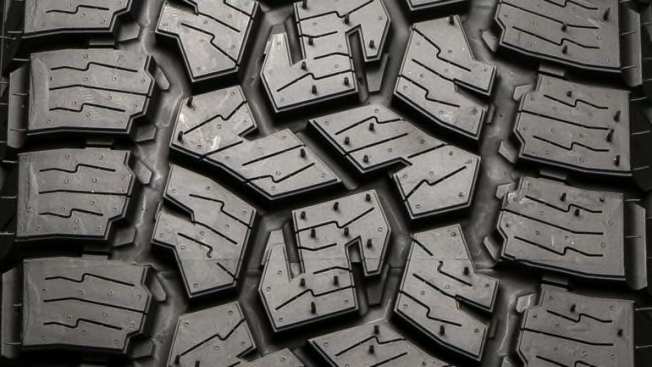
The tread pattern is the design on the tire surface that touches the road. It affects grip, water drainage, and noise.
Performance tires often have unique tread patterns to improve traction and handling at high speeds.
- Directional patterns help with water evacuation and reduce hydroplaning.
- Asymmetric patterns balance dry and wet performance.
- Slick or minimal tread offers maximum grip on dry roads.
Rubber Compound
The rubber compound is the material used to make the tire surface. It affects grip, wear, and temperature tolerance.
Softer compounds provide better grip but wear faster. Harder compounds last longer but may reduce traction.
- Sticky compounds improve cornering and braking.
- Heat-resistant compounds prevent tire damage during fast driving.
- Balanced compounds combine durability and performance.
Sidewall Stiffness
Sidewall stiffness refers to how firm the tire’s side is. It affects handling, comfort, and steering response.
Stiffer sidewalls improve handling and cornering but can make the ride less comfortable.
- Firm sidewalls give better control during sharp turns.
- Flexible sidewalls absorb bumps for a smoother ride.
- Performance tires often have reinforced sidewalls for balance.
Matching Tires To Driving Style
Choosing the right performance tires depends on how you drive. Different driving styles need different tire features.
Matching tires to your driving style helps improve safety and car handling. It also gives you a better driving experience.
Daily Driving
For daily driving, tires should be comfortable and last long. They need good grip for wet and dry roads.
Look for tires with low noise and good fuel efficiency. These tires help with smooth rides on city streets and highways.
- Focus on tire durability and comfort
- Good traction in rain and dry conditions
- Lower rolling resistance saves fuel
- Quieter tires improve ride quality
Sporty Driving
Sporty drivers need tires that handle sharp turns well. Tires should offer strong grip and quick response.
Look for tires with better cornering ability and shorter braking distances. These tires improve control at higher speeds.
- Better traction on dry and wet roads
- Improved steering response
- Higher speed ratings
- Stronger sidewalls for cornering
Track Racing
Track racing tires focus on maximum grip and heat resistance. They wear out faster but offer top performance.
These tires are softer and stick better on smooth tracks. They help drivers take sharp corners at high speed safely.
- Maximum dry grip for fast cornering
- Heat resistant to avoid tire fade
- Minimal tread for more contact patch
- Short lifespan due to soft rubber
Weather And Road Conditions
Choosing the right performance tires depends on the weather and road conditions you often face. Different tires work best on wet, dry, or cold surfaces.
Understanding these conditions helps you pick tires that keep you safe and improve your driving experience.
Wet Grip
Wet grip means how well tires hold on slippery, wet roads. Good wet grip helps prevent skidding and crashes.
Tires with special tread patterns and rubber compounds work better on wet surfaces. Look for tires that channel water away quickly.
- Deep grooves help remove water from under the tire
- Softer rubber improves grip on wet roads
- Test for hydroplaning resistance before buying
Dry Grip
Dry grip is how well tires stick to dry roads. It affects your car’s handling and stopping distance.
Performance tires with harder rubber and less tread usually give better dry grip. They keep your car stable at high speeds.
- Look for tires with wide contact patches
- Less tread means more rubber touches the road
- Choose tires designed for dry weather driving
Temperature Considerations
Temperature affects tire performance a lot. Some tires work best in warm weather, others in cold conditions.
Use tires with rubber that stays flexible in your usual temperature range. This helps maintain grip and safety.
- Summer tires are best for warm temperatures
- Winter tires stay soft and grippy in cold weather
- All-season tires balance performance for mild climates
Tire Size And Fitment
Choosing the right tire size is key for performance tires. The size affects safety, handling, and comfort.
You must match tires to your wheels and vehicle. Fitment ensures proper tire function and good driving feel.
Wheel Compatibility
Performance tires must fit your wheels correctly. Check your wheel diameter and width before buying tires.
Using wrong size tires can cause damage or poor handling. Always follow your vehicle’s wheel specs.
- Match tire diameter to wheel diameter
- Ensure tire width fits wheel width range
- Check wheel bolt pattern and offset
Aspect Ratio Effects
Aspect ratio is the height of the tire sidewall. It is shown as a percentage of the tire width.
A lower aspect ratio means a shorter sidewall. This improves cornering but can reduce ride comfort.
- Lower ratio = better handling and grip
- Higher ratio = smoother ride on rough roads
- Choose based on your driving style
Width And Diameter
Tire width affects how much tire touches the road. Wider tires give better traction but may increase road noise.
Diameter affects speedometer accuracy and clearance. Larger diameter tires can change vehicle height and handling.
| Aspect | Effect |
|---|---|
| Width | More grip, possibly more noise and fuel use |
| Diameter | Changes speed reading, ride height, and fit |

Credit: am-autoparts.ae
Brand Reputation And Reviews
Choosing performance tires can be tricky. Brand reputation and reviews are important. They help you make a good choice.
Brands with strong reputations often offer reliable tires. Reviews give insights into real-world performance.
Top Performance Tire Brands
Some brands are known for high-quality performance tires. These brands invest in technology and testing.
- Michelin
- Bridgestone
- Pirelli
- Goodyear
- Continental
Customer Feedback
Customer feedback is crucial for tire selection. It provides real-life experiences from other drivers.
Look for reviews that mention tire performance in different conditions. This helps in making an informed choice.
- Check for reviews on wet and dry conditions
- Read about tire longevity and wear
- Look for comments on noise and comfort
Expert Ratings
Experts test tires under controlled conditions. Their ratings provide another layer of trust.
Consider expert opinions to understand tire strengths and weaknesses. Experts often compare tires to find the best options.
| Brand | Expert Rating |
| Michelin | 9/10 |
| Bridgestone | 8/10 |
| Pirelli | 8.5/10 |
Budget And Longevity
Choosing the right performance tires involves understanding your budget and the longevity of the tires. Performance tires can enhance driving experience but may come at a higher cost.
It’s important to balance cost with how long the tires will last. Let’s look at factors that influence your choice.
Cost Vs Performance
Performance tires often cost more than regular tires. They offer better grip and handling. Consider how much you drive and your typical road conditions.
- High performance equals higher cost
- Consider daily driving needs
- Match tire type to driving conditions
Tread Life
Tread life indicates how long a tire lasts. It’s measured in miles. Longer tread life means fewer replacements.
| Tire Type | Average Tread Life (miles) |
| All-season | 50,000 |
| Performance | 40,000 |
| Summer | 30,000 |
Warranty Options
Warranties offer peace of mind. They cover defects and sometimes tread wear.
Credit: www.consumerreports.org
Professional Installation Tips
Choosing performance tires is only part of the process. Proper installation ensures safety and tire longevity. Follow these tips to get the best results from your new tires.
Installing performance tires correctly improves vehicle handling and tire wear. Pay attention to key areas during installation for optimal performance.
Balancing And Alignment
Balancing tires prevents vibrations and uneven wear. Alignment keeps your vehicle driving straight and improves tire life. Both steps are crucial for performance tires.
- Have a professional balance each tire after mounting.
- Check and adjust wheel alignment to manufacturer specifications.
- Inspect suspension parts that can affect alignment.
- Rebalance and realign after any suspension work or tire rotation.
Proper Inflation
Correct tire pressure is vital for safety and performance. Underinflated or overinflated tires can cause poor handling and faster wear. Check pressure regularly.
| Pressure Type | Recommended Action |
| Cold Inflation Pressure | Check and adjust before driving. |
| High-Performance Tires | Use exact pressure from tire or vehicle manual. |
| Seasonal Changes | Recheck pressure as temperature changes. |
| After Installation | Verify pressure immediately post-install. |
Regular Maintenance
Maintaining your performance tires extends their life and keeps you safe. Follow a maintenance schedule to catch issues early.
- Rotate tires every 5,000 to 7,000 miles.
- Inspect tires for cuts, cracks, or unusual wear.
- Keep tires clean and free from debris.
- Replace tires if tread depth is below safe limits.
- Monitor tire pressure monthly.

Credit: tireterrain.com
Frequently Asked Questions
What Are Performance Tires?
Performance tires are designed for enhanced handling, speed, and traction. They improve cornering, braking, and overall driving dynamics.
How To Choose The Right Size For Performance Tires?
Select tire size based on your vehicle’s specifications and driving needs. Check the owner’s manual or tire placard for accurate sizes.
Are Performance Tires Suitable For All Weather Conditions?
Some performance tires are all-season, but many are optimized for dry or wet conditions. Choose based on your typical climate.
How Does Tire Tread Affect Performance?
Tread patterns impact grip, water evacuation, and noise levels. Performance tires often have specialized tread for better road contact.
Conclusion
Choosing the right performance tires improves your car’s safety and handling. Think about your driving style and road conditions first. Check tire size, tread pattern, and grip carefully. Good tires help your vehicle stop faster and turn better. Always balance quality with your budget needs.
Regular tire care also extends their life. A smart choice leads to a smoother, safer drive every time. Take your time and pick tires that fit your needs well.







