
Choosing the right high performance tires can completely change the way your car feels on the road. You want tires that grip well, handle sharp turns, and keep you safe at high speeds.
But with so many options out there, how do you pick the perfect set for your ride? This guide will help you understand what really matters when selecting high performance tires, so you can drive with confidence and get the most out of every mile.
Keep reading to discover the simple steps that make all the difference.
Benefits Of High Performance Tires
High performance tires improve your car’s driving experience. They offer better safety and control on the road.
Choosing the right tires helps you drive with confidence in different conditions.
Enhanced Grip And Traction
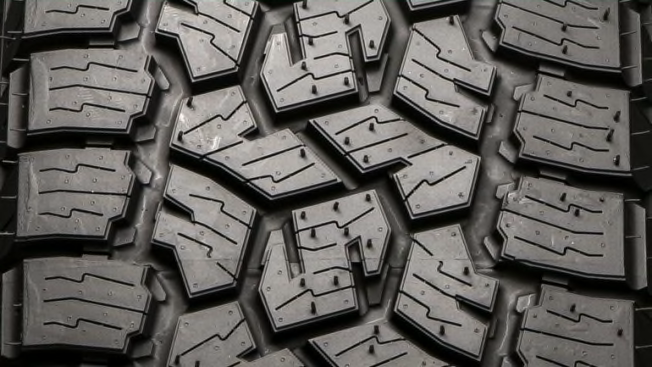
High performance tires have special tread patterns. These patterns increase grip on dry and wet roads.
Better grip means your car stays stable during turns and quick maneuvers.
- Improved road contact
- Better water evacuation on wet surfaces
- Reduced risk of slipping
Improved Handling And Stability
These tires are designed to provide sharper handling. They help you steer more precisely.
High performance tires keep the car stable at high speeds and on curves.
- Tighter cornering control
- Less body roll
- Better response to steering
Better Braking Performance
High performance tires shorten stopping distance. They give you more control during sudden stops.
This helps reduce the chance of accidents in emergency situations.
- Stronger road grip during braking
- Better heat resistance
- Improved brake feel and control
Increased Speed Capability
High performance tires can handle higher speeds safely. They are built with strong materials.
This means you can drive faster without losing tire stability or control.
- Enhanced tire strength
- Better heat dissipation
- Designed for high-speed driving

Credit: www.reddit.com
Key Features To Look For
Choosing high performance tires means finding the right balance of safety and control. The right tire improves your driving experience.
Focus on key features that affect grip, durability, and speed. These features help you pick tires that fit your needs.
Tread Patterns And Design
Tread patterns affect how tires grip the road. Different designs work better in wet or dry conditions.
Look for patterns that channel water away to reduce slipping. Directional or asymmetric treads often improve performance.
- Directional treads improve water dispersal
- Asymmetric treads balance dry and wet grip
- Deep grooves help with wet road traction
Rubber Compound Quality
High quality rubber provides better grip and lasts longer. Softer compounds give more traction but wear faster.
Harder rubber lasts longer but can reduce grip on wet surfaces. Choose a compound that fits your driving style.
Sidewall Strength And Flexibility
Strong sidewalls protect tires from damage on rough roads. Flexible sidewalls improve ride comfort and handling.
Check for sidewall ratings to find a balance. Too stiff can make the ride harsh; too soft can reduce control.
Load And Speed Ratings
Load ratings show how much weight a tire can carry safely. Speed ratings indicate the maximum speed the tire can handle.
Choose tires with ratings that match or exceed your vehicle’s needs. This ensures safety and tire durability.
| Rating Type | Meaning | Example |
|---|---|---|
| Load Rating | Maximum weight per tire | 91 = 615 kg |
| Speed Rating | Maximum safe speed | V = 240 km/h |
Matching Tires To Your Vehicle
Choosing the right tires is important for your vehicle’s safety and performance. Tires must fit your car well to work properly.
Different cars need different tires. This guide helps you pick tires that match your vehicle.
Compatibility With Car Type
Cars have different needs based on their type. Sports cars need tires that handle high speeds. SUVs require tires that support heavy loads and rough roads.
Using tires made for your car type keeps you safe and improves driving comfort.
- Sedans: Choose tires for smooth rides and good fuel use.
- SUVs: Pick tires that offer grip and durability.
- Sports cars: Use tires designed for fast driving and sharp turns.
Wheel Size Considerations
Your tire must fit your wheel size exactly. Too big or too small tires cause problems with handling and safety.
Check the wheel diameter and width before buying tires. Use the size codes on your current tires or vehicle manual.
- Diameter: Tire must match wheel diameter in inches.
- Width: Tire width should fit the wheel rim width.
- Aspect ratio: This affects tire height and comfort.
Impact On Suspension And Steering
Tires affect how your car’s suspension and steering work. Wrong tires can cause poor handling and uneven wear.
Choose tires that work well with your suspension system. Tires that are too stiff or too soft can change your car’s response.
- Proper tires keep suspension balanced and smooth.
- Correct tires improve steering accuracy and control.
- Mismatched tires can cause vibrations or pulling to one side.

Credit: www.dunlopmotorcycletires.com
Seasonal Tire Options
Choosing the right tires is key for good car performance. Tires change with the seasons. Different tires suit different weather and road conditions.
Seasonal tires help keep your vehicle safe and efficient. This guide covers summer, all-season, and winter high performance tires.
Summer Performance Tires
Summer tires work best in warm weather. They use special rubber that stays firm on hot roads. This gives better grip and handling.
These tires do not perform well in cold or wet conditions. They wear out faster in low temperatures and snow.
All-season High Performance Tires
All-season tires offer a balance of performance for many conditions. They work in dry, wet, and light snow roads. This makes them popular for year-round use.
- Good traction on dry and wet roads
- Moderate handling in light snow
- Longer tread life than summer tires
- Less grip in extreme weather
All-season tires fit drivers who want one set for most of the year. They are not the best choice for very hot or cold climates.
Winter And Snow High Performance Tires
Winter tires use soft rubber that stays flexible in cold weather. They have deep tread patterns to grip snow and ice.
| Feature | Winter Tires | All-Season Tires |
| Rubber Flexibility | High in cold | Moderate |
| Snow Traction | Excellent | Fair |
| Ice Grip | Good | Poor |
| Dry Road Handling | Moderate | Good |
Use winter tires if you drive in heavy snow or icy roads. They improve safety and control in harsh winter conditions.
Balancing Speed And Safety
Choosing high performance tires means finding the right balance. You want speed but also need to stay safe on the road.
Good tires improve control and reduce risks. This helps you drive fast without losing safety.
Trade-offs Between Grip And Durability
Tires with strong grip stick better on the road. They help with fast turns and quick stops.
Durable tires last longer but may have less grip. Tires that grip well wear out faster.
- Grip improves handling and braking
- Durability saves money over time
- Choose based on your driving style
- High grip suits sporty driving
- Durable tires fit daily driving needs
Avoiding Hydroplaning Risks
Hydroplaning happens when tires lose contact with wet roads. It causes loss of control and danger.
Choose tires with good water evacuation features. Tread patterns with deep grooves help prevent hydroplaning.
- Look for tires with wide channels
- Deep treads move water away quickly
- Check tire reviews for wet road performance
- Replace worn tires to keep safety
Maintaining Tire Pressure And Condition
Proper tire pressure keeps tires safe and efficient. Underinflated tires wear unevenly and reduce control.
Check tire pressure monthly. Also, inspect tires for cracks, bulges, or worn tread.
- Use a pressure gauge to check tires
- Follow car manufacturer’s pressure guide
- Look for signs of damage or wear
- Replace tires that are too worn or damaged
Trusted Brands And Models
Choosing the right high performance tires can boost your driving experience. Trusted brands offer quality and reliability for speed enthusiasts and budget-conscious drivers alike.
Let’s explore some top brands and popular models to guide you in making an informed decision.
Top High Performance Tire Brands
Reputable brands provide durability and superior grip on the road. Here are a few renowned names in the market:
- Michelin
- Bridgestone
- Pirelli
- Continental
- Goodyear
Popular Models For Speed Enthusiasts
Performance models deliver enhanced speed and handling. Consider these popular options for your vehicle:
| Brand | Model |
| Michelin | Pilot Sport 4S |
| Pirelli | P Zero |
| Bridgestone | Potenza RE-71R |
Budget-friendly High Performance Options
Finding high performance tires on a budget is possible. Look for these options that offer good value:
- Hankook Ventus V12 Evo2
- Cooper Zeon RS3-G1
- Falken Azenis FK510
Installation And Maintenance Tips
High performance tires are essential for a smooth and safe drive. Proper installation and maintenance ensure their longevity and efficiency.
Follow these guidelines to keep your tires in top condition. Good care starts with correct mounting and regular checks.
Proper Mounting And Balancing
Mounting and balancing are crucial for tire performance. Improper mounting can cause uneven wear and vibrations.
| Step | Description |
| Mounting | Ensure the tire is properly seated on the rim. |
| Balancing | Use weights to balance the tire and wheel assembly. |
| Check | Verify there are no leaks or damage. |
Regular Inspections And Rotations
Regular inspections catch problems early. Tire rotations help distribute wear evenly, extending tire life.
- Inspect tires monthly for cuts and punctures.
- Rotate tires every 5,000 to 8,000 miles.
- Check tire pressure regularly.
- Look for uneven tread wear.
Signs It’s Time To Replace Tires
Knowing when to replace tires is key for safety. Worn-out tires can affect handling and braking.
Use a penny to check tread depth. If you see the top of Lincoln’s head, replace the tire.
Credit: www.consumerreports.org
Frequently Asked Questions
What Factors Define High Performance Tires?
High performance tires offer superior grip, handling, and speed capability. They use specialized rubber compounds and tread designs for enhanced traction. These tires improve cornering and braking on dry and wet roads. Performance ratings, speed ratings, and tire size also define them.
How To Select The Right Tire Size?
Choose tire size based on your vehicle’s manufacturer recommendations. The size is on the tire sidewall or owner’s manual. Proper sizing ensures safety, optimal performance, and fuel efficiency. Avoid oversized or undersized tires to maintain handling and avoid damage.
Are High Performance Tires Suitable For All Weather?
Most high performance tires excel in dry and wet conditions but lack snow traction. For winter, use dedicated snow or all-season tires. Check the tire’s weather rating to ensure it matches your driving environment for safety and performance.
How Often Should I Replace High Performance Tires?
Replace high performance tires every 25,000 to 40,000 miles or when tread depth is below 2/32 inch. Inspect tires regularly for wear, cracks, and damage. Proper maintenance extends tire life and maintains optimal vehicle performance and safety.
Conclusion
Choosing the right high performance tires improves your car’s safety and control. Focus on tread design, tire size, and driving needs. Check tire ratings and reviews before buying. Good tires help you drive better on wet and dry roads. Taking time to pick the best tires pays off in the long run.
Your car will handle sharper, and you will feel more confident. Tires matter more than many people think. Make a smart choice for a smoother, safer ride.







