
Is your car feeling shaky or vibrating while you drive? That annoying wobble might be due to unbalanced wheels.
But don’t rush to the mechanic just yet—you can check your wheel balance right at home. Knowing how to do this saves you time, money, and keeps your ride smooth and safe. In this guide, you’ll discover simple steps and easy tools to spot wheel balance issues before they turn into bigger problems.
Ready to take control of your car’s performance? Let’s dive in.

Credit: www.hpacademy.com
Signs Of Unbalanced Wheels
Unbalanced wheels can affect how your car drives and feels. It is important to notice the signs early. This helps keep your ride smooth and safe.
Many drivers do not check wheel balance often. You can check for problems at home by looking for clear signs. These signs show that your wheels need attention.
Vibration While Driving
If your car shakes or vibrates while driving, your wheels might be unbalanced. This vibration can happen at different speeds. It often starts around 50 to 60 miles per hour.
- Steering wheel feels shaky
- Seat or floorboard vibrates
- Vibration grows stronger with speed
- Uneven feeling when braking
Uneven Tire Wear
Look at your tires closely. Unbalanced wheels cause tires to wear out in uneven spots. This reduces tire life and can cause problems while driving.
| Type of Wear | Possible Cause |
| One side worn more | Wheel out of balance |
| Bald patches | Unstable wheel rotation |
| Feathered edges | Vibration from imbalance |
Steering Wheel Shaking
Your steering wheel shaking is a strong sign of unbalanced wheels. It often happens at certain speeds and can make driving hard. You may feel this shaking mostly in your hands.
Check these points if your steering wheel shakes:
- Does shaking start above 40 mph?
- Is the shaking steady or does it come and go?
- Does it feel worse on bumpy roads?
- Is vibration felt more in the hands than the seat?
Credit: www.kenfeagintruckandtrailer.com
Tools Needed For Checking Balance
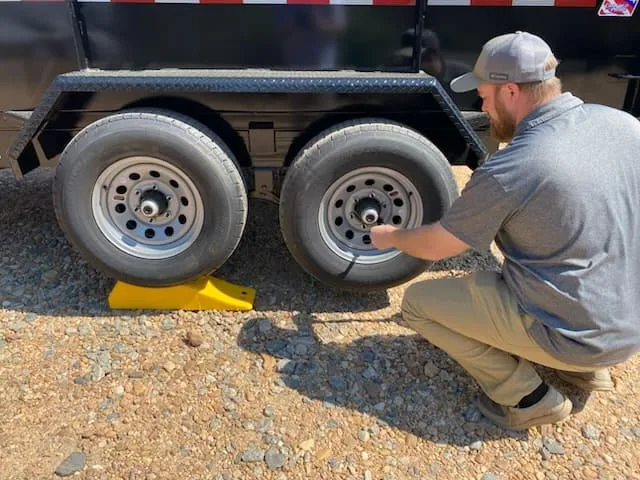
Checking wheel balance at home requires some basic tools. You can also use advanced tools for better accuracy.
Knowing what tools to use helps you balance your wheels safely and effectively.
Basic Equipment
These basic tools help you find wheel imbalance without special machines.
- Jack and Jack Stands – to lift and secure the vehicle.
- Wheel Weights – small weights to add or remove balance.
- Rubber Mallet – to tap weights onto the rim safely.
- Tire Pressure Gauge – to check and adjust tire pressure.
- Chalk or Marker – to mark problem spots on the tire.
Optional Advanced Tools
Advanced tools give more precise balance readings and help with tricky wheels.
| Tool | Purpose |
| Portable Wheel Balancer | Measures exact imbalance on the wheel. |
| Digital Tire Pressure Gauge | Provides accurate tire pressure readings. |
| Torque Wrench | Tightens lug nuts to exact specifications. |
| Wheel Weight Pliers | Helps install and remove wheel weights easily. |
Preparing Your Vehicle
Checking your wheel balance at home starts with getting your vehicle ready. Proper preparation helps you spot any problems clearly. It also makes the process safer and easier.
Two important steps to prepare your vehicle include parking on a level surface and removing wheel weights. These steps let you get accurate results.
Park On A Level Surface
Park your vehicle on a flat, level surface. This stops the car from rolling and helps you check the wheels evenly. Avoid slopes or uneven ground.
- Find a driveway, garage, or parking lot with a flat floor.
- Set the parking brake to keep the vehicle still.
- Turn off the engine and remove the key.
- Place wheel chocks behind the wheels not being checked to prevent movement.
Remove Wheel Weights
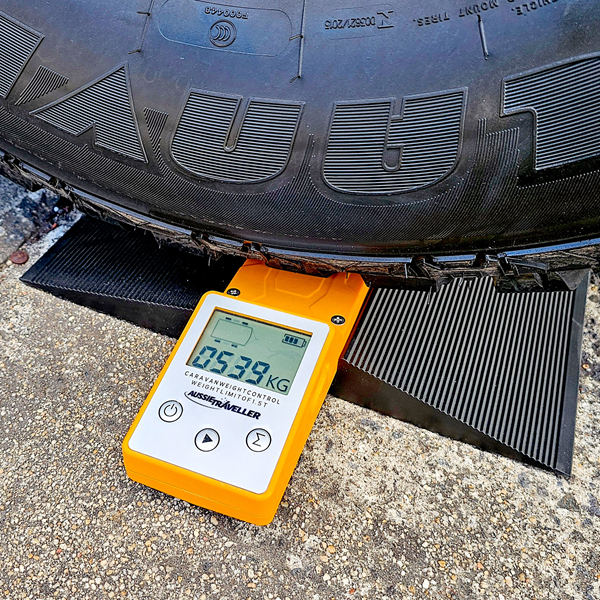
Wheel weights help balance tires but must be removed for a proper check. Removing them lets you find imbalances clearly.
| Tool | Purpose | Note |
|---|---|---|
| Flathead screwdriver | To pry off clip-on wheel weights | Be gentle to avoid damage |
| Pliers | To remove adhesive wheel weights | Use carefully to avoid scratching |
| Gloves | Protect hands while removing weights | Recommended but optional |
Credit: www.caravanrvcamping.com.au
Diy Methods To Check Wheel Balance
Balancing your car’s wheels ensures a smooth ride and reduces tire wear. You can check wheel balance at home with simple tools. These methods help you spot issues early.
Try these easy tests to find out if your wheels are out of balance. No special equipment or skills are needed.
Using A Bubble Level
A bubble level helps check if your wheel is evenly weighted. Place the level on the tire’s surface to see if it tilts.
- Park your car on a flat surface.
- Clean the tire sidewall where you will place the level.
- Put the bubble level horizontally on the tire.
- Check if the bubble stays centered.
- If the bubble moves to one side, the wheel may be unbalanced.
Spin Test On A Jack
This test shows if a wheel wobbles or vibrates when it spins. Use a car jack to lift the wheel off the ground safely.
| Action | What to Watch For |
|---|---|
| Lift the car with a jack and remove the wheel covers. | Ensure the wheel spins freely without obstruction. |
| Spin the wheel by hand slowly. | Look for any wobbling or uneven spinning. |
| Listen for unusual noises during the spin. | Grinding or clicking sounds may indicate imbalance or damage. |
| Stop the wheel and note where it stops. | If it stops at the same spot repeatedly, the heavy spot may be there. |
Bounce Test
The bounce test helps find balance issues by feeling how the wheel absorbs shocks. Press down on the car’s fender above the wheel and release.
Follow these points for a good bounce test:
- Press down firmly on the fender until the suspension compresses.
- Release quickly and watch how the car moves.
- The car should bounce once or twice then stop.
- Excessive bouncing or shaking shows wheel or suspension issues.
- Check all four wheels to compare their bounce behavior.
Interpreting Your Results
After checking your wheel balance at home, you need to understand what the results mean. Proper interpretation helps you know if your wheels are safe and smooth.
Knowing the signs of imbalance lets you decide the next steps for your vehicle’s care and comfort.
Identifying Imbalances
You can spot wheel imbalances by feeling vibrations or seeing uneven tire wear. These signs show that the weight is not spread evenly around the wheel.
Common symptoms include shaking in the steering wheel, especially at high speeds, or wobbling when driving straight.
- Steering wheel vibrates while driving
- Tires show uneven tread wear
- Car pulls to one side
- Unusual noises from wheels
When To Seek Professional Help
If you notice strong vibrations or uneven tire wear, a professional check is best. They have special tools to balance wheels accurately.
Also, if your homemade test is unclear or you are unsure about the results, visit a tire expert for safety and peace of mind.
- Persistent vibrations despite DIY balancing
- Visible damage or uneven tire wear
- Unusual noises that do not stop
- Uncertainty about your test results
Tips For Maintaining Balanced Wheels
Balanced wheels are key for a smooth ride. They help reduce tire wear and improve safety. You can check wheel balance at home with a few simple steps.
Here are some tips for keeping your wheels balanced. These practices ensure longer tire life and better performance.
Regular Tire Rotation
Rotating tires helps them wear evenly. It is recommended to rotate your tires every 5,000 to 7,000 miles. This keeps the tread depth even across all tires.
Uneven wear can cause imbalance. Regular rotation prevents this. It also extends the life of your tires.
- Rotate tires every oil change
- Follow the pattern in your car manual
- Check tire pressure during rotation
Proper Inflation
Correct tire pressure is crucial. Under or over-inflated tires can lead to imbalance. Check tire pressure monthly or before long trips.
Use a reliable gauge to measure pressure. The recommended pressure is found in the car’s manual or door jamb. Keeping tires properly inflated ensures even contact with the road.
- Check pressure when tires are cold
- Adjust pressure according to load
- Use a quality pressure gauge
Routine Inspections
Inspect your wheels regularly. Look for signs of imbalance like uneven wear or vibrations. These checks help catch issues early.
Check for stones or debris in the tread. Also, ensure there are no visible damages. Routine inspections keep your wheels in top condition.
- Look for cracks or bulges in tires
- Check alignment if the car pulls to one side
- Inspect tires after hitting potholes
Frequently Asked Questions
How Can I Check Wheel Balance At Home Safely?
You can check wheel balance using simple tools like a bubble balancer or spin test. Ensure the car is on a flat surface and wheels are clean for accurate results.
What Tools Do I Need To Check Wheel Balance?
Basic tools include a bubble wheel balancer, jack stands, and a wrench. These help you lift the car and measure wheel balance effectively at home.
How Often Should I Check Wheel Balance Myself?
Check your wheel balance every 6,000 miles or if you notice vibrations. Regular checks prevent uneven tire wear and improve driving safety.
Can I Fix Wheel Imbalance Without Professional Help?
Minor imbalances can be fixed by repositioning wheel weights. However, severe issues require professional equipment for precise balancing.
Conclusion
Checking wheel balance at home saves time and money. You only need a few simple tools to start. Balance helps your car drive smoothly and lasts longer. Regular checks stop uneven tire wear and improve safety. Try these easy steps to keep your wheels steady.
Small efforts now prevent big problems later. Stay safe, save money, and enjoy a better ride.







