
Are you sure your tires are as safe as they should be? Checking tire wear indicators is one of the easiest ways to keep your vehicle road-ready and avoid unexpected problems.
Knowing how to spot these signs can save you money, improve your car’s performance, and most importantly, protect you and your passengers. You’ll learn simple, step-by-step tips to quickly check your tire wear indicators like a pro. Keep reading to ensure your tires are in top shape before it’s too late.
Tire Wear Indicators Basics
Tire wear indicators help you know when your tires need replacing. They show the level of tread left on your tires.
Checking these indicators keeps your driving safe and your car running well.
What Are Tire Wear Indicators
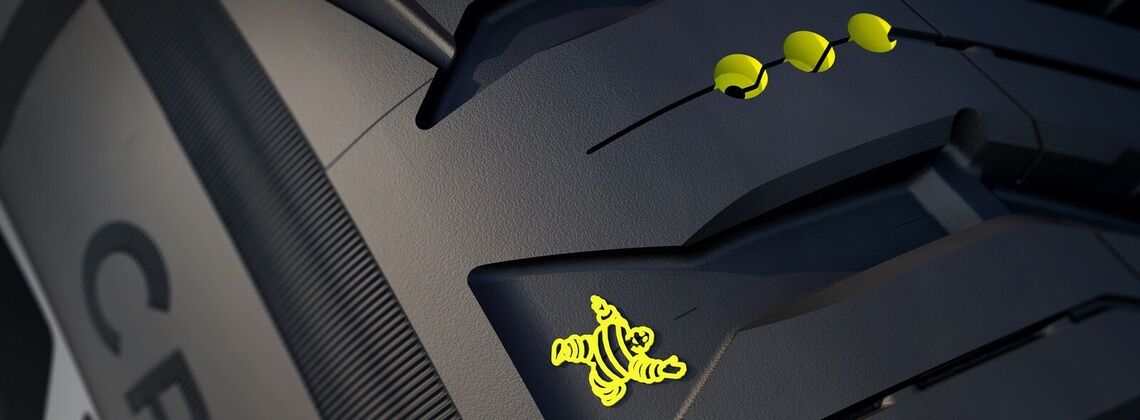
Tire wear indicators are small bars inside the tire grooves. They become visible when the tread wears down to a certain level.
These bars show if the tread depth is low and the tire needs to be replaced.
Why They Matter For Safety
Worn tires reduce traction on wet or slippery roads. This can cause accidents or longer stopping distances.
Using tire wear indicators helps you avoid driving on unsafe tires.
- Better grip on wet roads
- Shorter braking distance
- Improved vehicle control
Impact On Fuel Efficiency
Tires with low tread depth increase rolling resistance. This makes your engine work harder and use more fuel.
Checking tire wear indicators helps keep tires efficient and saves fuel.
Credit: www.toyotaofnorthcharlotte.com
Locating The Indicators
Tire wear indicators help you know when tires need replacing. They show how much tread is left on your tires.
Finding these indicators is easy once you know where to look. They are built into your tire’s surface.
Common Positions On Tires
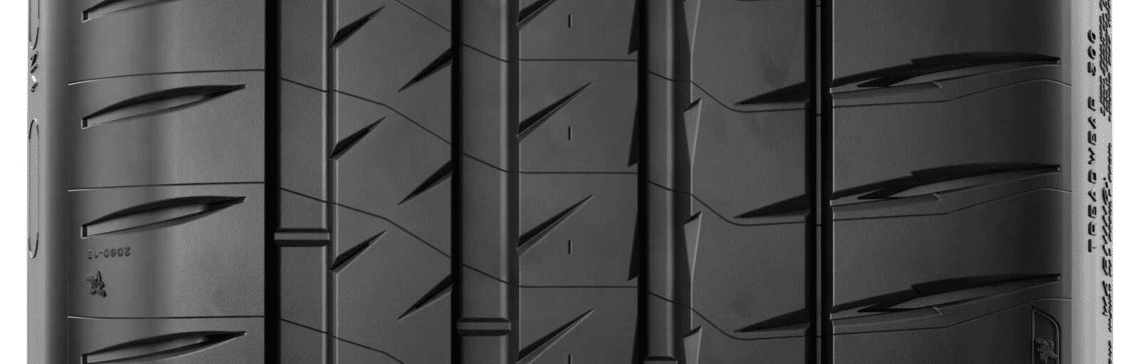
Tire wear indicators are small raised bars inside the tread grooves. They run across the tire at several points.
Look closely at the spaces between the tread blocks. The bars are usually evenly spaced around the tire.
- Found in the main grooves running around the tire
- Placed at regular intervals across the tread width
- Located near the center and shoulders of the tire
- Sometimes marked with “TWI” or similar letters
Visual Signs To Look For
Wear indicators appear as narrow strips of rubber. They sit flush with the tread surface when the tire is worn.
If the tread is level with these bars, the tire is worn out. The bars become easier to see as the tread gets thinner.
- Raised bars inside the grooves that become visible
- Tread depth matches the height of the indicators
- Indicators may have small letters or symbols near them
- Look for smooth spots where tread has worn down
Simple Steps To Inspect
Checking your tire wear indicators helps you know when to replace tires. It keeps you safe on the road. The process is quick and easy to learn.
Follow the steps below to inspect your tires properly. Use the right tools and look carefully for wear signs.
Tools You’ll Need
Gather these simple tools before you start your tire inspection. They help you check wear indicators clearly and safely.
- Tire tread depth gauge
- Flashlight for better visibility
- Car jack to lift the vehicle (if needed)
- Gloves to protect your hands
- Clean cloth to wipe tire surface
Step-by-step Inspection Guide
Follow these steps carefully to inspect your tire wear indicators. This will help you find worn tires early and stay safe.
- Park your car on a flat surface and turn off the engine.
- Clean the tire surface with a cloth to see wear indicators clearly.
- Use a flashlight to spot the tire wear bars inside the tread grooves.
- Check if the tread is level with the wear bars. If yes, the tire needs replacement.
- Use a tread depth gauge to measure the remaining tread depth for accuracy.
- Inspect all tires and note any uneven wear or damage.
- If unsure, lift the car with a jack for a better view of the tire’s entire surface.
| Wear Indicator Location | What to Look For | Action |
| Between tread grooves | Raised bars at 2/32 inch height | Replace tire if tread reaches bar level |
| Tread depth below 2/32 inch | Tread gauge shows less than 2/32 inch | Replace tire immediately |
| Uneven wear | One side or spot worn more | Check alignment or suspension |
Interpreting Wear Levels
Tire wear indicators help you see how much tread is left on your tires. They are small bars inside the tire grooves.
If the tread is level with these bars, your tires are worn out. You need to check them often to keep safe driving.
When To Replace Tires
Replace tires when the tread reaches the wear bars. This means the tire has little grip left.
Also, replace tires if you see cracks, bulges, or uneven wear. These signs show the tire is unsafe.
- Tread depth at or below 2/32 inch
- Visible wear bars across the tread
- Cracks on sidewalls or tread area
- Bulges or blisters on the tire surface
- Uneven wear patterns on the tire
Risks Of Ignoring Indicators
Ignoring tire wear indicators increases the chance of accidents. Worn tires lose traction and can cause skids.
It also raises the risk of tire blowouts. This can lead to loss of control and crashes.
- Longer stopping distances on wet roads
- Higher chance of hydroplaning
- Increased risk of tire failure
- Poor fuel efficiency due to bad grip
- Unsafe handling and steering response
Maintaining Tire Health
Tires are vital for safe driving. Checking tire wear indicators helps maintain tire health. Regular checks ensure your tires last longer.
Proper tire care improves vehicle performance. It also enhances fuel efficiency and road safety. Understanding tire wear is essential for every driver.
Regular Checks And Balancing
Check your tires monthly. Look for uneven wear. This can indicate balancing issues.
Rotate tires every 5,000 to 8,000 miles. This promotes even wear and extends tire life.
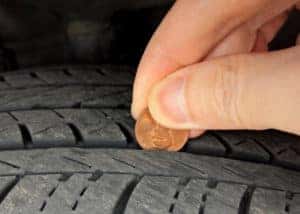
- Inspect tread depth using a penny
- Look for cracks or bulges
- Check for embedded objects
Proper Inflation Tips
Keep your tires properly inflated. Under-inflation can cause tire damage.
Check tire pressure monthly. Use a reliable gauge for accurate readings.
- Find the correct pressure in your car manual
- Adjust pressure when tires are cold
- Consider temperature changes for pressure adjustments
Credit: www.michelin.ca
Saving Money With Timely Checks
Checking tire wear indicators helps you know when to replace tires. This simple task saves money by avoiding costly mistakes.
Tires wear out over time and affect safety and performance. Regular checks keep your vehicle running smoothly and save you money.
Avoiding Premature Tire Replacement
Checking tire wear indicators shows the true tire condition. You avoid replacing tires before they are worn out.
Replacing tires too early wastes money. Timely checks help you use tires fully and get the best value.
- Look for raised bars in the tread grooves
- If bars are visible, tires need replacement
- Check all tires regularly for even wear
Improving Vehicle Performance
Good tires improve grip and handling. Worn tires reduce vehicle control and increase fuel use.
Regular checks help keep tires in good condition. This improves safety and saves money on fuel and repairs.
- Check tire pressure along with wear indicators
- Even tire wear means better driving stability
- Proper tires lower risk of accidents
Credit: www.michelin.ca
Frequently Asked Questions
What Are Tire Wear Indicators?
Tire wear indicators are small raised bars within the tire tread grooves. They show when tread depth is too low for safe driving.
How Do I Find Tire Wear Indicators?
Look inside your tire’s main tread grooves. The indicators are thin raised lines running across the tread surface.
When Should I Replace Tires Based On Wear Indicators?
Replace tires when the tread wears down to the indicator level. This means the tread depth is below 2/32 inch, which is unsafe.
Can Tire Wear Indicators Prevent Accidents?
Yes, they help you know when tire grip is compromised. Worn tires increase the risk of skidding and hydroplaning.
Conclusion
Checking tire wear indicators helps keep your driving safe. It shows when tires need replacing. Worn tires can cause accidents or poor car handling. Regular checks save money and avoid trouble on the road. Look at the small bars inside the tire grooves.
If they show, it means the tire is too worn. Don’t wait for a problem to happen. Stay alert and check your tires often. Simple steps can protect you and your passengers. Safe driving starts with good tire care.







