
Have you ever wondered if your tires are too hot while you’re on the road? Knowing how to check tire temperature during trips can save you from unexpected flats or blowouts.
Your tires work hard, and when they get too hot, it affects your safety and your vehicle’s performance. You’ll discover simple and effective ways to monitor tire temperature so you can keep your ride smooth and safe. Keep reading to learn easy tips that could protect you and your passengers on every trip.
Why Tire Temperature Matters
Knowing your tire temperature helps keep your trips safe and smooth. Tires get hotter as you drive, which can affect how they perform.
Checking tire temperature during trips can prevent damage and improve fuel efficiency. It also helps you avoid accidents caused by overheated tires.
Tire Temperature And Safety
Tire heat affects grip and braking. Hot tires may lose traction, making it harder to stop or control the vehicle. Cold tires can be stiff and offer less grip.
Impact On Tire Wear
High temperatures speed up tire wear. Overheated tires can develop cracks or bulges. Keeping tires cool helps them last longer and saves money on replacements.
Fuel Efficiency And Tire Heat
Hot tires increase rolling resistance. This means your vehicle uses more fuel. Maintaining proper tire temperature can improve mileage and reduce fuel costs.
- Tires feel very hot to touch after driving
- Visible tire damage like bubbles or cracks
- Vehicle pulls to one side during driving
- Warning lights on the dashboard related to tire pressure
How To Monitor Tire Temperature
| Method | Details | Pros | Cons |
|---|---|---|---|
| Infrared Thermometer | Point at tire surface to get instant reading | Quick and easy to use | Needs close access to tires |
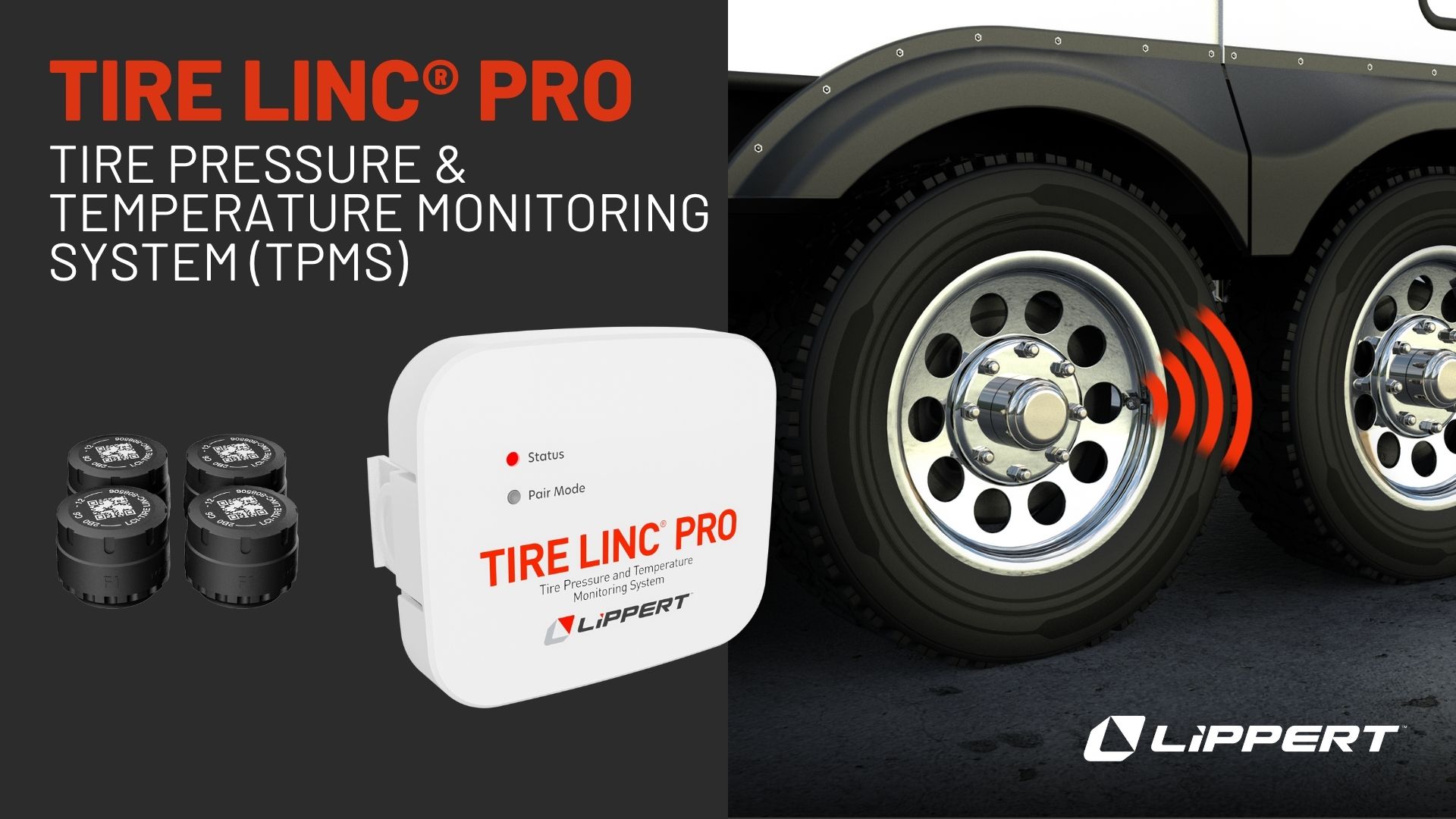
| TPMS (Tire Pressure Monitoring System) | Built-in sensors track temperature and pressure | Continuous monitoring while driving | May not be available on all vehicles |
| Manual Touch Check | Feel tires by hand after stops | No special tools needed | Not very precise |
Credit: www.lippert.com
Signs Of Overheated Tires
Checking tire temperature during trips is important for safety. Overheated tires can cause accidents and damage your vehicle.
Knowing the signs of overheated tires helps you act quickly. It prevents blowouts and extends tire life.
Visible Tire Damage
Overheated tires often show physical damage. Look for cracks, bubbles, or blisters on the tire surface. These signs mean the tire is weak and unsafe.
Unusual Tire Smell
A burning rubber smell near the tires can mean overheating. This smell appears when tire rubber heats too much and starts to break down.
Tire Pressure Changes
Heat causes tire pressure to rise. Check your tire pressure often during long trips. Sudden pressure increases may signal overheating.
| Sign | Description | Action |
| Cracks and Blisters | Surface damage from heat stress | Stop and inspect tires |
| Burning Smell | Rubber overheating odor | Reduce speed and cool tires |
| Pressure Rise | Increased tire pressure due to heat | Check pressure and adjust |
| Soft or Squishy Tires | Loss of tire firmness | Check for leaks and damage |
Vibration Or Pulling
If you feel vibration or the car pulls to one side, tires may be overheating. Heat can cause uneven wear or tire deformities.
Reduced Tire Tread
Excess heat wears down tire tread faster. Check tread depth regularly. Shallow tread means less grip and higher risk of blowouts.
Use A Tire Temperature Gauge
- Measure tire temperature at regular stops
- Compare readings between tires
- Look for temperatures over 160°F (70°C)
- Cool down tires if temperature is too high
Tools For Measuring Tire Temperature
Keeping track of tire temperature is important for safe driving. Tires get hot during trips, and too much heat can cause problems. Using the right tools helps you check tire temperature quickly.
There are different tools available to measure the temperature of your tires. Each tool has its own way to give you accurate readings. Here are some common tools you can use.
Infrared Thermometers
Infrared thermometers let you measure tire temperature without touching the tire. They work by detecting heat from the tire surface. You just point the device at the tire and press a button.
- Easy to use and fast
- Safe because no contact is needed
- Good for spot checks during stops
- Can measure temperature from a distance
Tire Pressure Monitoring Systems
Tire Pressure Monitoring Systems (TPMS) often include temperature sensors inside the tires. These systems send real-time data to your vehicle’s display. You can see temperature and pressure without stopping.
| Feature | Details |
| Temperature Range | -40°C to 125°C (-40°F to 257°F) |
| Installation | Inside tire valve or wheel |
| Data Display | Dashboard or smartphone app |
| Alerts | Warning for high temperature or low pressure |
Manual Temperature Sensors
Manual temperature sensors require you to attach a sensor to the tire. These sensors can be digital or analog. You read the temperature by checking the sensor directly.
- Attach sensor to tire surface or rim
- Read temperature from sensor display
- Needs physical contact with tire
- Good for detailed checks during maintenance
When To Check Tire Temperature
Checking tire temperature during trips is important for safety. It helps prevent tire blowouts and ensures a smooth ride.
Knowing the right times to check the temperature can keep your journey safe and trouble-free.
Before Starting The Trip
Check your tire temperature before you begin your trip. This helps you know if they are in good condition.
Use a tire gauge to measure the temperature. Make sure your tires are not too hot or too cold.
- Check for any visible tire damage
- Ensure tire pressure is optimal
- Inspect tread wear for safety
During Rest Stops
Rest stops are good times to check tire temperature. Your tires can heat up during long drives.
Allow your tires to cool down for a few minutes. Then, check the temperature and adjust as needed.
- Let tires cool for accurate readings
- Look for any unusual wear patterns
- Recheck tire pressure after cooling
After Long Driving Periods
After driving for a long time, your tires can get hot. Checking the temperature then helps prevent problems.
Park your car in a safe spot. Wait a bit for tires to cool before checking them.
- Check all four tires for consistency
- Look for signs of overheating
- Ensure pressure levels are correct
Steps To Measure Tire Temperature Safely
Checking tire temperature during trips helps keep your vehicle safe. It prevents tire damage and improves driving comfort.
Use the right tools and follow safe methods to measure tire temperature. This guide explains easy steps to do it safely.
Prepare Your Tools
Gather a tire temperature gun or an infrared thermometer. These tools help measure temperature without touching hot tires.
Make sure the thermometer is clean and working correctly before use.
Park Your Vehicle Safely
Find a safe spot to park your vehicle. Turn off the engine and set the parking brake. Avoid busy roads or steep slopes.
Check Tire Temperature Correctly
Point the thermometer at the tire surface, near the tread area. Keep it a few inches away to get an accurate reading.
- Do not touch the tire with your hands; it may be hot.
- Measure each tire individually for best results.
- Note the temperature readings for future reference.
Avoid Measuring Immediately After Driving
Let tires cool down for at least 15 minutes after driving. Measuring too soon may give false high readings.
Record And Compare Temperature Data
| Tire Position | Temperature (°F) | Notes |
| Front Left | — | Check pressure if over 140°F |
| Front Right | — | Check pressure if over 140°F |
| Rear Left | — | Check pressure if over 140°F |
| Rear Right | — | Check pressure if over 140°F |
Credit: www.blackcircles.ca
How Temperature Affects Tire Pressure
Temperature changes impact tire pressure. Hot weather increases pressure. Cold weather decreases it.
Checking tire temperature during trips is important. It ensures safe driving conditions.
Understanding Temperature And Tire Pressure
Tires expand in heat. This raises tire pressure. Over-inflated tires can be dangerous.
In cold, tires contract. This lowers tire pressure. Under-inflated tires wear out faster.
Checking Tire Temperature
Use a tire gauge to check pressure. Do this before starting your trip. Check when tires are cool.
Measure tire temperature with an infrared thermometer. This helps track how heat affects pressure.
Proper tire pressure saves fuel. It also improves handling and safety. Checking temperature helps maintain correct pressure.
Knowing tire temperature prevents blowouts. It also extends the life of your tires.
Tips For Maintaining Tire Pressure
Check tire pressure monthly. Adjust it according to the weather. Use a reliable tire gauge.
Keep a tire pressure chart handy. This helps understand ideal pressures for different temperatures.
- Inspect tires before long trips
- Use tire covers in extreme heat
- Store vehicle in a garage during cold weather
Tips To Prevent Tire Overheating
Checking tire temperature during trips helps keep your tires safe. Overheating tires can cause accidents and damage.
Use simple tips to avoid tire overheating and enjoy a safer ride.
Maintain Proper Tire Pressure
Keep your tire pressure at the level the car maker suggests. Low pressure makes tires heat up faster.
Check pressure before trips and use a gauge to keep it steady.
- Check pressure when tires are cold
- Use a quality tire pressure gauge
- Adjust pressure according to load and weather
Avoid Overloading
Do not carry weight above your car’s limit. Heavy loads cause tires to work harder and heat more.
Check the vehicle’s manual for the maximum load and keep your cargo under this number.
- Know your car’s load limit
- Distribute weight evenly
- Remove unnecessary items before trips
Drive At Safe Speeds
High speeds increase tire heat. Drive within speed limits to keep tires cool.
Slower speeds reduce friction and help tires last longer on the road.
- Follow posted speed limits
- Reduce speed on hot or rough roads
- Take breaks on long trips to cool tires
Handling High Tire Temperature Situations
Checking tire temperature during trips helps keep you safe. High tire heat can cause tire damage or accidents.
Knowing how to handle hot tires stops bigger problems on the road. Stay calm and follow simple steps.
Stop And Inspect Tires Immediately
If you notice high tire temperature, pull over safely. Inspect the tires for damage or bulges.
Hot tires can be weak or damaged. Look for cuts, bubbles, or worn areas.
Let Tires Cool Down Before Driving
Do not drive right after feeling high tire heat. Let tires cool for at least 15 minutes.
Cooling tires lower risk of blowouts. Stay in a safe place while waiting.
Check Tire Pressure Regularly
High heat often raises tire pressure. Use a gauge to check pressure during breaks.
Adjust pressure to the manufacturer’s recommended level. Too much pressure harms tires.
- Check pressure when tires are cold
- Use a reliable tire pressure gauge
- Keep a portable air pump handy
Reduce Driving Speed And Load
Slow down to reduce tire heat. High speeds increase friction and temperature.
Unload extra weight if possible. Heavy loads put more stress on tires and raise heat.
Use Proper Tires For Your Trip
Select tires designed for your driving conditions. Some tires handle heat better than others.
Check tire ratings before long trips. Good tires reduce the chance of overheating.
Credit: www.blackcircles.ca
Frequently Asked Questions
How Can I Check Tire Temperature During Trips?
You can use an infrared thermometer or tire pressure monitoring system (TPMS). Both provide quick, accurate temperature readings while driving.
Why Is Monitoring Tire Temperature Important On Trips?
High tire temperature causes blowouts and uneven wear. Monitoring helps maintain safety, improve fuel efficiency, and extend tire life.
What Is The Ideal Tire Temperature Range For Driving?
Tire temperature should stay between 85°F and 130°F. Temperatures above this range increase risks of tire damage and failure.
Can Tire Temperature Affect Tire Pressure Readings?
Yes, tire temperature affects pressure. As temperature rises, air expands, increasing pressure. Check pressure when tires are cold for accuracy.
Conclusion
Checking tire temperature during trips keeps you safe and saves money. Warm tires can mean too much pressure or friction. Use simple tools like infrared thermometers for quick checks. Regular monitoring helps spot problems before they get worse. Stay alert, check often, and drive smart.
Safe travels start with paying attention to tire heat. Small steps make a big difference on the road. Keep your tires cool and your trip smooth.







