
Is your car’s tire losing air, but you can’t figure out where the leak is? Finding a tire air leak can be tricky, but there’s a simple trick you can use at home with just a spray bottle and soapy water.
Knowing how to check your tire for leaks quickly can save you from unexpected flats and keep you safe on the road. In this guide, you’ll learn an easy, step-by-step way to spot even the smallest air leaks using a spray.
Keep reading, and you’ll never have to worry about slow leaks again.
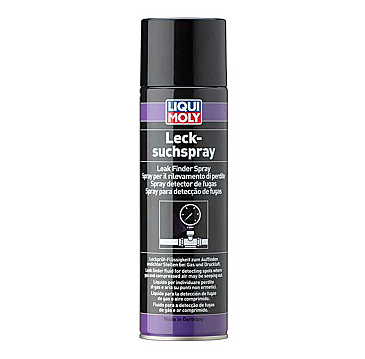
Credit: www.liqui-moly.com
Tools Needed
Checking a tire air leak with spray is an easy way to find holes. You only need a few simple tools.
These tools help you spot the leak quickly and fix it before it gets worse.
Choosing The Right Spray
Use a spray that creates bubbles when it touches air leaks. This helps you see small holes fast.
There are many sprays made for tire leaks. Pick one that is safe and easy to use.
- Soap and water mix is simple and cheap
- Commercial leak detection sprays last longer
- Choose sprays that do not harm the tire rubber
Additional Supplies
You need some extra supplies to check tire leaks well. These help you work safely and clearly.
- A spray bottle to apply soap and water or leak spray
- A clean cloth to wipe the tire surface
- A flashlight to see bubbles in dark areas
- Gloves to keep your hands clean and safe
- A tire pressure gauge to check air pressure before and after testing

Credit: www.liqui-moly.com
Preparing The Tire
Checking a tire for air leaks needs careful preparation. You must get the tire ready before using any spray.
Proper preparation helps find leaks quickly and safely. Start with cleaning the tire and then check its inflation.
Cleaning The Tire Surface
Remove dirt and grime from the tire surface. This allows the spray to stick and show bubbles where leaks exist.
- Use a brush to scrub off mud and dust.
- Rinse the tire with water and let it dry.
- Check for any old patches or damage.
Ensuring Proper Inflation
Inflate the tire to the recommended pressure before testing. This makes leaks easier to spot.
| Pressure Type | Recommended Range (PSI) |
| Car Tires | 30-35 |
| Bike Tires | 40-65 |
| Truck Tires | 50-80 |
Applying The Spray
Checking for tire air leaks with spray is a simple way to find small holes. The spray helps reveal where the air escapes by making bubbles.
Applying the spray correctly is important to find leaks fast. Use the right technique and focus on key areas of the tire.
Spraying Technique
Hold the spray can about 6 to 8 inches from the tire surface. Spray evenly to cover the area but do not soak it.
Spray slowly and watch for bubbles. If you spray too much, bubbles may merge and hide small leaks.
- Keep the can steady for even coverage
- Spray in small sections at a time
- Do not spray near hot engine parts
Areas To Focus On
Focus the spray on places where leaks often happen. Check the tire tread, sidewalls, and valve stem closely.
Inspect the area where the tire meets the rim. Air leaks often occur there because of poor sealing or damage.
- Tire tread and sidewalls for cuts or holes
- Valve stem and base for cracks or loose fittings
- Bead area where tire meets rim for gaps
Detecting The Leak
Checking a tire for air leaks is important for safe driving. Using a spray solution helps find leaks quickly and easily.
This guide explains how to detect leaks by looking for bubbles and understanding what they mean.
Identifying Bubble Formation
Spray the solution evenly on the tire surface, especially near the valve and tread. Watch closely for bubbles forming.
- Bubbles appear where air escapes from the tire.
- Small bubbles may show slow leaks.
- Large or fast-forming bubbles show bigger leaks.
- Check the entire tire surface, including sidewalls.
Interpreting Results
Understanding the bubble patterns helps decide if the tire needs repair or replacement.
| Bubble Type | Leak Size | Action Needed |
| Very small bubbles | Slow leak | Monitor and repair soon |
| Moderate bubbles | Medium leak | Repair immediately |
| Large bubbles | Fast leak | Replace tire or seek help |
| No bubbles | No leak | Tire is safe to use |
Next Steps After Finding A Leak
Finding a tire air leak with spray helps you know there is a problem. The next steps are important to keep you safe and avoid more damage.
You can try some temporary fixes before visiting a professional. Knowing when to get expert help is key.
Temporary Fixes
Temporary fixes can help you drive safely for a short time. Use them only to reach a repair shop.
Some common temporary fixes include using a tire sealant or inflating the tire properly.
- Apply tire sealant inside the tire to block small holes
- Inflate the tire to the correct pressure
- Use a spare tire if available
- Drive slowly and avoid long trips
When To Visit A Professional
Visit a professional if the leak is large or the tire loses air quickly. They can fix or replace the tire safely.
Also, get help if you are unsure about the damage or how to fix it properly.
- If the leak is near the sidewall of the tire
- If the tire pressure drops fast after a temporary fix
- If you hear a hissing sound from the tire
- If the tire has visible damage or cracks
- If you do not have the right tools or knowledge to fix it
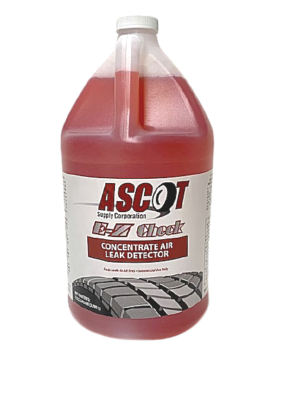
Credit: www.ebay.com
Preventing Future Leaks
Checking your tires regularly can help prevent air leaks. It’s simple and can save you money on repairs.
Maintaining your tires properly ensures they last longer and perform better. Follow these tips to keep them in top shape.
Regular Tire Inspections
Inspecting your tires often helps catch leaks early. You should check them at least once a month.
- Look for any visible damage or foreign objects.
- Ensure the tire tread is not too worn down.
- Listen for any hissing sounds indicating a leak.
Proper Tire Maintenance Tips
Keeping your tires in good condition prevents leaks. Follow these simple maintenance tips.
- Check tire pressure monthly using a reliable gauge.
- Rotate your tires every 6,000 to 8,000 miles.
- Balance your tires to reduce uneven wear.
| Maintenance Task | Frequency |
| Check Pressure | Monthly |
| Rotate Tires | 6,000-8,000 Miles |
| Balance Tires | As Needed |
Frequently Asked Questions
How Do I Check Tire Air Leaks With Spray?
Spray a soap and water mixture on the tire surface. Look for bubbles forming, which indicate air leaks. This method is quick, safe, and effective for finding leaks in tires.
What Type Of Spray Is Best For Tire Leak Detection?
A simple mixture of dish soap and water works best. Avoid harsh chemicals that can damage the tire rubber. The soap solution helps create visible bubbles where air escapes.
Can I Check Tire Leaks Without Removing The Tire?
Yes, you can spray the soapy water directly on the tire surface. Inspect the entire tire, including the sidewalls and tread, for bubbles. This avoids the need to remove the tire for inspection.
How Long Does It Take To Find A Tire Air Leak?
Usually, leaks become visible within a few minutes of spraying. Bubbles will form immediately at the leak site. The process is fast and can be done roadside or at home.
Conclusion
Checking a tire air leak with spray is quick and simple. Just spray the solution on the tire surface. Watch carefully for bubbles that show where air escapes. Fixing leaks early keeps your tires safe and lasts longer. Regular checks save money and prevent sudden flats.
Anyone can do this with a few easy steps. Keep your vehicle ready for the road by spotting leaks fast. Stay safe and enjoy smoother drives every time.







