
When you’re about to buy new tires, it’s easy to focus on the price or brand and overlook something crucial: the age of the tire. But did you know that even a tire that looks brand new can be too old to use safely?
Your safety and your vehicle’s performance depend on it. Knowing how to check the tire age before buying can save you from costly mistakes and keep you protected on the road. You’ll learn simple, quick steps to find out exactly how old a tire is—and why it matters more than you might think.
Keep reading to make sure your next set of tires is fresh, reliable, and ready to roll.
Why Tire Age Matters
Tires get old even if they are not used. Over time, the materials break down. This can cause problems when you drive.
Knowing the age of a tire before buying helps keep you safe and avoids future issues. It also affects how well the tire works.
Impact On Safety
Old tires can become weak and crack. This can cause blowouts or loss of control while driving. Safety is the main reason to check tire age.
- Rubber gets hard and less flexible over time
- Cracks appear on the tire surface
- Grip on wet roads decreases
- Risk of tire failure increases
Effect On Performance
Old tires do not perform like new ones. They affect your car’s handling and fuel efficiency. Checking tire age helps you get better performance.
| Performance Factor | New Tire | Old Tire |
| Grip on Road | High | Low |
| Fuel Efficiency | Optimal | Reduced |
| Comfort | Smooth Ride | Rough Ride |
| Noise Level | Low | High |
Legal And Warranty Considerations
Tire age can affect your warranty and legal rights. Many warranties do not cover tires older than a certain age. Laws may require tires to be replaced after some years.
Check these points before buying:
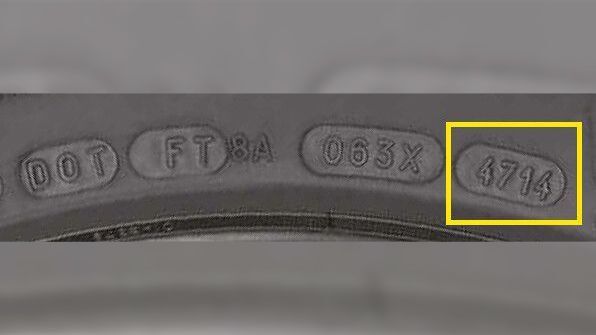
- Look for the DOT code on the tire sidewall.
- Find the last four digits showing week and year of manufacture.
- Confirm the tire is within the legal age limit.
- Ask if the warranty still applies based on tire age.

Credit: www.uniroyal-tyres.com
Locating The Tire Date Code
Knowing the age of a tire is important before buying it. Tires get old even if not used. The tire date code tells you when the tire was made.
This guide explains how to find and read the tire date code on different tires. You will learn what to look for and where to find it.
Dot Code Basics
The tire date code is part of the DOT code. DOT stands for Department of Transportation. The full DOT code is on the tire sidewall.
- The code starts with the letters “DOT”
- The last four digits show the week and year the tire was made
- For example, “2319” means the tire was made in the 23rd week of 2019
- Older tires may have only three digits for the date
Finding The Code On Different Tires
Tires have different shapes and sizes. The DOT code can appear in different places. Check both sides of the tire to find it.
| Tire Type | Where to Look |
| Passenger Car Tires | Sidewall near the rim |
| Light Truck Tires | Outer sidewall or inner sidewall |
| Trailer Tires | Sidewall with DOT letters |
| Spare Tires | Inside the trunk or on the sidewall |
Decoding The Tire Date
Knowing the age of a tire is important before buying it. Tires get weaker over time, even if they look new.
Each tire has a date code showing when it was made. This helps you avoid old tires that may be unsafe.
Understanding The Week And Year Format
The tire date code uses a four-digit number. The first two digits show the week of the year. The last two digits show the year of manufacture.
- The first two numbers range from 01 to 52, meaning the week.
- The last two numbers are the year, like 23 for 2023.
- For example, 2319 means the tire was made in the 23rd week of 2019.
Examples Of Date Codes
| Date Code | Meaning |
|---|---|
| 0118 | Made in the 1st week of 2018 |
| 4520 | Made in the 45th week of 2020 |
| 1222 | Made in the 12th week of 2022 |
| 5319 | Made in the 53rd week of 2019 (rare, extra week) |
Credit: www.michelin.ca
Signs Of Tire Aging
Tires get old over time, even if you do not use them much. Old tires can be unsafe and cause accidents.
Knowing how to check tire age helps you choose safe tires. Look for certain signs that show a tire is aging.
Visual Wear Indicators
Tires have built-in wear indicators inside the tread. These are small bars of rubber between tread grooves.
If the tread wears down to these bars, the tire is too old or used. It loses grip and should be replaced.
- Check tread depth near these bars
- Look for uneven wear on the surface
- Inspect if tread patterns are fading
Rubber Hardening And Cracks
Old tires may show cracks on the sidewalls or between treads. These cracks happen when rubber hardens.
Hard rubber cannot grip the road well. Cracks can cause air leaks or tire failure.
- Look for small cracks on tire edges
- Check if rubber feels stiff or brittle
- Notice any deep cuts or splits
Tips For Buying Used Tires
Buying used tires can save money, but it needs care. Checking tire age helps ensure safety.
Look closely at the tire’s history, damage, and condition before buying.
Checking Tire History
Find the tire’s manufacturing date on the sidewall. It shows the week and year made. Avoid tires older than six years.
- Locate the DOT code on the tire sidewall.
- Read the last four digits for week and year.
- Check for recalls or safety issues online.
- Ask the seller about previous use and storage.
Inspecting For Damage
Look for cracks, cuts, or bulges on the tire surface. These flaws can cause tire failure.
| Damage Type | What to Look For |
| Cracks | Fine lines or splits on the sidewall |
| Bulges | Raised areas or bubbles on the tire |
| Cuts | Deep grooves or tears in the rubber |
| Uneven Wear | Tread worn more on one side |
Balancing Age With Condition
Even if tires look fine, age lowers safety. Balance the tire’s age with its condition.
Use this checklist before buying:
- Check tire age is under six years.
- Inspect for visible damage or wear.
- Verify tread depth is safe (minimum 2/32 inch).
- Ask about tire storage conditions.
- Consider the tire brand and model reliability.
Storing Tires To Prevent Aging
Understanding how to store tires is important. Proper storage keeps them from aging too quickly.
Follow these steps to ensure your tires last longer and remain safe for use.
Ideal Storage Conditions
Good storage conditions are key to preserving tire life. Tires need specific conditions to avoid aging.
- Keep tires in a cool, dry place.
- Store them away from direct sunlight.
- Ensure the storage area is free from chemicals.
Avoiding Sunlight And Heat
Sunlight and heat can damage tire rubber. Avoid these factors to keep tires safe.
Avoid storing tires near windows or heat sources. UV rays and heat weaken the rubber, leading to cracks.
| Factor | Effect |
| Sunlight | Causes cracking |
| Heat | Accelerates aging |
| Chemicals | Degrades rubber |
Credit: www.michelin.ca
Frequently Asked Questions
How Do I Find The Tire Manufacturing Date?
Check the DOT code on the tire’s sidewall. The last four digits represent the week and year of manufacture. For example, “2519” means the 25th week of 2019.
Why Is Tire Age Important When Buying?
Older tires can degrade, causing safety risks like reduced grip and increased blowout chances. Newer tires ensure better performance and durability.
Can I Use Tires Older Than 5 Years?
It’s generally not recommended. Tires older than five years can have dry rot and weakened rubber, impacting safety and performance.
What Does Dot Code Mean On Tires?
DOT stands for Department of Transportation. This code shows the tire meets safety standards and includes the tire’s manufacturing date.
Conclusion
Checking tire age protects your safety on the road. Tires older than six years may lose grip and strength. Always find the DOT code on the tire sidewall. The last four digits tell the week and year made. Avoid buying tires with unclear or missing codes.
Fresh tires give better performance and last longer. Take a moment to check before you buy. It helps you avoid costly mistakes and keeps you safe. Trust your eyes and knowledge for a smart purchase. Safe driving starts with good tires.







