
Have you ever wondered if your car is being tracked without you knowing? It’s a concern that can make anyone feel uneasy.
Knowing how to check if your car has a GPS tracker is not just smart—it’s essential for your privacy and peace of mind. You’ll discover simple, practical steps to find hidden trackers quickly. By the end, you’ll feel confident and in control of your own vehicle.
Keep reading to protect what’s yours.

Credit: spytec.com
Signs Of A Gps Tracker
Many people want to know if their car has a GPS tracker. A GPS tracker can follow your car’s location all the time. It is important to spot signs that show if your vehicle has one.
Some signs are easy to find. Others need more attention. Look for unusual things in and around your car to check for a GPS tracker.
Unusual Wires Or Devices
Check under the dashboard, seats, and engine area for extra wires. GPS trackers need power, so they are often connected to the car’s electrical system.
Look for small boxes or devices that seem out of place. These can be GPS trackers hidden in your car.
- Loose or extra wires under the dashboard
- Small black or grey boxes attached to the car
- Devices taped or fixed near the battery or fuse box
Battery Drain Issues
A GPS tracker uses your car’s battery to work. If you notice your battery drains faster than usual, a tracker could be the cause.
Frequent dead battery or needing to jump-start your car can be a sign. Trackers may keep running even when the car is off.
- Battery dies quickly without clear reason
- Car needs jump-starts more often
- Electrical problems with no obvious cause
Suspicious Antennas
GPS trackers often have small antennas to send signals. These antennas can look different from normal car parts.
Check the roof, trunk, or under the car for extra antennas. They may be small and hard to see but look for anything unusual.
- Small antennas not part of the car’s design
- Wires leading to antennas in odd places
- Antennas near the rear bumper or wheel wells
Common Gps Tracker Locations
Many car owners want to know if their vehicle has a GPS tracker. These devices can be hidden in various spots around the car. Knowing common locations helps you find one if it is installed.
GPS trackers are small and easy to hide. They are usually placed where they are hard to see but still get a GPS signal. Let’s look at some common places to check.
Under The Dashboard
The area under the dashboard is a popular spot for GPS trackers. It offers a hidden space near the car’s power source. Trackers placed here are easy to connect to the battery.
- Look around the driver’s side footwell.
- Check behind panels and under covers.
- Use a flashlight to see into dark spaces.
Inside Wheel Wells
Wheel wells can hide GPS trackers well. They provide a metal cover that can block detection devices. The tracker must be waterproof to survive here.
| Tip | Reason |
|---|---|
| Use a mirror | See hidden spots without crawling under |
| Look for unusual objects | Trackers may look different from car parts |
| Check for wires | Trackers need power to work |
Beneath The Vehicle
Some trackers attach to the underside of the car. They stick to the metal frame or suspension parts. Look for small boxes or devices stuck with magnets.
- Park on a flat surface and look under the car.
- Use a flashlight for better visibility.
- Search near the gas tank and exhaust system.
Under The Seats
Trackers may be hidden under car seats. They can be taped to the seat frame or tucked in seat covers. This spot hides the device from easy view.
- Move the seats forward and backward to check all areas.
- Look under both front and back seats.
- Feel for small boxes or unusual shapes.
Using A Gps Detector
Many cars may have hidden GPS trackers installed without the owner knowing. A GPS detector helps you find these devices quickly and safely.
This guide shows you how to choose a good detector, scan your car, and understand the signals it gives.
Choosing The Right Detector
Select a GPS detector that fits your needs and budget. Look for one that can detect both active and passive GPS trackers.
- Check the detector’s frequency range
- Look for easy-to-read signal indicators
- Choose a portable and lightweight model
- Consider battery life for longer scans
- Read user reviews for reliability
How To Scan Your Car
To scan your car, first turn off all electronic devices inside. This reduces interference and helps the detector work better.
Slowly move the detector around your car’s interior and exterior, paying close attention to hidden spots.
- Start by scanning under the seats and inside the glove compartment
- Check the dashboard and behind panels
- Scan under the vehicle and near the bumpers
- Look around the trunk and spare tire area
- Listen for detector signals at each spot
Interpreting Detector Signals
GPS detectors give signals like lights or sounds. Knowing what these mean helps you find hidden trackers.
| Signal Type | Meaning |
| Weak Signal | Device might be far or shielded |
| Strong Signal | Device is close or active |
| Continuous Beeping | Likely a GPS tracker detected |
| Flashing Light | Detector is searching or in standby |
Physical Inspection Tips
Checking if your car has a GPS tracker can be done by looking in some key areas. You do not need special tools to start this inspection.
Look carefully for small devices or wires that seem out of place. These tips will help you find common hidden spots.
Checking The Obd-ii Port
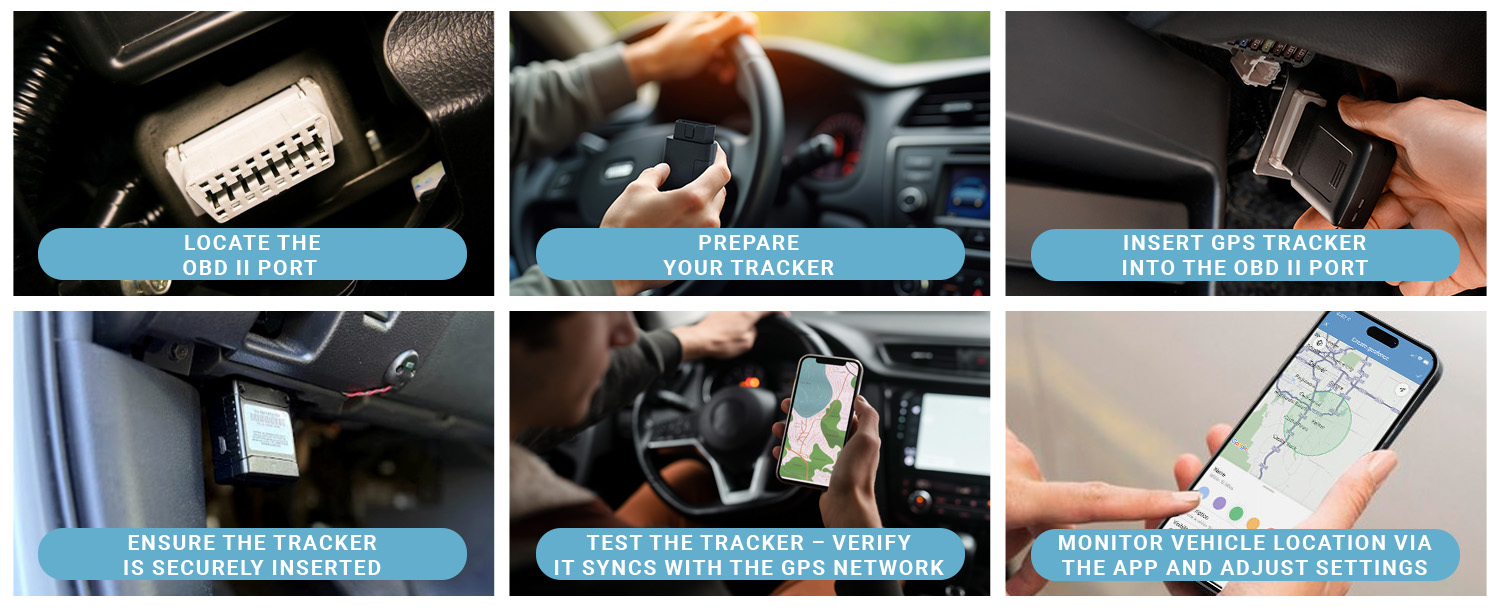
The OBD-II port is a common place to install GPS trackers. It is usually under the dashboard on the driver’s side.
Look for any device plugged into this port that you did not install. Some GPS trackers are small and black or grey.
- Locate the OBD-II port under the dashboard.
- Check for any devices plugged into the port.
- Look for wires leading away from the port.
Inspecting The Fuse Box
The fuse box holds many electrical connections. Some trackers connect here to power the device.
Open the fuse box and look for unusual devices or extra wires. Be careful not to damage any fuses.
- Find the fuse box, often under the dashboard or hood.
- Look for added devices or taped wires inside.
- Check if any fuses have unusual wiring.
Examining The Vehicle’s Undercarriage
The undercarriage is a hidden spot for GPS trackers. These devices are often attached with magnets to metal parts.
Use a flashlight to look under the car. Search for small boxes or wires stuck to the frame or exhaust.
- Park the car on a flat surface and look underneath.
- Check the frame, exhaust pipe, and wheel wells.
- Look for small boxes or wires attached by magnets.
Electronic Methods To Identify Trackers
Finding out if your car has a GPS tracker can be done using electronic tools. These methods use technology to detect hidden devices. You do not need to open your car or call a professional first.
This guide explains two common electronic ways: using smartphone apps and detecting radio frequency signals. Both can help you find trackers quickly and safely.
Using Smartphone Apps
Smartphone apps can scan your car for GPS trackers. These apps use your phone’s sensors to find suspicious devices. They are easy to use and give quick results.
- Download a tracker detection app from your app store.
- Turn on Bluetooth and location services on your phone.
- Walk around your car slowly while scanning with the app.
- The app will alert you if it finds a nearby tracking device.
- Check the areas under the seats, inside the dashboard, and near the wheels.
Detecting Radio Frequency Signals
GPS trackers send radio signals. You can use a radio frequency (RF) detector to find these signals. This device helps locate hidden trackers by showing signal strength.
| Step | Action |
| 1 | Turn off all electronics in your car. |
| 2 | Turn on the RF detector and set it to scan. |
| 3 | Move the detector slowly around your car’s inside and outside. |
| 4 | Watch the signal meter for spikes or strong signals. |
| 5 | Focus on areas where trackers hide, like under seats or inside panels. |
Credit: www.brickhousesecurity.com
Steps To Take If A Tracker Is Found
Finding a GPS tracker in your car can be alarming. Knowing the right steps can help you handle the situation safely and responsibly.
This guide will walk you through what to do if you discover a GPS tracker. Follow these steps to ensure your safety and protect your privacy.
Removing The Device Safely
Before removing the tracker, ensure it is safe to do so. Check if the device is connected to any power source or wires.
If you are unsure, seek professional help. A mechanic or security expert can remove the device without causing damage.
Notifying Authorities
Contact local law enforcement once you find a GPS tracker. They can help investigate and determine the purpose of the device.
Provide authorities with any details you have about the tracker. This information can assist in their investigation.
Protecting Your Privacy
After removing the tracker, take steps to protect your privacy. Regularly check your car for any unusual devices or changes.
Consider installing a security system in your vehicle. This can help prevent future unauthorized tracking.
- Inspect your car regularly for new devices.
- Install a car alarm or security cameras.
- Stay informed about tracking technologies.

Credit: spacehawkgps.com
Frequently Asked Questions
How To Identify A Gps Tracker In Your Car?
Look for small black boxes under the dashboard or near the car’s battery. Use a GPS signal detector or scan for unusual wires. Check for blinking lights or ask a professional to inspect your vehicle.
Can My Car’s Gps Tracker Be Detected By Phone Apps?
Some apps can detect GPS signals, but they may not always work. Specialized GPS tracker detectors are more effective and reliable for finding hidden devices in your car.
Are Gps Trackers Harmful To My Car’s Battery?
Most GPS trackers consume very little power and don’t harm your car’s battery. However, poorly installed or faulty devices might drain the battery faster. Regular inspections can prevent battery issues.
Why Would Someone Install A Gps Tracker On My Car?
GPS trackers are used for vehicle security, fleet management, or monitoring teen drivers. However, unauthorized tracking can be invasive and illegal. Always check your car if you suspect unauthorized devices.
Conclusion
Checking your car for a GPS tracker is simpler than you think. Start by looking around common hiding spots. Use a GPS detector if you want extra help. Remember, knowing about a tracker helps protect your privacy. Stay calm and take your time during the search.
Regular checks keep you aware of any new devices. Trust your instincts if something feels off in your car. Taking these steps gives you peace of mind on the road.







