
Do you ever wonder if someone might be secretly tracking your car? Finding a hidden GPS tracker can be tricky, but it’s important for your privacy and peace of mind.
You’ll learn simple and effective ways to check your car for any GPS devices. By the time you finish reading, you’ll know exactly what to look for and how to protect yourself. Keep reading—you deserve to feel safe every time you hit the road.

Credit: spacehawkgps.com
Signs Of A Hidden Gps Tracker
Hidden GPS trackers can be placed on your car without your knowledge. These devices let others track your location. It is important to know the signs to find them.
Checking for unusual changes in your car can help you spot a GPS tracker early. Look carefully in common hiding places and notice anything strange.
Unusual Wiring Or Devices
Hidden GPS trackers often need power from your car’s electrical system. This means extra wires or small devices might be attached to your car.
Look under the dashboard, near the fuse box, and around the engine. Check for wires that seem out of place or devices you don’t recognize.
- Loose or extra wires under the dashboard
- Small black boxes attached to wiring
- Devices hidden near the battery or fuse box
Battery Drain Issues
A GPS tracker uses your car battery for power. If you notice your battery draining faster than usual, a hidden tracker might be the cause.
Keep an eye on your battery health and charging. Unexpected battery problems can be a sign of an unauthorized device.
- Battery dies quickly without reason
- Car needs frequent jump-starts
- Battery warning lights appear often
Strange Sounds Or Lights
Some GPS trackers may emit faint sounds or show small LED lights. These can be clues that a tracker is nearby.
Listen for unusual buzzing or beeping noises inside your car. Check for small blinking lights in hidden areas like under seats or panels.
- Soft buzzing or clicking noises
- Small blinking LED lights in dark places
- Unexplained sounds when car is off
Common Gps Tracker Locations
Many cars have GPS trackers hidden in different spots. These devices can be hard to find. Knowing where trackers usually hide helps you check your car better.
GPS trackers are small and easy to hide. They need power and a clear signal. This limits where they can be placed on a vehicle.
Underneath The Vehicle
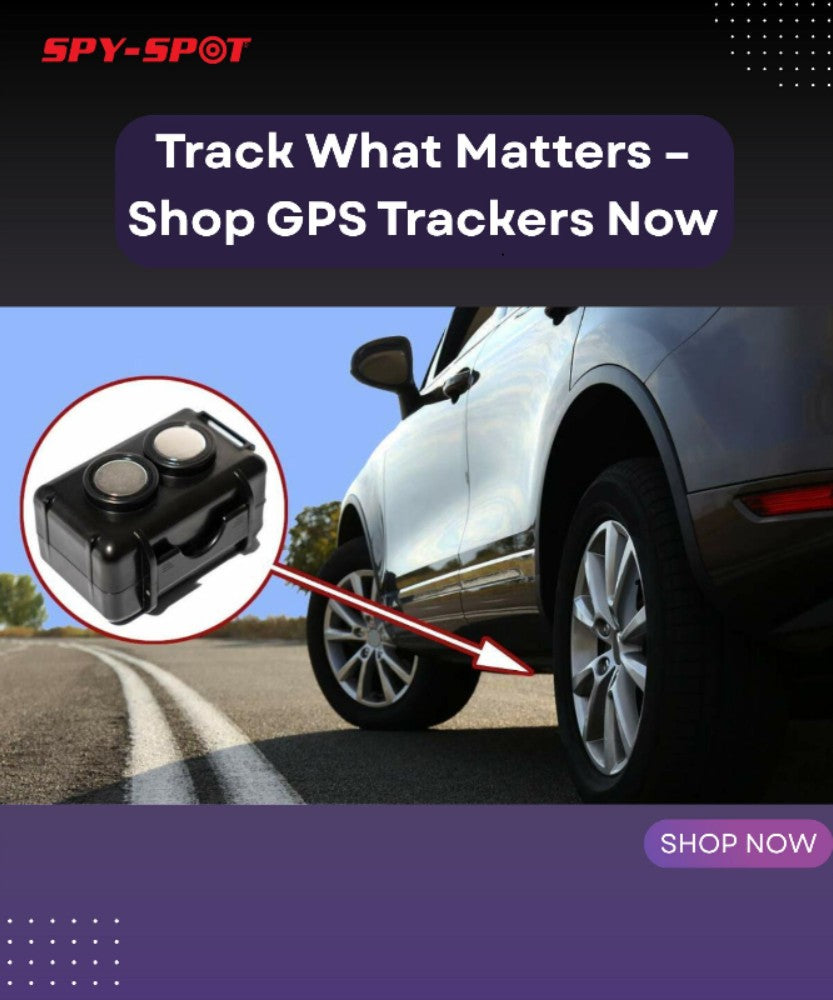
Trackers often hide under the car. They attach to metal parts with magnets. This location keeps them out of sight but still working well.
- Look under the front and rear bumpers
- Check near the exhaust pipe
- Inspect around the frame rails
- Use a flashlight to spot small devices
Inside The Dashboard
The dashboard area is a common place for trackers. They hide behind panels or under the glove box. This spot has easy access to power from the car’s wiring.
| Location | Why Trackers Hide Here |
| Behind the dashboard panels | Close to power and hard to see |
| Under the glove compartment | Easy to connect to wiring |
| Inside the fuse box area | Power source and hidden space |
Around The Wheels And Bumpers
Trackers can also hide near wheels and bumpers. These spots are less obvious but still give good GPS signal and power access.
Common hiding spots include:
- Inside wheel wells
- Behind bumper covers
- Near the suspension parts
- Under mud flaps
Always check carefully because trackers are small and blend in with these parts.
Tools For Detecting Gps Trackers
Finding a hidden GPS tracker on your car is important for privacy and safety. There are different tools you can use to detect these devices. Some tools scan for signals, while others help you find physical trackers.
This guide covers three common methods: using a GPS detector, checking with a magnet and flashlight, and scanning with mobile apps.
Using A Gps Detector
A GPS detector is a device made to find hidden trackers. It scans for radio signals that GPS trackers send out. These detectors can find both active and passive trackers.
- Turn off your car’s engine to reduce signal noise.
- Slowly walk around the car with the GPS detector.
- Focus on common hiding spots like under the bumper or inside wheel wells.
- If the detector beeps or shows a signal, inspect that area closely.
Magnet And Flashlight Inspection
Many GPS trackers have magnets to attach under cars. You can use a strong magnet and flashlight to find them. The flashlight helps spot small devices in dark or hidden areas.
| Tool | Purpose |
| Strong Magnet | Detect metal parts of GPS trackers |
| Flashlight | Illuminate dark or hidden spots |
| Inspection Gloves | Protect hands while checking under the car |
Check under the car, around wheel wells, and near the bumper. Move the magnet slowly and feel for any magnetic pull that is unusual.
Mobile Apps To Scan Signals
Several mobile apps can scan for signals from GPS trackers. These apps use your phone’s Bluetooth or radio frequency sensors to detect nearby devices.
- Download a trusted signal scanning app.
- Turn off other Bluetooth devices to reduce interference.
- Walk around your car slowly with the app running.
- Look for unfamiliar or unknown devices listed by the app.
Step-by-step Inspection Process
Checking your car for a GPS tracker is important for privacy and security. This guide helps you find any hidden trackers step by step.
Use simple tools and careful observation to inspect your vehicle. Follow these steps to detect any tracking devices.
Visual Inspection
Start by looking around your car’s exterior and interior. GPS trackers are often small and hidden in common spots.
Check areas like under the car, inside wheel wells, and behind bumpers. Inside the car, look under seats and inside the glove compartment.
- Look for unusual boxes or devices attached to wires
- Check under the dashboard and seats for small gadgets
- Inspect inside the trunk and spare tire area
- Use a flashlight to see hard-to-reach places
Electronic Signal Scan
GPS trackers send signals to satellites or cell towers. You can detect these signals with special tools.
Use a radio frequency (RF) detector to scan your car. These devices alert you if they find active signals from trackers.
- Turn off all electronics in the car
- Slowly scan areas around the car and inside
- Pay attention to beeping or flashing lights on the detector
- Mark any spots with strong signals for further checking
Professional Help And Services
If you cannot find a tracker, consider getting professional help. Experts have better tools and experience to detect hidden devices.
Security companies and mechanics can perform thorough inspections. They can remove any trackers found and explain how to protect your car.
- Search for local security or vehicle inspection services
- Ask about their experience with GPS tracker detection
- Schedule a full vehicle scan with their equipment
- Follow their advice to keep your car secure
Removing And Disabling Gps Trackers
GPS trackers can be hidden in many parts of a car. They send location data to someone else. Knowing how to find and remove them helps protect your privacy.
Removing or disabling these devices requires care. You must avoid damage to your car. Also, it is important to know legal rules about GPS trackers.
Safe Removal Techniques
First, turn off your car and find a well-lit area. Look under the car, inside the wheel wells, and around the bumper. Check inside the dashboard and under seats.
Use a flashlight to spot small devices or wires. If you find a tracker, gently disconnect its power source. Do not pull on wires roughly. Use tools like screwdrivers or pliers carefully.
- Turn off the car before starting
- Use a flashlight for better visibility
- Check common hiding spots: under car, dashboard, seats
- Disconnect power carefully without pulling wires
- Use proper tools like screwdrivers if needed
Legal Considerations
In some places, removing a GPS tracker can have legal consequences. Some devices belong to police or employers and must not be removed. Know the laws in your area before you act.
If you believe someone placed a tracker illegally, contact the police. Keep any evidence safe. Do not try to destroy a tracker without legal advice.
- Check local laws about GPS trackers
- Do not remove police or employer devices without permission
- Report illegal tracking to authorities
- Keep evidence safe for legal use
- Seek legal advice before destroying devices
Preventive Measures For The Future
To avoid hidden trackers, inspect your car regularly. Use a GPS tracker detector device to scan for signals. Park in secure, well-lit places to reduce risks.
Cover your car with a signal jammer when parked if allowed by law. Change parking spots often. Keep your car locked to prevent someone from placing a tracker.
- Inspect your car regularly for trackers
- Use a GPS signal detector for scanning
- Park in secure and well-lit areas
- Consider a signal jammer if legal
- Keep your car locked at all times
Credit: spy-spot.com
Credit: www.brickhousesecurity.com
Frequently Asked Questions
How Can I Detect A Gps Tracker On My Car?
Check your car’s exterior and interior for unusual devices or wires. Use a GPS detector or mobile apps to scan for signals. Inspect under bumpers, wheel wells, and inside the glove box for hidden trackers.
Where Are Gps Trackers Usually Hidden On Vehicles?
Trackers are often hidden under bumpers, inside wheel wells, or beneath the dashboard. They may also be placed in the glove compartment or attached to the car’s frame.
Can My Smartphone Detect A Car Gps Tracker?
Yes, some apps can detect Bluetooth or radio frequency signals emitted by GPS trackers. However, smartphone detection is limited and may miss trackers using advanced technology.
What Tools Help Find Hidden Gps Trackers In Cars?
A GPS signal detector or RF (radio frequency) scanner is most effective. These devices locate active trackers by detecting their signal transmissions.
Conclusion
Checking your car for a GPS tracker is important for privacy and safety. Start by inspecting common hiding spots like under the dashboard or inside wheel wells. Use a strong flashlight and a magnet to help find hidden devices. Listen for unusual sounds or use a detector if possible.
Taking these steps keeps you aware and in control of your vehicle. Staying cautious helps protect your personal information and peace of mind. Regular checks make sure no tracker goes unnoticed. Stay safe and confident on the road.







