
Have you ever wondered how to turn your love for cars into a rewarding career? Becoming a car detailer might be the perfect path for you.
Imagine transforming dull, dirty vehicles into shining masterpieces and getting paid for it. This job lets you work with your hands, learn valuable skills, and build a steady income. Ready to discover the simple steps that can help you start your journey as a car detailer?
Keep reading, and you’ll find out exactly what you need to know to get started and succeed.
Skills Needed For Car Detailing
Car detailing requires a set of specific skills to do the job well. These skills help detailers clean and restore cars to a high standard.
Below are key skills every car detailer should have to succeed in this field.
Attention To Detail
Car detailers must notice small dirt spots and scratches. Paying close attention helps them clean every part of the car.
- Inspect the car carefully before cleaning
- Use the right tools for each part
- Check for missed spots after cleaning
- Follow cleaning steps in order
Physical Stamina
Detailing cars takes physical effort. Detailers spend hours standing, bending, and moving around the vehicle.
| Task | Physical Demand |
| Washing and rinsing | Moderate |
| Vacuuming interior | Low |
| Polishing and waxing | High |
| Cleaning under the seats | High |
Customer Service Skills
Good communication helps detailers understand what the customer wants. Friendly service builds trust and repeat business.
- Listen carefully to customer needs
- Explain services clearly
- Be polite and respectful
- Handle complaints calmly

Credit: www.youtube.com
Essential Tools And Products
Becoming a car detailer requires the right tools and products. These help clean, polish, and protect vehicles effectively.
Using quality supplies and gear makes the job safer and delivers better results. Below are key items every detailer needs.
Cleaning Supplies
Cleaning removes dirt, dust, and grime from the car’s surface and interior. Detailers use various products for this task.
- Car wash soap that is gentle on paint
- Microfiber towels to avoid scratches
- Wheel cleaner for brake dust and road grime
- Glass cleaner for clear windows
- Vacuum cleaner for interior dirt and debris
- Brushes for tight spaces and upholstery
Polishing And Buffing Equipment
Polishing and buffing restore shine and remove minor scratches. Different machines and products serve these purposes.
| Tool | Purpose | Notes |
| Dual action polisher | Safe for beginners, reduces swirl marks | Best for even polishing |
| Rotary buffer | Powerful for heavy correction | Needs skill to avoid damage |
| Polishing pads | Apply polish and compounds | Different sizes and materials |
| Polish and compound | Remove scratches and oxidation | Use with care |
Protective Gear
Protective gear keeps detailers safe and comfortable during work. It also helps avoid accidents and exposure to chemicals.
- Gloves to protect hands from chemicals
- Safety glasses for eye protection
- Face masks to avoid inhaling dust and fumes
- Knee pads for comfort while working low
- Apron or coveralls to keep clothes clean
Step-by-step Detailing Process
Car detailing is a careful cleaning and restoration process. It brings back the car’s look inside and out. This guide explains the main steps involved in detailing a car properly.
Each part of the car needs special attention. Follow the steps below to clean the exterior, interior, correct the paint, and protect the surfaces.
Exterior Cleaning
Start with washing the car’s outside. Remove dirt, dust, and grime from all surfaces. Use a gentle soap made for cars and soft cloths or sponges.
- Rinse the car with water to remove loose dirt
- Apply car shampoo with a sponge or mitt
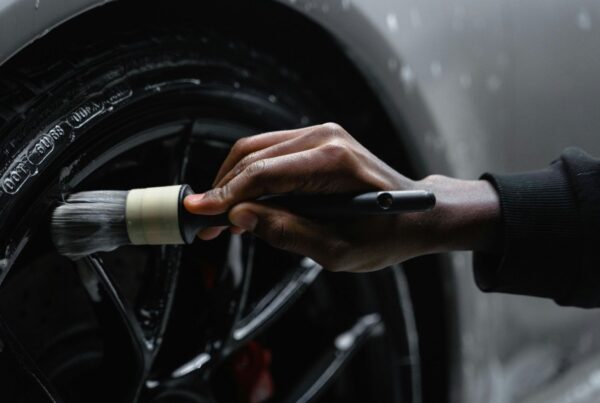
- Clean wheels and tires with a brush
- Rinse thoroughly to remove soap
- Dry the car with a microfiber towel to avoid water spots
Interior Cleaning
Clean the inside of the car carefully. Remove trash and vacuum seats and carpets. Wipe all surfaces with proper cleaning products.
- Remove floor mats and clean separately
- Vacuum seats, carpets, and floor
- Use a brush for tight spaces and vents
- Wipe dashboard, doors, and center console
- Clean windows inside with glass cleaner
Paint Correction
Fix paint imperfections like scratches or swirl marks. Use polish and sometimes a machine buffer. This step improves the shine and smoothness of the paint.
| Type of Paint Issue | Correction Method |
| Light Swirl Marks | Use light polish with microfiber pad |
| Minor Scratches | Use medium polish with buffer |
| Deep Scratches | Professional sanding and repainting |
Waxing And Sealing
Protect the paint after correction. Apply wax or sealant to add shine and guard against dirt and weather. Use a soft cloth or applicator pad to spread evenly.
- Choose between wax or paint sealant
- Apply a small amount on a clean applicator
- Spread evenly over the surface in circular motions
- Let it dry to a haze
- Buff with a clean microfiber towel
Credit: ceramicpro.com
Training And Certification Options
Becoming a car detailer requires learning key skills and gaining experience. Training helps you work safely and efficiently.
Certifications prove your knowledge and can improve job opportunities. There are different ways to train and get certified.
Online Courses
Online courses teach car detailing basics through videos and reading materials. You can learn at your own speed.
These courses cover cleaning techniques, product use, and safety tips. They are a good start for beginners.
- Flexible schedule for learning
- Access to expert instructors
- Often include quizzes and tests
Hands-on Workshops
Workshops give practical experience under expert guidance. You practice cleaning, polishing, and protecting cars.
These sessions help build confidence with tools and products. They also teach how to handle different car surfaces.
- Live demonstrations
- Personal feedback from trainers
- Networking with other detailers
Industry Certifications
Certifications show you meet industry standards. They increase trust with customers and employers.
Certifying organizations test your skills and knowledge. Certificates may need renewal to keep them valid.
- Certified Detailing Technician (CDT)
- Automotive Service Excellence (ASE) Detailer
- Manufacturer-specific certifications
Starting Your Detailing Business
Starting a car detailing business can be a good way to earn money. You clean and polish cars to make them look new. This guide helps you plan your business and attract customers.
Focus on key areas like planning, marketing, and setting prices. Each part is important for your success.
Business Planning
Before you start, write a simple business plan. Think about what services you will offer. Decide if you work from home or rent a space.
List the tools and supplies you need. Set goals for how many cars you want to detail each week.
- Define your service area
- Choose your target customers
- Plan your daily work schedule
- Prepare a budget for equipment
- Set short and long-term goals
Marketing Strategies
Tell people about your business to get customers. Use simple marketing ideas that cost little money. Word of mouth is very helpful.
Try handing out flyers or posting on local social media groups. Give discounts to first-time customers to attract them.
- Create a clear, easy-to-read flyer
- Join local online groups and post offers
- Ask happy customers to share reviews
- Offer special deals for new clients
- Partner with local car shops for referrals
Pricing Your Services
Set fair prices that cover your costs and pay you well. Look at what other detailers in your area charge. Adjust prices based on service type.
Offer different packages, like basic wash or full detail. Make it easy for customers to choose.
| Service Type | Price Range |
|---|---|
| Basic Wash | $20 – $40 |
| Interior Cleaning | $50 – $100 |
| Full Detail | $100 – $200 |
| Extra Services | $10 – $50 |
Building A Client Base
Becoming a successful car detailer means having a strong client base. Attracting and keeping customers is key to growing your business.
Focus on building relationships with clients. This helps your business thrive and grow over time.
Networking Tips
Networking is important for finding new clients. Connect with others to grow your business.
- Attend local car shows and events
- Join car enthusiast groups or clubs
- Partner with related local businesses
Customer Retention
Keeping your clients happy makes them come back. Happy clients tell others about your services.
- Offer loyalty discounts or packages
- Provide excellent customer service
- Follow up with clients after each service
Leveraging Social Media
Social media is a powerful tool for reaching more people. Use it to show your work and attract new clients.
- Post before and after photos of your work
- Engage with followers by responding to comments
- Share customer testimonials and success stories
Common Challenges And Solutions
Becoming a car detailer can be rewarding. There are challenges that come with the job. Knowing how to handle them is key.
Here we discuss common problems you might face. We also provide simple solutions to tackle them.
Dealing With Difficult Stains
Stains are a common issue in car detailing. Some stains can be very tough to remove. It takes patience and the right products.
Always test a small area first. Use stain removers that are safe for car interiors. Be gentle to avoid damage.
- Use a microfiber cloth for scrubbing
- Apply the cleaner and let it sit for a few minutes
- Rinse the area with clean water
Managing Time Effectively
Time management is vital in car detailing. Detailers must work efficiently to meet deadlines. Planning your tasks helps save time.
Create a checklist for each car. Prioritize tasks based on their importance. This helps in completing jobs faster.
- Start with the dirtiest areas first
- Keep tools organized for quick access
- Set time limits for each task
Handling Customer Expectations
Customers expect quality results from car detailers. Clear communication is essential. Explain what they can expect from your service.
Listen to customer needs and concerns. Keep them informed about the process. This builds trust and satisfaction.
- Provide realistic timelines for completion
- Offer a walk-through after the job is done
- Ask for feedback to improve services

Credit: www.youtube.com
Frequently Asked Questions
What Skills Are Needed To Become A Car Detailer?
Car detailers need attention to detail, patience, and good hand-eye coordination. Knowledge of cleaning products and techniques is essential. Physical stamina helps with long hours. Communication skills are valuable for customer service.
How Long Does It Take To Become A Car Detailer?
Becoming a car detailer can take a few weeks to months. Training varies by program or employer. Hands-on experience is crucial and can speed up skill development. Continuous learning improves expertise over time.
What Tools Do Car Detailers Commonly Use?
Car detailers use microfiber cloths, polishers, vacuum cleaners, brushes, and cleaning chemicals. Each tool targets specific vehicle areas for effective cleaning. Proper tool use ensures high-quality results and customer satisfaction.
Is Certification Necessary For Car Detailing?
Certification is not mandatory but enhances credibility and job prospects. Many programs offer training and certification in detailing techniques. Certified detailers often command higher pay and trust from clients.
Conclusion
Becoming a car detailer takes time and effort. Start by learning the basics well. Practice cleaning and polishing cars often. Build your skills step by step. Use good tools and products for best results. Share your work to get feedback and improve.
Stay patient and keep working hard. This job can bring steady income and satisfaction. Keep growing your knowledge and experience daily. Success comes from dedication and care. You can do it!







