
Are you worried about waking up to flat spots on your tires after storage? Flat spots can ruin your ride and cause annoying vibrations when you hit the road again.
But here’s the good news: with the right steps, you can keep your tires in perfect shape, ready to roll smoothly whenever you need them. You’ll discover simple and effective ways to avoid flat spots during tire storage. Keep reading to protect your investment and enjoy a safer, smoother drive every time.

Credit: www.amazon.com
Causes Of Tire Flat Spots
Tire flat spots happen when tires stay in one place too long. The tire tread flattens against the ground. This can cause bumps and vibrations when driving.
Several factors cause flat spots during storage. Understanding these helps protect your tires better.
Impact Of Long-term Pressure
When a tire holds the vehicle’s weight without moving, pressure stays on one spot. This pressure compresses the rubber and causes flat areas.
- Pressure from the car pushes the tire down.
- The tire loses its round shape in that spot.
- Long storage time makes the flat spot worse.
- Low tire pressure increases the chance of flat spots.
Effects Of Temperature Changes
Temperature changes can harden or soften tire rubber. Cold temperatures make tires stiff and less flexible. Warm temperatures can cause the rubber to expand and then shrink.
| Temperature Condition | Effect on Tire |
| Cold | Rubber hardens and cracks more easily |
| Warm | Rubber softens and may deform |
| Fluctuating | Repeated shrinking and expanding causes damage |
Role Of Vehicle Weight
The vehicle’s weight presses down on the tires. Heavy vehicles cause more flat spots. The weight stays on the same tire area during storage.
Tips to reduce flat spots caused by vehicle weight:
- Use jack stands to lift the vehicle off tires.
- Store tires in a cool, dry place.
- Rotate tires periodically if the vehicle is stored for long.
- Keep tires inflated to the recommended pressure.
Credit: www.cover-company.com
Ideal Storage Conditions
Storing tires properly helps prevent flat spots. Flat spots happen when tires stay in one place too long.
Keeping tires in the right conditions protects their shape and life. The main things to control are temperature, humidity, light, and air flow.
Temperature And Humidity Control
Keep tires in a cool, dry place. Avoid places that get very hot or cold. Extreme heat can make tires soft and flat spots easier.
Humidity can damage tires if it is too high. Moisture can cause tire rubber to weaken or crack. Aim for low humidity levels.
- Store tires between 50°F and 77°F (10°C and 25°C)
- Keep humidity below 50% if possible
- Use a dehumidifier in damp areas
- Avoid places near heaters or direct sunlight
Proper Lighting And Ventilation
Store tires away from direct light. Sunlight and strong lights can harm tire rubber. UV rays cause tires to dry out and crack.
Good air flow helps keep tires dry and fresh. Poor ventilation can cause mold or mildew. Keep air moving but avoid cold drafts.
- Keep tires in a dark or shaded area
- Use curtains or covers to block light
- Store tires in a well-ventilated room
- Use fans if air circulation is low
Preparing Tires For Storage
Proper tire storage helps avoid flat spots and damage. Taking simple steps can keep your tires in good shape.
Clean, check, and protect your tires before storing them. This guide shows how to prepare tires safely.
Cleaning And Drying Tires
Remove dirt and brake dust with soap and water. Use a soft brush to avoid damage.
Dry tires completely with a clean cloth. Moisture can cause rubber to degrade during storage.
Checking Tire Pressure
Check tire pressure before storing. Proper inflation keeps the tire shape intact.
- Use a reliable pressure gauge for accuracy.
- Inflate tires to the recommended pressure on the sidewall.
- Recheck pressure after a few days if possible.
Using Tire Protectants
Apply tire protectant to guard against UV rays and cracks. Choose a product made for rubber care.
| Protectant Type | Purpose | Application Tips |
| Water-based | Keeps rubber soft and clean | Apply with a sponge, avoid excess |
| Silicone-based | Provides shine and UV protection | Use sparingly to prevent slipperiness |
| Spray protectants | Easy coverage, quick drying | Spray evenly, wipe off excess |

Credit: www.reddit.com
Best Storage Methods
Storing tires properly keeps them in good shape. It helps avoid flat spots that harm performance.
Choose the right method to keep tires safe during storage. This guide explains key tips.
Storing Tires Vertically Vs. Horizontally
Store tires vertically to avoid pressure on one side. This reduces flat spots. Horizontal storage can cause uneven weight and tire damage.
- Vertical storage keeps shape better
- Horizontal storage adds pressure points
- Rotate tires regularly if stored horizontally
Using Tire Racks
Tire racks hold tires off the ground and keep them upright. They help air circulate and prevent tire damage. Racks also save space.
| Type of Rack | Benefit |
| Wall-Mounted | Saves floor space and keeps tires vertical |
| Free-Standing | Easy to move and store multiple tires |
| Stacking Racks | Keeps tires separated to avoid flat spots |
Avoiding Direct Floor Contact
Keep tires off cold or damp floors to protect rubber. Use pallets, boards, or mats under tires. This prevents moisture damage and flat spots.
- Place tires on wood or plastic pallets
- Use thick mats if pallets are not available
- Keep storage area dry and clean
Rotating Tires During Storage
Flat spots can form on tires if they stay in one position too long. Rotating tires during storage helps avoid these flat spots. This keeps the tires in good shape and ready to use.
Rotating tires moves the pressure points and prevents damage. It is a simple step that protects your tires over time.
Frequency Of Rotation
Rotate your tires every few weeks during storage. This keeps the tires from staying in the same spot too long. It stops flat spots from forming.
If you store tires for a long time, rotate them at least once a month. Shorter storage times may need fewer rotations.
Techniques For Rotation
Rotate tires by changing their position. Move each tire to a different spot or flip it over. This spreads out the pressure on different parts of the tire.
- Swap front tires with rear tires
- Turn tires 180 degrees if stored upright
- Flip tires if stored flat on the ground
- Use tire racks or stands to reduce pressure points
These steps help keep your tires round and ready for use after storage. Proper rotation can extend tire life.
Special Tips For Seasonal Tire Storage
Storing tires properly prevents flat spots and damage. Changing seasons need different care for tires.
Follow these tips to keep your tires safe during off-season storage.
Winter Tire Storage Tips
Clean your winter tires before storage to remove salt and dirt. Dry them completely to avoid moisture damage.
- Store tires in a cool, dry place away from sunlight.
- Keep tires off the floor using a pallet or shelf.
- Place tires upright to reduce pressure points and flat spots.
- Cover tires with breathable bags to protect from dust.
Summer Tire Storage Tips
Before storing summer tires, clean and inspect for damage. Avoid stacking tires to prevent deformation.
| Tip | Reason |
| Store tires upright | Prevents flat spots |
| Keep in a dark area | Protects from UV damage |
| Use tire covers | Stops dust and dirt buildup |
| Avoid high temperatures | Keeps rubber from aging fast |
Signs Of Flat Spot Development
Flat spots on tires can affect your driving experience. It’s important to know the signs of flat spot development to maintain safety and performance.
This guide will help you identify these signs and take action before issues worsen.
Visual Inspection Tips
Look for flat areas on the tire surface. Uneven wear can indicate a flat spot. Check the tire for smoothness and roundness.
Visible depressions or changes in shape are warning signs. Regular inspections help catch these early.
- Examine the entire tire circumference
- Check for unusual bulges or indentations
- Compare wear on all tires
Handling And Performance Changes
Notice if your car pulls to one side. This could mean a flat spot is affecting tire balance.
Pay attention to vibrations or noise while driving. These can be signs that tires are not rolling smoothly.
- Feel for steering wheel vibrations
- Listen for unusual road noise
- Observe changes in braking efficiency
Preventive Accessories
Proper tire storage is important to avoid flat spots. Using preventive accessories can help maintain tire shape.
These tools make sure your tires stay in good condition during storage. Below are effective methods to protect your tires.
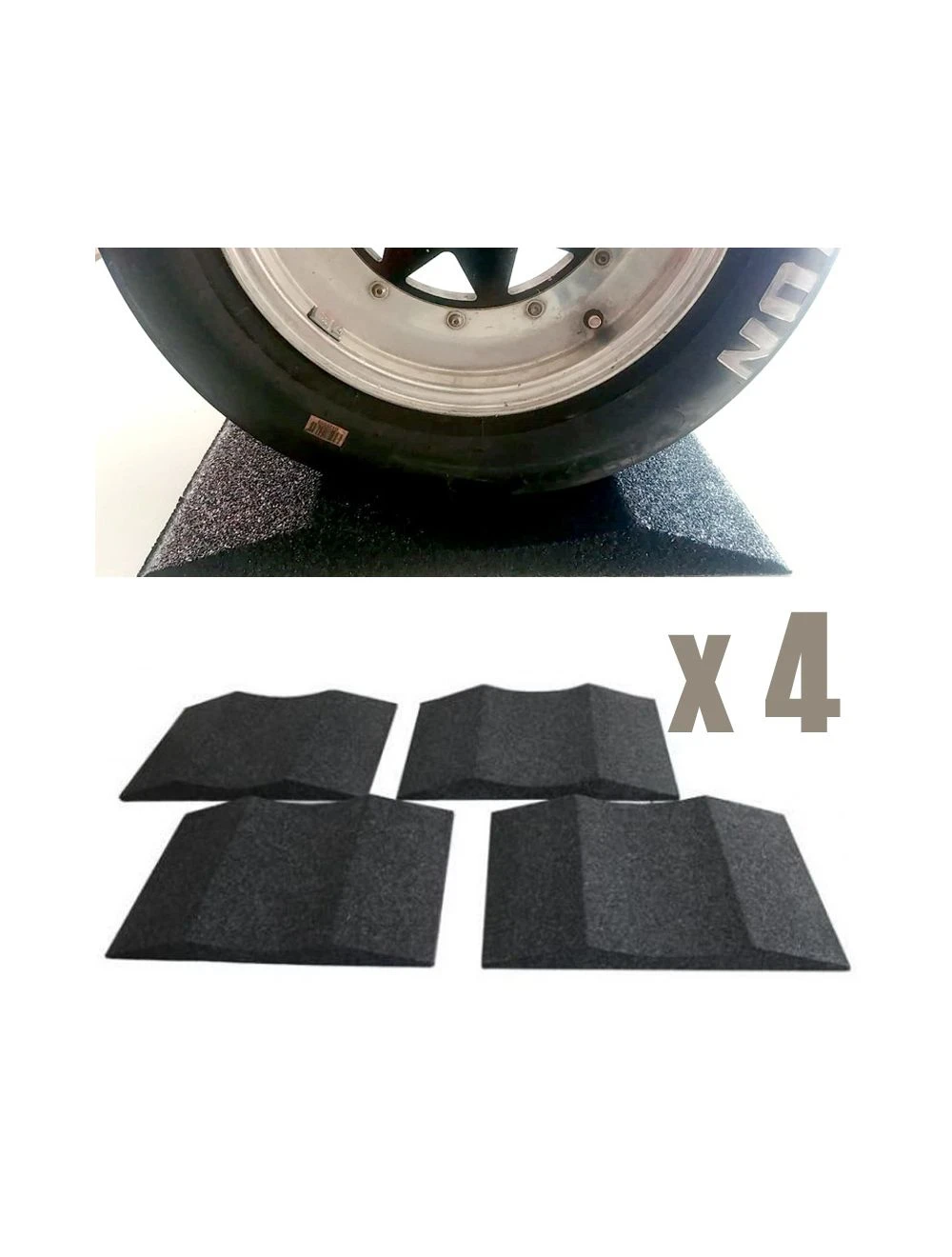
Using Tire Supports And Cushions
Tire supports and cushions help distribute the weight evenly. This keeps tires from developing flat spots.
They are easy to use and provide a stable base for your tires. Choose models that fit your tire size for best results.
- Place the supports under each tire for balance
- Ensure the surface is clean and dry before use
- Check supports regularly for any damage
Benefits Of Tire Covers
Tire covers protect tires from dust and sunlight. They prevent the rubber from cracking and drying out.
These covers are easy to install and remove. They also keep tires clean during long-term storage.
- Choose UV-resistant covers for outdoor storage
- Ensure a snug fit to keep out dirt and moisture
- Use breathable materials to prevent mold
Frequently Asked Questions
How Can I Prevent Flat Spots On Stored Tires?
Store tires off the ground on a clean, dry surface. Use tire cradles or rotate tires every month. Keep them inflated to recommended pressure to maintain shape and avoid flat spots during long storage periods.
Is Tire Inflation Important During Storage?
Yes, proper tire inflation is crucial. It maintains tire shape and prevents flat spots. Check and inflate tires to recommended pressure before storage and periodically during storage for best results.
Should Tires Be Stored Indoors Or Outdoors?
Tires should be stored indoors away from direct sunlight, heat, and moisture. Indoor storage protects tires from environmental damage that causes flat spots and rubber deterioration.
Can Tire Rotation Help Prevent Flat Spots?
Rotating tires during storage reduces pressure on one spot. Changing their position monthly ensures even weight distribution and prevents flat spots from forming.
Conclusion
Storing tires properly helps keep them safe and durable. Avoid flat spots by keeping tires off the ground. Rotate or move tires regularly during storage. Store tires in a cool, dry place away from sunlight. Use tire racks or stands for best results.
Taking these simple steps saves money and time later. Protect your tires well to ensure a smooth drive. Easy care today means better tire life tomorrow. Keep your tires ready for the road at all times.







