
Looking to add extra space for your gear without buying a bigger vehicle? Adding a roof rack to your car is the perfect solution.
It lets you carry bikes, luggage, or even camping equipment with ease. But how do you get started? If you’re unsure where to begin or worried about making mistakes, this guide is for you. By the end, you’ll know exactly how to choose and install the right roof rack, saving time, money, and hassle.
Ready to unlock your car’s full potential? Let’s dive in.
Choosing The Right Roof Rack
Adding a roof rack to your car helps carry extra gear and makes trips easier. Picking the right one means knowing your needs and your car’s limits.
This guide covers the main types of roof racks, how to match them to your car, and what to check for weight and size.
Types Of Roof Racks
There are three common roof rack types. Each fits different uses and cars.
- Roof Bars:Crossbars fixed to your car’s roof for general use.
- Roof Rails:Long rails that run from front to back, used with crossbars.
- Roof Boxes:Enclosed containers for carrying luggage safely.
Matching Roof Racks To Your Car
Not all racks fit every car. Check your car’s roof style before buying. Some cars have fixed points, others need clamps or special mounts.
| Car Roof Type | Roof Rack Fit | Notes |
|---|---|---|
| Fixed Mounting Points | Roof Bars or Rails | Easy to install, secure fit |
| Raised Side Rails | Crossbars fit between rails | Use clamps to attach |
| Flush Rails | Special mounts needed | Check compatibility with racks |
| Bare Roof | Clamp-on racks | Use rubber feet to protect paint |
Weight Capacity And Size Considerations
Each roof rack has a weight limit. Your car roof also has a max load. Check both to stay safe.
- Find the max weight your car roof can carry in the manual.
- Choose a roof rack that supports at least that much weight.
- Measure the rack size to fit your cargo.
- Do not overload or extend beyond the rack edges.
Gathering Necessary Tools
Adding a roof rack to your car is easier with the right tools. Before starting, gather everything you need.
This saves time and avoids interruptions during installation. Let’s look at the basic tools and optional accessories.
Basic Tools Needed
You need some common tools to attach the roof rack securely. These tools help in measuring, tightening, and fitting parts.
- Measuring tape to check dimensions
- Screwdriver set for screws
- Socket wrench for bolts
- Rubber mallet to gently tap parts
- Allen keys if your rack uses hex screws
- Protective gloves for safety
Optional Accessories For Installation
Some accessories make the job easier or protect your car’s surface. They are not required but useful.
| Accessory | Purpose |
| Rubber pads | Protect car paint under the rack |
| Thread locker | Prevent bolts from loosening |
| Torque wrench | Apply exact tightness to bolts |
| Step stool | Reach higher roof areas safely |
Preparing Your Car
Before adding a roof rack to your car, you must prepare the vehicle properly. This helps ensure a safe and strong installation.
Preparation includes cleaning the roof, checking if the roof fits the rack, and removing any old parts that might get in the way.
Cleaning The Roof Surface
Start by cleaning the roof where you want to place the rack. Dirt and dust can stop the rack from sticking well.
Use soap and water to wash the area. Dry it completely with a soft cloth to avoid scratches.
Checking Roof Compatibility
Not all roofs fit every roof rack. Check your car’s manual or look online to see what racks work with your roof type.
Types of roofs include:
- Bare roofs without rails or mounts
- Roofs with fixed mounting points
- Roofs with raised or flush rails
- Sunroof or panoramic roof
Choose a rack made for your roof type to avoid damage and ensure safety.
Removing Existing Fixtures
If your car has old racks, antenna mounts, or roof attachments, remove them first. These can block the new rack or cause problems.
Use the right tools to take off screws or bolts carefully. Keep the parts if you want to reuse or sell them later.
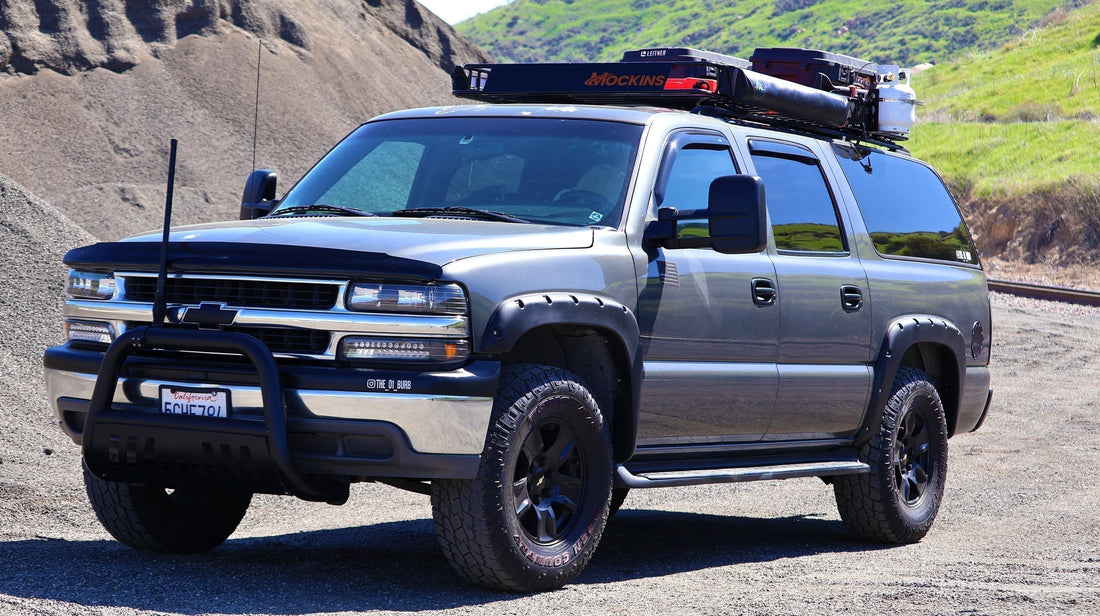
Credit: mockins.com
Installing Roof Rack Components
Adding a roof rack to your car helps carry extra items safely. You need to install its parts carefully to make sure it holds well.
This guide shows how to install the main roof rack parts step by step for a secure fit.
Attaching Roof Rack Feet Or Mounts
Start by fixing the feet or mounts to your car’s roof. These parts hold the whole rack in place.
Check your car’s roof style. Some cars have fixed points; others need clamps or adhesive pads.
- Clean the roof area before attaching mounts
- Place mounts at correct spots, following instructions
- Tighten the mounts securely but avoid over-tightening
- Use a torque wrench if recommended
- Make sure mounts do not damage the roof surface
Securing Crossbars
Next, place the crossbars between the mounts. Crossbars hold your gear across the roof.
Slide crossbars into the mounts or fix them with bolts. Confirm they fit tightly and do not move.
- Set crossbars at equal distances on both sides
- Use bolts or screws supplied with the rack
- Double-check that all fasteners are tight
- Test crossbars by pushing to check stability
Adjusting And Aligning The Rack
After mounting, adjust the rack to sit straight and balanced on your roof. This helps with stability and wind resistance.
Make small changes to the position of feet and crossbars. Use a level or ruler to check alignment.
- Ensure crossbars are parallel to each other
- Keep the rack centered on the car roof
- Check for any gaps or loose parts
- Tighten all components again after adjustments
Securing The Roof Rack
Adding a roof rack to your car can help you carry more cargo. It’s important to secure the roof rack properly. This ensures safety and prevents damage to your car.
Follow these steps to make sure your roof rack is safely secured. This will give you peace of mind during your travels.
Tightening Bolts And Screws
Check all bolts and screws on your roof rack. They must be tight to hold the rack in place. Use the right tools to tighten them.
Loose bolts and screws can cause the rack to shift. This might lead to damage or accidents.
- Use a wrench or screwdriver
- Ensure all bolts are snug
- Do not overtighten
Using Locking Mechanisms
Some roof racks come with locking mechanisms. These locks add extra security. They prevent theft and keep the rack stable.
Always engage the locks when the rack is loaded. Check if the locks are properly closed before driving.
- Engage all locks
- Ensure locks click into place
- Use keys provided for locks
Double-checking Stability
Before you set off, double-check the stability of the roof rack. Push and pull it gently to see if it moves.
If the roof rack shifts, retighten the bolts and check the locks. Stability is crucial for safe transport.
- Check for any movement
- Retighten if necessary
- Ensure all parts are secure
Adding Storage Accessories
Roof racks can increase the storage capacity of your car. They help carry different items safely and securely. This guide covers adding cargo boxes, bike carriers, and roof baskets.
Choosing the right accessory depends on what you plan to carry. Explore different options to find the best fit for your needs.
Cargo Boxes And Bags
These are great for carrying luggage or camping gear. Cargo boxes are hard-shell, while bags are soft and flexible. Both types keep your belongings safe from weather.
Consider the size of your items before choosing a box or bag. Make sure it fits on your roof rack properly.
Bike And Kayak Carriers
These carriers are perfect for outdoor enthusiasts. Bike carriers hold bicycles securely, while kayak carriers are designed for water sports equipment.
Ensure the carrier is compatible with your vehicle’s roof rack. Check weight limits to avoid overloading.
- Bike carriers often have locking systems
- Kayak carriers include straps for safety
- Both types enhance vehicle versatility
Roof Baskets And Nets
Roof baskets provide open storage for large items. Nets can secure items in place. They are ideal for carrying bulky or irregularly shaped objects.
Choose a basket that fits your roof rack’s dimensions. Use nets to prevent items from shifting during transit.
| Accessory | Best For |
|---|---|
| Cargo Boxes | Luggage |
| Bike Carriers | Bicycles |
| Roof Baskets | Bulky items |
Safety Tips And Maintenance
Adding a roof rack to your car can help carry extra items. It is important to keep safety in mind. Proper maintenance keeps the roof rack in good shape. This guide covers safety tips and how to maintain your roof rack well.
Follow these tips to avoid accidents and damage. Regular checks and smart driving will protect you and your car.
Regular Inspections
Check your roof rack often to ensure it is secure. Look for loose bolts, cracks, or rust. Make sure the rack parts fit tightly to the car.
Inspect before every trip if you carry heavy loads. Fix or replace damaged parts right away. This helps prevent accidents on the road.
- Check bolts and screws for tightness
- Look for cracks or rust on metal parts
- Inspect straps and locks for wear and tear
- Clean the rack to avoid dirt buildup
Weight Distribution
Place heavy items in the center of the roof rack. Balance the weight evenly on both sides. This keeps the car stable while driving.
Do not overload the roof rack. Check your car’s roof weight limit in the manual. Spread the load to avoid stress on one side.
- Center heavy items on the rack
- Distribute weight evenly left to right
- Keep total load under the roof’s weight limit
- Secure items tightly to prevent shifting
Driving With A Loaded Roof Rack
Drive slower when your roof rack is loaded. Extra weight changes how your car handles turns and stops. Watch for wind noise and drag.
Use extra caution in windy or rainy weather. Check the load during stops to make sure nothing has moved or loosened.
- Reduce speed to improve control
- Allow more distance for braking
- Avoid sudden turns or stops
- Check load tightness during long trips

Credit: www.youtube.com

Credit: www.youtube.com
Frequently Asked Questions
How Do I Choose The Right Roof Rack For My Car?
Choose a roof rack based on your car’s make, model, and roof type. Consider weight capacity and intended use to ensure compatibility and safety.
Can I Install A Roof Rack Without Professional Help?
Yes, many roof racks come with detailed instructions for DIY installation. However, ensure you follow steps carefully to avoid damage or improper fitting.
What Tools Are Needed To Add A Roof Rack?
Common tools include a wrench, screwdriver, and measuring tape. Some racks may require specific tools provided in the installation kit.
Will A Roof Rack Affect My Car’s Fuel Efficiency?
Yes, roof racks can slightly reduce fuel efficiency due to increased wind resistance. Removing the rack when not in use can help save fuel.
Conclusion
Adding a roof rack to your car is a smart choice for extra space. It helps carry gear safely and keeps your car organized. Follow the steps carefully to fit the rack correctly. Check all parts and tighten bolts well.
A good roof rack lasts long and supports heavy loads. Enjoy more room for trips and daily needs. Keep safety in mind and drive carefully with the extra load. Simple tools and clear instructions make the job easy. Now, your car is ready for new adventures.







