
Thinking about starting your own car detailing business but unsure how much money you need to get going? You’re not alone.
Many people wonder what it really takes to turn their passion for cars into a profitable venture. Knowing the right budget can save you from costly mistakes and help you plan smarter. You’ll discover the key costs involved, from essential equipment to marketing expenses, so you can start your business with confidence.
Keep reading to find out exactly how much you need and how to make every dollar count.
Startup Costs Breakdown
Starting a car detailing business needs a clear budget. Knowing the costs helps you plan well.
This guide explains the main expenses to expect at the beginning.
Initial Equipment Expenses
You need good equipment to provide quality car detailing. Some tools are basic, and others are more advanced.
Key items include buffers, vacuum cleaners, and pressure washers. These tools can cost between $500 and $3,000.
- Dual-action polisher: $150 – $400
- Shop vacuum: $100 – $300
- Pressure washer: $200 – $1,000
- Air compressor (optional): $300 – $1,000
- Extension cords and hoses: $50 – $200
Cleaning Supplies And Chemicals
Cleaning supplies are needed daily. These include soaps, waxes, and microfiber towels.
You should budget around $200 to $600 for initial cleaning products. Quality matters for customer satisfaction.
- Car wash soap
- Clay bars
- Wax and polish
- Glass cleaner
- Interior cleaner and protectant
- Microfiber towels and applicators
Mobile Vs Fixed Location Costs
A mobile car detailing business saves money on rent. You work at customers’ homes or jobs.
A fixed location requires rent payments and utilities. It costs more but can attract walk-in clients.
| Cost Type | Mobile | Fixed Location |
|---|---|---|
| Rent | None | $500 – $2,000/month |
| Utilities | Minimal | $100 – $300/month |
| Transportation | Fuel and vehicle upkeep | Not required |
| Equipment Setup | Portable tools | Permanent setup |
Licenses And Permits Fees
Legal permissions are needed to run your business. Fees vary by location and business type.
Expect to pay $50 to $500 for licenses and permits. Check with local authorities for exact costs.
- Business license
- Sales tax permit
- Environmental permits (if needed)
- Mobile vendor permit (for mobile services)
Equipment Essentials
Starting a car detailing business needs the right tools. Good equipment helps you work fast and well.
We will look at key equipment you need to begin your business.
Pressure Washers And Vacuums
Pressure washers clean dirt from cars quickly. They use strong water spray to remove grime.
Vacuums help remove dust and debris inside the car. Both tools are needed for a full clean.
- Electric or gas pressure washers are common choices
- Look for vacuums with strong suction and various attachments
- Portable models make it easier to work at different locations
Polishers And Buffers
Polishers and buffers make car paint look shiny and smooth. They fix small scratches and marks.
These tools are electric and come in different sizes. Choose ones that are easy to handle and reliable.
- Dual-action polishers reduce risk of damage to paint
- Rotary buffers offer strong polishing power but need skill
- Use soft pads for delicate surfaces and rough pads for tough jobs
Water Tanks And Hose Systems
Water tanks store clean water for washing cars on the go. They help if you work where no water is nearby.
Hose systems connect to water tanks and let you spray water easily. Good hoses are flexible and strong.
- Choose tanks with enough capacity for several cars
- Look for hoses that resist kinks and leaks
- Consider portable hose reels for easy storage and transport
Supply Budgeting
Starting a car detailing business needs careful budgeting for supplies. You must plan how much money to spend on cleaning products and tools.
Good budgeting helps you buy enough supplies without wasting money. It also keeps your business running smoothly from day one.
Types Of Cleaning Products
Car detailing uses many cleaning products. Each product has a different job to do on cars.
Some common types include soaps, waxes, glass cleaners, and tire shine. Choose products that work well and fit your budget.
- Car wash soaps and shampoos
- Wax and polish
- Glass and window cleaners
- Interior cleaners for leather and fabric
- Tire and wheel cleaners
- Detailing brushes and microfiber towels
Bulk Buying Vs Single Purchase
Buying supplies in bulk can save money if you use large amounts. Bulk items often cost less per unit.
Single purchases let you try products first or buy small amounts. This reduces waste if some products do not work well.
- Bulk buying lowers cost but needs more storage space
- Single purchase costs more but is safer for new businesses
- Balance bulk and single buying based on your budget and needs
Storage And Safety Considerations
Store cleaning products in a cool, dry place. Keep them away from direct sunlight and heat.
Follow safety rules to prevent accidents. Use labels and keep products out of children’s reach.
- Use sealed containers to avoid spills
- Keep flammable products away from fire
- Label all containers clearly
- Store products on sturdy shelves
- Wear gloves and masks when handling chemicals

Credit: www.youtube.com
Location And Setup Costs
Starting a car detailing business needs some upfront costs. The place you choose affects how much you spend.
Location and setup costs include rent, equipment, and utilities. Planning well helps keep costs low.
Renting A Shop Vs Working From Home
Renting a shop gives you space and a professional look. It can attract more customers but costs more.
Working from home saves money on rent. You might have less space and fewer customers come to you.
- Shop rent can cost $500 to $2000 per month
- Home setup may need permission from local laws
- Shops offer better water and power access
- Home work reduces travel time and cost
Mobile Detailing Vehicle Investment
A mobile vehicle lets you bring services to customers. You need a van or truck with water and power tools.
Buying or customizing a vehicle costs money. This cost depends on the vehicle size and equipment needed.
- Used vans cost $5,000 to $15,000
- New vans may cost $20,000 or more
- Custom equipment like water tanks adds $1,000 to $3,000
- Branding the vehicle costs extra
Utility And Maintenance Expenses
Utilities include water, electricity, and cleaning supplies. These costs add up every month.
Maintenance keeps your equipment and vehicle working well. Budget for repairs and replacements.
- Water bills can be $50 to $200 monthly
- Electricity depends on your equipment use
- Cleaning supplies cost $100 to $300 monthly
- Vehicle and tool maintenance varies widely
Legal And Administrative Fees
Starting a car detailing business involves some legal and administrative costs. These fees cover paperwork and official permissions. Knowing these fees helps you budget properly.
Legal and administrative fees include registering your business, getting insurance, and handling taxes. Each step has its own costs to consider.
Business Registration Costs
Registering your business is a must. The cost depends on your location and business type. You may need to register as a sole proprietor, partnership, or LLC.
- Filing fees for business name registration
- State or local business licenses
- Costs for permits related to car detailing
- Fees for trademark or service mark registration
Insurance Requirements
Insurance protects your business and customers. Most states require liability insurance. You might also want coverage for your equipment and property.
| Type of Insurance | Estimated Cost |
| General Liability | $400 – $1,000 per year |
| Property Insurance | $300 – $800 per year |
| Workers’ Compensation | $500 – $2,000 per year |
Tax And Accounting Services
Handling taxes correctly is very important. You may hire an accountant or use software. Costs vary depending on service type and business size.
- Setting up tax ID numbers and permits
- Monthly or quarterly tax filing fees
- Annual accounting or bookkeeping services
- Software subscription for tax management
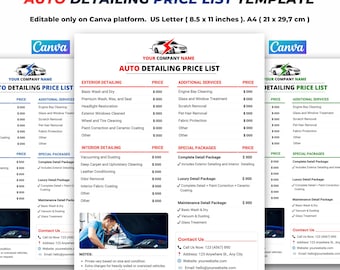
Credit: www.etsy.com
Marketing And Branding Expenses
Starting a car detailing business involves various costs. Key among them are marketing and branding expenses. These costs ensure your business reaches potential customers effectively.
Investing in marketing and branding helps create a strong presence. This is crucial for attracting and retaining clients in a competitive market.
Website And Online Presence
A professional website is vital for any business today. It serves as your online storefront, providing information about your services and contact details.
- Build a user-friendly website
- Include service descriptions and pricing
- Optimize for mobile devices
- Implement SEO strategies
Signage And Print Materials
Signage and print materials are important for offline marketing. They help in promoting your brand locally and reaching customers physically.
Consider the following print materials:
- Business cards
- Flyers
- Brochures
Advertising Strategies
Effective advertising strategies attract more customers. They can range from digital ads to traditional methods like radio and newspaper ads.
| Advertising Method | Cost Estimate |
| Social Media Ads | $100 – $500 |
| Google Ads | $200 – $600 |
| Local Radio | $300 – $700 |
| Newspaper Ads | $250 – $600 |
Labor And Training Costs
Starting a car detailing business involves understanding labor and training costs. These costs impact your budget and success.
Consider expenses like employee wages, training programs, and benefits. These are crucial for setting up your business effectively.
Hiring Employees Or Contractors
Decide if you will hire employees or work with contractors. Each option has different costs and benefits.
- Employees need consistent wages.
- Contractors might charge per project.
- Consider legal requirements for each.
Skill Development And Certification
Invest in skill development for you and your team. Certifications add value to your services.
| Training Program | Cost | Duration |
| Basic Detailing Course | $500 | 1 week |
| Advanced Detailing Workshop | $1,200 | 2 weeks |
| Certification Exam | $300 | 1 day |
Payroll And Benefits
Payroll and benefits are key parts of labor costs. These factors help in retaining skilled workers.
Consider offering benefits like health insurance and paid leave to attract quality employees.
Contingency And Miscellaneous Costs
Starting a car detailing business requires planning for extra costs. These costs can appear without warning and affect your budget.
It is important to set aside money for things that are not part of your main expenses. This will keep your business running smoothly.
Unexpected Expenses
Unexpected expenses can happen anytime. They may include emergency supplies or sudden fees. Having a fund ready helps you handle these without stress.
- Replacement of lost or broken tools
- Extra cleaning supplies for large jobs
- Emergency vehicle repairs
- Unexpected permits or license fees
Equipment Repairs And Replacements
Your equipment will wear out over time. Repairs and replacements are common costs. Plan for these to avoid downtime.
| Equipment | Estimated Repair Cost | Replacement Timeframe |
| Pressure Washer | $150 – $300 | 2-3 years |
| Vacuum Cleaner | $50 – $200 | 3-4 years |
| Polisher | $100 – $250 | 2-3 years |
| Steam Cleaner | $200 – $400 | 3-5 years |
Seasonal Business Fluctuations
Your income may change with the seasons. Some months bring more work, others less. Prepare for these changes to keep steady cash flow.
- Save extra money during busy months
- Cut costs on supplies in slow months
- Offer promotions to attract customers year-round
- Adjust working hours to match demand
Cost-saving Tips
Starting a car detailing business needs some investment. You can save money by making smart choices. This guide shares easy ways to reduce costs.
Saving money on equipment, marketing, and supplies helps your business grow. Use these tips to keep expenses low while working well.
Buying Used Equipment
Used equipment costs less than new gear. You can find good quality tools without spending too much. Check local sales and online marketplaces for deals.
- Inspect tools before buying to avoid extra repair costs
- Look for brands known for durability
- Buy in bundles to save on shipping or transport
- Ask for warranties or return options if possible
Diy Marketing Approaches
Marketing your business yourself saves money on ads. Use social media and local flyers to reach customers. Create simple posts and share client reviews.
- Create a Facebook page and post before-and-after photos
- Ask happy customers to share your page
- Design flyers with free tools and distribute nearby
- Join local groups to announce your services
- Offer small discounts for referrals
Efficient Supply Management
Keep track of your supplies to avoid waste and extra costs. Buy only what you need and store items properly to last longer.
| Supply | Tip to Save | Storage Advice |
| Cleaning Chemicals | Buy in bulk for discounts | Store in cool, dark place |
| Microfiber Towels | Use reusable towels | Keep dry and clean |
| Polish and Wax | Choose multi-use products | Seal containers tightly |

Credit: www.ultrashieldx.com
Frequently Asked Questions
How Much Does It Cost To Start A Car Detailing Business?
Starting a car detailing business typically costs between $5,000 and $20,000. Expenses include equipment, supplies, marketing, and licenses. Your budget depends on location and service scale.
What Equipment Is Essential For Car Detailing Startup?
Essential equipment includes a pressure washer, vacuum cleaner, buffers, microfiber towels, and cleaning solutions. Quality tools improve service and efficiency.
How To Estimate Initial Investment For Car Detailing?
Calculate costs for equipment, supplies, permits, insurance, and marketing. Research local prices and factor in a small budget for unexpected expenses.
Is A Mobile Car Detailing Business Cheaper To Start?
Yes, mobile detailing saves on rent and utilities but may require a reliable vehicle and portable equipment. It offers flexibility and lower overhead.
Conclusion
Starting a car detailing business needs careful money planning. Costs vary by location and services offered. Basic supplies and equipment make up the first expenses. Renting a space or working mobile changes the budget. Keep some money for marketing and unexpected costs.
Starting small helps to manage your spending well. Tracking all expenses keeps the business on track. With smart choices, your business can grow steadily. Success takes time, effort, and wise spending. Now, you have a clear idea of what to expect.
Ready to take the next step?







