
Are you wondering how much to charge for detailing a car? Setting the right price can feel tricky.
Charge too little, and you might miss out on profits. Charge too much, and you could lose customers. But don’t worry—this guide will help you find the perfect balance. You’ll learn what factors to consider, how to stand out from the competition, and how to make sure your pricing reflects the quality of your work.
Keep reading, and you’ll gain the confidence to set prices that attract clients and boost your business.
Credit: m.yelp.com
Factors Influencing Detailing Prices
Car detailing prices vary based on several key factors. Understanding these helps set fair rates.
Detailers consider the vehicle and service details to decide the best price.
Vehicle Size And Type
Bigger vehicles need more time and products to clean. This raises the price.
Different types of vehicles may need special care. This affects the cost too.
- Small cars usually cost less to detail
- SUVs and trucks take more time
- Luxury or classic cars may need special products
Condition Of The Car
The dirtier or more damaged a car is, the higher the price will be.
Cars with stains, pet hair, or scratches need extra work and time.
- Light dirt costs less
- Heavy dirt and stains increase price
- Repairing minor scratches adds to the cost
Service Types Offered
Different detailing services come with different price tags. Choose wisely.
Basic cleaning costs less than full detailing with polishing and waxing.
- Exterior wash and wax
- Interior vacuum and shampoo
- Full detail with paint correction
- Engine cleaning
Location And Market Demand
Prices change based on where the business is located and local demand.
Urban areas with many customers may have higher prices than small towns.
- High demand areas charge more
- Rural or less busy areas charge less
- Competition affects price levels
Common Detailing Services
Detailing a car involves many services that clean and protect the vehicle. Each service targets a specific area of the car.
Knowing the common detailing services helps you decide how much to charge. Prices depend on the work and materials used.
Exterior Wash And Wax
This service cleans the outside of the car and adds a protective wax layer. It removes dirt, dust, and light stains.
- Hand wash with special soap
- Dry with microfiber towels
- Apply wax for shine and protection
- Clean wheels and tires
Interior Deep Cleaning
The interior cleaning targets seats, carpets, and all surfaces inside the car. It removes dust, stains, and odors.
| Service | Description | Price Range |
| Vacuuming | Clean carpets and seats | $30 – $60 |
| Shampooing | Deep clean fabric seats | $50 – $100 |
| Leather Cleaning | Condition and clean leather seats | $40 – $80 |
| Odor Removal | Remove bad smells | $20 – $50 |
Paint Correction
Paint correction fixes scratches and swirl marks on the car’s paint. It makes the surface smooth and shiny again.
This process often needs special tools and compounds. The price depends on how many layers and the car size.
Engine Bay Cleaning
Cleaning the engine bay removes grease and dirt from the engine area. It helps keep the engine in good shape.
- Cover sensitive parts to avoid water damage
- Use degreaser to clean dirt and grime
- Rinse and dry carefully
- Check for leaks or damage
Pricing Models For Car Detailing
Car detailing prices vary depending on the pricing model used. Choosing the right model helps you set fair prices. It also makes customers understand what they pay for.
Here are common pricing models for car detailing. Each has its own way to calculate costs.
Flat Rate Pricing
Flat rate pricing means charging one fixed price for a service. It does not change based on time or effort. This model is easy to explain to customers.
Flat rates often depend on car size or detail level. For example, a small car wash may cost less than a large SUV detail.
- Simple to communicate
- Easy for customers to budget
- Less flexible for complex jobs
Hourly Pricing
Hourly pricing charges customers for the time spent detailing their car. The price depends on how long the job takes. This works well for custom or large jobs.
Hourly rates vary by skill level and location. You must track your time carefully to charge correctly.
- Fair for detailed or complex work
- Requires good time tracking
- Price can be uncertain for customers
Package Deals
Package deals combine several services into one price. Customers get multiple services at a lower total cost. This encourages more sales and repeat business.
Packages often include basic wash, waxing, and interior cleaning. You can offer different levels of packages to fit budgets.
- Good value for customers
- Easy to upsell services
- Needs clear service list in package
Custom Quotes
Custom quotes are personalized prices based on the car’s condition and customer needs. You inspect the car and give a price estimate. This suits unique or special jobs.
Custom quotes allow flexibility but require good judgment. Clear communication about what is included helps avoid confusion.
- Tailored to each customer
- Works for unusual or heavy jobs
- May take more time to prepare

Credit: www.reddit.com
Setting Competitive Prices
Setting the right price for car detailing is important. It helps you attract customers and earn money fairly.
To set good prices, you need to know your market and costs. This guide will help you decide on fair prices.
Researching Local Competitors
Look at other car detailers near you. Find out how much they charge for different services.
Knowing their prices helps you avoid setting prices too high or too low. It keeps you competitive.
- Check websites and social media for price lists
- Call shops to ask about prices
- Visit local shops to see their service options
Assessing Your Skill Level
Your experience and skill affect how much you can charge. Skilled detailers can ask for higher prices.
If you are new, start with lower prices. Raise prices as you gain experience and positive reviews.
- Beginner: basic cleaning, lower prices
- Intermediate: more detailed work, medium prices
- Expert: full detailing, premium prices
Considering Overhead Costs
Overhead costs are your business expenses. These include supplies, rent, and utilities.
Calculate these costs to make sure your prices cover them. This keeps your business running well.
- Cleaning products and tools
- Electricity and water bills
- Rent for workspace or shop
- Marketing and advertising
- Insurance and permits
Tips To Maximize Profitability
Knowing how much to charge for detailing a car helps you earn well. You need good strategies to increase your profits.
Smart planning and offering extra services can raise your income. Keeping customers happy helps your business grow.
Upselling Additional Services
Offer more services like waxing or engine cleaning to customers. This adds value and increases your earnings.
Explain the benefits of each extra service clearly. Customers often choose more when they understand the value.
- Suggest paint protection after a wash
- Offer interior deodorizing with cleaning
- Add headlight restoration as an option
Building Customer Loyalty
Keep customers coming back by giving great service every time. Friendly and reliable work builds trust.
Use simple rewards like discounts or free small services. This shows you value repeat business.
- Give a discount on the next visit
- Offer a free basic wash after several details
- Send reminders for regular maintenance
Efficient Scheduling And Time Management
Plan your day to avoid long gaps or overlaps between jobs. This helps you serve more cars and earn more.
Use simple booking tools or calendars to keep track of appointments. Stick to the schedule to save time.
- Set clear time limits for each service
- Group similar tasks to work faster
- Confirm appointments a day before
Credit: m.yelp.com
Common Pricing Mistakes To Avoid
Setting the right price for car detailing is essential. Mistakes can cost you both money and clients.
Let’s explore common pricing pitfalls to help you make informed decisions.
Undercharging For Services
Undercharging can lead to financial loss and undervalue your work. It’s important to assess your costs carefully.
- Calculate all expenses before setting a price
- Include labor, materials, and time
- Avoid pricing based only on competitor rates
Ignoring Market Rates
Understanding market rates helps you stay competitive. Ignoring them might lead to losing customers.
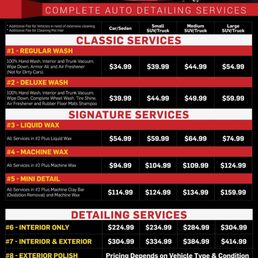
| Service Type | Average Market Rate |
| Basic Wash | $30 – $50 |
| Full Detail | $150 – $300 |
| Interior Clean | $70 – $150 |
Overcomplicating Pricing Structures
Complex pricing can confuse customers. Simple and clear pricing attracts more clients.
Frequently Asked Questions
How Is Car Detailing Pricing Determined?
Car detailing pricing depends on vehicle size, service type, and detailer experience. Packages vary from basic wash to full interior-exterior deep cleaning. Location and demand also influence rates. Understanding these factors helps customers choose suitable services within budget.
What Factors Affect Car Detailing Costs?
Costs vary due to vehicle condition, detailing depth, and materials used. Larger or heavily soiled cars need more time and products, raising prices. Additional services like paint correction increase charges. Detailing experts set competitive prices based on these elements.
How Much Does A Basic Car Detailing Cost?
Basic car detailing usually costs between $50 and $100. It includes exterior wash, interior vacuum, and window cleaning. Prices fluctuate by region and service provider. This option suits customers seeking quick, affordable vehicle refreshment without extensive treatments.
Are Professional Car Detailing Services Worth The Price?
Professional detailing offers thorough cleaning, paint protection, and vehicle maintenance. It preserves car value and appearance longer than DIY methods. While pricier, it saves time and ensures expert results, making it a worthwhile investment for many car owners.
Conclusion
Pricing car detailing depends on many factors like size and service type. Know your costs and local market rates before setting prices. Clear communication with customers builds trust and ensures satisfaction. Keep prices fair and reflect your skill and effort.
This balance helps grow your business steadily and keeps clients happy.







