
Have you ever wondered how your car’s GPS knows exactly where you are and guides you to your destination? It feels almost magical, right?
But behind that magic is a fascinating system working silently to make your drive easier and stress-free. Understanding how GPS works in your car can help you use it better and trust it more when you need it the most.
Keep reading, and you’ll discover the simple secrets that power this incredible technology every time you hit the road.
Gps Basics
GPS helps cars find their exact location anywhere on Earth. It works by using signals from satellites high above us.
This system guides drivers and helps navigation apps show the best routes.
What Is Gps
GPS stands for Global Positioning System. It is a network of satellites that send signals to GPS receivers in cars.
The system tells you where you are by calculating the distance from several satellites.
Satellite Network
There are about 30 satellites in orbit for GPS. They circle the Earth and send signals constantly.
- Satellites are evenly spaced to cover the whole planet
- At least four satellites are needed to find a location
- They orbit about 20,000 kilometers above Earth
- Each satellite sends a unique signal and time data
Signal Transmission
| Step | What Happens |
| 1 | Satellites send radio signals to the car’s GPS receiver |
| 2 | The receiver measures how long the signals take to arrive |
| 3 | It calculates the distance from each satellite |
| 4 | Using distances from multiple satellites, it finds the exact location |

Credit: blog.eyespysupply.com
Gps In Cars
GPS technology helps drivers find their way on roads. It shows directions and locations inside a car.
This system uses satellites to give real-time position information. It makes driving safer and easier.
Built-in Gps Systems
Many cars come with GPS systems already installed. These systems have a screen and software for navigation.
- They use maps stored in the car’s memory.
- Drivers can get voice directions.
- Some systems update maps via internet or USB.
- They work without needing a phone.
Smartphone Integration
Smartphones connect to car screens to show GPS apps. This lets drivers use popular apps like Google Maps.
| Feature | Built-in GPS | Smartphone GPS |
| Map Updates | Often manual | Automatic online |
| App Variety | Limited | Many options |
| Cost | Included in car price | Free or low cost |
| Internet Needed | No | Yes |
How Car Gps Receives Signals
GPS devices get signals from satellites in space. The device uses these signals to find its exact place.
- Satellites send radio signals to the GPS receiver.
- The receiver measures time for each signal to arrive.
- It calculates distance from several satellites.
- Using this data, it finds the car’s location on Earth.
Navigation Process
GPS in cars helps drivers find their way by using satellites and maps. It shows the best path to reach a place.
The navigation process has several steps. These steps work together to guide the driver.
Determining Location
The GPS system finds the car’s exact position using satellites. At least four satellites send signals to the GPS receiver.
The receiver calculates the distance to each satellite. Then, it uses this data to find the car’s location on Earth.
- Satellites send signals to the GPS receiver
- The receiver measures the time signals take to arrive
- Distances are calculated from the time data
- Location is found using distances from several satellites
Route Calculation
After finding the location, the GPS system calculates the best route to the destination. It uses digital maps stored in the device.
The system looks at road types, distances, and traffic rules to find a good path. It can choose faster or shorter routes.
- Access digital maps with roads and landmarks
- Analyze possible routes from current location to destination
- Consider road types and speed limits
- Pick the shortest or fastest route
Real-time Updates
GPS systems also get live data while driving. They update routes based on traffic, accidents, or road closures.
This helps drivers avoid delays and reach their destination on time. The GPS can recalculate routes quickly if needed.
- Receive live traffic and road condition data
- Alert drivers about slow traffic or accidents
- Update route to avoid problems
- Help drivers save time and fuel
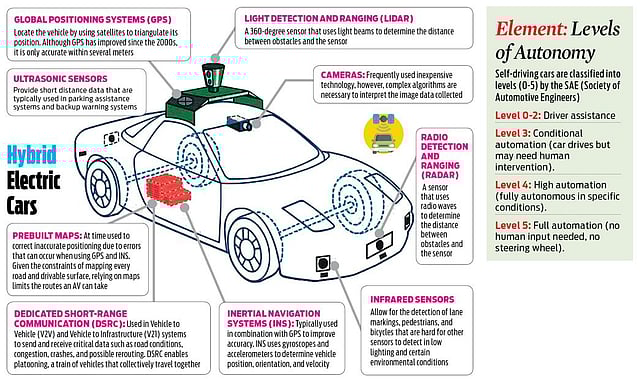
Credit: www.newindianexpress.com
Accuracy Factors
GPS in cars helps drivers find their way using satellite signals. The accuracy of these signals can change for different reasons.
Understanding what affects GPS accuracy helps drivers trust their navigation better.
Signal Interference
Signal interference happens when something blocks or weakens GPS signals. Tall buildings, tunnels, or trees can cause this problem.
Interference makes it hard for the GPS to find the exact location, causing errors.
- Urban areas with many tall buildings
- Dense forests or heavy tree cover
- Underground tunnels and parking garages
Weather Effects
Weather can affect GPS signals by slowing them down or changing their path. Rain, snow, and heavy clouds can cause minor delays.
Strong storms and solar activity can also disturb satellite signals, reducing accuracy.
- Heavy rain or snow weakens signals
- Thick clouds can slow signal travel
- Solar flares disrupt satellite communication
Map Data Quality
GPS accuracy also depends on the quality of the map data inside the car’s system. Outdated or incorrect maps cause wrong directions.
Regular map updates help keep the GPS reliable and accurate.
- Old maps miss new roads and changes
- Incorrect data leads to wrong turns
- Updated maps improve route accuracy
Advanced Features
Car GPS systems offer many features beyond simple navigation. These features help drivers reach destinations safely and quickly.
Advanced tools make driving easier by giving real-time updates and useful information during trips.
Voice Guidance
Voice guidance speaks directions aloud so drivers keep their eyes on the road. It reduces distractions and improves safety.
The system gives turn-by-turn instructions and warns about upcoming changes in the route.
Traffic Alerts
GPS systems detect traffic jams and accidents on your route. They suggest faster paths to avoid delays.
These alerts help drivers save time and reduce stress during busy hours.
Points Of Interest
Points of Interest (POI) show important locations like gas stations, restaurants, and hotels.
Drivers find helpful stops along their way, making trips more comfortable and planned.
Troubleshooting Gps
GPS helps drivers find the best routes and avoid getting lost. Sometimes, it faces issues that require troubleshooting.
Understanding common GPS problems can make it easier to fix them quickly.
Common Issues
GPS in cars can encounter a few common problems. These issues might affect how well it works.
- Weak signal reception
- Incorrect map data
- Device not turning on
Fixing Signal Problems
Signal problems are frequent with car GPS devices. Here are some tips to fix them.
Software Updates
Updating your GPS software can solve many issues. It keeps the system running smoothly and up-to-date.
| Update Type | Frequency |
| Map Updates | Every 6 months |
| System Updates | Annually |
Future Of Car Gps
The future of car GPS is exciting with new technologies. Cars are becoming smarter every year.
GPS systems in cars will change how we drive. They will help us in many new ways.
Integration With Ai
AI is making GPS systems smarter. It helps in predicting traffic and finding the fastest routes.
- AI can learn your driving habits
- It suggests stops based on your preferences
- AI improves the accuracy of GPS
Enhanced Connectivity
Connectivity in cars is improving. GPS systems will connect with more devices in the future.
Autonomous Driving Support
GPS is key to autonomous driving. It helps cars understand their location and navigate safely.
| Feature | Benefit |
| Real-time Traffic Data | Avoid congestion |
| Lane Guidance | Stay in the right lane |
| Emergency Alerts | Receive warnings instantly |
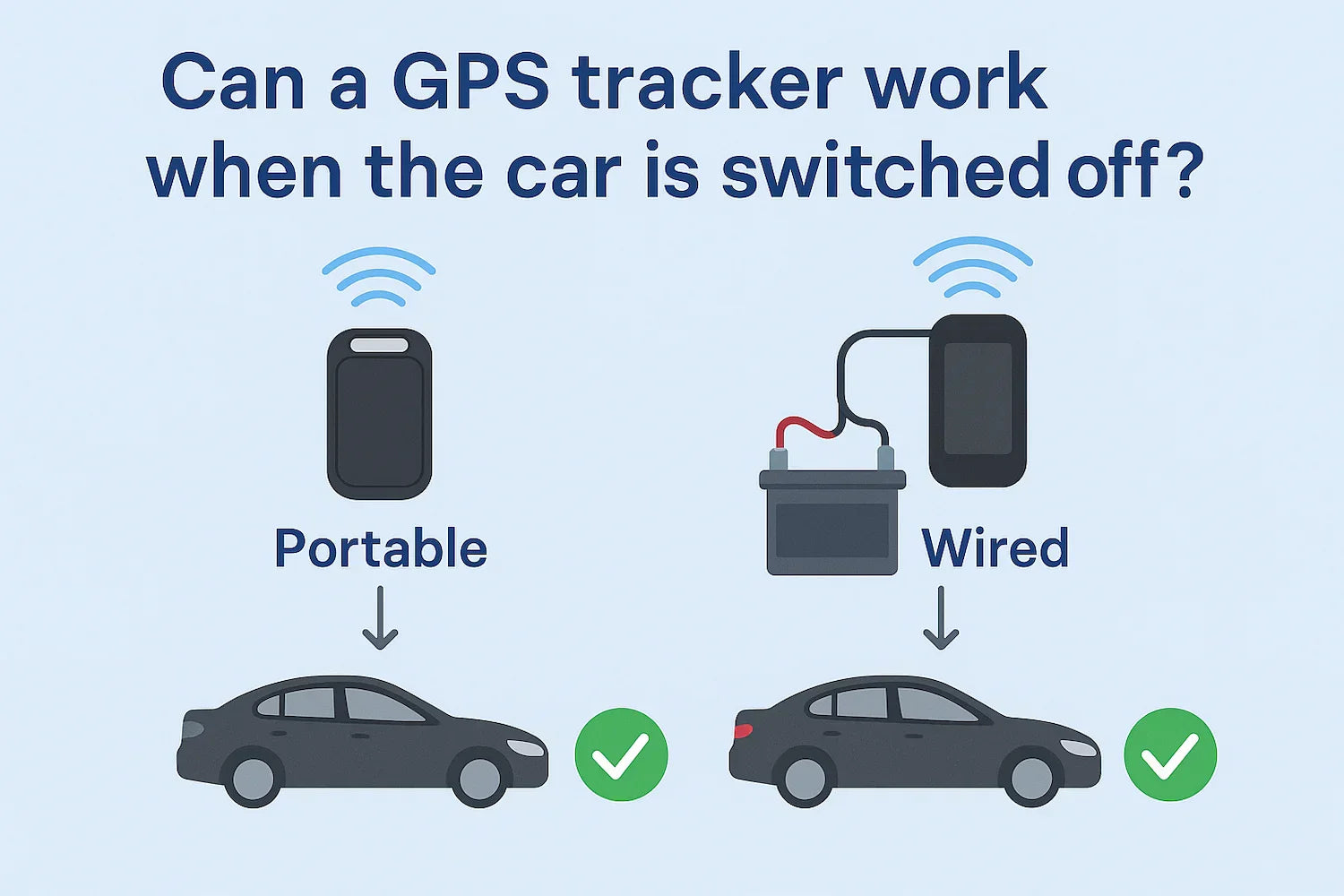
Credit: i-trac.cn
Frequently Asked Questions
How Does Gps Track My Car’s Location?
GPS uses satellites to pinpoint your car’s exact position. The system calculates distance from multiple satellites to determine location accurately. This data is updated continuously for real-time tracking and navigation.
What Technology Powers Gps In Cars?
Car GPS relies on a network of over 30 satellites orbiting Earth. These satellites send signals to the GPS receiver in your car, allowing it to calculate precise coordinates and provide navigation.
Can Gps Work Without Internet In Cars?
Yes, GPS works without internet by using satellite signals alone. However, some features like live traffic updates require an internet connection for enhanced navigation.
How Accurate Is Car Gps Navigation?
Car GPS is generally accurate within 5 to 10 meters. Accuracy depends on satellite signal strength, environmental factors, and the quality of the GPS receiver.
Conclusion
GPS in cars helps drivers find their way easily. Satellites send signals to your device. Your car’s GPS uses these signals to show your location. It updates routes in real-time. This saves time and avoids getting lost. Understanding how GPS works makes driving safer.
It also helps plan trips better. Now, you know the basics of car GPS. Use it wisely to reach your destination smoothly.







