
Thinking about giving your car a fresh coat of paint? You might be wondering, “How expensive is it to paint a car?” It’s a question that matters because repainting your vehicle is a big decision—both for your budget and your ride’s look.
The cost can vary a lot depending on what you want and how it’s done. You’ll discover the real factors that affect the price, so you can make smart choices without surprises. Keep reading to find out exactly what you need to know before you start painting your car.

Credit: www.youtube.com
Factors Influencing Car Painting Costs
Painting a car can vary a lot in cost. Many factors affect the total price. Understanding these helps you plan better.
Costs depend on the paint type, car size, paint quality, labor fees, and location. Each factor changes the final bill.
Type Of Paint
Different paint types cost differently. Basic paints are cheaper but less durable. Premium paints last longer and look better.
- Standard enamel paint: affordable and common
- Metallic paint: adds shine, costs more
- Pearlescent paint: changes color slightly, higher price
- Matte finish paint: unique look, can be expensive
Car Size And Model
Large cars need more paint and work. Complex shapes require more time and skill. This raises the price.
| Car Type | Paint Needed (Liters) | Estimated Cost Range |
|---|---|---|
| Compact Car | 2-3 | $300 – $600 |
| Sedan | 3-4 | $400 – $800 |
| SUV / Truck | 4-6 | $600 – $1,200 |
Paint Quality
Higher quality paint lasts longer and resists damage. It also looks smoother and brighter. Low quality paint costs less but fades fast.
Labor Charges
Labor costs depend on the time and skill needed. Skilled painters charge more. Complex jobs take longer and cost more.
- Preparation and sanding
- Priming the surface
- Applying multiple coats of paint
- Drying and finishing
Location And Shop Rates
Prices change by region. Big cities often have higher rates. Small towns may offer cheaper services but vary in quality.
Choose a shop with good reviews. Compare prices before deciding. Remember, very low prices may mean lower quality.
Common Painting Options
Painting a car can vary in cost depending on the type of paint job. Different options offer different finishes and durability. Understanding these options helps you choose what fits your budget and style.
Each paint job type uses different materials and processes. This affects the look and how long the paint lasts. Below are common painting options for cars.
Basic Paint Job
A basic paint job covers the car with one or two coats of paint. It usually does not include sanding or rust repair. This option is the least expensive but may not last long.
Basic jobs are good for older cars or quick fixes. The finish may look dull and can chip easily. It is a simple way to refresh your car’s color.
Standard Paint Job
A standard paint job includes sanding the car’s surface and applying multiple paint coats. It also uses a clear coat for shine and protection. This option is more durable and looks better than a basic job.
- Surface preparation with sanding
- Multiple paint layers
- Clear coat finish for shine
- Better protection from chips and fading
Premium Paint Job
Premium paint jobs use high-quality paints and extra layers. The car is fully prepped, including rust repair and primer application. This option offers the best shine and durability.
| Feature | Basic | Standard | Premium |
| Surface Prep | Minimal | Sanded | Detailed with rust repair |
| Paint Coats | 1-2 | Multiple | Multiple with high-quality paint |
| Clear Coat | No | Yes | Yes with extra layers |
| Durability | Low | Medium | High |
| Finish | Dull | Glossy | Deep gloss and shine |
Custom And Specialty Paints
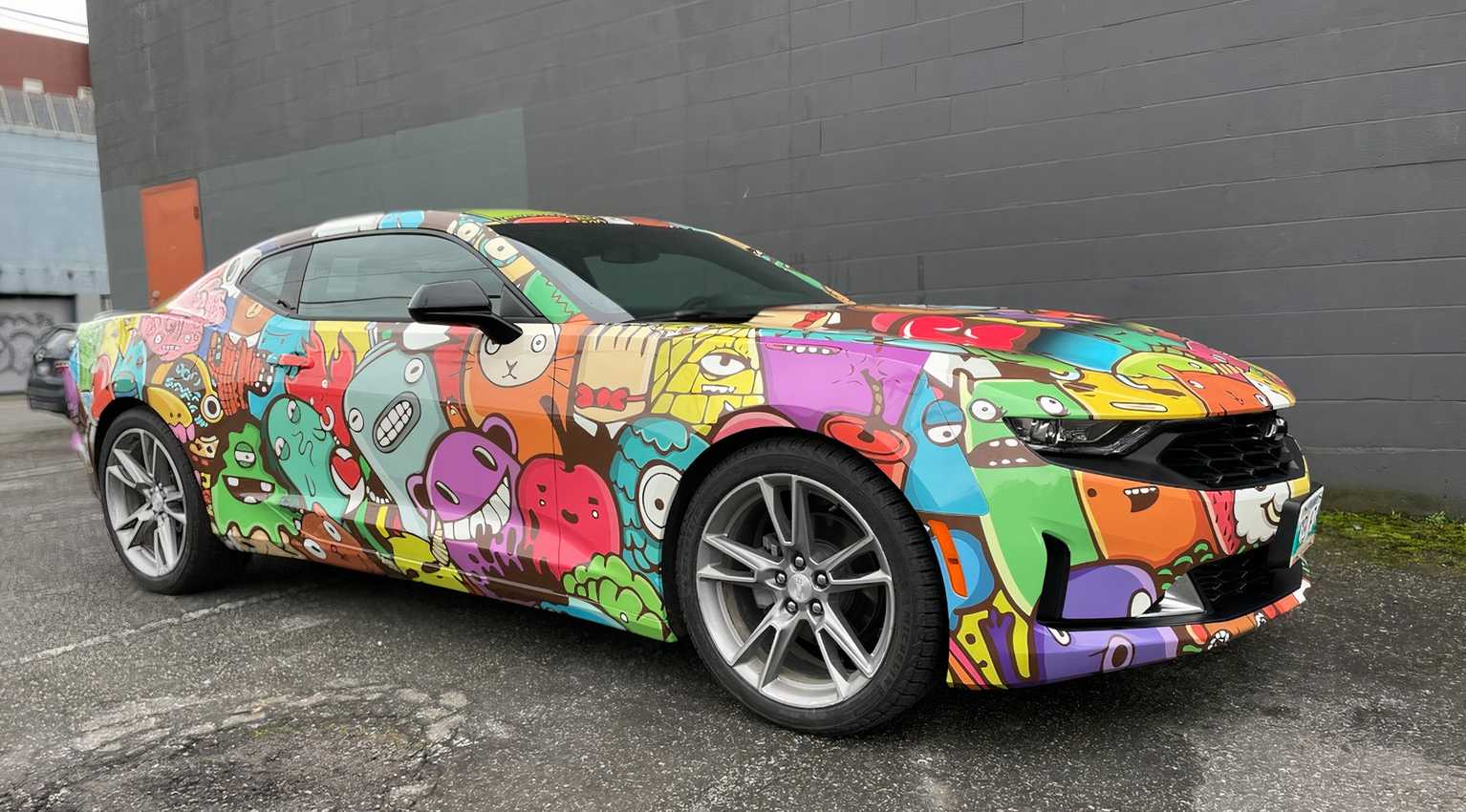
Custom paints include colors like metallic, matte, or pearlescent. Specialty paints can have effects like chameleon or glow-in-the-dark. These paints require extra work and skill to apply.
Costs are higher due to special materials and longer labor time. These paints make cars stand out with unique looks.
- Metallic: shiny with metal flakes
- Matte: flat finish without shine
- Pearlescent: color shifts in light
- Chameleon: changes color at angles
- Glow-in-the-dark: glows after light exposure
Cost Breakdown By Paint Type
Painting a car can vary in price depending on the type of paint used. Each paint type has different costs for materials and labor. Understanding these differences helps you choose the best option for your budget.
Below, we look at common paint types and their cost details. This guide covers acrylic enamel, urethane paint, acrylic lacquer, and water-based paints.
Acrylic Enamel
Acrylic enamel paint offers a shiny finish and good durability. It is less expensive than urethane but costs more than acrylic lacquer. The paint and labor together typically range from $500 to $1,500.
Urethane Paint
Urethane paint is very durable and resists chips and cracks well. It costs more due to its high quality and the need for skilled application. Prices can run from $1,000 to $3,500 or more.
Acrylic Lacquer
Acrylic lacquer is the cheapest paint option. It is easy to apply but less durable than others. It usually costs between $300 and $900 for a full car paint job.
- Low cost for materials
- Needs frequent repainting
- Gives a classic glossy look
Water-based Paints
Water-based paints are eco-friendly and gaining popularity. They cost more than acrylic lacquer but less than urethane. Expect to pay around $800 to $2,000 depending on coverage and brand.
| Paint Type | Material Cost | Labor Cost | Total Cost Range |
|---|---|---|---|
| Acrylic Enamel | $200 – $600 | $300 – $900 | $500 – $1,500 |
| Urethane Paint | $400 – $1,200 | $600 – $2,300 | $1,000 – $3,500+ |
| Acrylic Lacquer | $100 – $300 | $200 – $600 | $300 – $900 |
| Water-Based Paints | $300 – $700 | $500 – $1,300 | $800 – $2,000 |
Additional Expenses To Consider
Painting a car involves more than just applying new paint. Several extra costs can add up during the process. Understanding these expenses helps you prepare your budget better.
These additional tasks improve the paint job’s quality and durability. They also help fix any damage before painting starts.
Surface Preparation
Surface preparation is essential for a smooth finish. It includes cleaning, sanding, and sometimes removing old paint. This step ensures the new paint sticks well and looks even.
- Washing and degreasing the car
- Sanding rough or rusty spots
- Masking areas not to be painted
- Applying primers for better paint adhesion
Dent Repair And Bodywork
Dents and scratches must be fixed before painting. This work can involve filling holes or replacing damaged panels. The cost depends on how much repair is needed.
| Type of Damage | Typical Cost Range |
| Small dents and scratches | $50 – $150 |
| Medium dents or panel filling | $150 – $500 |
| Major bodywork or panel replacement | $500 – $1500+ |
Clear Coat Application
The clear coat protects the paint and adds shine. Applying it requires extra materials and time. A good clear coat keeps the paint looking new longer.
Some shops charge extra for multiple layers or special finishes. The cost can vary based on the product quality and labor.
Painting Trim And Details
Painting trim pieces and small details takes extra effort. These parts need careful masking or removal before painting. This work adds to the total cost.
- Removing or masking door handles
- Painting bumpers and mirrors
- Detailing around windows and lights
- Using special paint for plastic or metal trims
Diy Vs Professional Painting
Painting a car can change its look completely. You might wonder about doing it yourself or hiring a pro. Both options have their pros and cons.
Let’s explore the costs, risks, and tools involved in each choice. This will help you decide what works best for you.
Cost Savings Of Diy
Painting a car yourself can save money. You avoid labor costs and only pay for materials.
| Cost Type | DIY | Professional |
| Labor | $0 | $500 – $2,000 |
| Materials | $100 – $300 | Included |
| Total | $100 – $300 | $1,000 – $3,000 |
Risks And Challenges
DIY painting has challenges. It requires skill and patience. Mistakes can be costly to fix.
- Uneven paint coats
- Drips and runs
- Incorrect color matching
- Time-consuming process
Tools And Materials Needed
To paint a car yourself, you need the right tools. These include a spray gun, sandpaper, and paint.
- Spray gun or paint sprayer
- Sandpaper and sanding block
- Automotive paint and primer
- Protective gear like masks and gloves
- Clean workspace
When To Hire A Pro
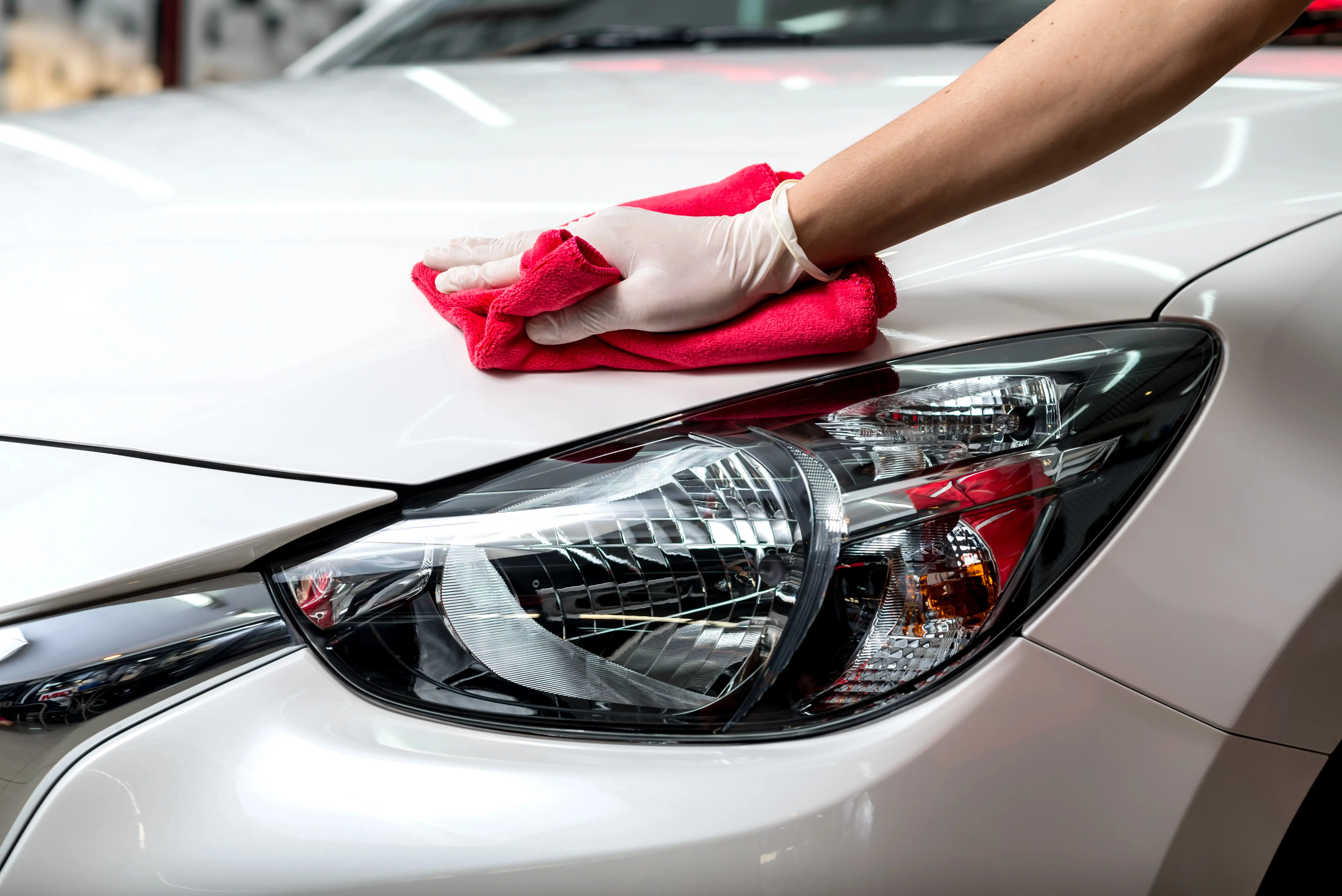
Hiring a professional is best for high-quality finishes. It is also ideal if you lack time or confidence in your skills.
Credit: jerry.ai
Tips To Save On Painting Costs
Painting a car can be costly. But there are ways to save money. Here are some tips to help you spend less.
These strategies will guide you in making smart decisions. You can keep your car looking great without breaking the bank.
Choosing The Right Shop
Look for shops with good reviews. Ask friends for recommendations. Visit a few places to compare prices and services.
Ensure the shop uses quality materials. Sometimes cheaper options cost more in the long run due to poor results.
Scheduling Off-season
Paint shops are less busy during off-seasons. This is usually in winter or fall. You might get a discount if you schedule during these times.
Ask the shop when their slower months are. Planning your paint job then can save you money.
Bundling Repairs
If your car needs repairs, consider bundling them with the paint job. Many shops offer discounts for multiple services.
Discuss all your car’s needs with the shop. Combining services can lower your overall costs.
Selecting Paint Wisely
Choose a paint that fits your budget. Basic colors are usually cheaper. Custom colors can be costly.
Ask the shop about paint options. They can suggest budget-friendly choices that still look great.
- Basic colors are affordable
- Custom colors cost more
- Quality paint lasts longer
Trends Impacting 2025 Pricing
The cost to paint a car changes every year. New trends shape these price shifts. In 2025, several key factors will affect how much you pay.
Understanding these trends helps you plan your budget better. Let’s look at what is driving price changes.
New Paint Technologies
New paint types and methods change the cost of car painting. These technologies aim to improve durability and finish quality. They also affect labor time and materials.
- Water-based paints reduce harmful chemicals but require special handling.
- Powder coatings offer longer-lasting results but need expensive equipment.
- Nanotechnology paints add extra protection but cost more to produce.
- Faster drying paints save labor time but may have higher material costs.
Environmental Regulations
Governments enforce rules to limit pollution from car painting. These laws impact the types of paint shops can use. Compliance often raises costs.
| Regulation | Impact on Cost |
| VOC Limits | Need for low-VOC paints raises material price |
| Waste Disposal Rules | Extra fees for safe disposal of paint waste |
| Energy Use Standards | Investment in energy-efficient equipment |
| Worker Safety Laws | Additional protective gear and training costs |
Supply Chain Factors
Supply chain issues affect paint availability and price. Raw material costs and shipping delays can raise prices quickly. Shops may pass these costs to customers.
Key supply chain factors include:
- Raw material shortages for pigments and solvents
- Increased transportation costs due to fuel prices
- Delays in shipping caused by global disruptions
- Higher tariffs on imported paint products
Credit: www.topspeed.com
Frequently Asked Questions
How Much Does A Basic Car Paint Job Cost?
A basic car paint job typically costs between $300 and $900. Prices vary by car size and paint quality. This option includes a single-stage paint with minimal prep work. It is ideal for minor cosmetic improvements.
What Factors Affect The Cost Of Painting A Car?
Car size, paint type, preparation work, and labor rates affect costs. Custom colors and finishes also increase the price. Damage repair or rust removal adds to expenses. Location and shop reputation play a role too.
Is A Professional Car Paint Job Worth The Cost?
Yes, professional paint jobs offer durability and a flawless finish. They use high-quality materials and proper techniques. This ensures long-lasting protection and improved vehicle appearance. DIY jobs often lack quality and may cost more in repairs later.
How Long Does A Car Paint Job Usually Take?
A typical car paint job takes 2 to 5 days. Time depends on prep work, paint layers, and drying times. Complex colors or repairs can extend the duration. Proper curing is essential for a lasting finish.
Conclusion
Painting a car can cost different amounts. It depends on the paint type and car size. Simple jobs cost less, while full repaints cost more. Quality paint lasts longer and looks better. Choosing the right shop matters for good results.
Think about your budget and needs first. A fresh paint job can make your car look new. Keep these points in mind when deciding. Painting your car is an investment worth considering carefully.







