
Have you ever wondered how a wireless radar detector keeps you one step ahead on the road? Imagine having a device that quietly scans your surroundings and alerts you to hidden speed traps before you even see them.
This isn’t just technology—it’s your secret weapon for safer, stress-free driving. You’ll discover exactly how a wireless radar detector works and why it could change the way you drive forever. Keep reading to unlock the mystery behind this smart gadget and learn how it can protect your wallet and your peace of mind.
Credit: www.vortexradar.com
Basics Of Radar Detection
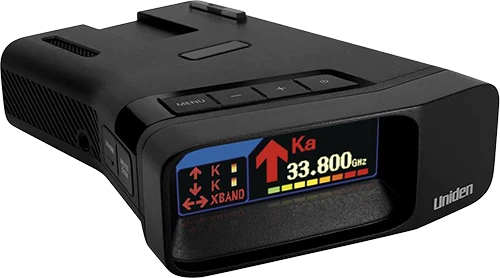
A wireless radar detector helps drivers know when a radar gun is nearby. Radar guns are used by police to measure speed. The detector senses radar signals and alerts the driver to slow down.
The detector works by picking up radio waves that radar guns send out. It scans the air for these signals and identifies their type and strength. This helps drivers avoid speeding tickets.
Types Of Radar Signals
Radar detectors can detect different radar signal types. Each type uses a unique way to send signals. Knowing these types helps the detector respond correctly.
- Continuous Wave (CW):Sends a steady signal for measuring speed.
- Pulse Radar:Sends short bursts of signals at intervals.
- Frequency Modulated Continuous Wave (FMCW):Changes frequency to improve accuracy.
Detecting these signals allows the device to warn drivers early. Some signals are harder to detect than others.
Radar Frequency Bands
Radar guns use different frequency bands to send signals. Radar detectors scan these bands to find radar waves. Each band has a specific frequency range.
| Frequency Band | Range (GHz) | Common Use |
|---|---|---|
| X Band | 8.0 – 12.0 | Older radar guns, less common now |
| K Band | 18.0 – 27.0 | Most police radar guns |
| Ka Band | 26.5 – 40.0 | Newer radar guns, very common |
Knowing these bands helps the detector find signals fast. It listens to these frequencies to protect the driver.
Core Components Of Wireless Radar Detectors
Wireless radar detectors help drivers by sensing radar signals used by police. They warn the driver to slow down or stay alert. These devices use several key parts to detect and process signals fast and clearly.
Each component plays a role in finding radar waves, analyzing them, and alerting the driver. Below, we explain the main parts and their functions.
Antenna Systems
The antenna system captures radar waves from the environment. It is the first point of contact for signals sent by radar guns. Good antennas cover a wide range of frequencies and directions.
- Multiple antennas may be used for better coverage.
- They detect different radar bands like X, K, and Ka.
- High sensitivity antennas catch weak signals early.
- Directional antennas help locate where the radar is coming from.
Signal Processing Units
Signal processing units analyze the radar signals captured by antennas. They filter out false alarms and identify real threats. These units use digital circuits and software algorithms.
| Function | Details |
| Filtering | Removes noise and non-radar signals |
| Signal Amplification | Boosts weak radar signals for clarity |
| Frequency Analysis | Detects specific radar bands used by police |
| Threat Identification | Distinguishes real radar from false alerts |
Display And Alert Mechanisms
After processing signals, the detector alerts the driver. The display shows radar type and strength. Alerts come as sounds, lights, or vibrations to grab attention safely.
- Beeping sounds that change speed based on signal strength
- LED lights that indicate radar direction
- Screen messages with radar band names
- Vibration alerts for quiet notification
How Wireless Radar Detectors Identify Signals
Wireless radar detectors find signals sent by police radar guns. These signals help drivers know when speed is being checked.
Radar detectors use special technology to catch these signals from the air. They then analyze and decide if the signal means danger.
Signal Reception And Filtering
The detector uses antennas to catch radar waves. These waves come from police radar devices.
After receiving signals, the detector filters out noise and weak signals. This helps it focus on strong radar signals only.
- Antennas scan a wide area for radar waves
- Filters remove background noise
- Only relevant signals move to the next step
Frequency Analysis Techniques
Radar signals have specific frequencies. The detector checks the frequency of each signal it receives.
It compares these frequencies to known radar bands. This helps the detector identify the type of radar and how close it might be.
- Detects signal frequency using built-in sensors
- Matches frequency to police radar bands
- Estimates signal strength and distance
False Alert Reduction
Many devices can send signals like radar. The detector uses smart filters to lower false alerts.
It ignores common signals from automatic doors or other machines. This way, drivers get alerts only for real radar threats.
- Filters out signals from non-police devices
- Uses signal patterns to identify false alarms
- Updates software to improve accuracy
Credit: www.vortexradar.com
Wireless Features And Connectivity
Wireless radar detectors use advanced technology to help drivers stay informed on the road. They connect without wires to enhance convenience and efficiency.
Understanding how these features work can improve your driving experience. This guide covers key aspects of their wireless capabilities.
Bluetooth And Wi-fi Integration
Many radar detectors come with Bluetooth and Wi-Fi. These features allow the device to connect to other gadgets and networks effortlessly.
- Bluetooth helps sync with smartphones for real-time alerts.
- Wi-Fi allows for easy firmware updates.
- Both features enhance the device’s functionality.
Smartphone App Controls
Modern radar detectors often work with smartphone apps. These apps offer more control and customization options for users.
- Adjust sensitivity settings.
- Receive notifications directly on your phone.
- Access detailed reports and analysis.
Cloud-based Updates
Cloud-based updates keep radar detectors up-to-date with the latest information. This ensures your device has current data for better performance.
| Feature | Benefit |
| Automatic Updates | Stay current without manual checks |
| Real-time Data | Access the latest traffic alerts |
| Seamless Integration | Works smoothly with other features |
Installation And Placement Tips
Installing a wireless radar detector correctly helps it work better. Good placement improves signal detection and reduces false alerts.
This guide shows where to mount the detector, power options, and how to keep it working well.
Optimal Mounting Locations
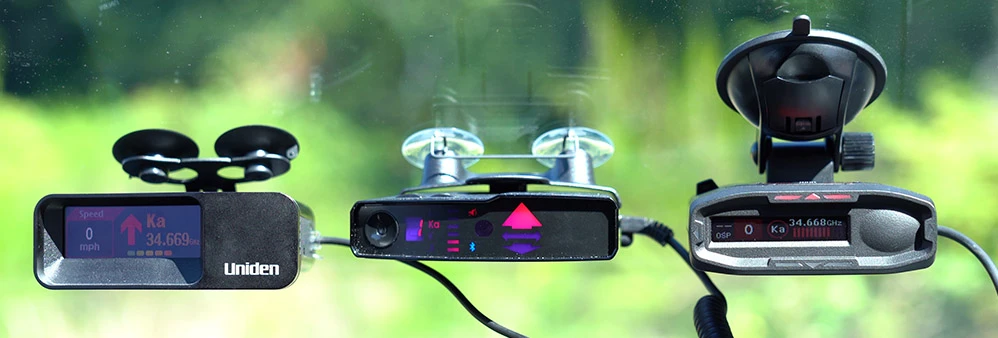
Place the radar detector where it has a clear view of the road ahead. Avoid metal or thick plastic areas that block signals.
Common good spots include behind the rearview mirror or on the dashboard near the windshield.
- Mount behind the rearview mirror for a clean view
- Place on the dashboard near the windshield
- Avoid spots blocked by car parts or tinted windows
- Keep it steady to prevent vibrations and false alerts
Power Supply Options
Most wireless radar detectors use a built-in battery or connect to your car’s power. Choose the best power source for your needs.
Using the car’s 12V outlet or hardwiring the detector provides continuous power without worrying about battery life.
- Built-in rechargeable batteries offer portability
- 12V cigarette lighter adapters are easy to use
- Hardwiring to the fuse box gives constant power
- Check power cable length and routing for safety
Maintaining Detector Performance
Clean the detector lens and keep the device free from dust and dirt. This helps it detect radar signals clearly.
Update the detector’s software regularly to improve detection and reduce false alarms.
- Wipe the lens with a soft cloth
- Keep the detector dry and avoid extreme heat
- Update the firmware using the manufacturer’s app or website
- Test the detector after installation to ensure it works properly
Credit: cannonwater.com
Legal And Ethical Considerations
Wireless radar detectors are popular among drivers. They help detect speed monitoring devices used by law enforcement. Understanding the legal and ethical aspects is crucial.
This guide explores the legality and ethical considerations of using radar detectors. It helps you make informed choices on the road.
Legality Of Radar Detector Use
The legality of radar detectors varies. Some places allow them, others don’t. Knowing the rules in your area is important to avoid fines.
- Radar detectors are legal in most U.S. states for passenger vehicles.
- They are illegal in Virginia and Washington D.C.
- Commercial vehicles cannot use them in the U.S.
- In Canada, their use is banned in most provinces.
Ethical Driving Practices
Even if radar detectors are legal, ethical driving remains essential. Safety and responsibility should guide your actions on the road.
Consider these ethical practices when driving:
- Always follow speed limits, regardless of radar detector use.
- Be aware of road conditions and adjust your speed accordingly.
- Respect other road users and maintain a safe distance.
- Avoid distractions and stay focused on driving.
Future Trends In Radar Detection Technology
Radar detectors help drivers avoid speeding tickets by sensing radar signals. New technology will make these detectors smarter and easier to use.
Innovations in radar detection will improve safety and accuracy on the road. Let’s explore some key future trends.
Advancements In Signal Processing
Signal processing will become faster and more precise. This will help detectors reduce false alarms from non-police radar sources.
- Use of artificial intelligence to recognize radar patterns
- Improved filtering to block unwanted signals
- Better detection of new radar types
- Faster response times to alert drivers
Integration With Vehicle Systems
Radar detectors will link directly with car systems. This connection allows for better alerts and can improve overall driving safety.
| Feature | Benefit |
| GPS Integration | Shows exact radar locations |
| Dashboard Display | Clear, easy-to-see alerts |
| Speed Data Sharing | Adjusts alerts based on your speed |
| Voice Commands | Keeps hands on the wheel |
Enhanced Wireless Capabilities
Wireless features will allow detectors to connect with smartphones and cloud services. This improves radar data sharing and updates.
- Real-time radar alerts from other drivers
- Automatic software updates over the air
- Remote control via mobile apps
- Cloud-based radar database access
Frequently Asked Questions
How Does A Wireless Radar Detector Detect Signals?
A wireless radar detector scans for radar frequencies emitted by police speed guns. It alerts drivers when it detects these signals nearby, helping them reduce speed and avoid tickets.
What Types Of Radar Signals Can It Detect?
Wireless radar detectors can detect X, K, and Ka band radar signals. These are the most common frequencies used by speed enforcement devices worldwide.
Does A Wireless Radar Detector Work Without Wires?
Yes, wireless radar detectors operate independently and do not require wired installation. They use internal antennas and battery power or vehicle power sources.
Can Wireless Radar Detectors Prevent Speeding Tickets Effectively?
While not foolproof, wireless radar detectors significantly increase awareness of speed traps. They help drivers slow down and reduce the chance of getting speeding tickets.
Conclusion
Wireless radar detectors send and receive signals to spot radar waves. They alert drivers about nearby speed monitoring devices. This helps drivers stay aware and drive safer. Technology in these devices keeps improving for better accuracy. Using one can reduce surprises on the road.
Understanding how they work makes choosing easier. Safe driving is always the best choice. Stay alert, stay safe, and drive smart.







