
Have you ever wondered how a radar detector actually works to keep you alert on the road? If you want to avoid unexpected speeding tickets and stay one step ahead of speed traps, understanding this device is key.
You’ll discover exactly how radar detectors pick up signals and give you that crucial early warning. By the end, you’ll know how to use your radar detector smarter and drive with more confidence. Keep reading to unlock the secrets behind this handy gadget!
Radar Detection Basics
Radar detectors help drivers know when police use radar to check speed. They alert you by sensing radar signals nearby. This gives drivers time to slow down.
Understanding how radar detectors work starts with learning about radar signals and the devices that send them. This helps explain how detectors sense these signals.
Radar Signals And Frequencies
Radar guns send out radio waves that bounce off moving cars. These waves have specific frequencies. The detector listens for these frequencies.
Most radar signals use three main frequency bands. These are called X, K, and Ka bands. Each band has different ranges and uses.
- X band: Oldest and lowest frequency, around 10.5 GHz
- K band: Medium frequency, about 24 GHz
- Ka band: Highest frequency, between 33 and 36 GHz
Types Of Radar Guns
Police use different radar guns to measure speed. Some are handheld, and some are mounted on vehicles.
There are two main types of radar guns: stationary and moving. Stationary guns stay in one place. Moving guns measure speed from a moving car.
- Stationary radar guns: Used from a fixed position
- Moving radar guns: Used in patrol cars on the road
- Lidar guns: Use light beams instead of radio waves
How Radar Detectors Sense Signals
Radar detectors have antennas that scan for radar signals. They listen for specific frequencies from radar guns.
When a radar detector finds a signal, it alerts the driver with sound or light. This warning helps drivers slow down before the radar measures speed.
- Detector antenna scans for radar frequencies
- Detects signal strength and frequency band
- Alerts driver with a beep or light signal

Credit: www.thedrive.com
Key Components Of Radar Detectors
Radar detectors help drivers know when police radar is near. They use different parts to find radar signals. Each part has a special job to keep you informed.
This guide explains the main parts of radar detectors and how they work together.
Antenna And Receiver
The antenna captures radar signals sent by police radar guns. The receiver then picks up these signals and sends them to the signal processor. The quality of the antenna affects how well the detector finds signals far away.
Signal Processor
The signal processor analyzes the signals from the receiver. It decides if the signal is from a real radar or just noise. This helps reduce false alerts and keeps the warnings accurate.
- Filters out background noise
- Identifies radar frequencies
- Determines signal strength
- Triggers alerts for real threats
Display And Alerts
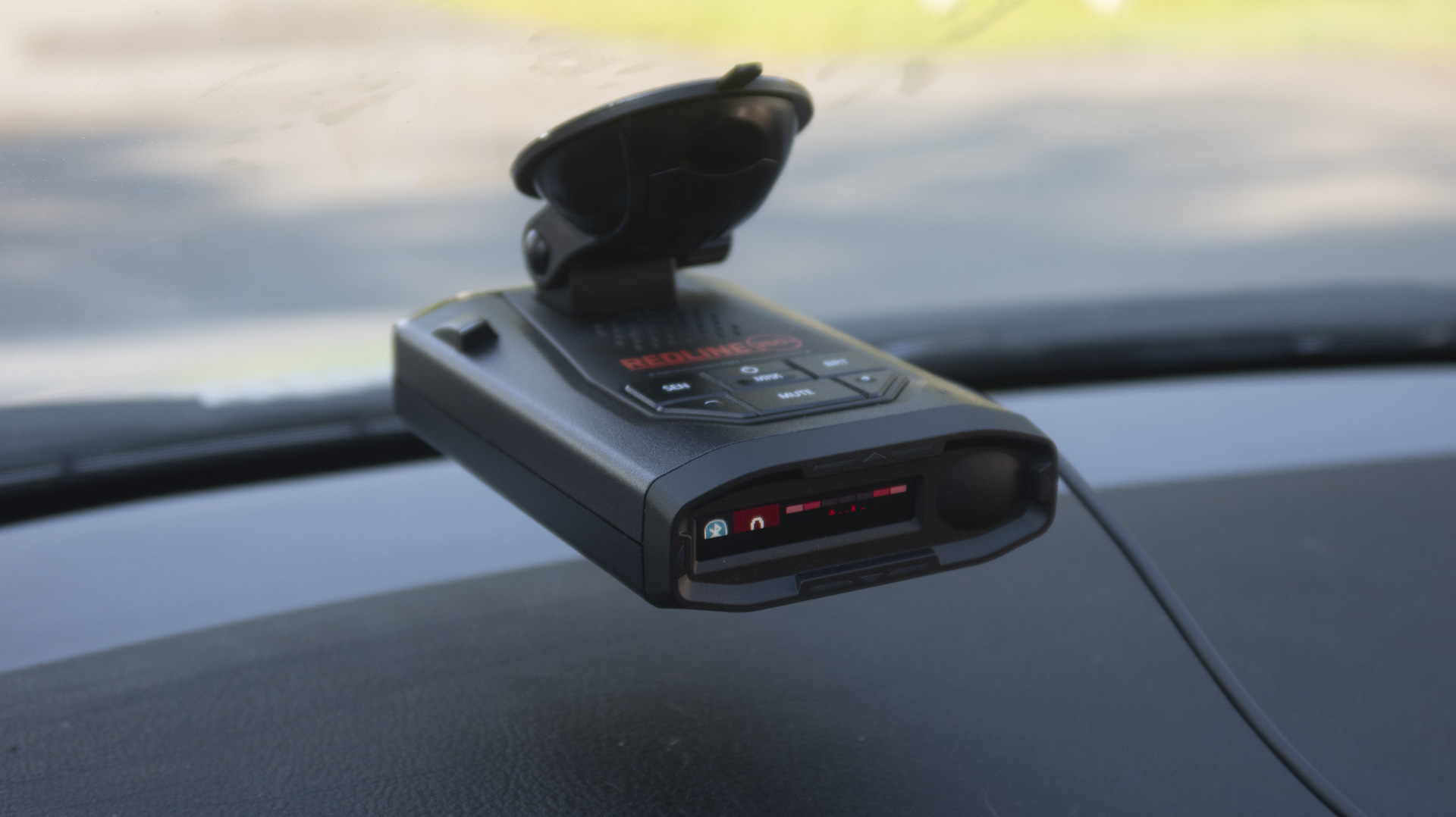
The display shows the radar type and signal strength. Alerts warn the driver with sounds or lights. This lets the driver react quickly to radar signals.
| Alert Type | Description |
| Visual | Icons or lights on the screen |
| Audio | Beeping sounds or voice messages |
| Vibration | Vibrations in the device or steering wheel |
Signal Processing Techniques
Radar detectors use signal processing to find radar signals on the road. These techniques help drivers get alerts about speed monitoring devices nearby.
The technology focuses on identifying real threats and ignoring false signals. This improves accuracy and reduces distractions.
Filtering False Alarms
Radar detectors must ignore signals from automatic doors and other non-threat sources. They use filters to block these false alarms.
- Signal strength analysis to ignore weak signals
- Frequency filtering to block signals outside radar bands
- Pattern recognition to spot common false alarm sources
- Time delay filters to avoid repeated alerts
Identifying Threat Levels
Not all radar signals are equal. Some are more dangerous than others. Detectors classify signals by their threat level.
| Threat Level | Description | Typical Signal Source |
| High | Strong, steady radar waves | Police speed radar |
| Medium | Intermittent or weak signals | Traffic monitoring devices |
| Low | Short bursts or unusual patterns | Automatic doors, other electronics |
Range And Sensitivity Factors
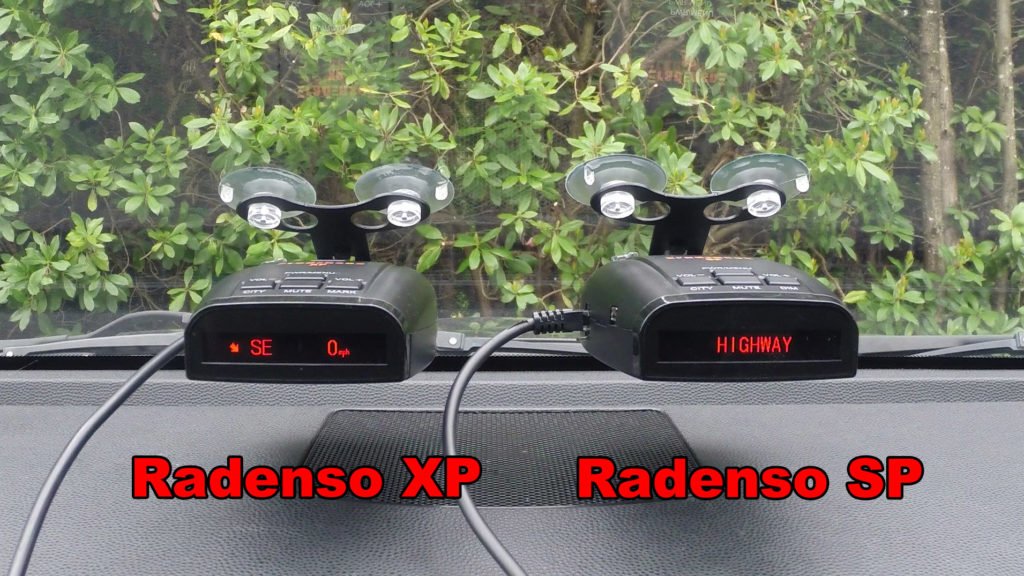
Radar detectors need the right range and sensitivity to work well. Too sensitive, and they give false alarms. Too weak, and they miss real threats.
Factors affecting range and sensitivity include:
- Detector antenna size and design
- Signal processing speed and power
- Environmental conditions like weather and terrain
- Interference from other electronic devices
Credit: www.vortexradar.com
Laser Detection And Countermeasures
Radar detectors help drivers avoid speeding tickets by alerting them to radar signals. Laser detection is different and harder to spot. It uses light beams instead of radio waves.
This article explains how laser speed guns work, the challenges in detecting lasers, and ways to counter laser detection.
How Laser Speed Guns Work
Laser speed guns send a focused beam of light to a vehicle. The beam reflects back to the gun. The gun measures the time it takes for the light to return.
This time helps calculate the speed of the vehicle. The beam is very narrow and fast. It targets a small area on the car, like the license plate or bumper.
Laser Detection Challenges
Laser beams are hard to detect because they use light, not radio waves. They are very focused and short in duration. This makes it difficult for detectors to pick up the signal.
Laser detectors need to react quickly to catch the beam. The beam’s narrow path means the detector must be in the right spot to see it.
- Laser beams are invisible to human eyes
- They last only a few milliseconds
- Detectors must respond very fast
- Beam covers a small, precise target area
Effective Laser Countermeasures
Some devices help drivers avoid laser detection. These devices either alert drivers or block the laser beam.
Laser jammers send out a light signal. This confuses the speed gun and stops it from getting a correct reading.
- Laser jammers emit light to disrupt speed gun readings
- Some detectors give a quick alert when laser is detected
- Proper placement on the vehicle is important for effectiveness
- Not all countermeasures are legal everywhere
Technological Advances In Radar Detectors
Radar detectors have changed a lot with new technology. These devices now do more than just detect signals. They use smart features that help drivers stay aware of their surroundings.
These advances make radar detectors easier to use and more accurate. Let’s look at some key improvements like GPS integration, mobile app connectivity, and automatic updates.
Gps Integration
GPS integration helps radar detectors know your exact location. This feature allows the device to warn you about fixed speed cameras and red light cameras ahead.
- Stores locations of known speed traps
- Reduces false alerts from non-police sources
- Tracks your speed and alerts if you go too fast
Mobile App Connectivity
Many radar detectors now connect to smartphones via apps. These apps provide real-time alerts and let you customize settings easily.
| Feature | Benefit |
| Real-time Alerts | Get instant warnings from other users |
| Custom Settings | Adjust sensitivity and alert types |
| Map Views | See radar locations on your phone screen |
Automatic Updates
Automatic updates keep radar detectors current without user effort. This feature downloads new radar locations and software fixes regularly.
Benefits of automatic updates:
- Ensures accuracy with latest speed trap data
- Improves device performance over time
- Reduces need for manual updates
Legal And Safety Considerations
Radar detectors are tools that drivers use to detect speed monitoring devices. Knowing the laws and safety aspects is important before using them.
Different regions have different rules about radar detector use. It’s essential to understand these laws to avoid penalties.
Radar Detector Laws By Region
Laws about radar detectors vary widely. Some places allow them, while others do not.
| Region | Legality |
| United States | Legal in most states |
| Canada | Illegal in many provinces |
| United Kingdom | Illegal |
Ethical Use And Road Safety
Using radar detectors responsibly is key to road safety. They should not encourage speeding.
- Do not rely solely on the detector for speed control.
- Always observe road signs and speed limits.
- Use detectors as a tool, not a license to speed.
Impact On Driving Behavior
Radar detectors can change how people drive. They may encourage some drivers to speed less when they know they are being monitored.
Choosing The Right Radar Detector
Radar detectors help drivers avoid speeding tickets. They alert you to police radar guns. Choosing the right one can be tricky. This guide will help you make an informed choice.
Features To Look For
Not all radar detectors are the same. Some have more features than others. Consider these important features when shopping for a radar detector.
- Range: Longer range detects radar from farther away.
- GPS: Helps reduce false alerts in known locations.
- Display: Easy-to-read displays are essential for quick glances.
- Voice Alerts: Allows you to keep your eyes on the road.
- App Compatibility: Connects with smartphones for more data.
Budget Vs Performance
More expensive models often offer better performance. But budget models can still provide good protection. Decide how much you are willing to spend before you shop.
Consider how often you drive and where. City drivers might need different detectors than highway drivers. Think about your driving habits when considering your budget.
User Reviews And Recommendations
Reading user reviews can help you choose a radar detector. Users share their experiences and tips. Look for patterns in reviews to spot common strengths and weaknesses.
- Check for reliability in real-world use.
- Look for easy installation and setup reviews.
- Read about customer service experiences.
Credit: www.thedrive.com
Frequently Asked Questions
How Does A Radar Detector Sense Police Radar Signals?
A radar detector scans frequencies used by police radar guns. It detects the radio waves emitted by these devices. When it senses a signal, it alerts the driver to slow down. This helps avoid speeding tickets by giving early warnings.
What Types Of Radar Signals Can Detectors Identify?
Radar detectors identify X, K, and Ka band signals. These bands are commonly used by law enforcement for speed monitoring. Some advanced detectors also detect laser (LIDAR) signals. This variety ensures broad protection against different radar types.
Can Radar Detectors Work In All Vehicles?
Yes, radar detectors work in most vehicles. They are typically plugged into the car’s power outlet or hardwired. Placement inside the vehicle affects detection range and accuracy. Proper installation ensures optimal performance and early warnings.
Are Radar Detectors Legal To Use Everywhere?
Radar detector legality varies by location. Many U. S. states allow them, but some ban their use. Commercial vehicles often face stricter rules. Always check local laws before using a radar detector to avoid fines.
Conclusion
Radar detectors sense radar signals from police speed guns. They alert drivers to slow down and avoid tickets. These devices use radio waves to detect radar beams. Understanding how they work helps you use them better. They do not stop speeding but warn you ahead.
Choose a detector that fits your driving needs. Stay safe and aware on the road always. Knowledge about radar detectors can improve your driving experience. Simple tools, smart use—that’s the key to safer drives.







