
Have you ever wondered how your car’s GPS knows exactly where you are and guides you to your destination without any confusion? Whether you’re driving through busy city streets or unfamiliar highways, your GPS makes sure you never get lost.
But how does this tiny device work so seamlessly? Understanding how a car GPS works can make you feel more confident and in control every time you hit the road. Keep reading, and you’ll discover the simple science behind the technology that keeps you on track.
Credit: i-trac.cn
Gps Technology Basics
Car GPS systems use special technology to find your location. They depend on signals sent from satellites in space. This helps drivers know where they are and how to reach their destination.
Understanding how GPS works can make using it easier and more effective. The system relies on several parts working together to give accurate directions.
Satellites And Signals
GPS satellites orbit the Earth and send signals to GPS receivers. These signals carry data about the satellite’s position and the exact time the signal was sent. The signals travel at the speed of light.
- There are at least 24 active GPS satellites.
- Satellites send continuous radio signals to Earth.
- GPS receivers listen for signals from multiple satellites.
- Signal timing helps calculate distance from satellites.
How Gps Receivers Work
A GPS receiver in a car receives signals from satellites. It measures how long each signal took to arrive. This time helps the receiver find its distance from each satellite. The receiver then uses this data to find its exact location on Earth.
| Step | Function |
| 1 | Receive signals from at least four satellites |
| 2 | Calculate distance from each satellite using signal time |
| 3 | Use distances to determine current position |
| 4 | Display location on map for navigation |
Triangulation Method
Triangulation is how GPS finds a location. The receiver uses distances from at least three satellites. Each distance creates a circle around the satellite. The point where these circles meet is the receiver’s location.
- Measure distance to three or more satellites.
- Create circles with each distance as radius.
- Find the point where all circles intersect.
- This point is your exact location on Earth.
Components Of Car Gps Systems
Car GPS systems help drivers find their way using technology. These systems include many parts that work together. Understanding these parts can help you see how GPS guides you.
The main components of a car GPS system are hardware, software with maps, and the user interface. Each plays a special role in navigation.
Hardware Elements
The hardware of a car GPS system includes all physical parts. These parts receive signals and show directions to the driver. Key hardware parts include the GPS receiver, antenna, and display screen.
- GPS Receiver:This device gets satellite signals to find the car’s location.
- Antenna:It captures signals from GPS satellites.
- Display Screen:Shows maps, routes, and directions to the driver.
- Processor:Calculates the car’s position and route.
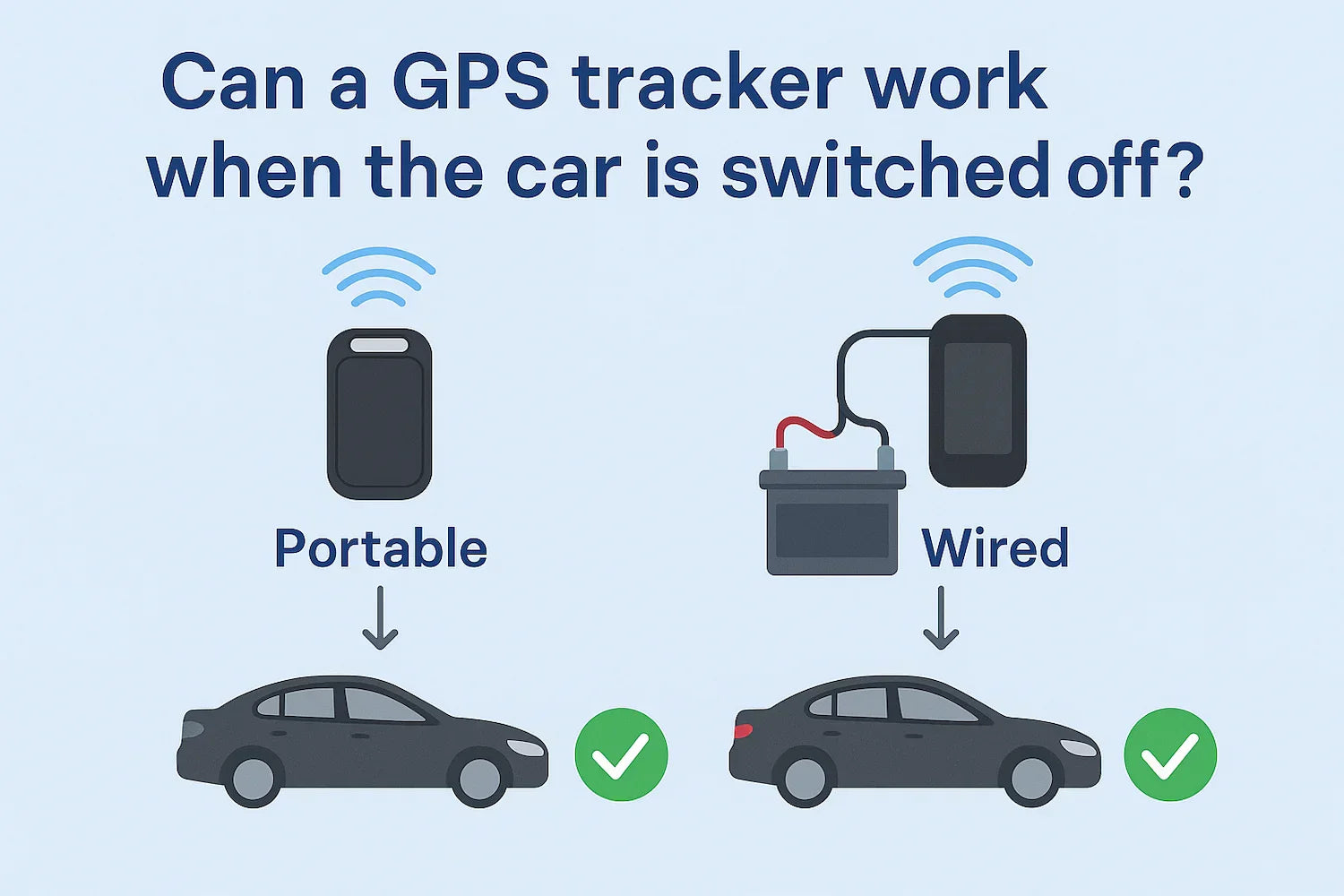
- Power Supply:Usually connected to the car’s battery or uses its own battery.
Software And Maps
Software controls how the GPS system works. It processes data from satellites and uses maps to guide the driver. Maps are digital files that include roads, landmarks, and points of interest.
| Software Component | Function |
| Navigation Software | Calculates routes and shows directions. |
| Map Data | Provides updated road and location info. |
| Traffic Updates | Offers real-time traffic conditions. |
| Route Planning | Helps find the best path to a destination. |
User Interface Features
The user interface lets the driver interact with the GPS system. It includes buttons, touchscreens, and voice commands. These features make navigation easy and safe.
- Touchscreen:Allows easy map zoom and route selection.
- Voice Commands:Lets drivers control GPS without hands.
- Visual Directions:Clear map views and turn-by-turn instructions.
- Audio Guidance:Spoken directions to keep eyes on the road.
Navigation Process In Cars
Car GPS systems help drivers find the best way to their destinations. They use satellites and maps to guide the car.
The navigation process includes locating the car, planning routes, and updating information while driving.
Location Detection
The GPS device finds the car’s position by talking to satellites in space. It needs signals from at least four satellites.
These satellites send signals that help the GPS calculate the exact location of the car on Earth.
Route Calculation
The GPS uses the car’s location and the destination to plan the best route. It looks for the shortest or fastest way.
The system checks roads, traffic rules, and possible stops to create a clear path to follow.
- Starts from the current location
- Finds possible roads and turns
- Chooses the quickest or shortest path
- Shows the route on the screen
Real-time Updates
The GPS gets live data about traffic, road work, and accidents. It updates the route to avoid delays.
This helps drivers save time and reach their destination safely and quickly.
Credit: www.newindianexpress.com
Accuracy And Limitations
Car GPS systems help drivers find their way by using satellite signals. These systems provide location data to guide you on roads. Understanding their accuracy and limits is important for safe and efficient driving.
Several factors affect how precise your GPS location can be. Also, common errors can cause wrong readings. Knowing ways to improve signal reliability helps get better results from your GPS.
Factors Affecting Precision
GPS accuracy depends on many things. Satellite positions, signal strength, and environmental obstacles all play a part. The number of satellites your device can connect with also matters. More satellites usually mean better accuracy.
- Number of visible satellites
- Signal blockage by buildings or trees
- Weather conditions like heavy rain or storms
- Quality of the GPS receiver in the car
- Interference from electronic devices
Common Gps Errors
Errors can cause your GPS to show incorrect locations. These errors come from several sources. Satellite clock errors and atmospheric delays are common problems. Multipath errors happen when signals bounce off surfaces before reaching your GPS.
| Error Type | Description |
| Satellite Clock Error | Incorrect timing from satellites affects location |
| Atmospheric Delay | Signal slows down passing through the atmosphere |
| Multipath Error | Signals bounce off buildings causing false readings |
| Receiver Noise | Internal GPS device errors reduce accuracy |
Improving Signal Reliability
Good signal quality helps your GPS work well. You can take steps to reduce errors and improve connection. Keep your GPS antenna clear of obstructions. Avoid parking near tall buildings or deep valleys.
- Place the GPS antenna on the dashboard or roof
- Update GPS software regularly for better accuracy
- Turn off other electronic devices that cause interference
- Use GPS signal boosters if needed in weak areas
Advanced Features In Modern Car Gps
Modern car GPS systems do more than just show directions. They offer advanced features that enhance your driving experience.
These features help drivers stay informed and make smarter decisions on the road.
Traffic And Weather Integration
Car GPS systems now include traffic and weather updates. This helps drivers avoid delays and dangerous conditions.
Real-time data keeps you aware of road conditions. It helps in planning better routes.
- Traffic alerts inform about congestion ahead
- Weather updates warn of storms or fog
- Alternate routes suggested for faster travel
Voice Commands And Alerts
Voice commands make it easy to use the GPS without taking your hands off the wheel. This ensures safer driving.
Alerts notify you about important information. These include speed limits and upcoming turns.
- Hands-free operation through voice control
- Audio alerts for key directions
- Customizable alert settings
Integration With Smartphones
Many car GPS units can connect with smartphones. This allows for seamless sharing of information.
Drivers can sync their phone contacts and use apps directly from the GPS screen.
- Access phone contacts for calling
- Use navigation apps from your phone
- Receive text messages on the GPS screen

Credit: blog.eyespysupply.com
Future Trends In Car Navigation
Car GPS systems are changing fast with new technology. These changes will make driving safer and easier.
We look at three big trends that will shape the future of car navigation.
Ai And Machine Learning
AI helps GPS learn the best routes based on traffic and driver habits. It can predict delays and suggest faster paths.
- Real-time traffic updates
- Personalized route suggestions
- Voice recognition for hands-free control
- Improved map accuracy over time
Augmented Reality Displays
Augmented reality (AR) shows navigation directly on the windshield. Drivers see directions without looking away from the road.
- Clear visual directions on the road
- Highlight important landmarks
- Show alerts for hazards ahead
Autonomous Driving Support
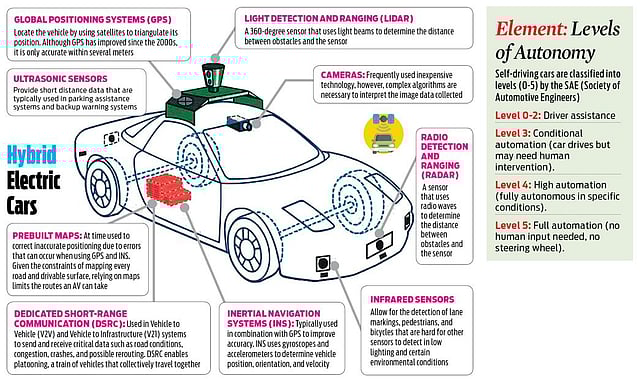
Self-driving cars use GPS to plan routes and avoid obstacles. Navigation must be very accurate to keep passengers safe.
| Feature | Role in Autonomous Driving |
| High-Precision GPS | Pinpoints exact car location |
| Sensor Data | Detects nearby objects and traffic |
| Map Updates | Keeps navigation current and reliable |
Frequently Asked Questions
How Does A Car Gps Find My Location?
A car GPS uses signals from multiple satellites to pinpoint your exact location. The device calculates distance based on signal travel time. This triangulation helps determine your precise position on the map in real-time.
What Technology Powers Car Gps Systems?
Car GPS systems rely on the Global Positioning System (GPS) technology. This system uses a network of satellites orbiting Earth. Your GPS device receives signals from these satellites to provide accurate navigation data.
Can A Car Gps Work Without Internet?
Yes, most car GPS devices work without internet. They use satellite signals to locate your position and provide directions. However, some features like live traffic updates require an internet connection.
How Accurate Is A Car Gps Device?
Car GPS devices are generally accurate within 3 to 10 meters. Accuracy depends on satellite signals, device quality, and environmental factors like tall buildings or tunnels. Modern GPS units use advanced technology to improve precision.
Conclusion
A car GPS uses satellites to find your exact location. It sends signals between your device and space to guide you. The system calculates distances to show the best route. GPS helps drivers avoid traffic and reach destinations safely. It works anywhere, day or night, rain or shine.
Understanding how GPS works makes using it easier and safer. This technology keeps improving to help drivers worldwide. Simple, reliable, and smart—GPS is a helpful travel tool.







