
Have you ever wondered how radar detectors actually work to keep you aware on the road? If you’re tired of unexpected speed traps catching you off guard, understanding this technology can give you an edge.
Imagine driving with confidence, knowing your detector can sense radar signals before they catch your speed. You’ll discover the simple science behind radar detectors and how they help you stay in control. Keep reading to unlock the secrets that make these devices a must-have for any driver who wants to avoid surprises and save money on tickets.
Credit: www.thedrive.com
Radar Detector Basics
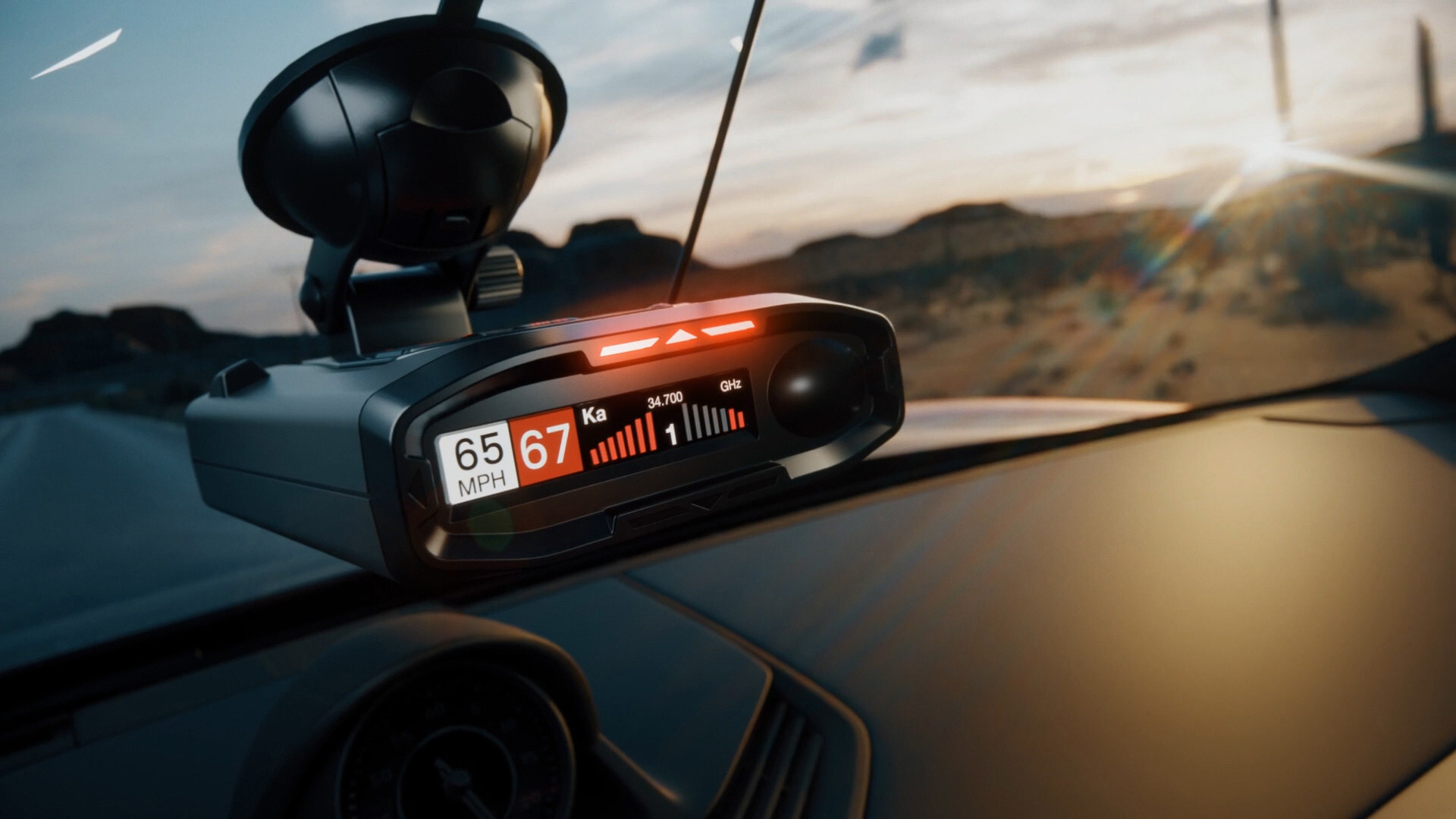
Radar detectors help drivers know when police radar is nearby. They alert drivers to slow down and avoid speeding tickets. These devices use radio waves to find radar signals from law enforcement.
Understanding how radar detectors work starts with knowing what signals they detect. Different radar bands are used by police, and detectors pick up these signals to warn drivers.
What Radar Detectors Detect
Radar detectors sense electromagnetic waves sent by police radar guns. These waves bounce off moving cars to measure speed. The detector alerts the driver when it finds these signals.
- Continuous Wave (CW) Radar: Sends a constant signal to measure speed.
- Pulse Radar: Sends short bursts of radar waves at intervals.
- LIDAR: Uses laser light instead of radio waves to measure speed.
Common Radar Bands
Police radar works on specific frequency bands. Radar detectors scan these bands to find radar signals. The main bands are X, K, and Ka.
| Radar Band | Frequency Range | Usage |
| X Band | 8 to 12 GHz | Older radar guns, less common today |
| K Band | 18 to 27 GHz | Common for police radar and automatic doors |
| Ka Band | 27 to 40 GHz | Most used by modern police radar guns |
Core Components
Radar detectors use special parts to find radar signals from police or other sources. These parts work together to spot signals quickly and alert the driver.
Understanding these main parts helps explain how radar detectors work to keep drivers informed.
Receiver And Antenna
The receiver and antenna are the first parts that detect radar waves. The antenna picks up signals sent by radar guns. Then, the receiver processes these signals.
- The antenna scans for radar frequencies in the area.
- The receiver tunes into these frequencies to find radar signals.
- It filters out unwanted signals to reduce false alerts.
- The receiver sends the signal data to the processing unit.
Signal Processing Unit
The signal processing unit analyzes the data from the receiver. It decides if the signal is a real radar or just noise. This unit then alerts the driver if needed.
| Function | Description |
| Signal Filtering | Removes false signals and background noise |
| Signal Analysis | Checks signal strength and frequency |
| Alert Trigger | Activates warning if radar is detected |
| Driver Notification | Provides sound or visual alerts |
Signal Detection Process
Radar detectors help drivers know when police use radar guns. They do this by sensing radar signals from police devices.
The detection process has two main parts. First, the radar waves are captured. Then, the signals are filtered and identified.
How Radar Waves Are Captured
Radar detectors have antennas that catch radar waves in the air. These waves come from police radar guns.
The antenna scans different directions to find signals. It listens for specific radar frequencies used by police.
- The antenna receives radio waves from radar guns
- It works like a radio to catch these signals
- The detector checks many frequency bands for signals
- The device scans often to catch fast signals
Filtering And Identifying Signals
Radar detectors must tell real radar from other signals. They use filters to remove false signals.
The detector looks at signal strength and pattern. It identifies the type of radar wave it found.
- Filters block signals from things like automatic doors
- Detector checks if signal matches police radar patterns
- It measures signal speed and frequency changes
- Only alerts driver if signal is from radar gun
Credit: www.vortexradar.com
Types Of Radar Detectors
Radar detectors help drivers know if police use radar to check speed. They detect signals from radar guns.
There are different types of radar detectors. Each type works in a unique way.
Corded Vs. Cordless
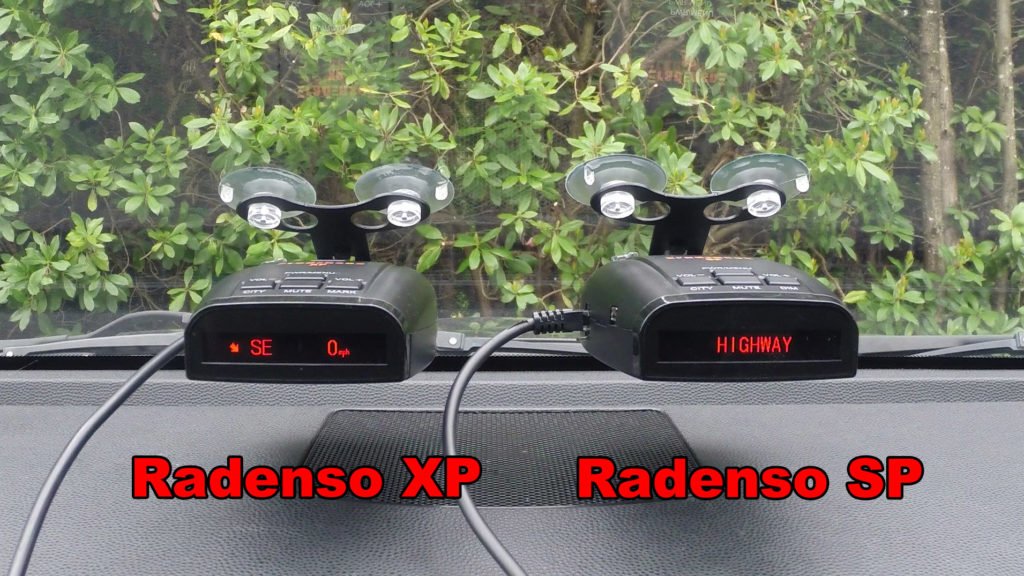
Corded radar detectors plug into your car’s power outlet. They stay powered as long as your car is on.
Cordless radar detectors run on batteries. You can move them easily between vehicles.
- Corded:Constant power, usually mounted on windshield
- Cordless:Portable, needs charging or battery replacement
Basic Vs. Advanced Models
Basic radar detectors alert you to radar signals nearby. They give simple warnings with sound or light.
Advanced models offer extra features. They detect more radar bands and reduce false alarms.
- Basic Models:Simple alerts, fewer features, less expensive
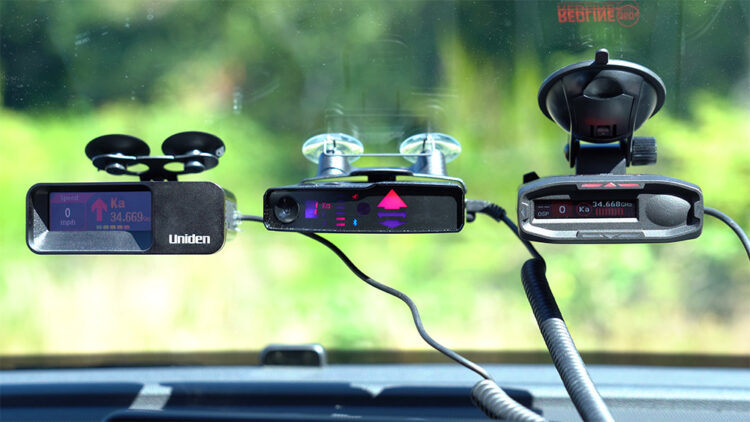
- Advanced Models:Better detection, GPS, alerts for camera locations
Techniques To Avoid False Alarms
Radar detectors often pick up many signals while driving. Some signals come from radar guns, but others come from harmless sources.
False alarms can annoy drivers and reduce detector usefulness. This guide explains two key ways detectors avoid false alerts.
Filtering Roadside Signals
Radar detectors use filters to ignore non-police signals. These filters look at signal patterns and strength to decide if a signal is real.
- Ignore signals from automatic door openers.
- Block signals from adaptive cruise control systems.
- Use signal strength to judge distance and relevance.
- Identify common false signal frequencies and block them.
Gps Integration
Many radar detectors include GPS to reduce false alarms further. GPS helps by knowing the car’s location and past signal spots.
| GPS Function | How It Helps |
| Store False Alarm Locations | Detector ignores signals from these spots next time. |
| Recognize Fixed Radar Locations | Alerts only for real threats, ignoring harmless signals. |
| Speed and Direction Data | Filters out signals not matching driving speed or direction. |
| Map Integration | Shows driver exact location of speed traps and cameras. |
Credit: www.vortexradar.com
Legal Considerations
Radar detectors are devices used by drivers to detect if their speed is being monitored by law enforcement using radar guns. Understanding the legal landscape is crucial for anyone considering their use.
Different regions have varying laws about radar detectors. Knowing these laws can help you avoid fines and legal trouble.
Radar Detector Laws By Region
Radar detector laws differ by region. Some places allow their use, while others have strict rules against them.
- United States: Legal in most states, but illegal in Virginia and Washington D.C.
- Canada: Banned in all provinces except British Columbia, Alberta, and Saskatchewan.
- Europe: Most countries prohibit their use; fines are common.
Penalties And Restrictions
Penalties for using radar detectors can include fines, confiscation of the device, or points on your driving record.
| Region | Penalty |
| Virginia, USA | Fine up to $250 |
| Ontario, Canada | Fine up to $1,000 |
| France | Device confiscation and €1,500 fine |
Future Trends
Radar detectors are evolving rapidly. They are becoming smarter with each passing year. New trends are shaping their future.
These trends include integration with smart vehicles and advancements in detection technology. Let’s explore these developments.
Integration With Smart Vehicles
Smart vehicles are changing the way radar detectors work. They can connect directly with a vehicle’s system. This integration offers new benefits.
Smart vehicles can:
- Alert drivers through the car’s display
- Automatically adjust speed based on alerts
- Share data with other smart vehicles on the road
Advancements In Detection Technology
Detection technology is getting better. New detectors can identify multiple signal types. They offer better accuracy and speed.
| Technology | Benefit |
| Signal Filtering | Reduces false alerts |
| Long-Range Detection | Detects signals from farther distances |
| GPS Integration | Tracks locations of speed traps |
Frequently Asked Questions
How Do Radar Detectors Sense Police Radar Signals?
Radar detectors scan for specific radio frequencies used by police radar guns. They identify these signals early, alerting drivers to slow down. The device uses sensitive receivers to detect the radar waves reflected off vehicles, providing timely warnings to avoid speeding tickets.
Can Radar Detectors Detect Laser Speed Guns?
Yes, advanced radar detectors can detect laser speed guns, also called LIDAR. They sense the infrared light pulses emitted by laser guns. However, laser detection range is shorter, so alerts come with less reaction time compared to radar signals.
Are Radar Detectors Legal To Use Everywhere?
Radar detector legality varies by location. They are legal in most U. S. states except Virginia and Washington D. C. Some countries ban or restrict their use. Always check local laws before using a radar detector to avoid fines or confiscation.
How Accurate Are Radar Detectors In Detecting Speed Traps?
Radar detectors are generally accurate in detecting speed traps using radar technology. They alert drivers to radar signals but cannot measure speed themselves. Accuracy depends on detector quality, signal strength, and environmental factors like terrain and traffic.
Conclusion
Radar detectors help drivers notice speed monitoring devices early. They send signals to find radar waves from police guns. This gives drivers time to slow down and avoid tickets. These devices use sensors and technology to work well. Understanding how radar detectors function can keep you safer on the road.
Always stay alert and drive carefully, even with a detector. Technology helps, but safe driving is the best choice. Choose the right detector and use it wisely to stay informed.







