
Are your leather car seats looking dull, stained, or worn out? You want them to look fresh and feel comfortable every time you get behind the wheel.
But cleaning leather can be tricky—you don’t want to damage the material or leave spots behind. What if there was a simple, effective way to bring back that smooth, shiny finish without spending hours or using harsh chemicals? Keep reading, and you’ll discover easy steps and expert tips to clean your leather car seats like a pro.
Your car deserves it, and so do you.
Choosing The Right Cleaning Products
Cleaning leather car seats needs care and the right products. Using the wrong cleaner can damage the leather. It is important to pick safe options that keep the leather soft and clean.
Learn about leather-safe cleaners, homemade solutions, and which chemicals to avoid. This guide will help you protect your car seats while cleaning them well.
Leather-safe Cleaners
Leather-safe cleaners are made specifically for leather surfaces. They clean without drying out or cracking the leather. Look for products labeled “for leather” or “leather-safe.”
- Mild soap-based cleaners
- Leather conditioners combined with cleaning agents
- pH-balanced solutions designed for leather
- Products free from harsh abrasives or alcohol
Homemade Solutions
You can clean leather seats using simple homemade solutions. These use gentle ingredients that will not harm the leather. Always test on a small hidden area first.
| Ingredient | Use | Note |
| Distilled water | Dilute cleaners | Prevents mineral spots |
| White vinegar | Light cleaning | Use sparingly, dilute 1:1 |
| Olive oil | Conditioning | Apply very lightly |
| Mild liquid soap | Remove dirt | Use few drops in water |
Avoiding Harmful Chemicals
Some chemicals damage leather quickly. Avoid cleaners with strong acids, alcohol, or ammonia. These dry out and crack the leather.
- Do not use bleach or harsh detergents
- Avoid products with acetone or nail polish remover
- Steer clear of ammonia-based cleaners
- Skip any cleaner that leaves a sticky or dry residue
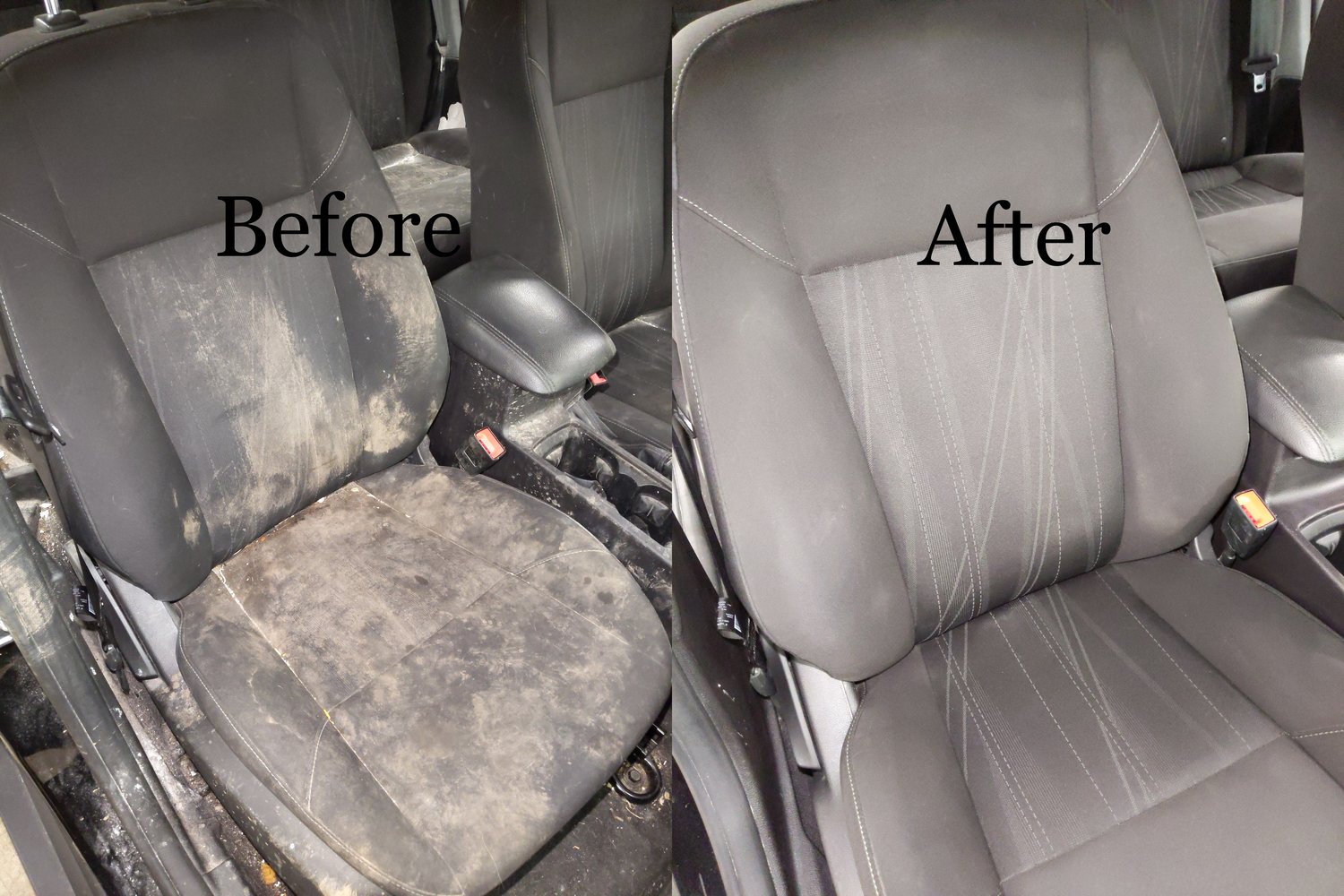
Credit: www.drivebydetail.net
Preparing Your Car Seats
Cleaning leather car seats starts with good preparation. Getting the seats ready helps protect the leather and improves cleaning results.
Taking time to prepare your seats will keep them looking nice and last longer. You will avoid damage by being careful.
Vacuuming Dirt And Debris
First, remove loose dirt and dust from the seats. Use a vacuum cleaner with a soft brush attachment to avoid scratching the leather.
Make sure to reach all crevices and seams where dirt can hide. This step stops dirt from rubbing into the leather during cleaning.
- Use low suction to protect the leather
- Vacuum seat surfaces, seams, and edges
- Check for crumbs or small stones
Testing Cleaners On Small Areas
Before using any cleaner, test it on a small hidden part of the seat. This helps you see if the cleaner causes damage or discoloration.
Wait a few minutes after applying the cleaner to check for any change in color or texture. Only use the cleaner if the test area looks good.
- Choose a hidden spot like under the seat
- Apply a small amount of cleaner
- Wait 5 to 10 minutes to observe results
- Look for color fading or leather damage
Step-by-step Cleaning Process
Cleaning leather car seats keeps them soft and looking good. You need to use gentle methods to avoid damage.
This guide shows simple steps to clean your seats safely and well.
Applying Cleaner Gently
Choose a cleaner made for leather. Test it on a small spot first. Use a soft cloth to apply the cleaner. Rub lightly in small circles. Do not soak the leather.
Using Soft Brushes And Cloths
Use a soft brush or microfiber cloth to remove dirt. Brush gently along the grain of the leather. Avoid hard scrubbing to keep the surface smooth.
- Soft-bristled brush for deep cleaning
- Microfiber cloth for wiping
- Use clean tools each time
- Work in small sections
Wiping Off Residue
After cleaning, wipe off all cleaner residue. Use a damp cloth with plain water. Make sure no cleaner stays on the leather.
| Cleaning Step | Tool Needed | Action |
|---|---|---|
| Apply Cleaner Gently | Soft Cloth | Rub in small circles, do not soak |
| Use Soft Brushes and Cloths | Soft Brush, Microfiber Cloth | Brush and wipe dirt softly |
| Wipe Off Residue | Damp Cloth | Remove all cleaner with water |

Credit: apexautopros.com
Conditioning Leather Seats
Leather car seats need care to stay soft and strong. Conditioning helps keep leather clean and prevents cracks.
Using the right conditioner and applying it well can make your seats last longer. Learn how to condition leather seats properly.
Choosing The Right Conditioner
Pick a conditioner made for leather car seats. Avoid products with wax or silicone, which can damage leather.
Look for conditioners with natural oils and gentle formulas. These keep leather soft and help it breathe.
- Use pH-balanced leather conditioner
- Avoid harsh chemicals and alcohol
- Choose products without dyes or fragrances
Application Techniques
Clean the seats first with a soft cloth and mild soap. Let the leather dry before applying conditioner.
Apply conditioner with a soft cloth or sponge. Use small amounts and rub gently in circles.
- Test conditioner on a hidden spot first
- Work in small sections for even coverage
- Wipe off extra conditioner after 10 minutes
- Allow seats to air dry fully before use
Frequency Of Conditioning
Condition leather seats every three to six months. This keeps leather soft and stops it from drying out.
If you live in hot or dry places, condition more often. Check your seats regularly for dryness or cracks.
- Condition seats every 3-6 months normally
- Increase frequency in hot, dry climates
- Condition sooner if leather feels rough or dry
Preventing Future Damage
Leather car seats look great but can wear out fast without care. Keeping them clean is not enough. You need to protect them to last longer.
Preventing damage helps avoid cracks, fading, and stains. A few simple habits can keep your seats in good shape.
Regular Maintenance Tips
Clean your leather seats often using gentle products. Dust and dirt can cause scratches if left too long.
Use a soft cloth or brush to remove dirt. Condition the leather every few months to keep it soft and prevent drying out.
- Vacuum seats to remove loose dirt
- Wipe with a damp cloth for light cleaning
- Apply leather conditioner every 3-6 months
- Avoid harsh chemicals that harm leather
Protecting From Sun And Heat
Sunlight and heat cause leather to fade and crack. Protect your seats by limiting exposure to these elements.
Use sunshades or park in shaded areas when possible. Keep windows slightly open on hot days to reduce heat buildup inside the car.
- Use windshield sunshades during parking
- Park under trees or covered areas
- Avoid leaving car in direct sunlight for long times
- Ventilate car interior on hot days
Avoiding Sharp Objects
Sharp objects can scratch or tear leather seats. Be careful with keys, tools, and pets inside your car.
Check pockets for items that can poke through. Use seat covers if you often carry items that might cause damage.
- Remove sharp items before getting in the car
- Keep pets in carriers or on blankets
- Use seat covers for extra protection
- Fix small tears quickly to prevent spreading
Dealing With Stains And Spills
Leather car seats need special care to stay clean. Stains and spills are common issues. You can keep them in great condition with a few simple steps.
Different stains require different cleaning methods. Learn how to handle various types of stains on leather car seats.
Removing Ink And Dye
Ink and dye stains can be tough on leather. Quick action is crucial. You should use rubbing alcohol or a specialized leather cleaner.
Handling Oil And Grease
Oil and grease can damage leather over time. Blot the stain with a dry cloth as soon as possible. Avoid rubbing, which can spread the stain.
- Apply cornstarch or baking soda to absorb oil.
- Let it sit for a few hours or overnight.
- Vacuum the powder and check the stain.
- Repeat if necessary until the stain is gone.
Tackling Water Spots
Water spots are common on leather. They can be easily fixed with a gentle approach. Dampen a soft cloth with distilled water.
Wipe the entire area where the spot is located. Allow the leather to dry naturally. This should blend the spot with the rest of the seat.
When To Seek Professional Help
Cleaning leather car seats can be tricky. Sometimes, it’s best to let professionals handle it. They know how to treat leather safely.
If your seats have serious issues, expert help is wise. They can save your seats from further harm.
Signs Of Severe Damage
Severe damage can make cleaning hard. Look for these signs to know if you need help.
- Tears or holes in the leather
- Deep stains that won’t come out
- Faded color or severe cracking
- Strong odors that linger
Benefits Of Professional Cleaning
Professionals offer many benefits. They use the best tools and products for the job.
Expert cleaning extends the life of your car seats. It also keeps them looking new.
- Safe and effective cleaning techniques
- Prevents further damage to leather
- Restores the original look and feel
- Removes tough stains and odors
Credit: www.fibrenew.com
Frequently Asked Questions
How Often Should I Clean Leather Car Seats?
Clean leather car seats every 3 to 6 months to maintain their appearance. Frequent cleaning prevents dirt buildup and keeps the leather soft and supple. Regular conditioning also helps to avoid cracks and fading caused by sun exposure.
What Materials Are Best For Cleaning Leather Car Seats?
Use a soft microfiber cloth and a pH-balanced leather cleaner. Avoid harsh chemicals or abrasive tools that can damage the leather. For conditioning, choose a quality leather conditioner to nourish and protect the seats.
Can I Use Household Cleaners On Leather Car Seats?
No, household cleaners can damage leather by drying it out or causing discoloration. Always use products specifically designed for leather care. These maintain the leather’s natural oils and extend its lifespan.
How Do I Remove Stains From Leather Car Seats Safely?
Blot spills immediately with a clean cloth. For stains, use a leather cleaner and gently rub the area. Avoid soaking the leather and always test the cleaner on a hidden spot first.
Conclusion
Cleaning leather car seats keeps your car looking fresh and new. Use gentle cleaners and soft cloths to protect the leather. Regular care stops cracks and fading from sun damage. Small spills should be wiped quickly to avoid stains. Avoid harsh chemicals that can harm the leather’s surface.
With simple steps, your seats stay soft and comfortable. A clean car interior makes every drive more enjoyable. Keep your leather seats cared for, and they will last longer. Easy to do, worth the effort.







