
Have you ever reached for your car lighter only to find it’s not working? It’s frustrating, especially when you need it the most.
The cause might be a simple fuse problem. Understanding how the fuse for your car lighter works can save you time, money, and stress. You’ll learn how to check, replace, and protect this small but vital part of your vehicle.
Keep reading, and you’ll never be caught off guard again.

Credit: www.amazon.com
Role Of Fuse In Car Lighter
The fuse in a car lighter is a safety device. It stops too much electrical current from flowing.
It protects the wiring and the car lighter from damage. Without a fuse, the circuit could overheat.
How Fuse Protects The Circuit
The fuse breaks the circuit if the current is too high. This stops electricity from causing harm.
When the fuse melts, it cuts off power. This prevents fires and damage to the car’s electrical system.
- Detects excess current flow
- Melts to stop electricity
- Prevents overheating and fires
- Protects wiring and devices
Types Of Fuses Used
Car lighters use small fuses made for low voltage circuits. They come in different styles.
Common types include blade fuses and glass tube fuses. Each type fits different fuse holders.
- Blade Fuses:Plastic body with metal blades, easy to replace
- Glass Tube Fuses:Cylindrical glass with metal caps, visible fuse wire
- Mini Fuses:Smaller blade fuses for compact spaces
Credit: www.toyotanation.com
Common Fuse Issues In Car Lighters
Car lighters rely on fuses to protect the electrical system. Fuses stop damage by breaking the circuit if there is too much current. Knowing the common fuse issues can help you fix car lighter problems quickly.
This guide explains how to spot blown fuses and why fuse failures happen in car lighters. Understanding these points can save time and avoid further damage.
Blown Fuse Symptoms
A blown fuse in a car lighter shows clear signs. The lighter may stop working or the socket may have no power. Sometimes, other electrical parts linked to the same fuse also fail.
- The lighter does not heat up at all.
- Power outlets connected to the fuse lose electricity.
- The fuse wire inside looks melted or broken.
- Frequent fuse blowing after replacement.
- Electrical smell or slight burning near the fuse box.
Causes Of Fuse Failure
Fuse failure often results from simple but serious problems. Many causes can make the fuse blow repeatedly or fail at the wrong time.
| Cause | Description |
| Short Circuit | Wires touch each other causing a surge of electricity. |
| Overload | Too many devices use power from the same fuse. |
| Corrosion | Rust on fuse contacts prevents good connection. |
| Wrong Fuse Rating | Fuse with lower amp rating blows under normal load. |
| Damaged Wiring | Frayed or broken wires cause electrical faults. |
Selecting The Right Fuse
Choosing the correct fuse for your car’s lighter is important. It protects the electrical system from damage.
A fuse must match the electrical needs of the lighter to work safely and effectively.
Checking Fuse Ratings
Fuse ratings show the maximum current the fuse can handle. Using a fuse with the wrong rating can cause problems.
- Check the ampere rating printed on the fuse.
- Match the fuse rating to the car lighter’s power needs.
- Never use a fuse with a higher rating than recommended.
- Replace blown fuses with the same rating only.
Importance Of Manufacturer Specifications
Manufacturers provide fuse specifications to keep your car safe. These details guide you to pick the correct fuse type and rating.
| Specification | Why It Matters |
| Fuse Type (e.g., blade, glass) | Ensures proper fit and function |
| Current Rating (amps) | Prevents electrical overload |
| Voltage Rating | Matches the car’s electrical system |
| Manufacturer’s Part Number | Helps find exact replacement |
Replacing A Car Lighter Fuse
The car lighter fuse protects the cigarette lighter circuit. If the lighter stops working, the fuse may be blown. Replacing the fuse is a simple task you can do yourself.
This guide will help you find the fuse box and replace the car lighter fuse safely.
Locating The Fuse Box
Most cars have one or two fuse boxes. The main fuse box is usually under the dashboard on the driver’s side. Another fuse box may be found under the hood.
- Check under the dashboard near the steering wheel.
- Look inside the glove compartment.
- Inspect the engine bay for a fuse box cover.
- Use the car manual to find the exact location.
The fuse box cover often has a diagram showing fuse locations. Find the fuse labeled “Cigarette Lighter” or “Power Outlet.”
Step-by-step Replacement Guide
Follow these steps to replace the car lighter fuse safely and quickly.
- Turn off the car and remove the key from the ignition.
- Open the fuse box cover and locate the car lighter fuse.
- Use a fuse puller or needle-nose pliers to remove the old fuse.
- Check the fuse to see if the metal strip inside is broken.
- Replace it with a fuse of the same amperage rating.
- Put the fuse box cover back on securely.
- Turn on the car and test the cigarette lighter.
| Tool | Purpose |
| Fuse puller or pliers | Remove and insert the fuse safely |
| Replacement fuse | Replace the blown fuse with correct amperage |
| Car manual | Identify fuse box and fuse locations |
Preventive Tips For Fuse Longevity
Fuses protect your car’s lighter socket from electrical damage. Keeping these fuses in good shape helps avoid sudden failures.
Simple care and checks can make your fuse last longer. This saves time and prevents costly repairs.
Avoiding Overloads
Overloads happen when too much current flows through the fuse. This causes the fuse to blow and stops power to the lighter.
Do not connect many devices at once to the lighter socket. Use only one device that matches the socket’s power limits.
- Check the power rating of your devices before use
- Avoid using multiple chargers or adapters together
- Use only devices designed for car lighter sockets
Regular Electrical System Checks
Inspect your car’s electrical system often. Look for loose wires or signs of damage near the lighter socket.
Replace worn or damaged parts immediately. Clean contacts to keep good power flow and avoid fuse problems.
- Check fuse condition and replace if corroded
- Inspect socket for dirt or debris
- Test the lighter socket with a voltmeter
- Have a professional check wiring if unsure
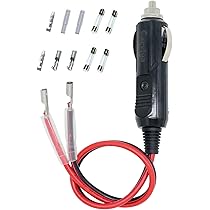
Credit: www.amazon.ca
Troubleshooting Persistent Fuse Problems
Car fuses protect electrical components from damage. When a fuse blows, it disrupts power flow. Fixing persistent fuse issues is crucial for a smooth ride.
Understanding the root of fuse problems saves time and money. Let’s explore how to identify and solve these issues.
Identifying Wiring Issues
Wiring issues often cause fuse problems. Damaged wires can lead to short circuits and blown fuses.
- Check for exposed or frayed wires.
- Ensure wires are not touching metal parts.
- Look for signs of overheating or melting.
If you find any damaged wires, replace them immediately. This prevents further electrical issues.
When To Consult A Professional
Sometimes, solving fuse issues requires expert help. Knowing when to seek professional assistance is important.
If you experience frequent fuse problems, consult a mechanic. They have tools to diagnose complex issues.
Here is a simple guide:
| Problem | Consultation Needed |
| Fuses blow repeatedly | Yes |
| Burnt smell near fuse box | Yes |
| Single occurrence of blown fuse | No |
Professional assistance ensures safety and prolongs the lifespan of your car’s electrical system.
Frequently Asked Questions
What Does The Fuse For Lighter In Car Do?
The fuse protects the car lighter circuit from electrical overloads. It prevents damage by breaking the circuit if current exceeds safe limits. This ensures safety and proper functioning of the lighter and connected devices.
How To Check If Car Lighter Fuse Is Blown?
Locate the fuse box, usually under the dashboard. Use the car manual to find the lighter fuse. Inspect it visually or with a multimeter. A blown fuse appears broken or has no continuity.
Can I Replace Car Lighter Fuse Myself?
Yes, replacing the fuse is simple and safe. Ensure the car is off before removing the old fuse. Use the exact fuse rating for replacement. This prevents electrical problems and keeps the lighter working.
What Happens If Lighter Fuse Keeps Blowing In Car?
Repeated fuse blows indicate an electrical fault or short circuit. It may be caused by a faulty lighter socket or wiring issue. Have a professional inspect and repair the problem to avoid further damage.
Conclusion
A fuse keeps your car lighter safe from electrical problems. It stops damage by breaking the circuit if there is a fault. Checking the fuse regularly helps avoid sudden failures. Replacing a blown fuse is simple and saves time. Always use the right fuse type for your car lighter.
This small part plays a big role in car safety. Remember, a good fuse means a reliable lighter every time. Take care of it, and your car’s power stays steady.







