
Have you ever struggled to see the road clearly when fog rolls in or heavy rain hits? Your regular headlights might not be enough to guide you safely.
That’s where fog lights come in. These special lights can make a huge difference in your driving experience by improving visibility and reducing glare. If you want to drive with more confidence and keep yourself and others safe, understanding fog lights on your car is a must.
Keep reading to discover how fog lights work, why they matter, and how to choose the best ones for your vehicle.
Benefits Of Fog Lights
Fog lights are special lights on a car. They help drivers see better in foggy conditions. Using fog lights can keep you safer on the road.
These lights are different from regular headlights. They shine low and wide to cut through fog. This makes the road clearer for drivers.
Improved Visibility In Fog
Fog blocks normal headlights and reduces vision. Fog lights shine low and spread wide. This reduces light reflection from fog. It helps drivers see the road and edges better.
- Better view of road lines and signs
- Clearer sight of obstacles ahead
- Reduced glare from fog reflection
Enhanced Safety In Bad Weather
Fog lights improve safety in rain, snow, and fog. They make your car more visible to others. This lowers the risk of crashes in bad weather.
| Weather Condition | Fog Light Benefit |
| Fog | Improves road visibility |
| Heavy Rain | Makes car easier to see |
| Snow | Helps spot road edges |
Reduced Glare For Oncoming Drivers
Fog lights aim low to avoid blinding other drivers. This reduces glare and glare-related accidents. Oncoming drivers can keep their eyes on the road.
Benefits of low glare fog lights:
- Less eye strain for all drivers
- Safer night driving
- Better reaction time in foggy conditions
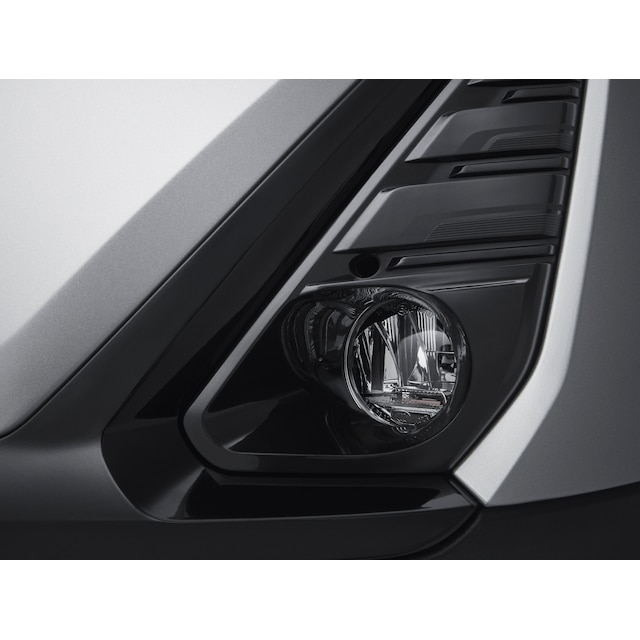
Credit: accessories.gmc.com
Types Of Fog Lights
Fog lights help drivers see better in foggy or bad weather. They make the road clearer and safer.
There are different types of fog lights. Each type uses a different light source with unique features.
Halogen Fog Lights
Halogen fog lights are the most common type. They use a filament inside a glass bulb to make light.
These lights are affordable and easy to replace. They produce a warm yellow light that cuts through fog well.
- Cost-effective and widely available
- Warm yellow light reduces glare
- Shorter lifespan than other types
Led Fog Lights
LED fog lights use light-emitting diodes. They are energy-efficient and last much longer than halogens.
LEDs produce a bright white light. They turn on quickly and handle vibrations well, making them good for fog lights.
- Low energy use and long life
- Bright white light improves visibility
- More expensive than halogen lights
Hid Fog Lights
HID fog lights use gas to create a bright light. They are brighter than halogen and LED lights.
HIDs give off a strong white or blue light. They use more power and cost more but improve seeing in heavy fog.
- Very bright light for clear vision
- Consumes more power than LEDs
- Higher cost and complex installation
Choosing The Right Fog Lights
Fog lights help you see better in bad weather. Picking the right ones improves safety.
Learn how to choose fog lights that fit your car and driving needs.
Compatibility With Your Car
Not all fog lights fit every vehicle. Check your car’s make and model first. Look at the size and shape of your current lights.
- Check the fog light housing size.
- Match the wiring and connectors.
- Verify the voltage requirements.
- Confirm the mounting style.
Brightness And Beam Pattern
Fog lights should be bright but not blind other drivers. Look for a wide, low beam.
| Feature | Recommended |
| Brightness | 300 to 700 lumens |
| Beam Pattern | Wide and flat |
| Color Temperature | 3000K to 4000K (yellow-white) |
Energy Efficiency And Lifespan
Choose fog lights that use less power and last longer. LED lights are often better than halogen bulbs.
- Lower energy use
- Longer lifespan, up to 30,000 hours
- Cooler operation reduces damage risk
Installation Tips
Fog lights improve your car’s visibility in bad weather. Installing them correctly is important for safety and function. This guide covers key tips for installing fog lights on your car.
Whether you choose to do it yourself or hire a pro, knowing the right placement, angle, and wiring helps you get the best results.
Diy Vs Professional Installation
Installing fog lights yourself can save money. You need basic tools and some car knowledge. A professional offers experience and may avoid mistakes.
- DIY saves cost but needs time and effort.
- Professionals work faster and ensure safety.
- DIY suits simple setups and those with skills.
- Professional help is best for complex wiring or new mounts.
Placement And Angle Settings
Correct placement and angle of fog lights are key. Lights should be low and wide on the car to shine under fog. Too high or narrow angle lowers their use.
| Placement | Angle | Effect |
| Low on bumper | Downward 10-15 degrees | Reduces glare and lights road surface |
| Wide left and right | 15 degrees outward | Wider view without blinding others |
| Too high | Flat or upward | Glare and less fog penetration |
Wiring And Electrical Considerations
Fog light wiring must be safe and follow car electrical rules. Use proper fuses and switches. Avoid running wires near hot or moving parts.
- Use a relay to protect your car’s electrical system.
- Connect to the battery with a fuse close to it.
- Run wires inside the car to avoid weather damage.
- Use waterproof connectors for outside connections.
- Test lights before final mounting.
Styling With Fog Lights
Fog lights add a unique look to your car. They improve visibility in foggy or rainy weather.
Choosing the right style for fog lights can enhance your car’s appearance. It blends safety with design.
Custom Colors And Designs
Custom colors make fog lights stand out. You can pick colors that match or contrast with your car.
- White or yellow for classic look
- Blue or purple for a modern style
- Red or amber for a bold choice
- Clear lenses with colored bulbs for subtle effect
Integration With Car Exterior
Fog lights should blend with the car’s shape and lines. Proper placement keeps the exterior balanced.
| Car Exterior Part | Fog Light Style |
| Front Bumper | Flush mount for smooth look |
| Grille Area | Recessed lights for subtle design |
| Lower Fascia | Wide beam for better coverage |
Balancing Style And Function
Fog lights must look good and work well. Brightness and angle are key to safety and style.
Consider these tips:
- Use dimmer bulbs to avoid glare
- Adjust angle for best fog coverage
- Choose durable materials for long use
- Match style with other car lights
Maintenance And Care
Fog lights help you see in foggy or misty conditions. Keeping them in good shape ensures safe driving. Regular maintenance is key for their effectiveness.
Proper care involves cleaning, replacing parts, and fixing problems. This keeps your fog lights working well and extends their lifespan.
Cleaning And Lens Protection
Fog light lenses get dirty from dust and road grime. Clean them often to ensure clear visibility. Use a soft cloth and mild cleaner to avoid scratches.
Protect the lenses with a film or cover. This prevents damage from small stones or debris. It also keeps the lenses clear and bright.
Replacing Bulbs And Components
Fog light bulbs burn out over time. Check them regularly to ensure they are working. Replace bulbs with the correct type for your car model.
Sometimes, other components need replacing. This can include the housing or wiring. Regular checks help find issues before they become big problems.
- Check bulbs monthly
- Use the right bulb type
- Inspect wiring for damage
Troubleshooting Common Issues
Fog lights may dim or flicker due to poor connections. Check the wiring and connections if you notice this. Tighten any loose connections.
Condensation inside the lens is another issue. It affects light output. Ensure the housing is sealed properly to prevent moisture entry.
- Inspect for loose wires
- Seal housing to prevent moisture
- Check for condensation regularly
Legal Regulations
Fog lights enhance visibility during poor weather conditions. But, their use is governed by specific laws. Understanding these laws helps you avoid legal issues.
Each region may have different rules. It is important to know the regulations in your area to ensure compliance.
Fog Light Usage Laws
Fog lights should only be used in foggy, rainy, or snowy conditions. Using them unnecessarily can lead to penalties.
- Use fog lights when visibility is less than 100 meters.
- Turn them off in clear weather to avoid blinding other drivers.
- Check local laws for specific usage guidelines.
Installation Compliance
Proper installation of fog lights is crucial for legal compliance. Incorrect installation can result in fines or safety issues.
| Installation Requirement | Description |
| Height | Must be installed at the correct height from the ground. |
| Wiring | Ensure wiring is done professionally to prevent short circuits. |
| Angle | Adjust the angle to avoid dazzling other drivers. |
Avoiding Fines And Penalties
Staying informed about fog light regulations prevents unnecessary fines. Regular checks and maintenance are important.

Credit: www.amazon.com

Credit: www.amazon.com
Frequently Asked Questions
What Are Fog Lights Used For In Cars?
Fog lights improve visibility in fog, rain, snow, and dust. They emit a wide, low beam to reduce glare and light reflection. Positioned low on the vehicle, they help drivers see the road edges clearly in poor weather conditions.
How Do Fog Lights Differ From Headlights?
Fog lights produce a wider, shorter beam than headlights. They are designed to minimize light reflection in foggy conditions. Headlights illuminate farther ahead, while fog lights focus on the road surface close to the car, enhancing safety in limited visibility.
Can Fog Lights Be Used In Clear Weather?
Fog lights are not recommended for use in clear weather. Using them unnecessarily can blind other drivers and drain your car’s battery. They should only be turned on in fog, heavy rain, or snow to improve safety and visibility.
Are Fog Lights Mandatory For All Cars?
Fog lights are not mandatory but are highly recommended for safety. Some regions require rear fog lights by law. Installing front fog lights can improve driving safety in adverse weather but check local regulations for requirements.
Conclusion
Fog lights improve your driving safety in fog, rain, and snow. They help you see the road better and make your car more visible. Choosing the right fog lights can make a big difference. Install them properly to avoid blinding other drivers.
Regularly check and clean your fog lights for the best performance. Driving with fog lights on in bad weather keeps you and others safer. Consider adding fog lights to your car if you often drive in poor weather. Safe driving starts with good lighting on your vehicle.







