
Is your car’s interior roof looking worn out or sagging? You might think fixing it is too complicated or expensive.
But what if you could restore your car’s interior roof yourself, saving money and giving your ride a fresh, clean look? You’ll discover simple, step-by-step ways to fix your car’s interior roof quickly and effectively. Keep reading, and you’ll feel confident tackling this project, making your car feel like new again.

Credit: www.ebay.com
Tools And Materials Needed
Fixing your car’s interior roof requires the right tools and materials. These items help you complete the job safely and neatly.
Gathering everything before you start saves time and avoids frustration during the repair.
Headliner Fabric
The headliner fabric covers the interior roof of your car. Choose a fabric that matches your car’s style and feels soft to touch.
Look for fabric designed for car interiors. It should be durable and easy to glue.
Spray Adhesive
Spray adhesive helps stick the new fabric to the car roof. Use one made for automotive use to ensure strong bonding.
- Choose high-temperature resistant spray adhesive
- Check it is safe for foam and fabric
- Use in a well-ventilated area
Screwdriver Set
You need screwdrivers to remove parts like dome lights and trim panels. This lets you access the headliner easily.
- Flathead screwdriver for prying
- Phillips screwdriver for screws
Utility Knife Or Scissors
Cut the headliner fabric to fit your car’s roof shape. Sharp scissors or a utility knife work well for clean cuts.
Wire Brush Or Sandpaper
Clean old glue or debris from the car roof surface. Use a wire brush or sandpaper to prepare it for new adhesive.
Safety Gear
Protect yourself during the repair. Safety glasses and gloves prevent injury from tools and chemicals.
- Wear gloves to avoid skin contact with glue
- Use safety glasses to protect eyes

Credit: www.amazon.com
Assessing The Damage
Fixing the car interior roof starts with a careful check. You need to find all problem areas first.
Look closely at the roof to spot damage. This helps you decide what repairs are needed.
Identifying Common Issues
Car roofs often have similar problems. Knowing these helps you spot damage quickly.
- Sagging or drooping headliner fabric
- Stains or discoloration on the roof
- Cracks or tears in the material
- Loose or missing fasteners
- Water damage or mold spots
Checking The Headliner Fabric
Look at the fabric covering the roof inside. Check for softness, tears, or stains.
Feel if the fabric is loose or falling down. This is a sign it may need replacing or fixing.
- Press gently to see if fabric moves away from the roof
- Look for holes, rips, or worn spots
- Check color for fading or stains
Inspecting The Foam Backing
Behind the fabric, foam holds it in place. Check if this foam is crumbly or missing.
Damaged foam causes sagging and makes the fabric loose. Look for soft or broken foam.
- Peel back fabric gently to see foam condition
- Check for dry, cracked, or missing foam pieces
- Notice any signs of water damage or mold on foam
Preparing The Surface
Fixing the car interior roof starts with good surface preparation. Clean and smooth surfaces help the repair last longer.
Removing dirt, dust, and loose materials is important before any repair work. This makes the glue or fabric stick better.
Cleaning The Roof Interior
Use a soft brush or vacuum to remove dust and dirt from the roof. Clean the surface gently to avoid damage.
Wipe the roof with a damp cloth and mild soap. Avoid soaking the area to prevent water damage.
Removing Loose Fabric And Foam
Check the roof for any fabric or foam that is falling off. Carefully pull away loose pieces to reach the solid base.
Use scissors or a scraper to trim torn fabric edges. Clear out old foam that is crumbling or sticky.
- Pull loose fabric gently to avoid bigger tears
- Cut away frayed fabric edges neatly
- Remove all damaged foam pieces
- Keep only clean, solid surface for repair
Choosing The Right Adhesive
Fixing the interior roof of your car needs a strong and lasting adhesive. Picking the right glue helps keep the fabric or material in place. It also prevents damage or sagging over time.
Many adhesives work for car interiors, but some fit better than others. Learn about common types and how to apply them safely and well.
Types Of Adhesives
Each adhesive type has strengths and limits. Choose one that bonds well with your car’s headliner material.
- Spray Adhesives:Easy to spread and good for large areas. They dry fast and hold fabric firmly.
- Contact Cement:Creates a strong bond. Apply to both surfaces before joining them. It’s good for stubborn materials.
- Epoxy Glue:Very strong and durable. It works well on metal parts but can be messy and slow to dry.
- Hot Glue:Quick and easy but less durable. Best for temporary fixes or small spots.
Application Tips
| Tip | Reason |
| Clean the surface well | Dirt or oils stop glue from sticking properly |
| Test adhesive on a small spot | Check for damage or discoloration |
| Apply glue evenly | Prevents lumps and loose areas |
| Let glue dry before joining surfaces | Ensures a stronger bond |
| Use clamps or weights | Keeps materials pressed together while drying |
Reattaching The Headliner
Reattaching the car interior roof, or headliner, requires careful attention. The headliner adds comfort and style to your vehicle.
Fixing it yourself can save money and keep your car looking neat. Follow these tips to get the best results.
Applying Adhesive Evenly
Apply a strong adhesive to the headliner surface. Make sure the glue covers all areas evenly to avoid lumps.
- Clean the headliner and roof surface well.
- Spray or spread adhesive in thin, even layers.
- Wait a few minutes for the glue to become tacky.
- Press the headliner gently but firmly onto the roof.
Smoothing Out Wrinkles
Wrinkles can form if the headliner is not placed carefully. Smooth them out to keep the surface flat and clean.
- Start from the center and move outwards.
- Use a soft cloth or roller to press gently.
- Avoid pulling too hard to prevent damage.
- Work slowly to catch wrinkles early.
Securing Edges And Corners
Edges and corners are the most common places for the headliner to loosen. Secure them well to keep it in place.
| Area | Method | Tips |
|---|---|---|
| Edges | Apply extra adhesive | Use a small brush for precision |
| Corners | Press firmly and hold | Use clips or pins while drying |
| Seams | Overlap fabric slightly | Check for gaps after drying |
Replacing The Headliner Fabric
Fixing the interior roof of your car means replacing the headliner fabric. This fabric can sag or get damaged over time. Changing it yourself saves money and refreshes your car’s look.
You need some tools and patience to do the job right. Follow these main steps to replace the headliner fabric properly.
Removing The Old Fabric
Start by taking out all parts that block the headliner. These parts include lights, trim, and handles. Be careful not to break anything while removing them.
Next, peel off the old fabric slowly. Use a scraper to remove any glue left on the board. Clean the surface well before adding new fabric.
Cutting New Fabric To Size
Lay the old fabric flat on the new fabric. Use it as a pattern to cut the new piece. Make sure to leave extra fabric at the edges for a good fit.
- Place the fabric on a clean surface
- Align the old fabric on top
- Use sharp scissors to cut the new fabric
- Leave about two inches extra around all sides
Gluing And Setting
Apply spray adhesive to the headliner board evenly. Wait a few minutes for the glue to become tacky. Carefully place the new fabric on the board.
| Glue Type | Dry Time | Tips |
| Spray Adhesive | 1-2 minutes | Apply in a well-ventilated area |
| Contact Cement | 5-10 minutes | Apply to both surfaces |
| Fabric Glue | Varies | Use for small repairs only |
Press the fabric gently to avoid wrinkles. Let the glue dry fully before reinstalling the headliner. This ensures a firm and smooth finish.
Final Touches
Completing the car interior roof repair involves some final steps. These steps ensure a neat and lasting finish.
Each step in this process is essential for a polished look. Let’s go through them in detail.
Trimming Excess Material
Carefully trim the extra fabric around the edges. This helps in providing a clean and tidy appearance.
- Use sharp scissors for a precise cut
- Ensure the fabric is taut before trimming
- Leave a small margin to tuck under the edges
Allowing Proper Drying Time
Letting the adhesive dry properly is crucial. This secures the fabric in place and prevents sagging.
| Condition | Drying Time |
| Room Temperature | 24 hours |
| Cool and Humid | 48 hours |
Cleaning Up
After the repair, clean the area to remove any debris. This leaves the interior looking pristine.
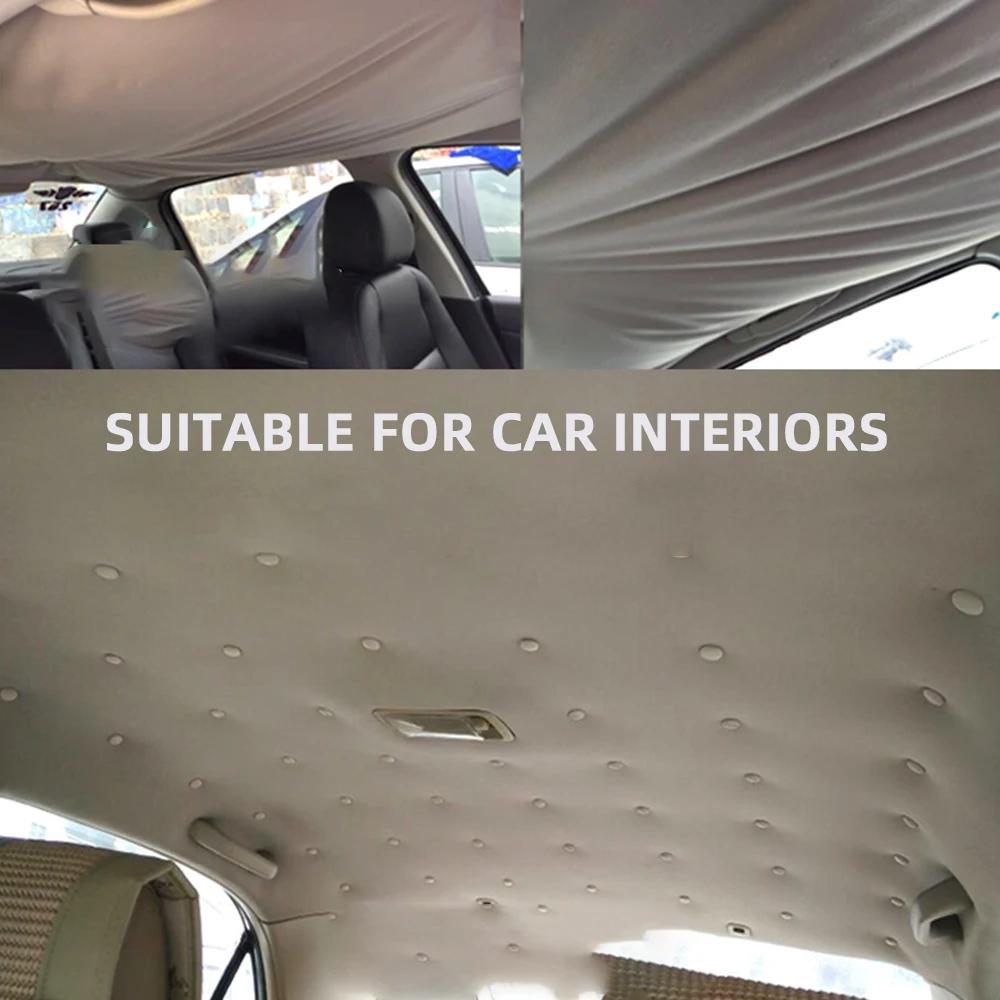
Credit: www.temu.com
Tips For Long-lasting Results
Fixing the interior roof of a car can seem daunting. With the right tips, you can achieve lasting results.
These tips will help you maintain the roof’s condition and avoid future issues.
Avoiding Moisture Damage
Moisture can harm your car’s interior roof. Keeping it dry is key.
Check for leaks regularly and fix them quickly to prevent damage.
- Ensure windows and sunroof are fully closed
- Use dehumidifiers in damp areas
- Wipe spills immediately
Regular Maintenance
Regular maintenance keeps the interior roof in good shape. Clean it gently to avoid wear.
Inspect the roof lining often to catch small issues before they grow.
- Use a soft brush for cleaning
- Avoid harsh chemicals
- Check for sagging or discoloration
When To Seek Professional Help
Sometimes fixing the roof is too complex. Knowing when to call a professional is important.
If the roof sags significantly or stains are persistent, it might be time for expert help.
- Significant sagging issues
- Persistent stains
- Complex repairs or replacements
Frequently Asked Questions
How Do I Fix A Sagging Car Interior Roof?
To fix a sagging car roof, remove the headliner and re-glue it using spray adhesive. Replace damaged foam if needed. Ensure the surface is clean for better adhesion. This method restores the roof’s appearance and prevents further sagging.
What Tools Are Needed To Repair Car Roof Lining?
You need a spray adhesive, screwdriver, utility knife, and replacement fabric or foam. A clean cloth and gloves are helpful. These tools allow you to remove the old lining and securely attach the new one.
Can I Repair Car Headliner Myself Or Hire A Professional?
DIY repair is possible for minor issues like sagging or stains. Complex damage or complete replacement is best handled by professionals. Assess your skill level and tools before deciding to save time and avoid mistakes.
How Long Does It Take To Fix A Car Interior Roof?
Fixing a sagging headliner usually takes 1-3 hours. Time varies by damage extent and your experience. Preparing materials beforehand speeds up the process and ensures better results.
Conclusion
Fixing your car’s interior roof is easier than it seems. Small tears or sagging can spoil your ride’s look. Simple tools and steps can bring it back to life. Taking time now saves bigger costs later. A neat roof keeps your car comfortable and nice.
Try these tips and enjoy a fresh, clean interior. You’ll feel proud every time you drive. Keep your car’s inside looking great and lasting long.







