
Is your car’s paint looking dull or peeling? That shiny, protective layer on your car is called the clear coat, and when it starts to fade or crack, your car can look older and less cared for.
But here’s the good news: you don’t have to live with it. You can fix the clear coat on your car yourself, saving money and bringing back that fresh, glossy finish. You’ll learn simple, step-by-step tips to restore your car’s clear coat and protect your ride for years to come.
Keep reading, and let’s get your car shining again!

Credit: www.reddit.com
Signs Of Clear Coat Damage
The clear coat protects your car’s paint from damage. Over time, it can wear out or get damaged. Knowing the signs helps you take action early.
Look for changes in your car’s surface that show the clear coat is failing. These signs can affect your car’s look and value.
Peeling And Flaking
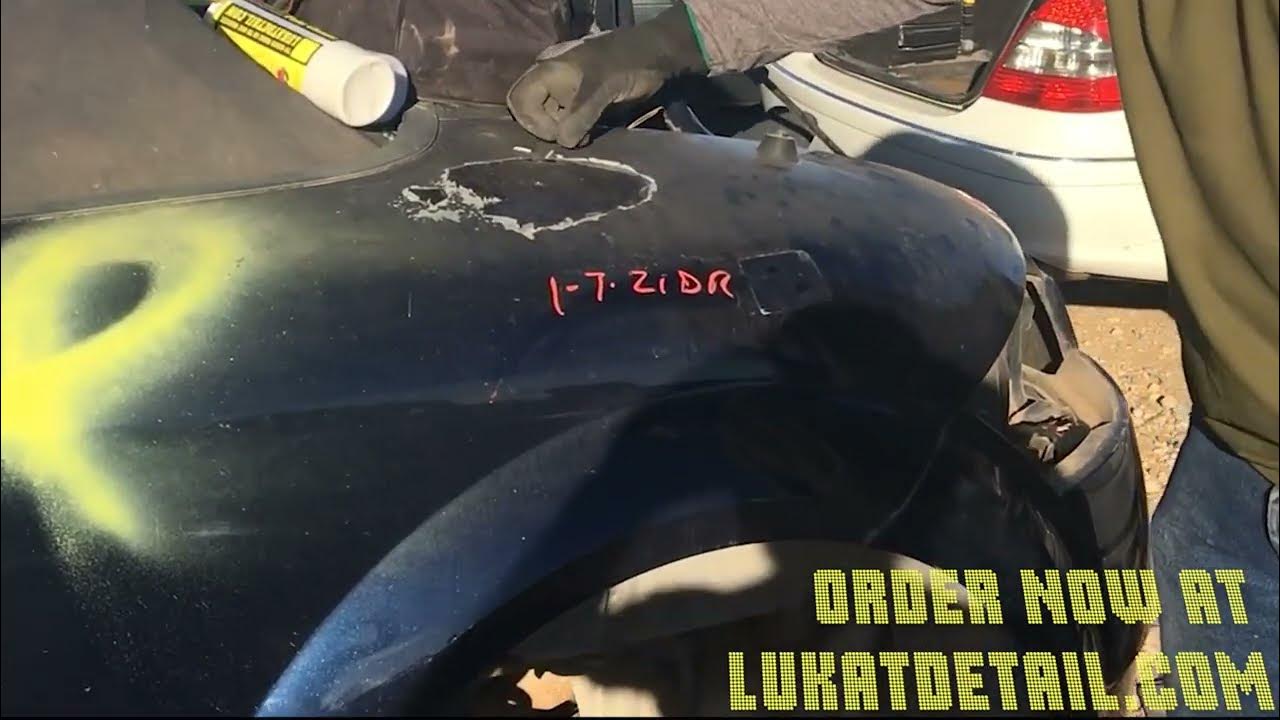
Clear coat damage often shows as peeling or flaking paint. This happens when the protective layer lifts off the surface.
- Edges of paint start to curl upward
- Small flakes of paint come off when touched
- Large patches of paint may lift and peel away
- Surface looks uneven and damaged
Fading And Discoloration
Sunlight and chemicals can cause the clear coat to fade. This makes your car’s paint look dull or blotchy.
| Type of Damage | Appearance |
| Fading | Colors look washed out and less bright |
| Discoloration | Spots or patches with different shades |
| Yellowing | Clear coat turns yellowish or brownish |
Surface Roughness
Damaged clear coat feels rough or sandy. This happens when the smooth layer wears down.
Common causes of roughness include:
- Exposure to dirt and debris
- Damage from acid rain or bird droppings
- Worn clear coat from frequent washing

Credit: www.reddit.com
Tools And Materials Needed
Fixing the clear coat on a car needs the right tools and materials. Using proper supplies helps get smooth and lasting results.
This guide covers the main items you need for sanding, polishing, and applying clear coat products.
Sanding Supplies
Sanding helps remove old clear coat and smooth the surface. You need different grit sandpapers and sanding blocks for the job.
Wet sanding is common for clear coat repair. It reduces scratches and prepares the surface for polishing.
- Sandpaper grits: 1000, 1500, 2000
- Sanding block or foam pad
- Spray bottle with water for wet sanding
- Clean microfiber cloths
Polishing Compounds
Polishing removes fine scratches and brings shine to the clear coat. Choose compounds that fit the damage level.
Use a dual-action polisher or hand applicator to work the compound into the surface gently.
- Cutting compound for heavy scratches
- Polishing compound for light scratches and swirl marks
- Finishing polish for extra shine
- Foam or microfiber polishing pads
Clear Coat Products
Clear coat products protect the paint and add gloss. Choose a product that matches your car’s original clear coat.
Some clear coats come in spray cans, while others need mixing and spraying with a paint gun.
- Spray clear coat for small repairs
- Two-part clear coat for larger jobs
- Clear coat hardener (if required)
- Protective gloves and mask
Preparing The Surface
Fixing a clear coat on a car starts with preparing the surface well. This process helps the new coating stick better and last longer.
Cleaning, sanding, and protecting nearby areas are key steps. Each step ensures a smooth and clean base for the clear coat repair.
Cleaning And Degreasing
Remove dirt, grease, and old wax from the car’s surface. Use a good automotive cleaner or degreaser for this task.
- Wash the area with soap and water first.
- Dry the surface completely with a clean cloth.
- Apply degreaser with a soft cloth or sponge.
- Wipe off all residues to leave a clean surface.
Sanding Techniques
Sanding helps to smooth the surface and remove any damaged clear coat. Use fine-grit sandpaper to avoid deep scratches.
| Sandpaper Grit | Purpose | Notes |
| 400-600 | Remove damaged clear coat | Wet sanding recommended |
| 800-1000 | Smooth surface before clear coat | Use light pressure |
| 1500-2000 | Final smoothing | Prepare for polishing |
Masking Surrounding Areas
Protect parts of the car that do not need clear coat repair. Masking tape and plastic sheets work well to cover these areas.
Follow these tips for effective masking:
- Use high-quality masking tape to avoid paint bleed.
- Cover adjacent panels and trim carefully.
- Press tape edges firmly to seal gaps.
- Remove masking materials slowly after the clear coat dries.
Applying The Clear Coat
Applying a clear coat is a key step in protecting your car’s paint. It adds shine and shields the surface from damage. Doing it right ensures a smooth, lasting finish.
This guide covers the best environment, spray tips, and how to apply multiple coats with proper drying times.
Choosing The Right Environment
Pick a clean, dust-free space for clear coat application. Avoid windy or humid conditions. Ideal temperature is between 60°F and 80°F.
- Work indoors or in a shaded area
- Keep humidity below 70%
- Avoid direct sunlight to prevent fast drying
- Ensure good ventilation for safety
Spray Application Tips
Hold the spray gun about 6 to 8 inches from the surface. Use steady, even strokes to avoid runs or sags. Overlap each pass slightly for full coverage.
| Tip | Reason |
| Keep spray gun moving | Prevents uneven coating and drips |
| Apply thin layers | Allows better drying and smooth finish |
| Maintain consistent distance | Ensures uniform thickness |
| Spray in cross patterns | Improves coverage without buildup |
Multiple Coats And Drying Times
Apply several thin coats rather than one thick coat. Let each coat dry fully before the next. This builds depth and durability.
- Spray the first coat lightly
- Wait 15 to 30 minutes to dry
- Apply second and third coats as needed
- Let final coat cure for 24 hours before handling
Finishing Touches
Fixing the clear coat on your car is not complete without the finishing touches. These steps help your car look smooth and shiny.
Proper finishing protects the clear coat and keeps your car looking new for longer.
Wet Sanding For Smoothness
Wet sanding removes small bumps and rough spots on the clear coat. It uses fine sandpaper with water to avoid damage.
This step helps create a flat, smooth surface before polishing. Be gentle to avoid sanding through the clear coat.
- Use 1500 to 3000 grit sandpaper
- Keep the surface wet while sanding
- Sand lightly in circular motions
- Wipe clean often to check progress
Polishing For Shine
Polishing removes fine scratches left by sanding. It restores the clear coat’s shine and smoothness.
Use a polishing compound and a soft cloth or buffer. Work in small areas for the best results.
- Apply polish evenly on the surface
- Use a foam or microfiber pad
- Work with slow, circular motions
- Buff until the surface shines
Protective Waxing
Waxing protects the clear coat from dirt and sun damage. It also adds a deep, glossy finish.
Choose a good quality car wax and apply it after polishing. This step keeps your car looking fresh longer.
- Apply wax with a clean applicator pad
- Spread thin and even layers
- Let the wax dry to a haze
- Buff off with a soft microfiber cloth
Preventing Future Damage
Keeping your car’s clear coat in good shape is important. It helps protect your vehicle’s paint from damage.
By following some simple steps, you can prevent future damage and keep your car looking new.
Regular Maintenance
Regular maintenance is key to preserving your car’s clear coat. Wash your car often to remove dirt and grime.
- Wash your car weekly
- Use a microfiber cloth for drying
- Apply wax every three months
Proper Parking Habits
Where you park your car can affect the clear coat. Choose parking spots that minimize exposure to harmful elements.
Avoid parking under trees to prevent sap damage.
Using Quality Products
Using quality products is crucial for maintaining your car’s clear coat. Always choose products that are safe for automotive use.
| Product Type | Recommended Use |
| Car Shampoo | Weekly washing |
| Car Wax | Quarterly application |
| Microfiber Cloth | Drying and polishing |
Credit: www.youtube.com
Frequently Asked Questions
What Causes Clear Coat Damage On Cars?
Clear coat damage occurs due to sun exposure, harsh chemicals, and physical abrasion. UV rays degrade the layer, causing peeling or fading. Improper washing or scratches also contribute to clear coat wear. Protecting the clear coat helps maintain car appearance and value.
How To Fix Peeling Clear Coat On A Car?
To fix peeling clear coat, sand the damaged area gently. Clean it thoroughly, then apply a new clear coat layer. Use a spray or brush-on product for best results. Allow it to dry completely before polishing for a smooth finish.
Can I Repair Clear Coat Scratches Myself?
Yes, minor clear coat scratches can be repaired at home. Use a clear coat repair kit or polishing compound. Clean the area, apply the product, and buff it gently. For deep scratches, professional help is recommended for best results.
How Long Does Clear Coat Repair Take?
Clear coat repair usually takes a few hours to a day. Time depends on damage severity and drying time of products used. Proper curing ensures durability and a smooth finish. Follow product instructions for best results.
Conclusion
Fixing your car’s clear coat protects its shine and value. Small scratches and dull spots can get worse over time. Taking care of the clear coat helps your car look newer longer. Use proper products and gentle methods for the best results.
Regular cleaning and maintenance keep the clear coat strong. A little effort goes a long way in preserving your car’s finish. Keep your car’s surface smooth and bright with simple care. Your car will thank you with a lasting glossy look.







