
Are you thinking about buying a used car but worried about what happens if it turns out to be a lemon? You’re not alone.
Many people wonder if the Lemon Law protects them when they buy a used vehicle. Knowing your rights before you make a purchase can save you time, money, and a lot of stress. You’ll discover exactly how the Lemon Law works for used cars and what steps you can take if your car doesn’t live up to expectations.
Keep reading to learn how to protect yourself and make smarter decisions when buying a used car.
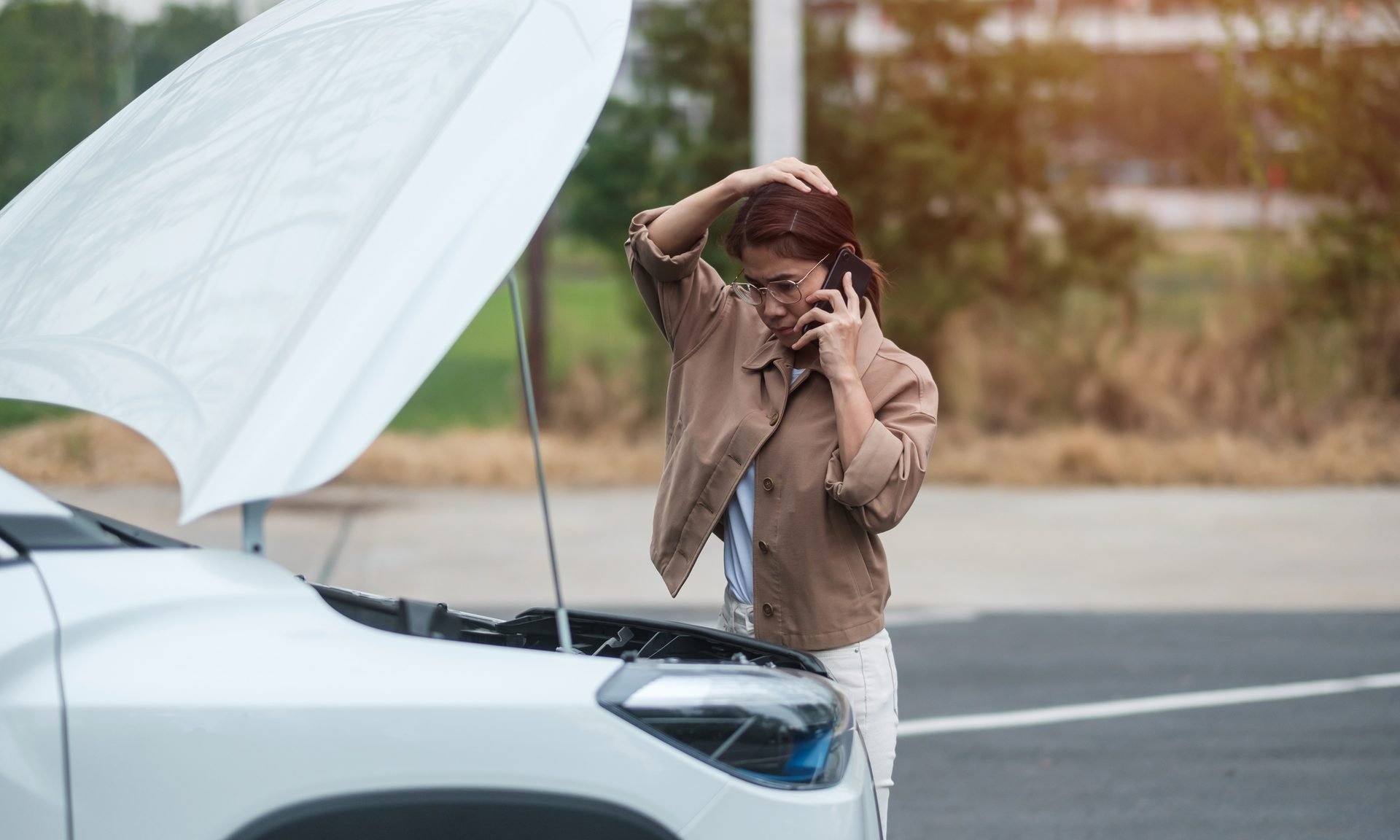
Credit: www.nerdwallet.com
Lemon Law Basics
Lemon laws protect buyers from defective vehicles. These laws help if your car has serious problems.
They apply when a vehicle cannot be fixed after several repair attempts. Knowing what lemon laws cover is important.
What Lemon Law Covers
Lemon laws cover problems that affect the vehicle’s use, safety, or value. They usually focus on serious defects.
- Engine or transmission issues
- Brake or steering problems
- Electrical system failures
- Air conditioning or heating malfunctions
- Safety equipment defects
Minor issues or normal wear and tear are not covered. The defect must appear within a certain time or mileage limit.
Types Of Vehicles Included
Lemon laws apply to many types of vehicles. Both new and some used cars may be covered depending on state rules.
| Vehicle Type | Coverage |
| New Cars | Usually covered under lemon laws |
| Used Cars | Covered if sold with a warranty or certified pre-owned |
| Trucks and SUVs | Covered like passenger cars |
| Motorcycles | Covered in some states |
| Commercial Vehicles | Often excluded or limited coverage |

Credit: thelemonpros.com
Used Cars And Lemon Law
The Lemon Law helps protect car buyers from defective vehicles. It mainly covers new cars with serious problems. But many people wonder if it also covers used cars. The answer is not simple. It depends on the state and the car’s condition.
Used cars can have issues that last long after purchase. Buyers want to know if the Lemon Law can help them get a refund or replacement. We will look at how coverage for used cars differs and how states vary in their protection.
Coverage Differences For Used Vehicles
Most Lemon Laws focus on new cars. Used cars often have limited coverage or none at all. Some states include used cars if they are still under the original warranty. Other states may cover certified pre-owned cars. The protection depends on the car’s age, mileage, and warranty status.
- Used cars with an active manufacturer warranty may be covered.
- Certified pre-owned cars sometimes qualify for protection.
- Private sales usually have no Lemon Law coverage.
- Some states have special rules for used cars under dealer warranties.
State Variations In Protection
Each state sets its own rules for Lemon Law coverage on used cars. Some states give strong protections, while others offer very little. Buyers should check their state laws before relying on Lemon Law for used cars. Understanding state differences helps buyers know their rights.
| State | Used Car Lemon Law Coverage | Key Conditions |
| California | Yes | Applies to used cars under warranty or certified pre-owned |
| Texas | Limited | Only covers used cars with extended warranties |
| Florida | No | Lemon Law only covers new cars |
| New York | Yes | Used cars covered if dealer provides warranty |
Common Issues With Used Cars
Used cars often have problems that buyers should know about. These issues can affect safety and value.
Knowing common defects helps buyers avoid cars that need expensive repairs.
Frequent Defects Reported
Many used cars show similar problems after some time. These defects can appear soon after purchase.
- Engine troubles like stalling or rough idling
- Brake system failures or reduced effectiveness
- Transmission slipping or hard shifting
- Electrical issues such as faulty lights or sensors
- Suspension problems causing poor handling
- Leaks from engine oil, coolant, or transmission fluid
Signs Of A Lemon Used Car
A lemon car has serious and repeated issues that lower its value and safety. Buyers should watch for warning signs.
| Sign | Description |
| Frequent Repairs | Car needs many repairs in a short time |
| Persistent Problems | Same problem returns after fixing |
| Safety Concerns | Issues that affect brakes, steering, or airbags |
| Unusual Noises | Strange sounds from engine or suspension |
| Warning Lights | Dashboard lights stay on or flash |
Legal Rights For Buyers
Buying a used car can be risky. Some cars may have hidden problems. The Lemon Law helps protect buyers from cars with serious defects.
The Lemon Law varies by state. It may cover used cars under certain conditions. Knowing your rights helps you act if you get a bad car.
Filing A Lemon Law Claim
You can file a claim if your used car has major defects. These defects must affect the car’s safety, value, or use. The problem should happen soon after purchase.
Start by telling the dealer or manufacturer about the problem. Keep records of all repairs. If the issue is not fixed after several tries, you may file a claim.
- Notify the dealer or manufacturer in writing
- Keep repair and communication records
- Follow your state’s claim process
- Consider legal advice if needed
Time Limits And Documentation Needed
Each state sets time limits to file a Lemon Law claim. Usually, you must act within a few months or a year after buying the car. Check your state’s rules to avoid missing deadlines.
You need proof to support your claim. This includes purchase documents, repair bills, and written notices to the dealer. Good records make your case stronger.
- Purchase contract or bill of sale
- Repair invoices and work orders
- Letters or emails to the dealer or manufacturer
- Notes about phone calls or conversations
Tips For Used Car Buyers
Buying a used car needs care. You should check the car well before you buy it.
It is important to talk with the seller and know the car’s history. This helps avoid problems later.
Pre-purchase Inspections
Always get a full inspection before buying. A mechanic can find hidden problems.
- Check the engine and brakes for damage.
- Look for signs of rust or accidents.
- Test drive the car on different roads.
- Ask for the car’s service records.
Negotiating With Sellers
Talk to the seller about the car’s price and condition. Be polite but firm.
| Tip | Why It Helps |
| Point out any needed repairs | May lower the price |
| Compare prices from other sellers | Know the fair market value |
| Be ready to walk away | Shows you won’t pay too much |
| Ask for a written agreement | Protects you from surprises |
Alternatives To Lemon Law
Sometimes, the Lemon Law does not apply to used cars. In these cases, there are other options to consider. These alternatives can help protect your investment in a used vehicle.
Understanding these options can guide you if you face issues with your used car. Let’s explore some alternatives.
Warranty Options
Warranties can offer peace of mind when buying a used car. They cover repairs and defects for a certain time. It’s important to know the type of warranty you have.
Some warranties are offered by the dealer, while others are from third parties. Check what is covered and for how long before buying a warranty.
- Powertrain warranty covers engine and transmission.
- Bumper-to-bumper warranty covers most parts.
- Extended warranty adds extra coverage time.
Consumer Protection Laws
Consumer protection laws help buyers in case of fraud or unfair practices. These laws ensure that sellers are honest about the car’s condition.
Laws vary by state, so it’s important to know your rights. If you believe you were misled, these laws can help you seek justice.
- Right to return policy in some states.
- Disclosure laws require sellers to reveal known issues.
- Laws against odometer tampering protect buyers.

Credit: thelemonpros.com
Frequently Asked Questions
Does The Lemon Law Apply To Used Cars?
Lemon Laws typically cover new vehicles, but some states include used cars. Coverage depends on the vehicle’s age, mileage, and warranty status. Always check your state’s specific Lemon Law to see if used cars qualify for protection.
How Can I Prove My Used Car Is A Lemon?
To prove a used car is a lemon, document repair attempts and issues. Keep all service records, repair invoices, and communication with the dealer. Multiple unresolved problems within a warranty period strengthen your Lemon Law claim.
What Types Of Used Cars Qualify Under Lemon Laws?
Used cars with remaining factory warranties or dealer warranties often qualify. Some states require the car to have been purchased from a licensed dealer. Check your state’s Lemon Law guidelines to confirm specific eligibility criteria.
Can I Get A Refund For A Lemon Used Car?
If your used car qualifies as a lemon, you may get a refund or replacement. The exact remedy depends on your state’s Lemon Law rules. Legal advice can help you understand your rights and the claim process.
Conclusion
Used car buyers should know the Lemon Law may not always apply. Each state has different rules about used cars and warranties. Checking your state’s specific laws helps avoid surprises. Always get a car inspected before buying. Keep all paperwork and records safe.
Knowing your rights protects you from unfair deals. Stay informed to make smart choices when buying used cars.







