
Have you ever wondered if your personal car insurance has your back when you rent a car? Imagine picking up a rental and suddenly facing an accident or damage—would your own insurance step in, or would you be left paying out of pocket?
Understanding what your personal car insurance covers when you’re behind the wheel of a rental can save you money and stress. Keep reading to uncover the truth and learn exactly what protection you have, so you can drive with confidence every time you rent.
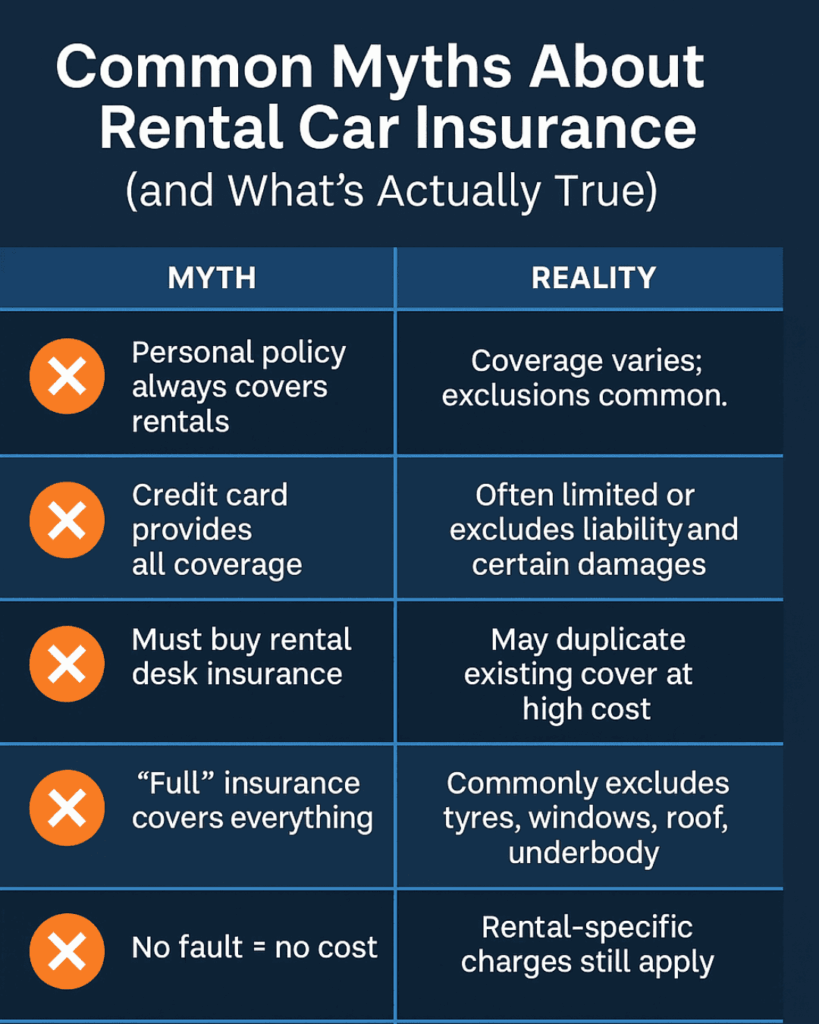
Credit: www.trendrentals.com.au
Personal Car Insurance Basics
Personal car insurance protects you if your car gets damaged or you cause an accident. It covers costs like repairs, medical bills, and legal fees.
Many people wonder if their personal car insurance covers rental cars. It is important to understand what your policy includes before renting a vehicle.
Types Of Coverage Included
Personal car insurance usually has several types of coverage. These cover different risks related to your car and driving.
- Liability coverage:Pays for damage or injuries you cause to others.
- Collision coverage:Pays for damage to your car from a crash.
- Comprehensive coverage:Covers damage from theft, weather, or animals.
- Personal injury protection:Pays medical bills for you and passengers.
- Uninsured motorist coverage:Protects you if an uninsured driver hits you.
Some policies also cover rental cars, but this depends on the coverage type and your insurer.
How Policies Typically Work
Most personal car insurance policies extend some coverage to rental cars. This means your policy may cover rental vehicles under certain conditions.
Coverage for rental cars often matches the coverage you have on your own car. It usually applies only if you rent the car for personal use.
- You must follow the rental agreement rules.
- Coverage may not apply for luxury or specialty vehicles.
- Some policies require you to decline the rental company’s insurance.
- Coverage limits and deductibles usually stay the same.
It is best to check your policy details or ask your insurer before renting a car. This helps avoid surprises if you need to make a claim.

Credit: www.peakesinsurance.com
Rental Car Coverage Details
Personal car insurance may cover rental cars, but the details vary. It is important to understand what your policy includes.
This guide explains when personal insurance applies to rental cars and what exclusions or limits exist.
When Personal Insurance Applies
Your personal car insurance often extends to rental cars. This usually happens if you rent a car temporarily.
Coverage often matches what you have on your own car, such as liability, collision, and comprehensive insurance.
- Liability coverage for damage or injury to others
- Collision coverage for damage to the rental car
- Comprehensive coverage for theft or other damages
Common Exclusions And Limits
Personal insurance may exclude certain rental situations or have coverage limits. These exclusions affect your protection.
Some common exclusions include rentals for business use or long-term rentals. Also, some policies limit coverage amounts.
- No coverage if rental is used for business
- Coverage may not apply for rentals over 30 days
- Limits on maximum payout for damages
- Exclusions for certain vehicle types like trucks or luxury cars
Credit Card Rental Insurance
Many credit cards include rental car insurance as a benefit. This coverage can help protect you during your rental period.
Understanding how this coverage works can save you money and stress when renting a car.
Coverage Offered By Credit Cards
Credit card rental insurance usually covers damage or theft of the rental car. It often acts as secondary coverage, meaning it pays after your personal insurance.
- Collision damage waiver (CDW) or loss damage waiver (LDW)
- Theft protection for the rental vehicle
- Coverage for towing and loss of use fees
- Coverage usually excludes liability for injury or damage to others
- Rental period limits, often up to 15 or 30 days
How To Use Credit Card Coverage
To use credit card rental insurance, you must pay for the rental entirely with your credit card. You should also decline the rental company’s insurance.
- Reserve and pay for the rental car with your credit card.
- Decline the rental company’s damage waiver options.
- Keep all rental documents and receipts.
- Report any damage or theft to your credit card company promptly.
Rental Company Insurance Options
When you rent a car, the rental company offers extra insurance choices. These options can protect you from damage or accidents.
It is important to know what your personal car insurance covers. This helps you decide if you need extra rental insurance.
Collision Damage Waiver (cdw)
The Collision Damage Waiver covers damage to the rental car. It may include theft or vandalism protection.
If your personal car insurance does not cover rental cars well, CDW is helpful. It can save you from paying a large repair bill.
- Covers damage to the rental vehicle
- May protect against theft and vandalism
- Usually waives your financial responsibility for damage
- Often offered by rental companies at extra cost
Liability Insurance Supplement
This insurance covers damage you cause to other people or property. It is important if your personal policy has low limits or no coverage outside your state.
Rental companies offer liability insurance to increase your coverage. It protects you from costly legal claims after an accident.
- Covers injuries or damage to others
- Extends or increases your personal liability limits
- Protects you from lawsuits after an accident
- Often sold as an add-on by rental companies
Tips To Avoid Coverage Gaps
Many people wonder if their personal car insurance covers rental cars. It’s important to avoid gaps in coverage. Here are some tips to help you.
Understanding your insurance can save you money and trouble. Let’s look at how to ensure you are covered.
Verifying Your Personal Policy
Check your personal car insurance policy. It may cover rental cars. Ask your insurer for details. This helps you know what is covered.
Some policies include liability and collision coverage for rentals. Confirm these details with your insurer. Do not assume you are covered.
- Contact your insurance company directly
- Ask about liability and collision coverage
- Request a copy of your policy’s rental coverage
Checking Rental Agreement Terms
Read the rental agreement carefully. Some rental companies offer insurance options. You need to know what they cover.
Rental agreements may have exclusions. These can leave you without coverage in certain situations. Always check these terms before renting.
- Examine the rental company’s insurance options
- Look for exclusions in the rental agreement
- Consider purchasing additional coverage if needed
Claims Process For Rental Cars
Personal car insurance may cover rental cars, but the claims process can be different. Understanding the steps helps you handle accidents properly.
Knowing what to do after an accident with a rental car can save time and money. You need to work with both your insurer and the rental agency.
Steps After An Accident
First, check for injuries and call emergency services if needed. Then, move the car to a safe spot to prevent more accidents.
Next, gather important information. Take photos of the damage, get the other driver’s details, and collect witness contacts if possible.
- Call the police to file a report.
- Notify the rental car company about the accident.
- Keep all documents related to the accident.
Working With Insurers And Rental Agencies
Contact your insurance provider as soon as possible. Provide them with all the details and documents you collected after the accident.
The rental agency may also ask for a copy of the police report and insurance information. They handle repairs and billing for the damage.
- Submit a claim to your insurance company.
- Follow rental agency instructions for car return or repair.
- Keep track of all communications and receipts.

Credit: www.reddit.com
Frequently Asked Questions
Does Personal Car Insurance Cover Rental Cars?
Personal car insurance often extends coverage to rental cars. However, coverage depends on your policy and rental terms. Check with your insurer to confirm if liability, collision, and comprehensive coverages apply to rentals.
What Types Of Coverage Apply To Rental Cars?
Liability, collision, and comprehensive coverages usually apply from your personal policy. Liability covers damages to others, collision covers rental car damage, and comprehensive protects against theft or vandalism. Confirm specifics with your insurer.
Are There Any Exclusions In Personal Rental Car Coverage?
Yes, some policies exclude certain vehicles, like luxury or trucks. Also, coverage might not apply if you rent internationally. Always review policy details and rental agreements to understand limits and exclusions.
Should I Buy Rental Car Insurance From The Rental Company?
It depends. If your personal insurance covers rentals well, additional insurance may be unnecessary. However, rental company insurance can offer extra peace of mind and cover gaps in your policy.
Conclusion
Personal car insurance may cover rental cars, but rules vary. Check your policy carefully before renting. Some cover damage and theft, others do not. Credit cards might offer extra rental protection too. Always ask the rental company about insurance options.
Knowing your coverage helps avoid surprise costs later. Stay safe by understanding your insurance limits well. This knowledge saves money and stress on your trip. Be smart and prepared before you drive away.







