
Are you wondering if radar detectors still work in 2024? You’re not alone.
With new technology popping up every year, it’s easy to question if these devices are still worth your time and money. Whether you’re a seasoned driver or just curious, understanding how radar detectors perform now can save you from unexpected tickets or wasted cash.
Keep reading to discover the truth about radar detectors and what you need to know before making your next move on the road.
How Radar Detectors Operate
Radar detectors help drivers notice police radar signals. They warn you about speed checks ahead.
This article explains how radar detectors work. We focus on their technology and types.
Basic Radar Technology
Radar technology sends out radio waves. These waves bounce back from objects. The device measures the time and frequency changes to find the object’s speed and distance.
Signal Detection Mechanism
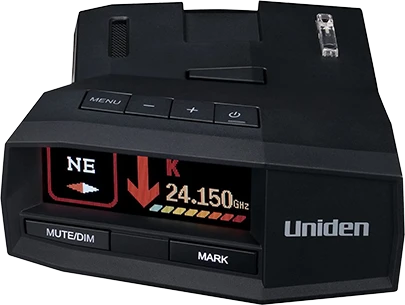
Radar detectors scan for radio waves from police radar guns. When they find these signals, they alert the driver. The detector uses an antenna and a receiver to catch these waves.
- Detects radar frequency bands used by police
- Filters out non-police signals to reduce false alarms
- Alerts driver with sound or light signals
- Some models use GPS to remember speed trap locations
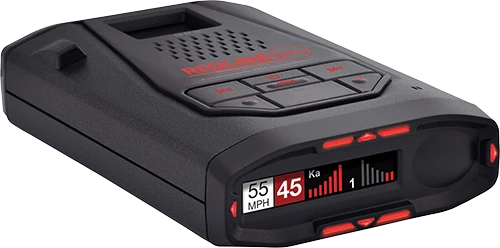
Types Of Radar Detectors
| Type | Description | Common Use |
| Basic Radar Detector | Detects standard radar signals | Everyday driving |
| Laser Detector | Detects laser speed guns | Areas with laser enforcement |
| GPS Radar Detector | Uses GPS to warn about fixed speed traps | Highways and known locations |
| Stealth Radar Detector | Harder for radar guns to detect | Advanced users |
Credit: www.vortexradar.com
Changes In Speed Enforcement Technology
Speed enforcement tools have changed a lot in recent years. Police use new devices to catch speeders more easily.
These new technologies make it harder for drivers to avoid detection. Let’s look at some common methods.
Laser Speed Guns
Laser speed guns use light to measure a car’s speed. They send a laser beam to the vehicle and time how long it takes to return.
These devices are very accurate but require a clear line of sight. They can detect speed from a long distance quickly.
Instant-on Radar
Instant-on radar lets officers activate the radar only when needed. This makes it harder for radar detectors to work.
- Radar is off until the officer aims it at a car.
- The device quickly measures the vehicle’s speed.
- The short radar burst reduces warnings to drivers.
Camera-based Speed Enforcement
Cameras now help enforce speed limits by capturing images or videos of speeding cars. They use sensors or radar to trigger the camera.
| Type | How it Works | Detection Range |
| Fixed Camera | Monitors set road sections automatically | Long distance |
| Mobile Camera | Mounted on police cars or tripods | Variable, depends on location |
| Average Speed Camera | Measures speed over a distance using two points | Between cameras |
Effectiveness Of Radar Detectors Today
Radar detectors help drivers spot police radar signals. They warn drivers to slow down before a speed trap. But with new technology, their effectiveness has changed.
This article explains how radar detectors work now. It also covers their limits and accuracy issues.
Detecting Traditional Radar
Radar detectors catch signals from radar guns used by police. These signals use radio waves to measure speed. Most detectors pick up these waves quickly.
- Detects X-band and K-band radar signals
- Alerts driver with sound or light signals
- Works best in open areas with clear line of sight
Limitations Against New Technologies
New speed detection tools use laser and instant-on radar. These are harder for detectors to find. Some police use stealth tech to avoid alerts.
| Technology | Detector Effectiveness |
| Instant-On Radar | Low |
| Laser (LIDAR) | Moderate |
| Radar Detectors Legal Restrictions | Varies by region |
False Alarms And Accuracy
Radar detectors sometimes give false alarms. These can come from automatic doors or other cars. False alarms cause drivers to ignore warnings.
Common sources of false alarms:
- Automatic door openers
- Traffic flow sensors
- Other radar detectors
- Large metal objects near the road
Credit: www.vortexradar.com
Legal Considerations Around Radar Detectors
Radar detectors help drivers spot speed monitoring devices. Their use raises legal questions. Laws vary by location and type of road.
It is important to know the rules before using a radar detector. This guide covers laws by region, consequences, and alternatives.
Laws By Region
Radar detector laws differ widely across countries and states. Some places allow them, some ban them, and others have limits.
| Region | Legal Status | Notes |
| United States | Varies by state | Illegal in Virginia and Washington D.C. |
| Canada | Illegal in most provinces | Allowed in Alberta and British Columbia |
| Europe | Mostly illegal | Germany and France ban radar detectors |
| Australia | Illegal nationwide | Strict penalties apply |
Consequences Of Use
Using radar detectors where banned can lead to fines and penalties. Law enforcement may also seize the device.
- Fines can range from small amounts to hundreds of dollars.
- Some regions add points to your driving record.
- Repeat offenses may cause higher penalties or license suspension.
- Seizure of radar detector is possible in strict areas.
Alternatives To Radar Detectors
Drivers can use legal alternatives to avoid speeding tickets. These options do not break traffic laws.
- Use GPS apps with speed camera warnings.
- Follow posted speed limits carefully.
- Install dash cams with speed alert features.
- Rely on smart cruise control in some vehicles.
Tips For Choosing A Radar Detector
Radar detectors help drivers avoid speeding tickets. They detect signals from police radar guns. Choosing the right one can save money and stress.
This guide covers key points to consider. It helps you find a device that fits your needs and budget.
Features To Look For
Some radar detectors have extra features that improve use. Look for alerts on radar bands and laser detection. GPS helps avoid false alarms.
- Wide radar frequency coverage
- Instant alert response time
- Laser detection capability
- GPS for speed and location alerts
- Easy-to-read display
- Mute and volume control options
Budget Vs. Performance
Radar detectors vary in price and quality. Higher price often means better detection and fewer false alerts. Choose based on how often you drive and your tolerance for alerts.
| Price Range | Typical Features | Best For |
| Under $100 | Basic radar detection, limited features | Occasional drivers |
| $100 – $250 | Better range, some false alert filtering | Regular commuters |
| Above $250 | Advanced detection, GPS, laser alerts | Frequent drivers, long trips |
Installation And Usage
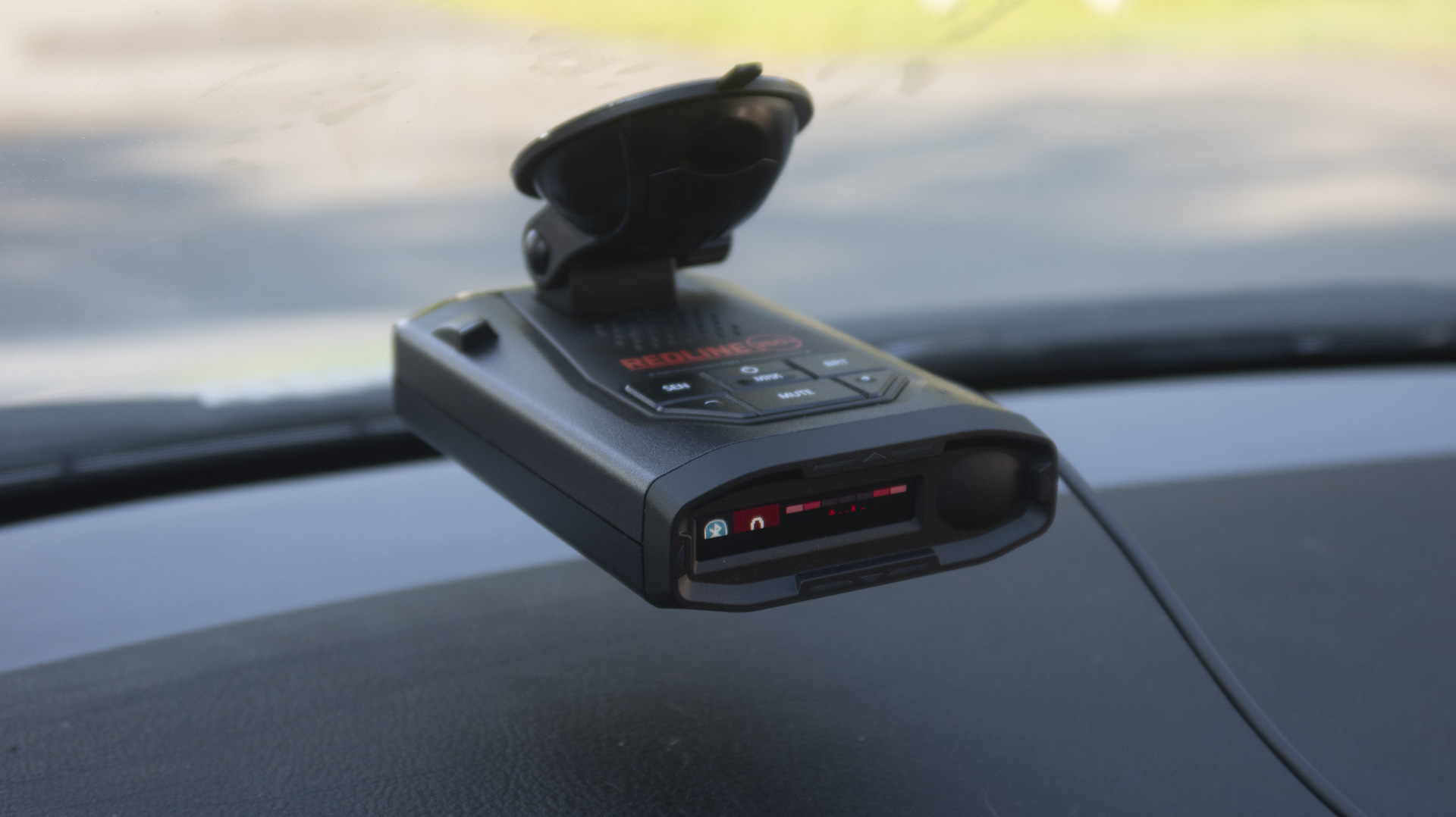
Place the radar detector where it has a clear view of the road. Mount it on the windshield or dashboard. Avoid blocking sensors with stickers or tint.
Tips for better use:
- Keep the detector powered with a car charger
- Update the device software regularly
- Learn the alert sounds and signals
- Turn off the detector in areas where use is illegal
- Test the detector in different driving conditions
Credit: www.thedrive.com
Frequently Asked Questions
Do Radar Detectors Still Work In 2024?
Yes, radar detectors still work in 2024 but effectiveness varies. Modern detectors can detect most radar signals. However, some police use advanced technology like laser guns and radar detector detectors, reducing their reliability.
Can Radar Detectors Detect All Speed Monitoring Devices?
No, radar detectors cannot detect all speed monitoring devices. They mainly detect radar signals but often miss laser speed guns. New enforcement technologies like instant-on radar also challenge their detection ability.
Are Radar Detectors Legal To Use Everywhere?
Radar detector legality varies by location. They are legal in most U. S. states except Virginia and Washington D. C. Many countries prohibit radar detectors entirely. Always check local laws before using one.
How Do Radar Detectors Help Avoid Speeding Tickets?
Radar detectors alert drivers to nearby radar signals. This gives drivers time to reduce speed and avoid tickets. They are useful for alerting to fixed and mobile speed traps.
Conclusion
Radar detectors can still help drivers avoid tickets in many places. Some newer police devices are harder to detect. Still, radar detectors warn you about common speed traps. They work best when combined with safe driving habits. Know your local laws before using one.
Stay alert and drive carefully every time. Using a radar detector is not a guarantee. It’s a tool, not a solution. Drive smart, and stay safe on the road.







