
Imagine being caught in an unexpected downpour or a roadside emergency where your car safety kit gets soaked and useless. You don’t want that to happen, right?
Keeping your car safety kit waterproof is more important than you might think—it can save your life when every second counts. You’ll discover simple and effective DIY hacks to protect your safety essentials from water damage. These easy tips will help you stay prepared and secure no matter the weather.
Ready to make your car safety kit truly reliable? Let’s dive in!
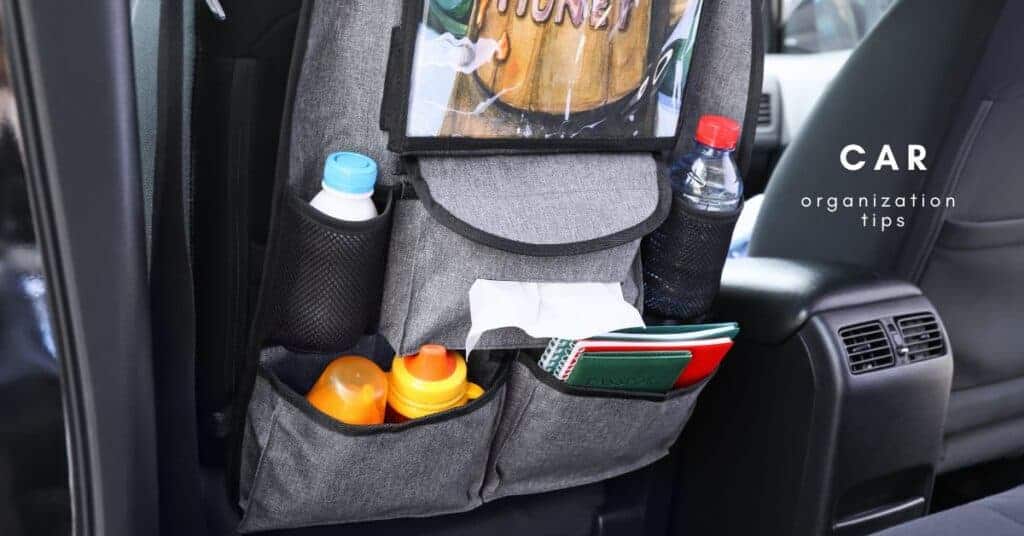
Credit: organizenvy.com
Choosing The Right Waterproof Container
Keeping your car safety kit dry is very important. A waterproof container protects your supplies from rain and spills.
Picking the right container helps you store your items safely and carry them easily.
Types Of Waterproof Containers
There are many containers that keep water out. Some are small and soft, others are hard and strong.
- Plastic boxes with tight lids
- Dry bags made from waterproof fabric
- Metal tins with rubber seals
- Waterproof zip-lock bags
Size And Portability Considerations
Choose a container that fits all your safety items. It should not be too big or too small.
Make sure the container is easy to carry and store in your car. Lightweight containers work best.
- Small enough to fit under the seat or in the trunk
- Lightweight for easy handling
- Room for extra items like batteries or snacks
Sealing Techniques For Maximum Protection
Good sealing stops water from entering the container. Check the seal before use every time.
Use extra tape or silicone to improve the seal if needed. Avoid containers with broken or weak seals.
- Rubber gaskets create tight seals
- Double zip-lock bags add extra layers
- Waterproof tape can seal small gaps
- Clamping lids keep containers closed firmly

Credit: grimworkshop.com
Essential Items For Car Safety Kits
Keeping a waterproof car safety kit is important for any driver. These kits help you stay safe during emergencies on the road.
Your kit should have the right tools and supplies. This guide lists the most important items to include.
Basic Emergency Supplies
Basic emergency supplies help you survive unexpected situations. They protect you and keep you comfortable until help arrives.
- Water bottles in sealed containers
- Non-perishable snacks like energy bars
- Flashlight with extra batteries
- Reflective warning triangles or flares
- Emergency blanket for warmth
- Whistle to signal for help
- Multi-tool or pocket knife
Tools For Vehicle Repairs
Car repair tools let you fix minor problems on the road. These tools help you avoid being stuck for long.
- Jumper cables for dead batteries
- Tire pressure gauge
- Portable tire inflator or pump
- Basic wrench and screwdriver set
- Tire repair kit with patches
- Tow strap or rope
- Gloves to protect your hands
First Aid Essentials
First aid items treat injuries and stop bleeding. Keep your kit stocked with supplies to handle common accidents.
- Adhesive bandages in various sizes
- Antiseptic wipes and ointment
- Gauze pads and medical tape
- Disposable gloves
- Scissors and tweezers
- Pain relief tablets
- CPR face shield
Diy Waterproofing Techniques
Keeping your car safety kit dry is essential for emergency readiness. Water damage can ruin important tools and supplies.
There are simple ways to protect your kit using waterproofing methods. These techniques help keep everything safe and usable.
Using Waterproof Bags And Pouches
Waterproof bags are a great first step to protect your items. They come in many sizes and are easy to seal.
- Choose bags made from durable plastic or vinyl
- Use pouches with zip-lock or roll-top closures
- Label each bag to keep things organized
- Store small items like matches or medications inside
- Check seals regularly for any damage
Applying Sealants And Waterproof Sprays
Sealants and sprays add an extra layer of water protection. Use them on bags or fabric parts of your kit.
Make sure to follow product instructions. Allow time for drying before packing your kit.
| Type | Best Use | Application Tips |
| Silicone Sealant | Sealing seams and cracks | Apply in thin layers, let cure fully |
| Waterproof Spray | Fabric and canvas surfaces | Spray evenly, reapply every few months |
| Rubberized Coating | Plastic containers and hard cases | Use brush or spray, avoid thick coats |
Creating Custom Waterproof Compartments
Building your own waterproof compartments can save space and improve organization. Use materials that block water well.
Try these ideas:
- Use plastic storage boxes with tight lids.
- Line compartments with foam and plastic sheets.
- Seal edges with waterproof tape or glue.
- Add desiccant packs to absorb moisture.
Organizing Your Kit For Quick Access
Keeping your waterproof car safety kit organized helps you find items fast. A well-arranged kit saves time during emergencies.
Use simple ways to sort and label everything. This makes the kit easier to use and maintain.
Labeling And Compartmentalizing
Label each compartment or bag clearly. Use waterproof labels or permanent markers to avoid smudging.
Keep similar items together in small pouches or boxes. This prevents clutter and helps find what you need quickly.
- Mark first aid items in one pouch
- Store tools like flashlights and knives separately
- Keep food and water in another section
Prioritizing Items By Emergency Type
Put the most important items for common emergencies at the top or front. This helps during urgent situations.
Sort items by how often you might need them. For example, keep first aid supplies and flashlights easy to grab.
- First aid kit for injuries
- Tools for car repairs
- Food and water for survival
- Warm clothing for cold weather
Storage Tips For Longevity
Store your kit in a dry, cool place inside the car. Avoid direct sunlight to protect items from damage.
Check your kit regularly to replace expired or used items. Use waterproof containers to keep everything safe from moisture.
- Use sealed plastic containers or bags
- Keep batteries separate and dry
- Replace food and water every six months
- Test tools and flashlights often
Testing And Maintaining Your Kit
Keeping your waterproof car safety kit ready is important for emergencies. Regular checks help ensure all items work well and stay dry.
Simple tests and maintenance keep your kit reliable. This guide covers inspection routines, replacing items, and checking waterproofing.
Regular Inspection Routines
Inspect your kit every three months. Look for signs of damage or wear. Check each item carefully to confirm it is still usable.
- Open the kit and check contents
- Look for rust, cracks, or corrosion
- Test batteries and replace if weak
- Ensure first aid supplies are clean and sealed
- Verify tools are not broken or dull
Replacing Expired Or Damaged Items
Replace items after they expire or get damaged. Expired supplies may not work well in emergencies. Keep your kit fresh and safe.
| Item | Signs to Replace | Suggested Replacement Time |
| Batteries | Low power or leaking | Every year |
| First Aid Supplies | Expired or used | Every 6 months |
| Food and Water | Past expiration date | Every 6 months |
| Flashlight | Not working | When broken |
| Tools | Rust or damage | When damaged |
Waterproofing Integrity Checks
Test the waterproofing to keep your kit dry. Check seals and covers for cracks or holes. Keep water out to protect your items.
Try this simple waterproof test:
- Place a dry paper towel inside the kit.
- Seal the kit completely.
- Submerge it in water for 5 minutes.
- Remove and check if the paper towel is dry.
If wet, repair or replace the waterproof container.
Additional Safety Tips For Drivers
Being prepared on the road is essential for safety. A waterproof car safety kit can be a lifesaver. Here, we offer tips on making your kit more effective.
Adjust your kit based on the season and ensure all items are stored correctly. Let’s explore how to enhance your car safety kit.
Seasonal Kit Adjustments
Each season brings different challenges. Adjust your car safety kit to meet these needs. Here are some seasonal essentials:
- Winter: Include blankets, ice scrapers, and hand warmers.
- Summer: Pack extra water, sunscreen, and a hat.
- Rainy season: Have a waterproof poncho and extra towels.
Safe Storage In Your Vehicle
Proper storage of your safety kit is crucial. Make sure it’s easily accessible in emergencies. Here’s a simple way to organize your kit:
| Item | Storage Location |
| First Aid Kit | Glove Compartment |
| Flashlight | Under the Driver’s Seat |
| Emergency Flares | Trunk |
Emergency Communication Tools
In emergencies, communication is key. Your safety kit should include tools to help you reach others. Consider these items:
- Portable phone charger
- Emergency contact list
- Two-way radio

Credit: www.amazon.com
Frequently Asked Questions
What Materials Are Best For Waterproof Car Safety Kits?
Use waterproof bags or dry bags made of durable materials like PVC or nylon. Seal items in ziplock bags for extra protection. Avoid paper or cardboard packaging that can absorb moisture.
How To Keep First Aid Supplies Dry In A Car Kit?
Store first aid items in waterproof pouches or resealable plastic bags. Use silica gel packets to absorb moisture. Check supplies regularly to replace any damp or expired items.
Can I Diy Waterproof Containers For Car Safety Kits?
Yes, you can repurpose plastic containers with tight lids. Use waterproof tape to seal edges and add silicone sealant for extra protection. Label each container for easy access during emergencies.
Why Is Waterproofing Important For Car Safety Kits?
Waterproofing prevents damage to essential tools and supplies. It ensures items stay usable during rain or floods. This increases your safety and preparedness in emergencies.
Conclusion
Creating a waterproof car safety kit can save lives. Simple DIY steps protect your supplies from water damage. Keep items dry and ready for emergencies. Choose durable containers and seal them tightly. Regularly check your kit and update it often.
Small efforts make your kit reliable and strong. Stay safe on the road with a well-prepared kit. Easy hacks help you stay ready anytime. Don’t wait—start building your waterproof safety kit today.







