
When it comes to keeping your car safe through every season, having the right safety kit can make all the difference. But buying one isn’t always enough—you can boost your preparedness with simple DIY hacks that save you money and add exactly what you need.
Imagine being ready for unexpected weather, roadside troubles, or emergencies without stress. You’ll discover easy, practical tips to build your own seasonal car safety kit that fits your lifestyle perfectly. Ready to make your car a safer place? Let’s dive in.
Choosing The Right Container
A good container keeps your seasonal car safety kit organized. It protects your items and makes them easy to find.
Choosing the right container depends on space, durability, and weather resistance. Let’s explore key options.
Compact Vs Spacious Options
Compact containers fit small spaces in your car. Spacious ones hold more gear but take more room.
- Compact containers are easy to store under seats or in small trunks.
- Spacious containers hold larger items like blankets and tools.
- Choose based on your car size and what you want to carry.
- Think about how often you will access the kit.
Waterproof And Durable Materials
Containers made from waterproof and tough materials last longer. They protect your kit from rain and rough use.
| Material | Waterproof | Durability | Best Use |
|---|---|---|---|
| Plastic | Yes | High | All-weather protection |
| Canvas | No (unless coated) | Medium | Lightweight, easy to carry |
| Metal | Yes | Very high | Heavy-duty protection |
| Rubber | Yes | High | Flexible and shock-absorbing |
Essential Items For Winter Safety
Winter weather can be harsh and unpredictable. Preparing a seasonal car safety kit helps you stay safe on the road. Including the right items is key to handling emergencies.
This guide covers essential supplies to keep you warm, clear snow and ice, and stay visible during winter travels.
Emergency Warmth Supplies
Cold temperatures can cause serious health risks. Pack items that provide immediate warmth in case you get stranded.
- Thermal blankets or space blankets
- Extra warm clothing like hats and gloves
- Hand warmers or heat packs
- Waterproof matches or a lighter
- Small flashlight with extra batteries
Snow And Ice Removal Tools
Clearing snow and ice quickly helps maintain control of your vehicle. Keep these tools handy for winter driving.
| Tool | Purpose |
| Ice scraper | Remove ice from windows |
| Snow brush | Clear snow off car surfaces |
| Small shovel | Dig out tires and clear paths |
| Traction mats or sand | Improve tire grip on ice |
Visibility Enhancers
Good visibility helps other drivers see you in poor conditions. Add these items to your kit for safer travel.
- Reflective safety vest
- Bright LED flares or warning triangles
- Windshield washer fluid rated for freezing temperatures
- Extra windshield wiper blades
Summer Safety Kit Must-haves
Driving in summer can be tough on your car and you. A safety kit helps you stay prepared for heat and surprises on the road.
Let’s explore essential items that should be in your car during the hot months. Stay safe, cool, and hydrated with these tips.
Heat Protection Gear
Protecting yourself and your car from the sun is important. Consider these items for your kit.
- Sunshade for your windshield
- UV-protection sunglasses
- Wide-brim hat
- Cooling towel
- Sunscreen with SPF 30 or higher
Hydration Essentials
Staying hydrated is crucial in the heat. Always have enough water for you and your passengers.
| Item | Quantity |
| Water bottles | At least 2 per person |
| Electrolyte drinks | 1 per person |
| Reusable water container | 1 large container |
Roadside Repair Tools
Breakdowns can happen anytime. Be ready with the right tools and equipment.
- Jumper cables
- Tire repair kit
- Basic tool set
- Reflective warning triangles
- Flashlight with extra batteries
Spring And Fall Kit Adjustments
Seasonal changes affect your car safety kit needs. Adjust kits for spring and fall weather.
Different seasons bring new challenges. Prepare with the right items for comfort and safety.
Allergy And Comfort Items
Spring and fall bring pollen and dust that can trigger allergies. Include items that help ease symptoms.
- Pack allergy medications like antihistamines
- Add saline nasal spray for clearing sinuses
- Include disposable tissues and hand sanitizer
- Use cooling towels for hot spring days
- Carry warm blankets for chilly fall evenings
Weatherproof Clothing
Weather changes fast in spring and fall. Waterproof and layered clothing helps keep you dry and warm.
| Item | Spring Use | Fall Use |
| Waterproof Jacket | Protects from spring rain | Blocks chilly winds |
| Layered Clothing | Adjust for warm days | Add layers for cool nights |
| Waterproof Boots | Keep feet dry in wet conditions | Prevent cold feet on damp roads |
Seasonal Vehicle Checks
Check your vehicle to avoid problems during spring and fall. Focus on systems affected by weather.
Follow these checks for your car:
- Inspect windshield wipers and replace if worn
- Test heater and defroster for fall use
- Check tire tread and pressure for wet roads
- Ensure battery is strong for cold mornings
- Top off fluids like antifreeze and windshield washer
Diy First Aid Kit Tips
Creating a first aid kit for your car is important. It keeps you prepared for minor injuries during trips. Making your own kit allows you to customize it for your family’s needs.
Use simple items and follow easy steps to build your first aid kit. This helps ensure safety for everyone in the car.
Basic Medical Supplies
A basic first aid kit should have essential items. These supplies handle most minor injuries. You can buy them at your local store.
- Band-aids for small cuts
- Gauze pads to cover larger wounds
- Antiseptic wipes to clean injuries
- Adhesive tape to secure bandages
- Scissors for cutting gauze or tape
- Tweezers for removing splinters
- Pain relievers for headaches or minor pain
Customizing For Family Needs
Your family may have special medical needs. Customize your kit to include items that address these requirements. Consider allergies and common ailments your family faces.
Include specific medications or tools. This ensures you are ready for any situation that may arise during a trip.
- Allergy medications for family members with allergies
- Inhalers for asthma patients
- Extra doses of prescription medicine
- Sunscreen for skin protection
- Bug spray for outdoor trips

Credit: www.freepik.com
Organizing And Storing Your Kit
Keeping your seasonal car safety kit organized helps you find items fast. A well-stored kit also stays clean and ready to use.
Use simple ways to arrange and store your kit inside your car. This saves time during emergencies and keeps everything in good shape.
Easy Access Strategies
Store your kit where you can reach it quickly. Avoid deep trunks or crowded spaces that make finding items hard.
- Keep the kit in the glove compartment or under the front seat.
- Use clear plastic bins to see contents easily.
- Label containers with large, visible tags.
- Separate items into small, categorized bags inside the main kit.
- Attach a checklist on the outside of the kit to track contents.
Regular Maintenance And Updates
Check your kit often to replace expired or used items. Keep it ready for every season by updating tools and supplies.
| Item | Check Frequency | Action |
|---|---|---|
| Flashlight batteries | Every 3 months | Replace if weak or dead |
| First aid supplies | Every 6 months | Replace expired bandages and ointments |
| Non-perishable snacks | Every 6 months | Replace expired items |
| Water bottles | Every 6 months | Replace opened or expired bottles |
| Seasonal tools (e.g., ice scraper) | Before each season | Check for damage and clean |
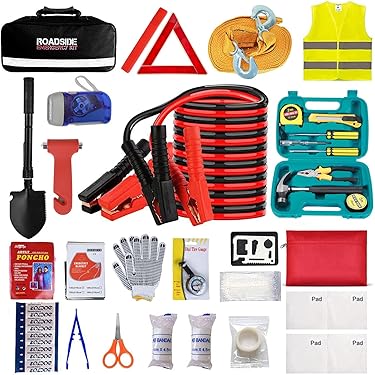
Budget-friendly Kit Building
Building a seasonal car safety kit does not have to cost a lot. You can prepare your car for any season without spending too much money.
Using simple ideas helps you create a useful kit. This keeps your car safe during cold, rainy, or hot weather.
Repurposing Household Items
You can reuse many items from around your home for your car safety kit. This saves money and reduces waste.
Look for items that protect, light, or keep you warm. Many common things work well in an emergency kit.
- Use old blankets or towels for warmth
- Keep empty water bottles for extra water storage
- Use a flashlight from home with fresh batteries
- Repurpose plastic bags as rain protection or storage
- Carry a small first aid kit from your home supplies
Finding Deals And Discounts
Shopping smart helps you find needed items at lower prices. Look for sales and discounts on safety gear.
Check stores often and compare prices online. Buy items in sets or bundles to save more money.
- Watch for clearance sales after holidays
- Use coupons or discount codes from stores
- Buy multi-packs for batteries and first aid supplies
- Check dollar stores for basic tools and gloves
- Shop online for price comparisons and deals
Credit: www.amazon.com

Credit: tech.yahoo.com
Frequently Asked Questions
What Essential Items Belong In A Seasonal Car Safety Kit?
A seasonal car safety kit should include a flashlight, jumper cables, first aid supplies, blankets, and non-perishable snacks. In winter, add ice scrapers and hand warmers. Summer kits benefit from water bottles and sunscreen. Tailor items to your region’s weather for maximum safety.
How Often Should I Update My Car Safety Kit?
Update your car safety kit at least twice a year, ideally before each season changes. Check for expired food, batteries, and medical supplies. Refresh items based on seasonal needs to ensure your kit remains effective and ready for emergencies.
Can Diy Car Safety Kits Save Money Effectively?
Yes, DIY car safety kits save money by using affordable, multipurpose items. Building your kit lets you customize it to your needs. It’s cheaper than pre-packaged kits and ensures you only include essentials relevant to your local climate and travel habits.
Why Is A Seasonal Car Safety Kit Important For Drivers?
A seasonal car safety kit prepares drivers for weather-specific emergencies. It helps avoid dangerous situations like breakdowns in extreme heat or cold. Being prepared reduces stress and increases survival chances during unexpected car troubles or accidents.
Conclusion
A seasonal car safety kit keeps you ready for all weather conditions. Simple DIY hacks save money and add useful items. Always check your kit before each season starts. Small efforts can protect you during emergencies. Stay safe and confident on every trip.
Keep your kit updated and easy to reach. Preparedness makes driving less stressful and more secure. Your safety matters most—take time to build your kit today.







