
Imagine having everything you need in one small, handy pack when an emergency strikes. You want to be ready, but bulky kits can be overwhelming and expensive.
What if you could create your own mini emergency pack with simple, clever hacks that save space, money, and time? You’ll discover easy DIY tips to build your perfect compact emergency kit. Keep reading—you’ll learn how to protect yourself and your loved ones without the hassle or extra weight.
Your peace of mind starts here.

Credit: the-room-mom.com
Choosing The Right Container
Choosing the right container is key for a mini emergency pack. It keeps your items safe and easy to carry. The container should fit your needs and the space you have.
Think about size, strength, and protection. The right choice helps your pack last longer and stay ready for emergencies.
Compact And Durable Options
Containers must be small but strong. Look for ones made from tough plastic or metal. These materials resist damage and protect your supplies.
- Small plastic boxes with secure lids
- Metal tins that resist dents
- Hard cases with foam inserts for fragile items
- Stackable containers to save space
Waterproof And Airtight Choices
Protect your supplies from water and air. A waterproof and airtight container keeps items dry and fresh. This is important for bandages, matches, and food.
| Container Type | Waterproof | Airtight | Material |
| Plastic Box with Gasket | Yes | Yes | Plastic |
| Metal Tin with Seal | Yes | Limited | Metal |
| Vacuum-Sealed Bag | Yes | Yes | Plastic |
| Dry Box with Lock | Yes | Yes | Plastic/Metal |
Essential Items To Include
Mini emergency packs help you stay ready for small emergencies. Packing the right items can keep you safe and comfortable.
Choose items that fit your needs and space. Include basics for health, tools, and survival.
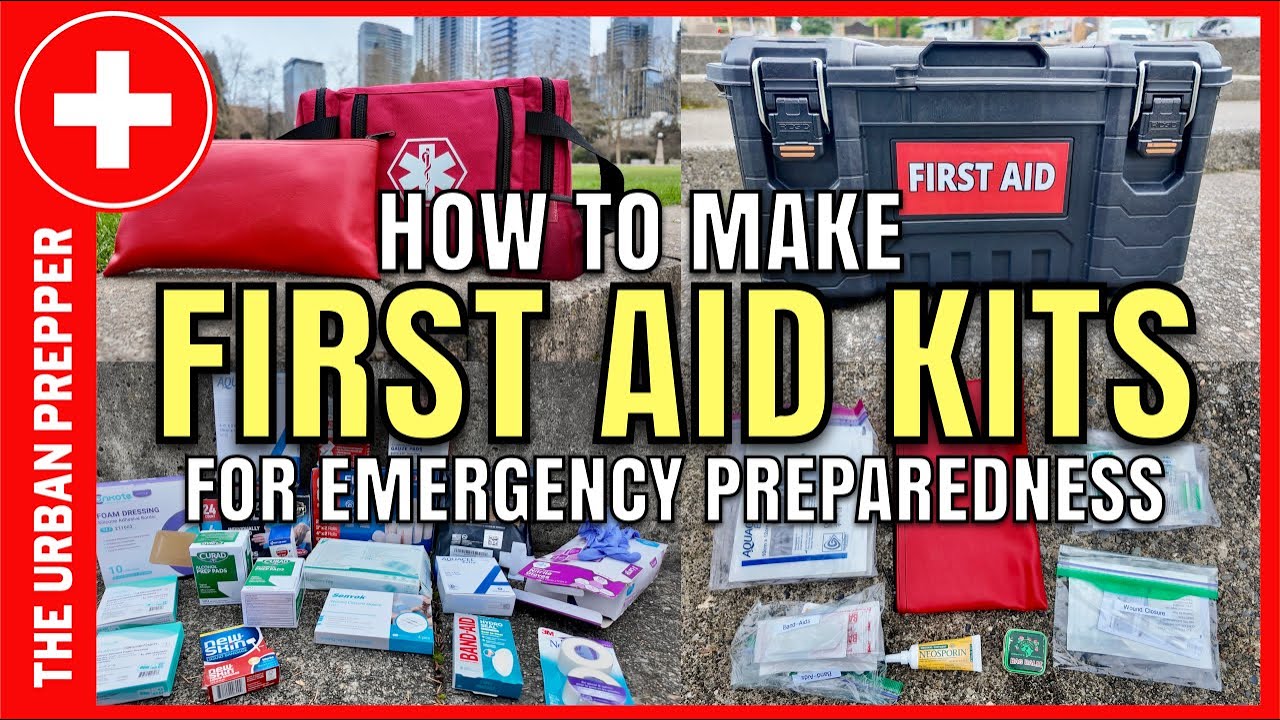
First Aid Basics
First aid items help treat minor injuries quickly. They reduce pain and prevent infection.
Include bandages, antiseptic wipes, and pain relievers. Add items for cuts, burns, and insect bites.
- Adhesive bandages in various sizes
- Antiseptic wipes or solution
- Medical tape and gauze pads
- Small scissors and tweezers
- Pain relief tablets like ibuprofen
- Antihistamine for allergic reactions
- Burn cream or aloe gel
Tools And Multi-use Gadgets
Tools make many tasks easier during emergencies. Multi-use gadgets save space and add convenience.
Choose small, lightweight tools you can carry easily. Look for items that serve more than one purpose.
- Swiss army knife or multi-tool
- Mini flashlight with extra batteries
- Whistle for signaling help
- Waterproof matches or a lighter
- Compact duct tape roll
- Paracord or small rope
- Safety pins and needle with thread
Survival Essentials
Survival items help you manage unexpected situations. They support basic needs like water, food, and shelter.
Include lightweight, non-perishable items. Think about your environment and likely emergencies.
- Water purification tablets or filter
- Energy bars or trail mix
- Emergency blanket or foil wrap
- Compact poncho or rain cover
- Small notebook and pen
- Face mask and hand sanitizer
- Copies of important personal documents
Packing Tips For Efficiency
Mini emergency packs need smart packing to save space and stay organized.
Using simple tricks helps you carry more items in a smaller bag. This keeps everything easy to find.
Organizing Small Items
Small items can get lost if not stored properly. Grouping and labeling them keeps your pack neat.
- Use small clear bags or zip-lock pouches
- Label each bag with its contents
- Keep similar items together, like first aid supplies or tools
- Use pill organizers for tiny items like matches or batteries
- Attach small items to keyrings or carabiners
Maximizing Space
Fitting everything in a mini pack means using every inch wisely. Rolling and stacking helps save room.
| Method | Tip |
| Rolling Clothes | Roll tightly to reduce wrinkles and save space |
| Stacking Flat Items | Place flat items like maps or notebooks at the bottom |
| Using Compartments | Separate items by type in different pockets |
| Compressing | Use compression bags for bulky items |
| Filling Gaps | Put small items in gaps between larger ones |

Credit: grimworkshop.com
Customizing For Specific Needs
Mini emergency packs work best when tailored to your unique needs. Customizing helps you stay prepared and safe.
Think about your health and daily risks. Add items that match your lifestyle and medical needs.
Medical Conditions And Medications
Include medicines and tools for your specific health issues. Keep everything organized and easy to reach.
| Condition | Essential Items |
| Diabetes | Glucose meter, test strips, insulin, snacks |
| Allergies | Antihistamines, epinephrine injector, allergy cards |
| Heart Issues | Blood pressure monitor, prescribed pills, emergency contacts |
| Asthma | Inhaler, spacer, breathing mask |
Personal Safety Gear
Safety gear protects you in risky situations. Choose items that fit your environment and activities.
- Whistle to call for help
- Small flashlight with extra batteries
- Multi-tool for quick fixes
- Face mask for dust or germs
- Compact pepper spray for self-defense
Maintenance And Upkeep
Keeping your mini emergency pack ready saves time and trouble. Regular care helps items work well when needed.
Small checks and timely replacements keep your pack fresh and useful. This guide helps you maintain your emergency supplies.
Regular Checks And Replacements
Look over your pack once every few months. Check each item for damage or expiration. Replace anything that is old or broken.
- Check expiration dates on food and medicine.
- Test flashlights and replace batteries if dim.
- Inspect bandages and replace used or dirty ones.
- Ensure water bottles are sealed and clean.
- Verify all items are in their proper place.
Keeping Items Fresh And Functional
Store items in dry, cool places to stop damage. Rotate food and water supplies regularly to keep them fresh.
| Item | Storage Tip | Replacement Frequency |
| Bottled Water | Keep sealed, away from sunlight | Every 6 months |
| Energy Bars | Store in airtight containers | Every 12 months |
| First Aid Kit | Keep dry, check contents monthly | Replace used items immediately |
| Flashlight Batteries | Remove if unused for long time | Every 12 months |
Creative Diy Additions
Creating a mini emergency pack is a fun and practical project. You can add unique items to make it more useful in different situations. Let’s explore some creative ideas to enhance your mini emergency packs.
From purifying water to starting a fire, these DIY hacks can be lifesavers. They are simple to make and can fit easily in your mini pack. Let’s dive into some interesting additions.
Homemade Water Purifiers
Clean water is essential in emergencies. You can create a simple water purifier using basic materials. This ensures you have access to safe drinking water.
- Use a small plastic bottle with a lid.
- Fill it with layers of sand, charcoal, and gravel.
- Pour water through the layers to filter impurities.
Diy Fire Starters
Being able to start a fire is crucial in many situations. You can make effective fire starters with items you probably already have. They are compact and easy to store.
Materials needed:
- Cotton balls
- Petroleum jelly
- Small zip-lock bags
Rub the cotton balls with petroleum jelly. Store them in zip-lock bags to keep them dry. When needed, they will catch fire easily and burn long enough to start a larger fire.
| Material | Purpose |
| Cotton Balls | Fuel |
| Petroleum Jelly | Enhance burning |
| Zip-lock Bags | Keep dry |
Packing For Different Scenarios
Mini emergency packs can be lifesavers in unexpected situations. Packing them according to specific needs helps you stay prepared.
Consider the environment and activities you’ll face. Tailor your pack to suit urban or outdoor challenges.
Urban Emergencies
In a city, quick access to essentials is crucial. Small items can make a big difference during minor emergencies.
- Compact first aid kit with bandages and antiseptic wipes
- Portable phone charger and spare battery
- Multi-tool for quick fixes
- Small flashlight or LED keychain light
- Emergency contact information card
Outdoor Adventures
Nature can be unpredictable. Packing the right gear ensures safety and comfort when exploring the outdoors.
| Item | Purpose |
| Water purification tablets | Safe drinking water |
| Compact rain poncho | Stay dry in rain |
| Fire starter kit | Warmth and cooking |
| Trail map and compass | Navigation aid |
| High-energy snacks | Quick energy boost |
Credit: www.youtube.com
Frequently Asked Questions
What Essential Items Should Mini Emergency Packs Include?
Mini emergency packs should include a first aid kit, flashlight, water, snacks, a whistle, and a multi-tool. These items cover basic safety, hydration, and communication needs during emergencies. Compact and lightweight choices are best for easy carrying and quick access.
How Can I Customize A Mini Emergency Pack For Hiking?
Customize your pack with blister pads, insect repellent, sunscreen, a map, and a compass. Tailor items to the trail length, weather, and personal health needs. Prioritize lightweight and multipurpose gear to keep your pack manageable and effective.
What Container Types Work Best For Diy Mini Emergency Packs?
Small, durable containers like waterproof pouches, resealable bags, or compact plastic boxes work well. Choose containers that protect contents from moisture and damage. Transparent options help quickly identify items during urgent situations.
How Often Should I Update My Mini Emergency Pack?
Update your pack every 6 to 12 months or after use. Check expiration dates on food and medicine. Replace used or worn items promptly to ensure your pack is always ready.
Conclusion
Mini emergency packs keep you ready for small crises. Simple items fit in tiny spaces. Choose essentials like bandages, water, and snacks. Customize your pack to suit your needs. Check and update it regularly to stay prepared. Small efforts bring peace of mind.
Start building your pack today and feel safer tomorrow.







