
When it comes to your compact car, safety should never take a backseat. But buying a ready-made safety kit can be expensive and often bulky.
What if you could build your own compact car safety kit that fits perfectly in your car, costs less, and contains exactly what you need? You’ll discover simple DIY hacks to create a personalized safety kit that keeps you prepared for any emergency on the road.
Ready to take control of your safety and peace of mind? Keep reading—you won’t want to miss these smart and easy tips!
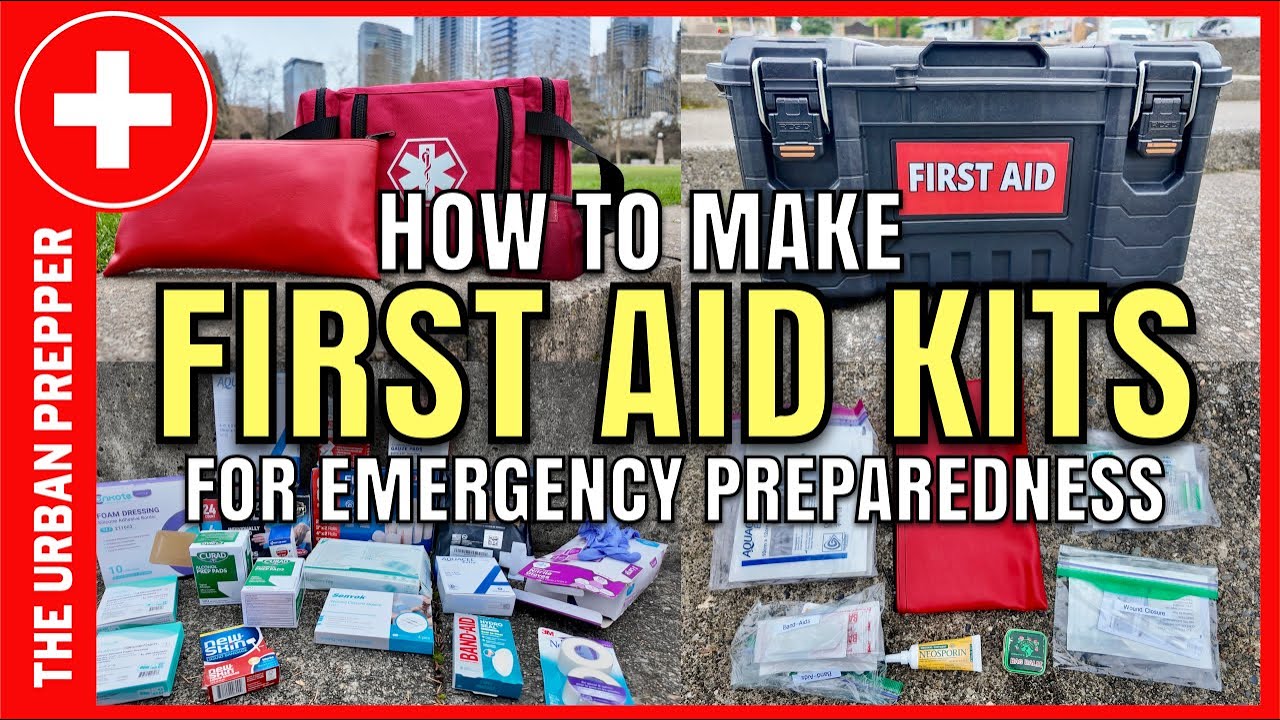
Credit: www.youtube.com
Choosing The Right Container
Picking the right container is key for a compact car safety kit. It keeps items safe and easy to carry.
The container should fit your car space and protect your supplies well. Let’s look at some options.
Compact And Durable Options
Choose a container small enough to fit under seats or in the trunk. It should be tough to handle bumps.
Hard plastic cases and metal boxes work well. They resist cracks and keep your items safe during travel.
- Plastic tackle boxes
- Small metal toolboxes
- Compact hard-shell cases
Waterproof And Weatherproof Features
Your container should keep water and dust out. Rain or spills can damage your safety tools.
Look for containers with seals or rubber gaskets. These keep moisture from getting inside.
- Waterproof plastic cases with tight lids
- Rubber-sealed zipper bags inside boxes
- Containers labeled weatherproof or waterproof
Essential Safety Items
Having a compact car safety kit is smart for any driver. It helps you stay ready for small emergencies on the road.
This guide shows essential items you can add yourself. Focus on first aid, tools, and ways to signal for help.
First Aid Basics
A first aid kit helps treat small injuries quickly. Keep it simple but useful for cuts, scrapes, and burns.
- Adhesive bandages in different sizes
- Antiseptic wipes or solution
- Gauze pads and medical tape
- Small scissors and tweezers
- Disposable gloves to stay clean
- Pain relief tablets like ibuprofen
Emergency Tools
Tools help you fix small problems or get out of trouble. Choose compact and multi-use items for your car kit.
- Flashlight with extra batteries
- Multi-tool with knife and pliers
- Tire pressure gauge
- Jumper cables for dead battery
- Basic wrench or screwdriver set
- Emergency whistle to attract attention
Visibility And Signaling Devices
Use visibility tools to alert others if your car breaks down. These items keep you safe by making you easy to see.
- Reflective safety vest
- Bright warning triangles
- LED flares or road flares
- Strong flashlight or headlamp
- Bright cloth or flag to wave
Space-saving Packing Tips
Packing a safety kit for a compact car can be a challenge. Using space wisely helps you fit all essentials without clutter.
Try simple methods to save space and keep your kit organized. This makes it easier to find what you need fast.
Using Multi-functional Items
Choose items that serve more than one purpose. This cuts down on the number of things you carry.
- A Swiss army knife with tools like scissors, screwdrivers, and blades.
- A flashlight that can also work as a power bank for charging devices.
- A poncho that can be used as a raincoat or a ground cover.
- Bandages that include antiseptic layers for cleaning and covering wounds.
Organizing With Compartments
Use compartments to separate items by type or use. This keeps your kit neat and easy to navigate.
| Compartment | Items to Store |
| First Aid | Bandages, antiseptic wipes, gloves |
| Tools | Multi-tool, small wrench, duct tape |
| Emergency Supplies | Flashlight, batteries, whistle |
| Food & Water | Energy bars, bottled water |
Rolling Vs Folding Techniques
How you pack clothes or fabric items affects space. Rolling usually saves more room than folding.
- Lay the item flat and smooth out wrinkles.
- Fold in small edges to create a neat rectangle.
- Roll tightly from one end to the other.
- Place rolls vertically in the kit to fit more.
Credit: gearjunkie.com
Diy Custom Additions
Creating a compact car safety kit is a smart idea. You can add personal touches to make it more useful. These DIY custom additions help you stay prepared for unexpected situations.
These additions focus on personal needs. They include emergency contacts, water purification, and nutrition packs. You can make these elements at home easily.
Personalized Emergency Contacts
Keep a list of important contacts in your car. This helps during emergencies when your phone is not working. You can make a simple card with names and numbers.
Include people you trust and local emergency services. Update this list often. Store it in a waterproof bag for safety.
- Family members
- Close friends
- Local police and fire department
- Roadside assistance
Homemade Water Purification
Clean water is essential in emergencies. You can make a simple water purification kit. Use items you have at home.
Include a small bottle of bleach and a dropper. Use the dropper to add bleach to water. Wait 30 minutes before drinking. This kills harmful germs.
- Small bottle of bleach
- Dropper
- Instructions for use
Compact Food And Nutrition Packs
Food gives you energy during emergencies. Make compact nutrition packs with non-perishable items. They should be easy to store in your car.
Choose foods that do not need cooking. High-energy snacks are best. Rotate these items regularly to keep them fresh.
- Granola bars
- Nuts and dried fruits
- Trail mix
- Sealed juice boxes
Maintenance And Upkeep
Keeping a compact car safety kit ready is important for emergencies. Regular care helps the kit work well when needed.
This guide covers simple ways to check and update your safety kit. It will help you keep the kit reliable.
Regular Kit Inspections
Look at your kit every month. Check if all items are clean and in good shape. Make sure nothing is missing or broken.
- Check bandages for tears or dirt
- Test flashlights and batteries
- Ensure tools like scissors are sharp and rust-free
- Look over emergency blankets for holes or damage
Replacing Expired Items
Many items in a safety kit have expiration dates. Replace them before they expire to keep the kit useful.
| Item | Typical Expiry Time | Replacement Tip |
| First aid ointments | 1-2 years | Check label dates |
| Medicines | 1 year | Replace annually |
| Water packets | 5 years | Store in a cool place |
| Batteries | 2-3 years | Test before storing |
Seasonal Adjustments
Change your safety kit for each season. Weather and conditions affect what you might need.
- Winter:Extra blankets, hand warmers, ice scrapers
- Summer:Sunscreen, water spray bottles, insect repellent
- Rainy:Waterproof bags, ponchos, extra dry cloths
Storing The Kit In Your Car
Keeping a compact car safety kit in your vehicle is smart. You need to store it where you can find it fast. Proper storage helps you stay safe during emergencies.
Think about easy access and secure placement. This prevents damage and keeps the kit ready to use at any time.
Optimal Placement For Accessibility
Place the safety kit where you can reach it quickly. Avoid deep trunks or crowded spaces. The kit should not block your view or interfere with driving.
- Under the front passenger seat
- Inside the glove compartment
- In a side door pocket if large enough
- In a center console storage box
- Attached to the back of a seat with straps
Securing The Kit During Travel
Keep the kit stable to prevent damage. Loose kits can shift or fall during stops or accidents. Use straps or compartments designed for storage.
| Method | Benefit |
| Velcro straps | Hold kit firmly in place |
| Elastic bands | Flexible and easy to use |
| Storage bins | Protects from dirt and damage |
| Seatback organizers | Keeps kit visible and secure |

Credit: www.adirondackhub.com
Frequently Asked Questions
What Essential Items Belong In A Compact Car Safety Kit?
A compact car safety kit should include a first-aid kit, flashlight, jumper cables, tire repair kit, and reflective warning triangles. These items help handle common emergencies while saving space in small vehicles.
How Can I Organize A Compact Car Safety Kit Efficiently?
Use a small, durable container with compartments to store each item neatly. Label sections for quick access, ensuring the kit fits snugly in your car without clutter.
Are Diy Safety Kits Better Than Pre-made Ones For Compact Cars?
DIY kits let you customize based on your needs and save space. Pre-made kits might include unnecessary items and take more room, making DIY ideal for compact cars.
How Often Should I Check And Update My Car Safety Kit?
Inspect your safety kit every six months to replace expired items. Regular checks ensure all tools work properly and supplies like batteries remain fresh.
Conclusion
Building a compact car safety kit is smart and simple. Choose small, useful items you can easily store. Keep your kit updated and check it often. This helps you stay ready for emergencies on the road. Safety does not have to be costly or hard.
Start with what you have and add as needed. A little effort now can save trouble later. Stay safe and drive with peace of mind.







