
When winter hits hard, being caught unprepared can turn a simple inconvenience into a serious problem. You might think an emergency kit is only for extreme situations, but having the right supplies ready can protect you and your loved ones when you need it most.
This DIY guide to winter emergency kits will show you exactly what to include, how to put it together, and why each item matters. By the end, you’ll feel confident that your kit can keep you safe and comfortable during any winter surprise.
Ready to take control of your winter safety? Let’s get started.

Credit: trueprepper.com
Choosing The Right Container
Picking the right container is key for your winter emergency kit. It keeps your supplies safe and easy to carry.
Think about size, weight, and how well the container protects your items. This helps you stay ready in cold weather.
Size And Portability
Your container should hold all essentials without being too heavy. It needs to fit in your car or home easily.
- Choose a size that fits your family’s needs
- Look for containers with handles or straps
- Pick lightweight materials for easy carrying
- Make sure it fits in your storage space
Waterproof And Durable Options
The container must protect your supplies from water and damage. It should last through harsh winter conditions.
| Material | Waterproof | Durability | Notes |
|---|---|---|---|
| Plastic | Yes | Good | Lightweight and common |
| Metal | Depends | Very High | Strong but may rust |
| Fabric with liner | Yes | Medium | Flexible and easy to carry |
| Hard-shell case | Yes | High | Protects from impact |
Essential Supplies To Include
Preparing a winter emergency kit can keep you safe in cold weather. It is important to have the right supplies ready. This guide lists what you need to include in your kit.
Each supply helps you survive and stay comfortable. Focus on warmth, food, first aid, tools, and communication items.
Warmth And Shelter
Keeping your body warm is the top priority in winter emergencies. Pack items that protect you from cold and wet conditions.
- Insulated blankets or sleeping bags
- Extra warm clothing like hats, gloves, and socks
- Waterproof and windproof outer layers
- Hand warmers or heat packs
- A sturdy tarp or emergency shelter
Food And Water
Energy and hydration are vital during cold weather. Choose foods and water that last long and are easy to carry.
| Item | Details | Storage Tip |
| Water | At least one gallon per person per day | Use sealed bottles or containers |
| High-energy snacks | Granola bars, nuts, dried fruit | Keep in airtight bags |
| Ready-to-eat meals | Freeze-dried or canned foods | Store in cool, dry place |
First Aid Items
A first aid kit helps treat injuries or illness. Include items for cold-related wounds and basic care.
- Bandages and gauze pads
- Antiseptic wipes and ointments
- Pain relievers and fever reducers
- Thermal blankets for shock or hypothermia
- Medical tape and scissors
Tools And Equipment
Tools help you manage unexpected situations. Pick multi-use items that save space and weight.
- Multi-tool or Swiss army knife
- Flashlight with extra batteries
- Fire-starting materials like waterproof matches
- Shovel for snow removal
- Rope or paracord
Communication Devices
Staying connected can be lifesaving. Include devices that work without electricity and in remote areas.
- Battery-powered or hand-crank radio
- Fully charged power bank for phone charging
- Whistle to signal for help
- Extra cell phone SIM card or prepaid phone
Customizing Kits For Different Needs
Winter emergency kits help you stay safe in cold weather. You can make kits for different places and situations.
Each kit should have items that fit where you will use it. This guide shows how to build kits for cars, homes, and outdoor trips.
Car Kits
Car kits keep you safe if your vehicle breaks down in winter. They need tools for cold and road troubles.
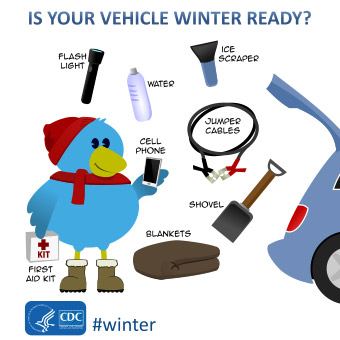
Include items that help you stay warm and fix small problems. A flashlight and jumper cables are useful too.
- Warm blankets and extra clothes
- Ice scraper and snow brush
- Jumper cables and tire chains
- Flashlight with extra batteries
- Non-perishable snacks and water
- First aid kit
- Small shovel
Home Kits
Home kits protect your family during winter storms and power outages. These kits should cover basic needs for several days.
Focus on food, water, warmth, and communication tools. Add items to keep everyone comfortable and informed.
- Water for at least three days
- Non-perishable food and a manual can opener
- Battery-powered or hand-crank radio
- Warm clothing and extra blankets
- Flashlights and extra batteries
- First aid kit
- Fire extinguisher
- Chargers for mobile devices
Outdoor Adventure Kits
Outdoor kits help you stay safe in cold nature trips. These kits need to be light and easy to carry.
Include items for warmth, navigation, and emergency shelter. Food and water are important but keep them lightweight.
- Compact sleeping bag or emergency blanket
- Portable stove and fuel
- Map and compass or GPS device
- Water purification tablets or filter
- High-energy snacks
- Multi-tool and waterproof matches
- Warm clothing layers
- First aid kit
Maintaining Your Kit Year-round
Keeping your winter emergency kit ready all year is very important. It ensures you can rely on it during cold weather problems.
Regular care helps your kit stay useful and safe. Check it often to avoid surprises when you need it most.
Regular Checks And Replacements
Inspect your kit every few months. Look for expired food, dead batteries, and worn-out items. Replace them right away.
- Check expiration dates on food and water
- Test and replace batteries in flashlights and radios
- Examine clothing and blankets for damage
- Make sure first-aid supplies are complete and fresh
- Update any medicines or prescriptions
Storage Tips For Longevity
Store your kit in a dry, cool place. Avoid areas that get very hot or cold. Keep it accessible but safe from damage.
| Storage Location | Benefit |
| Indoor closet | Stable temperature, easy access |
| Garage shelf | Convenient but watch for moisture |
| Basement cabinet | Cool and dry if well-maintained |
| Car trunk (temporary) | Good for quick access, avoid extreme cold |
Safety Tips During Winter Emergencies
Winter emergencies can happen without warning. Being prepared helps you stay safe and calm.
Knowing how to handle cold weather dangers can protect you and your family.
Staying Warm And Dry
Cold and wet conditions cause body temperature to drop fast. Staying warm and dry is key.
Wear layers of clothing to trap heat. Avoid cotton, as it holds moisture and chills you.
- Use waterproof boots and gloves
- Cover your head with a hat or scarf
- Find shelter from wind and snow
- Keep dry by changing wet clothes quickly
Signaling For Help
It is important to make yourself visible to rescuers. Use simple ways to signal for help.
Bright colors and sounds can attract attention from far away.
- Wave brightly colored cloth or flags
- Use a whistle or shout loudly
- Create large symbols in snow or dirt
- Use a flashlight or mirror to reflect light
Conserving Resources
During winter emergencies, supplies may run low. Use food, water, and heat carefully.
Ration your supplies to last longer and avoid waste.
- Eat small amounts regularly to keep energy
- Drink water slowly to stay hydrated
- Limit heat use by staying close together
- Turn off unnecessary lights and devices

Credit: trueprepper.com
Credit: www.cdc.gov
Frequently Asked Questions
What Are Essential Items For A Winter Emergency Kit?
A winter emergency kit should include water, non-perishable food, warm clothing, blankets, flashlight, batteries, first aid supplies, and a multi-tool. These items ensure safety and comfort during power outages or severe weather conditions.
How Often Should I Update My Winter Emergency Kit?
Update your winter emergency kit every six months. Check food expiration dates, replace used or expired items, and refresh batteries to keep the kit ready for any emergency.
Can A Diy Winter Emergency Kit Save Lives?
Yes, a DIY winter emergency kit can save lives by providing essential supplies during cold weather emergencies. Preparedness reduces risks like hypothermia and starvation when help is delayed.
Where Should I Store My Winter Emergency Kit?
Store your winter emergency kit in an easily accessible, dry, and warm place. A central location like a closet or near the main entrance is ideal for quick access.
Conclusion
Building a winter emergency kit takes time and care. Each item helps keep you safe and warm. Check your kit often to keep it ready. Prepare now to avoid stress during cold weather. Stay safe, stay warm, and be ready for winter’s surprises.
Small steps today make a big difference tomorrow. Keep your family protected with these simple supplies. Winter emergencies become easier when you plan ahead.







