
Imagine you’re driving down a quiet road when suddenly your car breaks down. What do you do next?
Having a roadside survival kit ready can turn a stressful situation into a manageable one. This DIY guide will help you build your own kit with essential items that protect you and keep you safe. You’ll learn exactly what to include, why each item matters, and how to prepare for unexpected emergencies.
Keep reading to make sure you’re never caught off guard again.
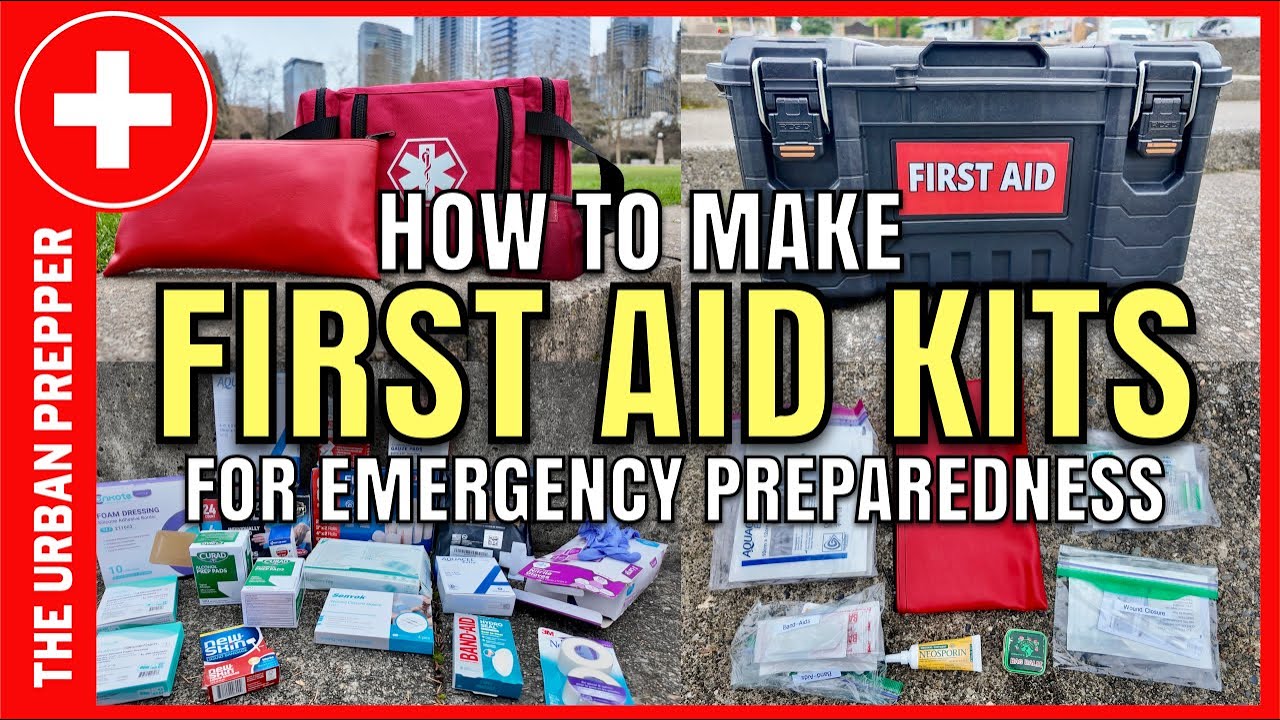
Credit: www.youtube.com
Choosing The Right Container
A good container protects your roadside survival kit. It keeps items safe and easy to carry. Choosing the right one helps you stay prepared.
Think about size and durability before you buy. You want something that lasts and fits all your supplies.
Durability And Size
Your container must handle rough conditions. It should resist drops, bumps, and scratches. Size matters, too. A large box holds more, but a small one fits better in your car.
- Choose hard plastic or metal cases for strength
- Pick a size that fits your vehicle and gear
- Look for containers with secure locks or latches
- Consider lightweight options for easy transport
- Check for compartments or dividers inside
Waterproof And Weatherproof Options
Your kit may face rain, snow, or heat. A waterproof container protects your items from water damage. Weatherproof containers guard against dust and sun exposure.
| Container Type | Waterproof | Weatherproof | Best Use |
|---|---|---|---|
| Plastic Storage Box | Usually yes | Some models | Everyday use, dry climates |
| Metal Case | Depends on seal | Good | Harsh environments |
| Pelican-style Case | Yes | Yes | Extreme weather, water exposure |
| Dry Bag | Yes | Limited | Wet conditions, compact kits |
Basic Survival Tools
Having the right tools can help you stay safe during roadside emergencies. Basic survival tools make a big difference.
Choose items that are compact and easy to use. These tools will help you handle many common problems.
Multi-tool And Knife
A multi-tool combines several tools in one small device. It often includes pliers, screwdrivers, and a knife.
- Use the knife for cutting ropes or fabric.
- Pliers can help with small repairs.
- Screwdrivers are useful to tighten loose screws.
- Choose a multi-tool that fits comfortably in your hand.
Flashlight And Batteries
A flashlight helps you see in the dark. Always carry extra batteries to keep it working.
| Flashlight Type | Battery Type | Use Time |
| LED | AA or AAA | 8-12 hours |
| Rechargeable | Built-in | 4-6 hours |
| Chemical Light Stick | None | 6-12 hours |
Emergency Blanket
An emergency blanket keeps you warm by reflecting body heat. It is small and easy to carry.
- Wrap around your body to keep warm.
- Use as a ground cover to stay dry.
- Create a shelter from wind or rain.
- Signal for help with its reflective surface.
First Aid Essentials
Having a roadside survival kit means being ready for unexpected injuries. First aid items help treat wounds and keep you safe until help arrives.
In this guide, we cover key first aid essentials. Learn what bandages, antiseptics, and emergency instructions you need.
Bandages And Dressings
Bandages and dressings stop bleeding and protect wounds. Choose different sizes to cover small cuts and larger injuries.
- Adhesive bandages for minor cuts
- Sterile gauze pads for larger wounds
- Elastic bandages to hold dressings in place
- Adhesive tape to secure gauze
- Butterfly closures for small deep cuts
Antiseptics And Medications
Antiseptics clean wounds to prevent infection. Keep basic medications for pain and allergies in your kit.
| Item | Purpose |
| Antiseptic wipes | Clean wounds |
| Hydrogen peroxide | Disinfect cuts |
| Antibiotic ointment | Prevent infection |
| Pain relievers | Reduce pain and fever |
| Antihistamines | Treat allergic reactions |
Cpr And Emergency Instructions
Knowing CPR and emergency steps can save lives. Keep clear instructions in your kit for quick reference.
- Check the scene for safety
- Call emergency services immediately
- Open airway and check breathing
- Perform chest compressions if no breathing
- Use an automated external defibrillator (AED) if available
- Continue until help arrives
Food And Water Supplies
Building a roadside survival kit means having enough food and water. These supplies keep you safe and healthy during emergencies.
Choose items that last long and are easy to store. This guide covers snacks and water essentials for your kit.
Non-perishable Snacks
Non-perishable snacks give you energy without spoiling quickly. Pick foods that do not need refrigeration.
- Granola bars
- Trail mix with nuts and dried fruits
- Peanut butter or nut butter packets
- Crackers and rice cakes
- Canned tuna or chicken
- Beef jerky or dried meat
- Powdered milk or protein shakes
Water Storage And Purification
Water is vital for survival. Store enough water and have ways to make it safe to drink.
| Water Storage Item | Purpose |
| Water bottles | Carry and store clean water |
| Collapsible water containers | Save space when empty |
| Water purification tablets | Kill germs in water |
| Portable water filters | Remove dirt and bacteria |
| Boiling pot or stove | Make water safe by boiling |
Signaling And Communication
A roadside survival kit must include tools to signal for help. Clear signals can attract attention from rescuers or other drivers. Always carry items that help you communicate when you cannot use a phone.
Signaling devices work day and night. Choose tools that are easy to use and visible from far away. This increases your chances of being found quickly.
Whistles And Mirrors
Whistles make loud sounds that carry farther than shouting. They save your voice and alert people nearby. Carry a sturdy whistle in your kit for emergency calls.
Mirrors reflect sunlight to send visual signals. They can catch the attention of drivers or search teams miles away. Use a small, durable mirror designed for signaling.
- Blow the whistle in short bursts to attract attention
- Use the mirror to flash sunlight towards moving vehicles
- Practice using these tools before an emergency
Flares And Reflective Materials
Flares produce bright light to signal your location at night. Carry them safely and use them only when needed. They warn other drivers and rescuers of your presence.
Reflective materials increase your visibility in low light. Place reflective tape or panels on your vehicle or roadside kit. They help others see you from a distance.
- Use flares on the road to mark your vehicle
- Attach reflective tape to your clothes or gear
- Replace worn reflective materials regularly

Credit: trueprepper.com
Vehicle Repair Basics
Being prepared on the road is important. A roadside survival kit can help in emergencies. Knowing basic vehicle repair can save time and stress.
This guide will help you build a survival kit. It focuses on tire repair and jumper cables. These are essential for minor roadside repairs.
Tire Repair And Inflation
Flat tires are common on the road. Knowing how to fix a tire is useful. Keep a tire repair kit in your car.
A portable air compressor is also handy. It helps inflate tires quickly. Check your tire pressure regularly to avoid issues.
- Carry a tire repair kit with sealant
- Use a portable air compressor for inflation
- Check tire pressure monthly
Jumper Cables And Tools
Dead batteries are a hassle. Jumper cables can help start your car. Always have them in your vehicle.
Basic tools are necessary for quick fixes. A small tool kit can handle minor repairs. It should include screwdrivers, pliers, and a wrench.
- Keep jumper cables in your trunk
- Store a small tool kit for repairs
- Include screwdrivers, pliers, and a wrench
Personal Safety Items
Building a roadside survival kit is important for your safety. Personal safety items are key to staying safe during emergencies.
Keep these items in your car to handle unexpected situations. Let’s explore the essential personal safety items you need.
Protective Gloves
Protective gloves shield your hands from dirt and injuries. They are useful when changing tires or handling sharp objects.
- Choose durable, non-slip gloves for a secure grip.
- Nitrile gloves are good for chemical resistance.
- Keep extra pairs in different sizes for all family members.
Face Masks And Hygiene Supplies
Face masks help protect you from dust and germs. Hygiene supplies keep you clean and healthy during your journey.
| Item | Purpose |
| Face Masks | Protect from airborne particles |
| Hand Sanitizer | Kill germs on hands |
| Wet Wipes | Clean surfaces and hands |
| Tissues | Use for sneezes or spills |

Credit: unchartedsupplyco.com
Organizing And Maintenance Tips
Keeping your roadside survival kit ready helps you stay safe in emergencies. Proper organization and regular upkeep make sure you find items fast.
Simple steps keep your kit useful and ready for any roadside situation. Check it often and replace old items.
Regular Kit Checks
Check your survival kit at least every three months. Look for broken or missing parts. Make sure everything is clean and dry.
- Inspect tools and supplies for damage
- Test flashlights and batteries
- Keep the kit in an easy-to-reach place
- Organize items by type for quick access
- Remove any damp or dirty materials
Replacing Expired Items
Expired items lose their effectiveness. Replace food, water, and medical supplies on time.
| Item | Check Frequency | Replacement Tip |
| Bottled Water | Every 6 months | Replace before expiration date |
| First Aid Kit | Every 12 months | Restock used or expired supplies |
| Energy Bars | Every 12 months | Swap with fresh stock |
| Flashlight Batteries | Every 6 months | Replace even if unused |
| Medications | Check expiration dates | Dispose and replace expired meds |
Frequently Asked Questions
What Essential Items Should Be In A Roadside Survival Kit?
A roadside survival kit should include water, non-perishable snacks, a first-aid kit, flashlight, jumper cables, and basic tools. These items help handle emergencies like breakdowns or minor injuries safely and efficiently.
How Often Should I Update My Roadside Survival Kit?
Update your roadside survival kit every six months. Check for expired food, batteries, and first-aid supplies. Regular updates ensure your kit remains reliable during emergencies.
Can I Customize My Roadside Survival Kit For Different Seasons?
Yes, customize your kit based on the season. Add warm blankets and hand warmers for winter. Include sunscreen and extra water for summer. Seasonal adjustments improve comfort and safety.
Where Is The Best Place To Store A Roadside Survival Kit?
Store your roadside survival kit in your vehicle’s trunk or under the seat. Keep it easily accessible yet secure. Proper storage ensures quick access when needed.
Conclusion
Building a roadside survival kit is smart and simple. It helps you stay safe during car troubles. Keep essential items like water, flashlight, and first aid handy. Regularly check and update your kit. Being prepared reduces stress on the road.
Everyone should have a survival kit in their car. Start with basic tools and add what you need. Staying ready means you can handle emergencies better. Drive with confidence and peace of mind. Your safety matters most on every trip.







