
When it comes to keeping your car safe and smooth on the road, your suspension plays a huge role. But how do you know if it’s working properly?
You might think you need expensive tools or a mechanic’s help every time. What if you could check your suspension yourself, quickly and easily? This guide will show you the best DIY car suspension inspection tools you can use right now.
By learning how to spot issues early, you save money and avoid bigger problems down the line. Ready to take control of your car’s health? Let’s dive in and discover the simple tools that make suspension checks a breeze.
Credit: www.autozone.com
Key Suspension Components
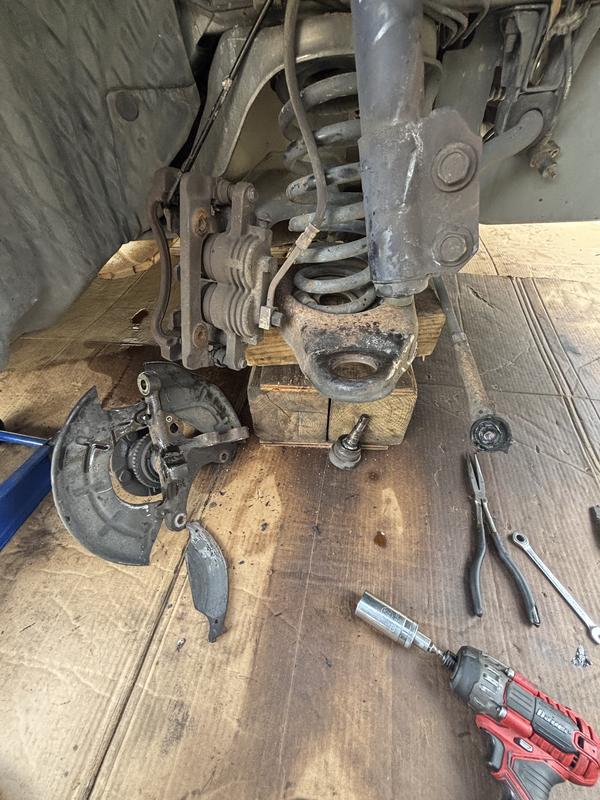
The car suspension system keeps your ride smooth and safe. It includes parts that absorb shocks and control wheel movement.
Inspecting these parts helps you find problems early. This guide covers the main suspension components you can check yourself.
Springs And Shocks
Springs hold the car’s weight and absorb bumps. Shocks control the spring’s movement for a smooth ride.
Look for broken springs or leaks in shocks. Worn shocks cause bouncing and poor handling.
- Check for cracks or breaks in springs
- Look for oil leaks on shock absorbers
- Test bounce by pushing down on the car
Control Arms And Bushings
Control arms connect the wheels to the car frame. Bushings cushion these connections to reduce noise and vibration.
Worn bushings cause clunking sounds and loose steering. Bent control arms affect wheel alignment.
- Inspect bushings for cracks or tears
- Check control arms for bends or damage
- Listen for unusual noises while driving
Ball Joints And Tie Rods
Ball joints allow wheels to move up and down and turn left or right. Tie rods connect the steering system to the wheels.
Loose ball joints cause steering play and uneven tire wear. Damaged tie rods affect steering control and safety.
- Check ball joints for looseness or damage
- Inspect tie rods for bends or wear
- Test steering response for any play or noise
Basic Inspection Tools
Inspecting your car’s suspension helps keep it safe and smooth. You do not need many tools to start.
Simple tools let you check parts clearly and work safely under your vehicle.
Jack And Jack Stands
A jack lifts your car off the ground. Jack stands hold it up safely while you work.
Never rely on the jack alone. Always use jack stands to keep the car stable.
- Use a jack that fits your car’s weight
- Place jack stands on a firm, level surface
- Check that the car is steady before working underneath
Flashlight Or Work Light
Good lighting helps you see small parts and damage clearly. A flashlight or work light works well.
Choose a bright light. Hands-free lights make the job easier and safer.
- LED lights last longer and shine brighter
- Rechargeable lights save money over time
- Portable lights let you move around easily
Creeper Or Mat
A creeper is a low platform with wheels that lets you slide under your car. A mat is a soft pad to lie on.
Both tools make it easier and more comfortable to inspect suspension parts under your vehicle.
- Creepers reduce strain on your back and knees
- Mats are cheaper and easy to store
- Choose based on your comfort and workspace
Measuring And Testing Tools
Checking your car suspension is easier with the right tools. These tools help you measure and test parts to keep your ride safe.
Using the correct measuring tools ensures accurate results. This guide covers three essential tools for suspension inspection.
Tape Measure And Ruler
A tape measure and ruler help you check suspension parts for wear and damage. You can measure spring height, shock length, and clearance.
- Measure the length of springs and shocks
- Check the distance between suspension components
- Inspect clearance from tires to suspension parts
- Compare measurements to manufacturer specs
Dial Indicator
A dial indicator measures small movements in suspension parts. It shows how much play or wobble a component has.
| Use | What to Check | Why |
| Measure axle runout | Axle wobble | Detect bending or damage |
| Check wheel bearing play | Side-to-side movement | Prevent failure |
| Test suspension bushings | Movement under load | Find worn parts |
Torque Wrench
A torque wrench tightens bolts to the right pressure. Proper torque keeps suspension safe and parts from loosening.
Common torque settings for suspension bolts:
- Control arm bolts: 80–100 ft-lbs
- Shock absorber bolts: 40–60 ft-lbs
- Wheel lug nuts: 90–120 ft-lbs
Specialized Suspension Tools
Car suspension systems need regular checks for safety and performance. Using the right tools helps you inspect parts correctly. Specialized suspension tools make the job easier and safer.
These tools are designed to handle tough suspension components. They ensure you do the inspection without damaging parts or risking injury.
Spring Compressors
Spring compressors help you safely remove and install coil springs. Coil springs hold a lot of tension, which can be dangerous without this tool. They compress the spring to reduce pressure during work.
Using a spring compressor prevents the spring from snapping out and causing injury. It fits around the spring and tightens to hold it in place. Always use the right size and type for your car’s springs.
Ball Joint Press
A ball joint press helps you remove and install ball joints without damage. Ball joints connect suspension parts and allow movement. They can be hard to remove by hand or with common tools.
This press uses a C-frame and adapters to push the ball joint out or in. It fits many vehicle types and sizes. Using it saves time and keeps parts intact.
Alignment Tools
Alignment tools check and adjust suspension angles. Proper alignment improves tire life and car handling. These tools measure camber, caster, and toe angles.
Some alignment tools are simple gauges, while others are digital. They help you spot problems early and fix them. Using alignment tools ensures your suspension works correctly.
Safety Gear Essentials
Inspecting your car suspension needs care and the right safety gear. Wearing protective items helps avoid injuries. Safety gear protects your hands, eyes, and body during the work.
Using proper tools is important. Equally important is protecting yourself with gloves, eye protection, and proper clothing. Wheel chocks keep the car steady and safe.
Gloves And Eye Protection
Gloves protect your hands from sharp parts and dirt. Eye protection prevents dust and debris from hurting your eyes. Both are must-have safety items when working on suspension.
- Wear thick, durable gloves to avoid cuts.
- Use safety glasses or goggles for eye protection.
- Choose gloves that allow good grip and flexibility.
- Make sure eye protection fits snugly and covers well.
Wheel Chocks
Wheel chocks stop the car from rolling. Place them on both sides of the wheels that stay on the ground. This keeps your car steady while you work underneath.
| Type | Material | Use |
| Plastic Chocks | Lightweight Plastic | Easy to carry, good for light vehicles |
| Rubber Chocks | Heavy Rubber | Durable and slip-resistant |
| Metal Chocks | Steel or Aluminum | Strong for heavy vehicles |
Protective Clothing
Wear clothes that cover your skin to avoid scrapes and stains. Long sleeves and pants are best. Use clothes that you don’t mind getting dirty or torn.
- Choose thick fabric for protection.
- Avoid loose clothing that can get caught in parts.
- Wear closed-toe shoes or boots for foot safety.
- Consider a mechanic’s overall or coverall for full protection.

Credit: www.brakeandfrontend.com
Tips For Effective Inspection
Inspecting your car’s suspension is important for safety. You can use simple tools to check it at home. This guide will help you perform effective inspections.
These tips focus on visual checks, testing for play, and listening for noises. Follow them to ensure your car’s suspension is in good condition.
Visual Checks
Start by visually inspecting your car’s suspension. Look for any signs of damage or wear. A flashlight can help you see better.
Check the springs, shocks, and other components for rust or cracks. Make sure all parts are securely attached.
- Look for oil leaks around shocks
- Check for uneven tire wear
- Inspect rubber bushings for cracks
Testing For Play
Testing for play in the suspension can reveal loose parts. Use a jack to lift your car safely.
Once lifted, try to move the wheels by hand. There should be no excessive movement or play.
- Check wheel bearings for looseness
- Test tie rods and ball joints
- Ensure no excessive play in steering
Listening For Noises
Unusual noises can indicate suspension problems. Drive slowly over bumps to listen for any sounds.
Pay attention to clunks, squeaks, or rattles. These noises often point to worn or loose parts.
- Clunking sounds may indicate a bad shock
- Squeaking could mean worn bushings
- Rattling suggests loose components
Maintaining Your Tools
Keeping your DIY car suspension inspection tools in good condition is important. Proper maintenance ensures they last longer and work accurately.
Follow these guidelines to maintain your tools effectively and keep your car safe.
Cleaning And Storage
Clean tools after each use to prevent rust and damage. Store them in a dry place.
- Wipe tools with a clean cloth
- Use mild soap for stubborn dirt
- Ensure tools are completely dry before storage
- Store in a toolbox or on a pegboard
Calibration
Regular calibration of your tools ensures accurate readings. Check tool instructions for calibration frequency.
| Tool | Calibration Frequency |
| Torque Wrench | Every 6 months |
| Pressure Gauge | Annually |
| Alignment Tool | Every 3 months |
Regular Inspection
Inspect your tools for wear and tear regularly. Look for cracks, rust, or other signs of damage.

Credit: www.youtube.com
Frequently Asked Questions
What Tools Do I Need For Diy Car Suspension Inspection?
Essential tools include a jack, jack stands, pry bar, flashlight, and a torque wrench. These tools help you safely lift the car, check suspension components, and identify wear or damage.
How Can I Check Suspension Bushings At Home?
Use a pry bar to gently move suspension arms. Look for excessive play or cracks in the bushings. Worn bushings cause noise and poor handling, signaling replacement.
Why Inspect Shock Absorbers During Suspension Checks?
Shock absorbers control ride comfort and stability. Inspect for leaks, dents, or worn mounts. Faulty shocks reduce vehicle control and increase tire wear.
How Often Should I Inspect My Car’s Suspension?
Inspect your suspension every 12,000 miles or annually. Check sooner if you notice unusual noises, vibrations, or handling issues. Regular checks prevent costly repairs and ensure safety.
Conclusion
DIY car suspension inspection tools help you save time and money. They let you check your vehicle’s condition at home. Using these tools is simple and does not need special skills. Regular inspections keep your car safe and smooth to drive.
Choose the right tools for your needs and budget. Remember, early checks can stop big problems later. Keep your car in good shape with easy DIY steps. Your safety on the road matters most.







