
Are you ready to save money and take control of your car’s upkeep? Doing your own car repairs can be satisfying and cost-effective, but it can also be risky if you’re not careful.
Your safety should always come first. You’ll discover simple yet powerful tips that keep you safe while working on your vehicle. Follow these guidelines, and you’ll feel confident every time you pick up a wrench. Keep reading to protect yourself and your car during every DIY repair.

Credit: www.youtube.com
Prepare Your Workspace
Preparing your workspace is key for safe car repairs. A tidy and well-lit area helps prevent accidents.
Organize your tools and choose a good spot to work. This keeps you safe and saves time.
Choose A Well-ventilated Area
Work in a space with fresh air to avoid harmful fumes. Open doors and windows if indoors.
Good airflow lowers the risk of breathing in toxic gases from car fluids or exhaust.
Ensure Proper Lighting
Bright light helps you see small parts and avoid mistakes. Use natural light or strong lamps.
- Use LED work lights for clear visibility
- Position lights to reduce shadows
- Keep spare bulbs ready
- Clean light covers to maintain brightness
Keep Tools Organized
| Tool Type | Storage Tip | Safety Advice |
| Wrenches | Hang on pegboard | Keep dry to avoid rust |
| Screwdrivers | Use a tool rack | Store tips covered |
| Jacks | Keep on flat surface | Check weight limits before use |
| Power Tools | Store in cases | Unplug when not in use |
Wear Protective Gear
Fixing your car can be risky. Wearing the right protective gear keeps you safe.
Use gloves, safety glasses, and other gear to protect your hands, eyes, and body.
Use Gloves And Safety Glasses
Gloves protect your hands from cuts, burns, and chemicals. Safety glasses shield your eyes from dust and debris.
- Wear thick gloves when handling sharp parts.
- Use chemical-resistant gloves for fluids.
- Put on safety glasses to avoid eye injuries.
- Choose glasses that fit well and cover your eyes fully.
Wear Appropriate Clothing
Wear clothes that cover your skin and fit well. Avoid loose clothes that can catch on parts or tools.
| Clothing Type | Why It Helps |
| Long-sleeve shirts | Protect skin from burns and scratches |
| Closed-toe shoes | Shield feet from heavy objects |
| Durable pants | Prevent cuts and chemical spills |
Consider Ear And Respiratory Protection
Loud noises can harm your hearing. Dust and fumes can hurt your lungs. Use gear to protect both.
Follow these tips for ear and respiratory safety:
- Wear earplugs or earmuffs when using loud tools.
- Use a dust mask if you work in dusty areas.
- Wear a respirator when handling strong chemicals.
Handle Tools Safely
Working on your car yourself can save money and be satisfying. Safety is very important when you use tools.
Knowing how to handle tools correctly helps prevent injuries and damage to your vehicle.
Inspect Tools Before Use
Check your tools for damage before you start. Look for cracks, rust, or loose parts.
Using broken tools can cause accidents or harm your car. Always choose tools that are in good shape.
- Examine handles for cracks or splinters
- Make sure moving parts work smoothly
- Check that blades and edges are sharp and not chipped
- Replace any damaged or worn tools
Use Tools Correctly
Use each tool for its intended job. Do not force tools or use the wrong size.
Proper use helps you finish the job faster and keeps you safe from injuries.
- Hold tools firmly but not too tight
- Wear gloves to protect your hands
- Follow instructions for power tools carefully
- Keep your workspace clean and well-lit
Store Tools Securely
Put your tools away after use to avoid accidents. Store them in a safe, dry place.
Proper storage keeps tools in good condition and ready for your next car repair.
- Use a toolbox or wall rack to organize tools
- Keep sharp tools covered or sheathed
- Store power tools with cords coiled neatly
- Keep tools out of reach of children and pets
Follow Vehicle Safety Precautions
Doing car repairs yourself can save money. Safety is very important to avoid injuries.
Follow simple safety rules to protect yourself and your vehicle during repairs.
Secure The Vehicle Properly
Always make sure the vehicle will not move while you work on it. Use the parking brake and place wheel chocks behind the tires.
If you use a jack, place it on a flat surface. Use jack stands to hold the car safely. Never rely on the jack alone.
- Set the parking brake
- Place wheel chocks behind tires
- Use jack stands for support
- Work on a flat surface
Disconnect The Battery
Before starting repairs, disconnect the battery to avoid electric shocks or shorts. This is important for your safety.
Remove the negative cable first, then the positive cable. Keep the cables away from the battery terminals.
- Turn off the engine
- Remove the negative cable first
- Then remove the positive cable
- Keep cables away from terminals
Avoid Hot Engine Parts
Car engines get very hot after running. Do not touch the engine or parts until they cool down.
Wait at least 30 minutes after the engine stops. Use gloves if you must touch warm parts to avoid burns.
- Turn off the engine and wait
- Do not touch hot parts directly
- Wear gloves for protection
- Be cautious around the radiator and exhaust
Manage Hazardous Materials
Working on your car at home can be safe if you handle hazardous materials right. These materials include fluids and chemicals that can harm you or the environment.
Always follow safety steps to protect yourself and others. Proper care helps avoid accidents and pollution.
Handle Fluids Carefully
Car fluids like oil, brake fluid, and coolant can be dangerous. Wear gloves and avoid skin contact when handling them.
Use a funnel to pour fluids and prevent spills. Clean up any drops immediately to avoid slips or damage.
Dispose Of Waste Properly
Do not pour car fluids down drains or on the ground. These fluids pollute water and soil.
Take used oil and batteries to recycling centers or special disposal sites. Follow local rules for hazardous waste.
- Collect fluids in sealed containers
- Label containers clearly
- Use approved disposal locations
Store Chemicals Safely
Keep chemicals in original containers with labels visible. This prevents mix-ups and accidents.
Store chemicals in a cool, dry place away from children and pets. Make sure lids are tight to avoid leaks.
- Use locked cabinets if possible
- Separate chemicals from food items
- Check containers regularly for damage
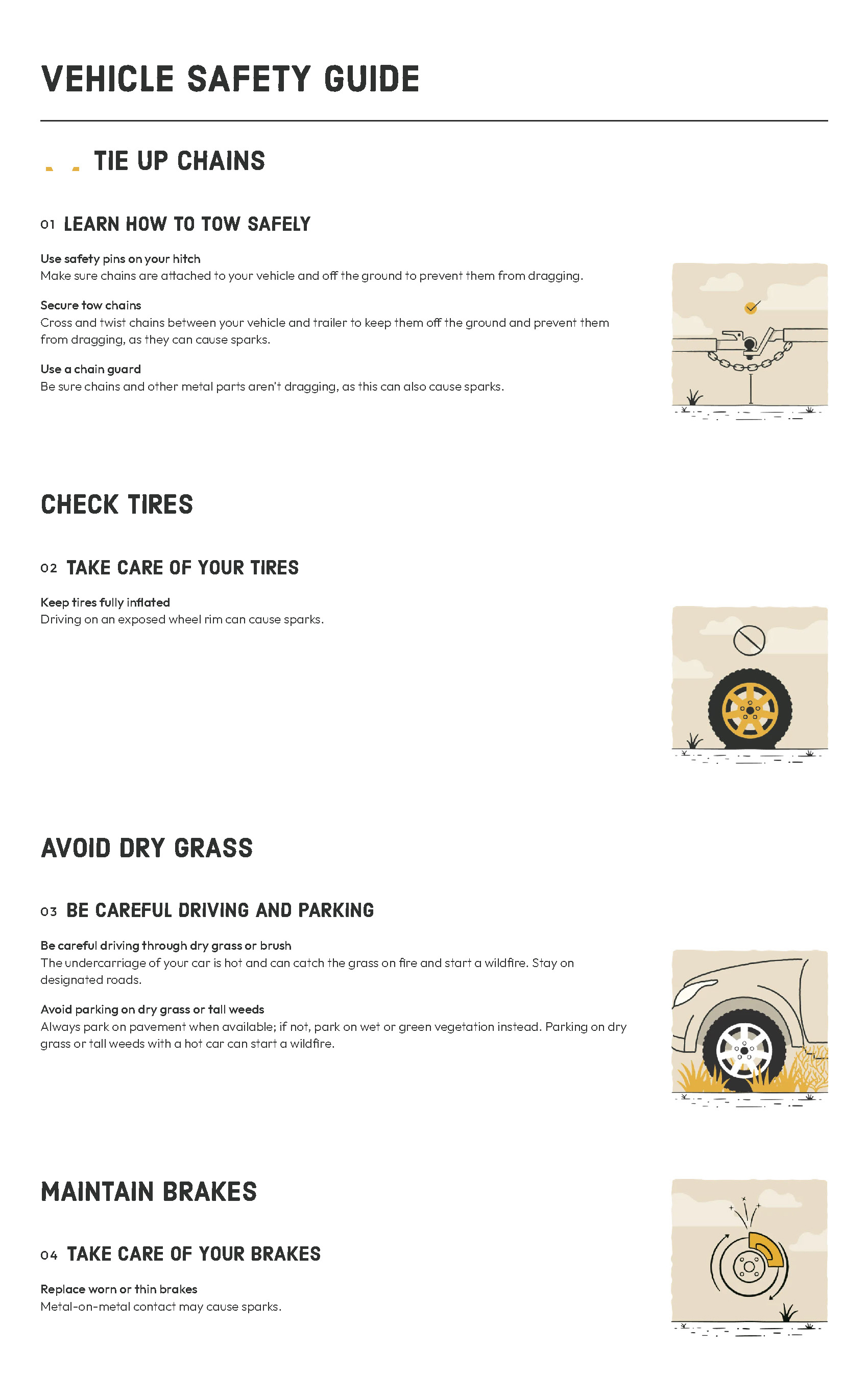
Credit: smokeybear.com
Know When To Seek Help
Fixing your car by yourself can save money. But some repairs need expert skills. Knowing when to ask for help is important for safety.
Attempting complex repairs without proper knowledge can cause more harm. Let’s learn how to recognize when it’s time to seek professional help.
Recognize Complex Repairs
Some car problems are hard to fix alone. If you see unusual smoke or hear loud noises, it might be serious. Electrical issues or brake failures need experts.
- Smoke coming from the engine
- Loud, strange noises while driving
- Electrical problems or brake issues
Consult Professional Mechanics
Mechanics have tools and training to fix cars safely. Visiting a mechanic can prevent bigger problems. They can diagnose issues quickly and accurately.
Consulting a professional ensures your car gets the right repair. This saves time and keeps you safe on the road.
Use Reliable Repair Resources
Use guides and videos from trusted sources. Online forums and car manuals can help with simple repairs. Always check your car’s manual for specific instructions.
| Resource Type | Benefits |
| Car Manuals | Specific instructions for your car model |
| Online Forums | Advice from car enthusiasts |
| Instructional Videos | Visual guides for easy repairs |
Credit: www.youtube.com
Frequently Asked Questions
What Essential Safety Gear Is Needed For Diy Car Repair?
Always wear gloves, safety goggles, and closed-toe shoes. Use a face mask if working with fumes. Proper gear protects against injuries and harmful substances during car repair.
How To Safely Lift A Car For Repairs?
Use a reliable jack and jack stands on a flat surface. Never rely solely on the jack. Always secure the car before working underneath to prevent accidents.
Why Is Proper Ventilation Important In Diy Car Repair?
Ventilation prevents harmful fume buildup from chemicals and exhaust. Work in open or well-ventilated spaces to reduce health risks and ensure safe breathing conditions.
How To Avoid Electrical Hazards During Car Repair?
Disconnect the car battery before starting electrical work. Use insulated tools and avoid wet conditions. This prevents shocks and short circuits during repairs.
Conclusion
DIY car repair can save money and time. Always follow safety rules to avoid injuries. Wear gloves and eye protection during work. Use proper tools and read instructions carefully. Keep your workspace clean and well-lit. Don’t rush repairs; take your time.
Know your limits and ask for help if needed. Staying safe helps your car last longer. Enjoy the process but put safety first. Safe repairs make your car and you better off.







