
Have you ever wondered how the width of your tires affects your ride? Whether you’re driving a car, riding a bike, or even working with heavy machinery, choosing between wide and narrow tires can make a big difference.
Your tires don’t just support your vehicle—they shape how it handles, how comfortable your trip is, and even how safe you feel on the road. You’ll discover the key differences between wide and narrow tires, and how understanding these can help you make smarter choices for your vehicle and your driving style.
Keep reading to find out which tire type fits your needs perfectly.
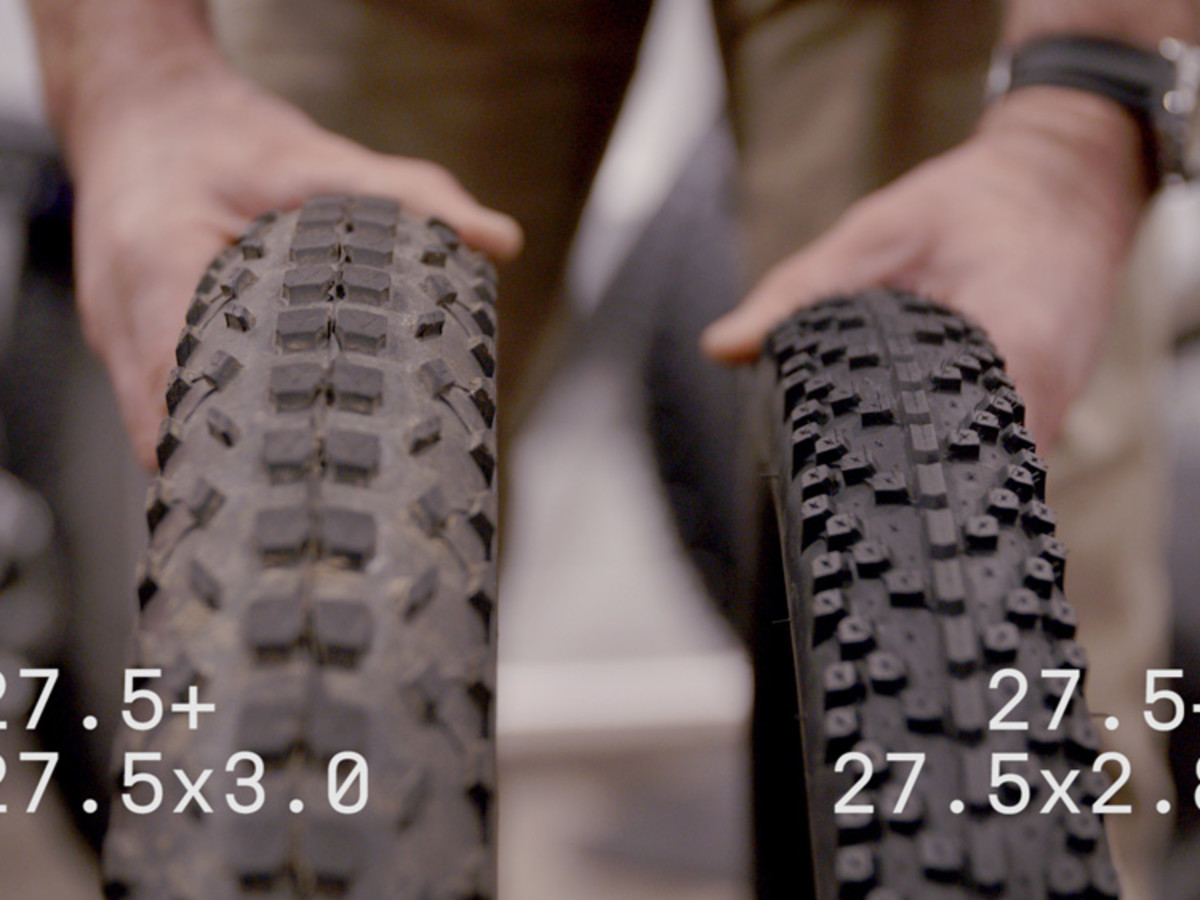
Credit: www.bikemag.com
Wide Tires
Wide tires are tires with a larger width than standard tires. They cover more surface on the road.
These tires are popular for many vehicles because of their unique benefits and features.
Design And Dimensions
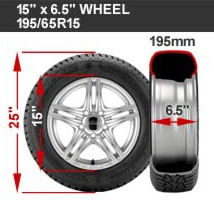
Wide tires have a bigger contact patch than narrow tires. The width usually ranges from 225 mm to over 300 mm.
The tire’s sidewall may be shorter to keep the overall diameter similar to standard tires. This helps fit wide tires on many wheels.
Traction And Grip
Wide tires provide better traction because they touch more road surface. This improves grip on dry roads and corners.
They help vehicles stay stable during fast turns and sudden stops by increasing friction with the road.
Comfort And Ride Quality
Wide tires can make the ride feel firmer. They have less sidewall flex, which means less cushioning on bumps.
Some drivers find wide tires less comfortable on rough roads. Others like the steady feel and control they offer.
Fuel Efficiency Impact
Wide tires increase rolling resistance because of their larger surface area. This can lower fuel efficiency slightly.
Vehicles with wide tires may need more energy to move, which can raise fuel use over time.
Credit: www.tirerack.com
Narrow Tires
Narrow tires are thinner than wide tires. They are common on many vehicles and bikes.
These tires offer specific benefits for driving and riding in different conditions.
Design And Dimensions
Narrow tires have less width compared to wide tires. This design reduces surface contact with the road.
The smaller size makes them lighter and easier to fit on many vehicles and bikes.
Maneuverability And Handling
Narrow tires improve maneuverability. They allow quick and sharp turns.
These tires work well in tight spaces and city driving where precision is key.
Fuel Economy Benefits
Narrow tires lower rolling resistance. This means the engine uses less energy to move the vehicle.
Lower energy use leads to better fuel economy and fewer emissions.
Performance On Different Surfaces
Narrow tires perform well on hard, smooth surfaces like city roads. They cut through water better in wet conditions.
On loose or soft surfaces like sand or snow, narrow tires may sink more and lose traction.
Performance Comparison
Wide and narrow tires affect how a vehicle performs in different conditions. This comparison helps understand which tire suits your needs better.
Below, we compare wide and narrow tires based on wet and dry conditions, off-road versus on-road use, and speed with stability.
Wet And Dry Conditions
Wide tires cover more road surface, giving better grip on dry roads. They help in quick turns and stable rides on smooth surfaces.
Narrow tires cut through water better on wet roads. They reduce the risk of hydroplaning by focusing pressure on a smaller area.
Off-road Versus On-road
- Wide Tires:Provide more surface contact for soft terrains like sand and mud.
- Narrow Tires:Better at piercing through tight trails and rocky paths.
- Wide tires may struggle in deep mud but excel on sand.
- Narrow tires work well on hard-packed dirt and gravel.
Speed And Stability
| Feature | Wide Tires | Narrow Tires |
|---|---|---|
| Top Speed | Generally lower due to higher rolling resistance | Higher, less rolling resistance |
| Stability | Better at corners and high-speed turns | Less stable in sharp turns |
| Fuel Efficiency | Lower due to more friction | Better because of reduced friction |

Credit: www.beefcakeracing.com
Choosing The Right Tire
Choosing the right tire can improve your vehicle’s safety and performance. Wide and narrow tires each have their own benefits.
Understanding the differences helps you pick the best tire for your needs.
Vehicle Type And Usage
Wide tires work well for sports cars and trucks. They provide better grip on dry roads. Narrow tires suit small cars and everyday driving. They handle well on wet and snowy roads.
Think about where you drive most. Wide tires fit off-road and high-speed driving. Narrow tires are good for city and highway use.
- Wide tires: better grip, good for dry and off-road conditions
- Narrow tires: better in rain and snow, good for city driving
- Match tire width to your vehicle’s design and road use
Driving Style Considerations
Wide tires offer more stability in fast turns. Drivers who like sporty or aggressive driving may prefer them. Narrow tires give better fuel efficiency and easier steering. They suit calm and smooth driving styles.
Your driving habits affect tire choice. Choose wide tires for sharp cornering and speed. Pick narrow tires if you want comfort and less road noise.
- Wide tires: better cornering and traction
- Narrow tires: less rolling resistance, quieter ride
- Pick tires that match how you drive daily
Cost And Maintenance
Narrow tires are usually cheaper to buy and replace. They last longer because they have less rolling resistance. Wide tires cost more and may wear out faster. They need more care to keep good performance.
Consider your budget for buying and maintaining tires. Also, think about fuel savings with narrow tires. Maintenance and fuel costs add up over time.
- Narrow tires: lower price, longer life, better fuel economy
- Wide tires: higher price, faster wear, more frequent care
- Balance cost with your driving needs and budget
Common Myths
Many people believe wide tires are always safer than narrow tires. Others think narrow tires last longer. These ideas are not always true.
It is important to understand the real facts about wide and narrow tires. This helps you choose the right tire for your needs.
Safety Concerns
Some say wide tires give better safety because of more road contact. But wide tires can sometimes reduce grip on wet roads.
Narrow tires cut through water better, lowering the chance of hydroplaning. Both types can be safe if used correctly.
- Wide tires may struggle on wet roads
- Narrow tires help with water drainage
- Tire quality affects safety more than width
Durability Factors
Many believe narrow tires last longer. Tire life depends on materials, road conditions, and driving style more than width.
Wide tires can wear unevenly if not maintained well. Proper tire care is key to long-lasting tires of any width.
- Material quality impacts tire durability
- Driving habits affect tire wear
- Regular maintenance extends tire life
Frequently Asked Questions
What Are The Main Differences Between Wide And Narrow Tires?
Wide tires offer better traction and comfort, while narrow tires provide less rolling resistance and improved speed. The choice depends on riding conditions and preferences.
How Do Wide Tires Affect Bike Performance?
Wide tires enhance grip and stability, especially on rough surfaces. They absorb shocks better but may slightly reduce speed on smooth roads.
Are Narrow Tires Better For Road Cycling?
Yes, narrow tires reduce air resistance and rolling resistance, making them ideal for speed and efficiency on paved roads.
Do Wide Tires Improve Bike Comfort?
Wide tires improve comfort by absorbing more shocks and vibrations. They are excellent for off-road and uneven terrains.
Conclusion
Choosing between wide and narrow tires depends on your needs. Wide tires offer more grip and comfort. Narrow tires reduce rolling resistance and help on rough roads. Both types affect speed, control, and ride feel. Consider the terrain and your riding style.
Each tire has its pros and cons. Think about what matters most for you. This will help you pick the right tire easily. Understanding these differences makes riding safer and more fun.







