
When it comes to choosing the right tires for your vehicle, you might have come across the terms RFT and standard tires. But what exactly sets them apart?
Understanding the difference can save you time, money, and even keep you safer on the road. If you want to make the best choice for your driving needs, keep reading. This guide will clear up the confusion and help you decide which tire type fits your lifestyle perfectly.
Rft Tires Basics
RFT tires are special tires made to keep working after a puncture. They help drivers keep control and avoid stops on the road.
These tires differ from standard tires in design and function. They offer extra safety and convenience for drivers.
What Are Rft Tires
RFT stands for Run-Flat Tire. These tires allow a car to keep moving even if the tire loses air.
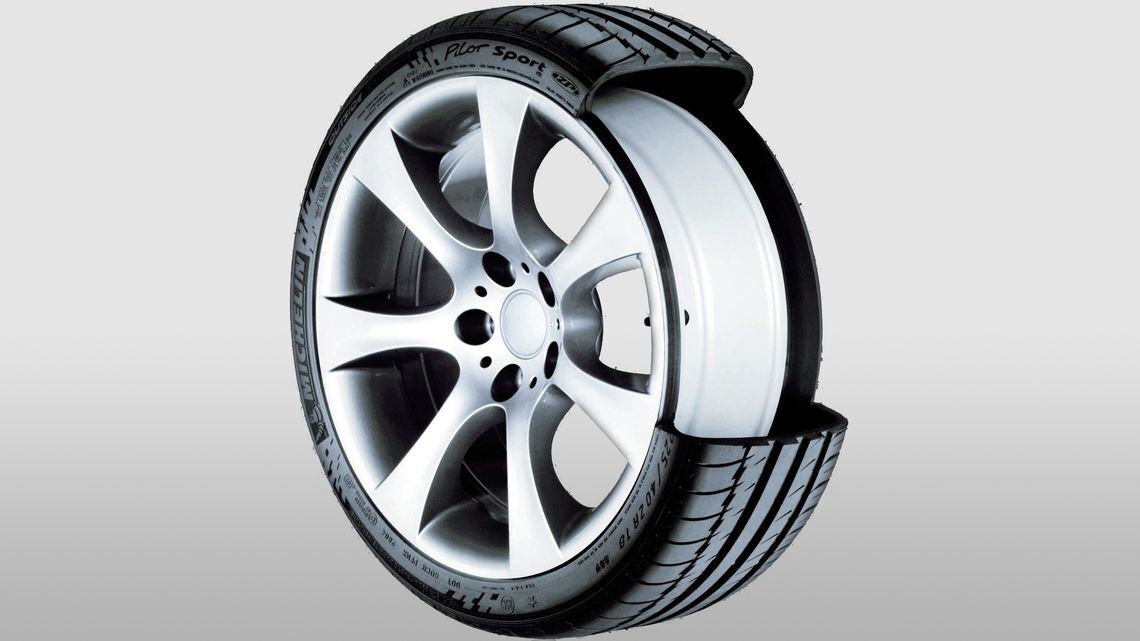
They have stronger sidewalls that support the vehicle’s weight without air pressure. This design helps avoid sudden stops after a flat.
- RFT tires support the car without air
- They reduce the need for immediate tire changes
- They improve safety by preventing loss of control
How Rft Tires Work
RFT tires use reinforced sidewalls to hold up the car. This keeps the tire shape even with no air inside.
They let drivers continue driving for short distances at lower speeds. This helps reach a safe place to fix the tire.
- Strong sidewalls support vehicle weight
- Drive up to 50 miles at 50 mph after a flat
- Allow safer handling during a tire failure

Credit: www.discountedwheelwarehouse.com
Standard Tires Basics
Standard tires are the most common type of tires used on cars. They provide a balance of comfort, performance, and price.
These tires are designed for everyday driving on roads and highways. They offer good traction and durability for normal conditions.
Characteristics Of Standard Tires
Standard tires have a regular air pressure system and flexible sidewalls. They are built to absorb bumps and provide a smooth ride.
They usually have a tread pattern suitable for wet and dry surfaces. These tires do not have special features like run-flat technology.
- Flexible sidewalls for comfort
- Good tread for wet and dry roads
- Require air pressure maintenance
- Durable for everyday use
Common Uses Of Standard Tires
Most passenger cars use standard tires. They fit well for city driving and highway trips.
Standard tires are also common on light trucks and SUVs. They work best in normal weather and road conditions.
- Daily driving in cities
- Highway and long-distance travel
- Light trucks and SUVs
- Normal weather and road use
Durability And Performance
Choosing between RFT tires and standard tires affects your car’s durability and performance. Each type offers unique benefits in how long they last and how they handle on the road.
Understanding these differences helps you pick the right tires for your needs.
Tread Life Comparison
Standard tires usually have a longer tread life than RFT tires. They are made with softer rubber, which wears down more slowly on most roads.
RFT tires have extra reinforcements but can wear out faster due to their tougher structure and weight.
- Standard tires last longer on smooth roads
- RFT tires may wear quicker but offer better safety
- Driving habits affect tread life for both types
Handling And Ride Quality
Standard tires provide a comfortable ride with good handling on most surfaces. They absorb bumps well and keep the car smooth.
RFT tires are stiffer to support driving after a puncture. This stiffness can make the ride firmer and reduce handling softness.
- Standard tires give a softer, quieter ride
- RFT tires maintain control even with no air
- RFT tires may feel less smooth on rough roads

Credit: www.tandfonline.com
Safety Features
Choosing the right tires affects your car’s safety. Run-flat tires (RFT) and standard tires offer different safety benefits. Understanding these can help you drive more securely.
This section explains the safety features of run-flat tires and the limits of standard tires.
Run-flat Technology Benefits
Run-flat tires let you keep driving after a puncture. They have stronger sidewalls that hold the car’s weight. This helps prevent accidents caused by sudden tire loss.
- Maintain control and stability after a puncture
- Drive up to 50 miles at low speed without air
- Reduce risk of accidents on busy roads
- Eliminate the need to stop immediately on highways
- Provide extra safety during emergencies
Limitations Of Standard Tires
Standard tires lose air quickly if punctured. This can cause sudden loss of control. Drivers must stop immediately to change or fix the tire, which can be unsafe.
| Safety Concern | Run-Flat Tires | Standard Tires |
|---|---|---|
| Control after puncture | Maintains control for limited distance | Loss of control likely |
| Need to stop immediately | No | Yes |
| Risk on highways | Lower risk | Higher risk |
| Emergency handling | Improved | Limited |
Cost And Maintenance
Choosing between RFT and standard tires depends on cost and maintenance needs. Both have different prices and care requirements.
Understanding these differences helps you pick the right tire for your budget and lifestyle.
Price Differences
RFT tires usually cost more than standard tires. They have special technology to keep you safe after a puncture.
Standard tires are cheaper but lack the extra features of RFT tires. This makes RFT tires a bigger upfront investment.
- RFT tires cost 20% to 50% more than standard tires
- Standard tires are widely available and less expensive
- Higher cost of RFT tires reflects their added safety features
Repair And Replacement
RFT tires can run on flat for short distances. This reduces the need for immediate replacement or repair.
Standard tires need quick repair or replacement after a puncture. They cannot support the car without air.
- RFT tires allow driving up to 50 miles at low speed after a puncture
- Standard tires must be fixed or replaced immediately after losing air
- Repair costs for RFT tires are often higher due to advanced materials
- Standard tires usually have lower repair and replacement costs
Fuel Efficiency Impact
Choosing the right tire can affect how much fuel your car uses. Both RFT (Run-Flat Tires) and standard tires have their own effects on fuel efficiency.
Understanding these differences helps you make a better choice for your vehicle and your wallet.
Weight Of The Tires
RFTs are usually heavier than standard tires. This extra weight can lead to higher fuel consumption.
- Heavier tires mean the engine works harder.
- More energy is needed to move the car.
- Fuel usage increases as a result.
Rolling Resistance
Rolling resistance is the force that tires need to overcome to keep moving. RFTs often have higher rolling resistance.
This happens because RFTs have stiffer sidewalls. Stiffer sidewalls require more energy to maintain speed, which can reduce fuel efficiency.
Air Pressure Maintenance
Keeping the right air pressure in your tires can help improve fuel efficiency. RFTs can run flat for a short distance, which can mask low pressure issues.
| Tire Type | Air Pressure Importance |
| RFT | Less obvious when pressure is low |
| Standard | Easier to notice low pressure |
Durability And Longevity
RFTs are designed to last through tough conditions. This durability can be a double-edged sword when it comes to fuel efficiency.
While they may last longer, their robust design can sometimes lead to reduced fuel economy compared to standard tires.
When To Choose Rft Tires
Run-Flat Tires (RFT) are designed to keep you moving even when punctured. They offer safety and convenience in certain driving conditions.
Understanding when to choose RFT tires can help you make an informed decision. These tires are not always the best fit for every vehicle or driver.
Driving In Urban Areas
RFT tires are beneficial for urban driving where roadside assistance is easily available. They allow you to drive to a nearby service station without changing the tire immediately.
Frequent Long-distance Travel
If you often travel long distances, RFT tires can be a good choice. They reduce the need for carrying a spare tire, offering extra trunk space.
- No need for immediate tire change
- Enhanced safety on highways
- More space for luggage
Table: Rft Vs. Standard Tires
| Feature | RFT Tires | Standard Tires |
| Puncture Safety | High | Low |
| Comfort | Moderate | High |
| Cost | Higher | Lower |
Availability Of Service Centers
Choose RFT tires if you live in an area with access to service centers. This ensures you can replace or repair the tire quickly after a puncture.
Credit: www.michelin.ca
When To Choose Standard Tires
Standard tires are the common choice for most drivers. They work well in many everyday situations.
Choosing the right tire helps keep your ride safe and comfortable. Here are key points to consider about standard tires.
Cost And Availability
Standard tires cost less than run-flat tires. They are easy to find in many stores and locations.
Comfort And Ride Quality
Standard tires usually give a smoother ride. They absorb bumps better and reduce road noise.
Repair And Maintenance
Standard tires can be repaired more easily if damaged. They allow for use of a spare tire when needed.
- Easier patching or plugging of punctures
- Use of regular spare tires
- Lower repair costs
Driving Conditions
Standard tires suit drivers who do not want to rely on run-flat technology. They work well for everyday city and highway driving.
| Condition | Standard Tires |
| City driving | Good comfort and cost |
| Highway driving | Stable and reliable |
| Rough roads | Better shock absorption |
| Long trips without roadside help | Needs spare tire |
Frequently Asked Questions
What Is The Main Difference Between Rft And Standard Tires?
RFT (Run-Flat Tires) allow driving after a puncture, unlike standard tires. Standard tires require immediate repair or replacement after damage.
How Do Rft Tires Improve Vehicle Safety?
RFT tires maintain stability and control during a puncture. They reduce the risk of accidents caused by sudden tire failure.
Are Rft Tires More Expensive Than Standard Tires?
Yes, RFT tires generally cost more due to advanced technology. However, they offer added convenience and safety benefits.
Can Standard Tires Be Used In Place Of Rft Tires?
Standard tires can replace RFT tires but may affect vehicle handling. Some cars require RFT tires for optimal performance.
Conclusion
RFT tires and standard tires serve different needs. RFT tires keep you moving after a puncture. Standard tires offer a smoother, quieter ride. Choosing depends on your driving style and safety needs. Both types have pros and cons to consider.
Understanding these helps you pick the right tire. Safe driving starts with the right tire choice. Keep this in mind for your next tire purchase.







