
Are you unsure whether to use a manual or digital tire gauge for checking your tire pressure? Choosing the right tool can save you time, money, and even keep you safer on the road.
You’ll discover the key differences between manual and digital tire gauges. By the end, you’ll know exactly which one fits your needs and how it can make maintaining your tires easier than ever. Keep reading to find out what you might be missing!

Credit: www.amazon.ca
Manual Tire Gauges
Manual tire gauges measure air pressure in tires using simple tools. They do not need batteries or electricity.
These gauges are popular because they are easy to use and reliable for everyday tire checks.
Types Of Manual Gauges
Manual tire gauges come in different styles. Each has unique features for measuring tire pressure.
- Stick Gauge:A simple rod that slides out to show pressure.
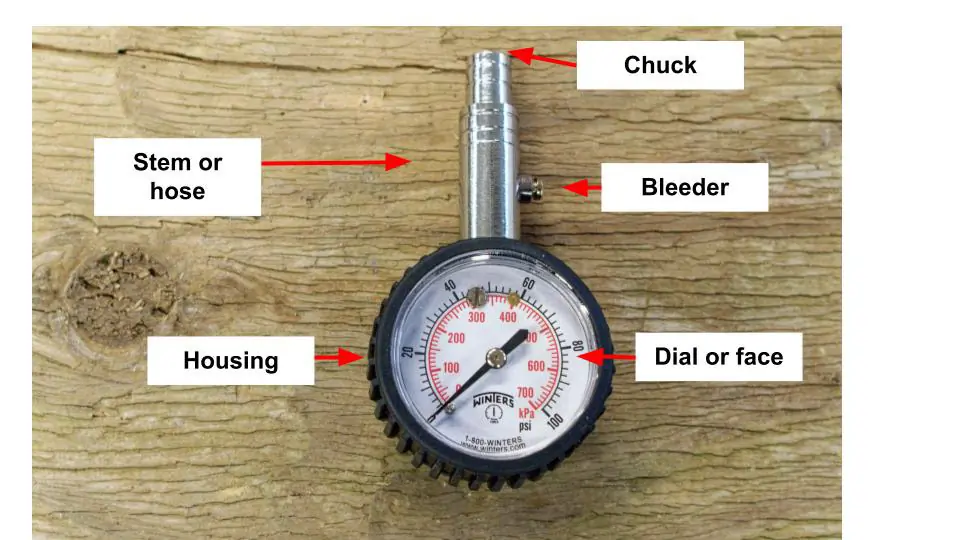
- Dial Gauge:Uses a round dial with a needle to display pressure.
- Digital Pencil Gauge:Combines manual operation with a small digital screen.
How Manual Gauges Work
Manual gauges measure pressure by connecting to the tire valve. Air pressure pushes against a small piston or sensor inside the gauge.
The pressure moves a needle or pushes a rod that shows the reading. The user reads the value directly from the gauge.
Advantages Of Manual Gauges
- No battery needed, so they work anytime.
- Simple to use with no complicated settings.
- Durable and less likely to break with rough use.
- Usually less expensive than digital gauges.
- Easy to read in most lighting conditions, especially dial types.
Limitations Of Manual Gauges
| Limitation | Description |
| Accuracy | May be less precise than digital gauges. |
| Reading Difficulty | Stick gauges can be hard to read quickly. |
| No Memory | Cannot store previous measurements. |
| Wear and Tear | Parts can wear out and affect results. |
| Temperature Sensitivity | Extreme heat or cold can affect readings. |
Digital Tire Gauges
Digital tire gauges measure the air pressure in tires. They show the pressure using a digital screen.
These gauges are easy to read and use. They give quick and accurate results for tire pressure.
Types Of Digital Gauges
Digital tire gauges come in several types. Each type fits different needs and uses.
- Handheld digital gauges: Small and portable for quick checks.
- Pen-style digital gauges: Thin and easy to carry in pockets.
- Wall-mounted digital gauges: Fixed units used in garages or shops.
- Bluetooth digital gauges: Connect to phones for extra features.
How Digital Gauges Work
Digital gauges use sensors to detect air pressure. The sensor sends data to a small computer inside.
The computer converts pressure into numbers. These numbers show on the digital screen for easy reading.
Benefits Of Digital Gauges
Digital gauges give fast and clear readings. They reduce mistakes from reading small dials.
- Easy to read numbers on a screen
- High accuracy for correct tire pressure
- Works well in low light or at night
- Can store or track pressure over time
- Some models connect to apps for more info
Drawbacks Of Digital Gauges
Digital gauges need batteries to work. Without power, they cannot show readings.
They may cost more than manual gauges. Some models are sensitive to damage from drops.
- Require batteries that can run out
- Higher cost compared to manual gauges
- Screen can break if dropped hard
- May need calibration for best accuracy
Accuracy And Reliability
Tire pressure is important for safe driving and good fuel use. Using the right tire gauge helps check pressure correctly.
Manual and digital tire gauges both measure pressure but differ in accuracy and reliability. Understanding these differences helps pick the best gauge.
Manual Gauge Accuracy
Manual tire gauges use a small piston or dial to measure pressure. They show the reading on a scale you read by eye.
The accuracy depends on how steady your hand is and how clear the scale is. Low-quality gauges may give wrong readings.
Digital Gauge Accuracy
Digital gauges use sensors to measure pressure and show numbers on a screen. They give quick and easy-to-read results.
These gauges often provide more precise readings than manual ones. They reduce errors caused by human reading mistakes.
Factors Affecting Precision
Both types can lose accuracy due to temperature changes and wear over time. Dirt and damage also affect readings.
- Battery life can impact digital gauge accuracy
- Manual gauges need regular calibration
- Proper use is key to getting correct readings
- Environmental conditions like cold or heat matter

Credit: www.reddit.com
Ease Of Use
Tire gauges help check tire pressure. They come in manual and digital types. Each type works differently and feels different to use.
Understanding how easy each type is can help you choose the right one for your needs. Let’s look at how manual and digital gauges work.
Using Manual Gauges
Manual tire gauges need you to press the gauge onto the tire valve. You then read the pressure from a small stick or dial. It takes some practice to get the right reading.
Manual gauges do not use batteries, so they are ready to use anytime. You must watch the scale carefully to get an accurate reading.
Using Digital Gauges
Digital tire gauges show the pressure on a small screen. You press the gauge onto the tire valve and wait for the number to appear. The reading is usually clear and easy to see.
Digital gauges need batteries to work. They often have extra features like backlight or memory for past readings. This can make checking tires faster and simpler.
User Experience Comparison
- Manual gauges require careful reading and steady hands.
- Digital gauges give clear, quick pressure readings on a screen.
- Manual gauges work without batteries and last longer without maintenance.
- Digital gauges need batteries but offer easier use for beginners.
- Manual gauges are simple but can be hard to read in low light.
- Digital gauges often have backlight to help in dark places.
Cost And Durability
Tire gauges are tools to check tire pressure. They come in manual and digital types. Both have different costs and durability. Knowing these helps you pick the right one.
We will look at the price range of manual and digital gauges. Then, we will discuss how long they last and how to care for them.
Price Range Of Manual Gauges
Manual tire gauges cost less than digital ones. They are simple devices with fewer parts. This makes them cheaper to buy.
- Basic pencil-style gauges cost around $5 to $10.
- Dial-type gauges range from $10 to $20.
- They do not require batteries, reducing extra costs.
Price Range Of Digital Gauges
Digital tire gauges are more expensive. They have electronic parts and displays. Batteries add to the cost over time.
| Type | Price Range |
|---|---|
| Basic digital gauges | $15 – $30 |
| Advanced digital gauges | $30 – $60 |
| Battery replacement | $5 – $10 per battery |
Durability And Maintenance
Manual gauges last longer with less care. They have fewer parts that can break. Digital gauges need more careful handling.
- Manual gauges resist drops and rough use.
- Digital gauges can break if dropped.
- Manual gauges do not need batteries or calibration.
- Digital gauges require battery changes and occasional calibration.
- Keep both types clean to ensure accuracy.
Applications And Suitability
Manual and digital tire gauges help measure tire pressure. Each type has unique applications and suitability.
Understanding these differences can help you choose the best gauge for your needs.
Best Uses For Manual Gauges
Manual gauges are simple and reliable. They do not require batteries and are easy to use.
These gauges work well in various weather conditions. They are suitable for outdoor and rugged use.
- Long-lasting and durable
- Ideal for extreme temperatures
- Perfect for off-road adventures
Best Uses For Digital Gauges
Digital gauges provide accurate readings. They are easy to read with their digital display.
These gauges are great for quick checks. They are ideal for those who want precise measurements.
- Accurate and easy to read
- Best for quick tire pressure checks
- Suitable for modern cars and bikes
Choosing The Right Gauge
Consider your needs before choosing a gauge. Think about where and how you will use it.
Your choice depends on factors like durability and accuracy. Select the one that best fits your lifestyle and vehicle.
- Manual gauges for durability and outdoor use
- Digital gauges for accuracy and ease
- Match the gauge to your vehicle type
Credit: gearjunkie.com
Frequently Asked Questions
What Is The Main Difference Between Manual And Digital Tire Gauges?
Manual gauges use a mechanical dial or stick to show pressure. Digital gauges display pressure on an electronic screen for easier reading. Digital models often offer more precise and faster results than manual ones.
Are Digital Tire Gauges More Accurate Than Manual Ones?
Yes, digital tire gauges usually provide more accurate readings. They reduce human errors in reading pressure levels. However, high-quality manual gauges can still offer reliable results with proper use.
Which Tire Gauge Type Is Easier To Use For Beginners?
Digital tire gauges are easier for beginners. They show clear numerical readings, avoiding guesswork. Manual gauges require reading a dial or stick, which can be tricky for new users.
How Do Manual And Digital Gauges Differ In Price?
Manual tire gauges are generally cheaper than digital ones. Digital gauges cost more due to electronic components and extra features. Both types offer options across various price ranges.
Conclusion
Choosing between manual and digital tire gauges depends on your needs. Manual gauges are simple and do not need batteries. Digital gauges offer quick and easy readings. Both types help keep tires safe and well-inflated. Think about your budget and how often you check tires.
Either way, regular pressure checks improve driving safety and tire life. Small effort, big difference. Keep your tires in good shape for a smoother ride.







