
When it comes to choosing the right wheels for your vehicle, understanding the difference between hub centric and lug centric wheels can save you from costly mistakes and improve your driving experience. You might think all wheels fit the same way, but the way they connect to your car’s hub can affect safety, performance, and comfort.
If you want to make the best choice for your ride, keep reading—because knowing this simple difference could change the way your car handles and feels on the road.

Credit: www.youtube.com
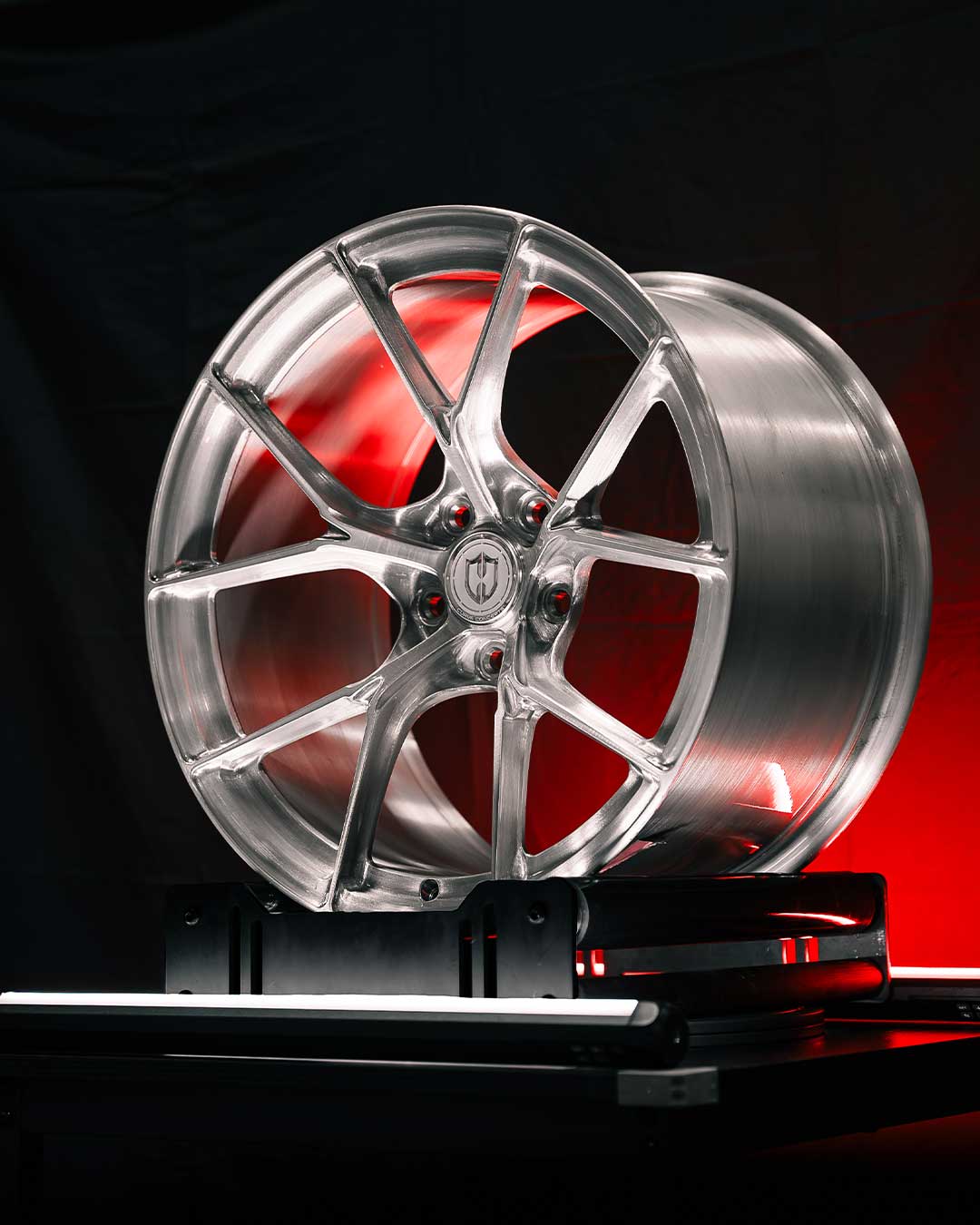
Hub Centric Wheels
Hub centric wheels fit tightly around the vehicle’s hub. This helps the wheel sit perfectly on the hub.
This type of wheel reduces vibrations and improves balance while driving.
Design And Fitment
Hub centric wheels have a center hole matching the car’s hub size. The hub supports the wheel weight.
The wheel bolts hold the wheel in place, but the hub keeps it centered. This design makes installation easier.
- Center hole matches hub diameter
- Wheel rests on vehicle hub
- Bolts only keep the wheel secured
- Better wheel alignment and fitment
Benefits And Drawbacks
Hub centric wheels reduce wheel vibrations and improve ride comfort. They help keep the wheel balanced.
These wheels may cost more than lug centric ones. They need precise measurements for the hub size.
- Benefits:Better fit, less vibration, easier installation
- Drawbacks:Higher cost, need exact hub size, limited compatibility
Credit: curvaconcepts.com
Lug Centric Wheels
Lug centric wheels use the lug nuts to center the wheel on the vehicle. The wheel fits tightly around the lug bolts or studs. This type of wheel does not rely on the hub for centering.
Many cars use lug centric wheels because they are easier to install. The wheel aligns itself when you tighten the lug nuts.
Design And Fitment
Lug centric wheels have holes that match the vehicle’s lug bolts or studs. The wheel sits on the lugs for alignment. The center hole of the wheel is larger than the hub.
This design lets the lug nuts pull the wheel tight against the hub. It works well if the wheel and lugs are in good condition. Fitment depends mostly on the lug pattern and size.
- Wheel holes match the lug bolts
- Center hole is larger than the hub
- Lug nuts hold the wheel in place
- Fit depends on lug pattern and size
Benefits And Drawbacks
Lug centric wheels are easy to install. The lugs pull the wheel tight, so the wheel centers itself. This makes them popular for many vehicles.
Drawbacks include less precise centering compared to hub centric wheels. If the lugs or wheel holes wear out, the wheel may wobble. This can cause vibrations while driving.
- Easy to install and remove
- Works well with good lug and hole condition
- Less precise centering than hub centric wheels
- Wear can cause wheel vibration
Comparing Hub Centric And Lug Centric
Hub centric and lug centric wheels are two types of wheel designs. They differ in how the wheel fits on the vehicle hub. Understanding these differences helps in choosing the right wheels.
Both types affect how the wheel loads are carried, the installation process, and the vehicle’s performance.
Load Distribution
Hub centric wheels center on the hub of the vehicle. This design helps to evenly spread the load across the hub. It reduces stress on the lug nuts.
Lug centric wheels rely on the lug nuts to hold the wheel in place. The load mainly rests on the lugs. This can cause uneven pressure and wear on the lugs and bolts.
| Feature | Hub Centric | Lug Centric |
| Load Support | Load evenly on hub | Load mainly on lugs |
| Stress on Lug Nuts | Less stress | Higher stress |
| Risk of Wheel Vibration | Lower | Higher |
Installation Process
Hub centric wheels fit snugly on the hub. This makes installation easier and more accurate. The wheel aligns perfectly before tightening the lug nuts.
Lug centric wheels need careful tightening of lug nuts. The wheel may not center itself on the hub. This requires more attention to avoid misalignment.
- Hub centric wheels align automatically.
- Lug centric wheels need manual alignment.
- Hub centric installation takes less time.
- Lug centric installation demands more care.
Impact On Vehicle Performance
Hub centric wheels provide better stability. They reduce vibrations and improve ride comfort. The even load distribution helps in long-term durability.
Lug centric wheels can cause vibration issues. Uneven load may affect handling and cause faster wear on wheel parts.
- Hub centric wheels offer smoother ride quality.
- Lug centric wheels may lead to wheel imbalance.
- Hub centric designs protect vehicle components better.
- Lug centric wheels need frequent checks for tightness.
Choosing The Right Wheel
Choosing between hub centric and lug centric wheels affects your vehicle’s safety and performance. Both types fit differently and suit various needs.
Understanding the differences helps you pick the best wheel for your car and driving style.
Vehicle Compatibility
Hub centric wheels align perfectly with the vehicle’s hub. This fit reduces vibrations and stress on the lug nuts. Lug centric wheels rest on the lug nuts to hold the wheel in place.
- Hub centric wheels suit most modern cars.
- Lug centric wheels work well with older or custom vehicles.
- Check your vehicle’s hub size to match the wheel type.
Driving Conditions
Hub centric wheels provide better stability on rough roads. They reduce vibrations at high speeds. Lug centric wheels may cause slight vibrations if not installed properly.
| Condition | Hub Centric | Lug Centric |
|---|---|---|
| Highway Driving | Stable and smooth | Possible vibrations |
| Off-road | Better support | Less stable |
| City Driving | Comfortable ride | Acceptable performance |
Cost Considerations
Hub centric wheels often cost more due to precise engineering. Lug centric wheels are usually less expensive and easier to find.
- Hub centric wheels may save money on maintenance by reducing wear.
- Lug centric wheels are budget-friendly for casual drivers.
- Consider long-term costs and your driving needs.
Common Myths And Misconceptions
Many people confuse hub centric and lug centric wheels. Both types affect how a wheel fits on a vehicle. This leads to wrong beliefs about their use and safety.
Clearing up these myths helps car owners pick the right wheels. It also improves vehicle performance and safety.
Myth: Hub Centric Wheels Are Always Safer
Some say hub centric wheels are safer because they fit perfectly on the hub. While they do offer better alignment, safety also depends on other factors like wheel quality and installation.
Myth: Lug Centric Wheels Cause Wheel Vibration
People think lug centric wheels always cause vibrations. This is not true. If the lugs and wheel are the right size and properly tightened, vibrations will not happen.
Misconception: Hub Centric Wheels Fit All Cars
Some believe hub centric wheels fit any car. This is false. Each vehicle has a specific hub size. Using the wrong size can cause fitment problems and damage.
Misconception: Lug Centric Wheels Are Cheaper And Lower Quality
Many think lug centric wheels are cheap and weak. Cost does not always show quality. Some lug centric wheels are made with strong materials and good design.
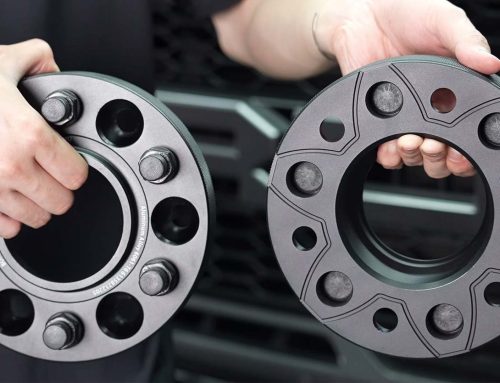
Quick Comparison Of Hub Centric And Lug Centric Wheels
| Feature | Hub Centric Wheels | Lug Centric Wheels |
| Fit Method | Centered on the hub | Centered on the lug nuts |
| Common Use | Modern cars and trucks | Older models and some aftermarket |
| Vibration Risk | Lower if correct hub size | Low if properly installed |
| Cost | Usually higher | Often lower |
| Installation | Easier alignment | Needs careful lug nut torque |
Credit: www.bonoss.com
Frequently Asked Questions
What Is A Hub Centric Wheel?
A hub centric wheel fits precisely over the vehicle’s hub. It centers the wheel using the hub’s diameter, ensuring better alignment and less vibration during driving.
How Does A Lug Centric Wheel Work?
A lug centric wheel centers on the lug nuts or bolts. The wheel is held in place by the tightness of these fasteners, relying less on hub fitment.
Which Wheel Type Offers Better Ride Quality?
Hub centric wheels provide smoother rides by reducing vibrations. Their precise fitment balances the wheel better than lug centric wheels, enhancing driving comfort.
Are Hub Centric Wheels Safer Than Lug Centric?
Yes, hub centric wheels distribute load evenly on the hub. This reduces stress on lug nuts, making them generally safer and more reliable.
Conclusion
Choosing between hub centric and lug centric wheels affects your vehicle’s fit and safety. Hub centric wheels fit tightly on the hub, reducing vibrations. Lug centric wheels rely on lug nuts to hold the wheel in place. Both types have pros and cons depending on your needs.
Knowing the difference helps you pick the right wheels. Proper wheel fit improves driving comfort and safety. Always check your vehicle’s requirements before buying wheels. The right choice keeps your ride smooth and secure.







