
When it comes to choosing wheels for your vehicle, you might have come across the terms “forged” and “cast” wheels. But what exactly sets them apart?
Understanding the difference between forged and cast wheels can save you money, improve your car’s performance, and help you make the right choice for your driving needs. Whether you want stronger wheels, a lighter ride, or just want to know what you’re really paying for, this guide is made for you.
Keep reading, and by the end, you’ll know exactly which wheels suit your style and your ride.
Forged Wheels Basics
Forged wheels are made by shaping metal under high pressure. They differ from cast wheels, which are formed by pouring molten metal into molds. Understanding forged wheels helps in choosing the right type for your vehicle.
This guide explains key facts about forged wheels. Learn about their manufacturing process, material traits, and strength.
Manufacturing Process
Forged wheels start as solid metal blocks. These blocks undergo intense heat and pressure to shape the wheel. This method aligns the metal’s grain for better strength.
- Metal block is heated until soft
- High-pressure machine presses metal into shape
- Wheel is trimmed and drilled for final form
- Surface is polished and finished
Material Characteristics
Forged wheels use high-quality aluminum alloys. These alloys offer light weight and good resistance to damage. The forging process enhances these qualities.
| Property | Forged Wheels | Cast Wheels |
| Material Density | Lower (lighter) | Higher (heavier) |
| Grain Structure | Aligned and tight | Random and porous |
| Resistance to Cracks | High | Lower |
| Surface Finish | Smoother | Rougher |
Strength And Durability
Forged wheels have high strength due to the forging process. They resist bending and cracking better than cast wheels. This makes them safer and longer lasting.
- Stronger metal grain structure
- Better impact resistance
- Improved fatigue life
- Less prone to corrosion
Cast Wheels Essentials
Cast wheels are popular for many vehicles. They are made by pouring molten metal into molds.
This method creates wheels with a variety of designs and sizes. Cast wheels are generally heavier than forged wheels.
Manufacturing Process
The process starts by melting aluminum or alloy metals. The liquid metal is poured into a mold to form the wheel shape.
After cooling, the wheel is removed and cleaned. It may also go through finishing steps like polishing or painting.
- Molten metal is poured into a mold.
- The metal cools and solidifies.
- The wheel is removed from the mold.
- Finishing touches are applied.
Material Composition
Cast wheels mostly use aluminum alloys. These alloys balance strength and weight.
The metal mix can include elements like silicon and magnesium. These improve durability and resistance to corrosion.
| Material | Purpose |
| Aluminum | Lightweight base metal |
| Silicon | Improves fluidity and strength |
| Magnesium | Increases toughness |
Cost And Availability
Cast wheels cost less than forged wheels. The casting process is less complex and faster.
These wheels are widely available. Many car models come with cast wheels as standard equipment.
Performance Comparison
Forged and cast wheels are popular choices for cars. Both types affect how a car performs on the road.
This section looks at their differences in weight and handling, strength under stress, and heat dissipation.
Weight And Handling
Forged wheels are lighter than cast wheels. This helps the car feel more responsive and easier to control.
Lighter wheels lower the car’s unsprung weight. This improves acceleration and braking performance.
- Forged wheels: lighter, better handling
- Cast wheels: heavier, less responsive
Strength Under Stress
Forged wheels are stronger due to their manufacturing process. They handle impacts and heavy loads well.
Cast wheels are less strong and may crack under high stress. They suit normal driving but not extreme use.
- Forged wheels: higher strength, better for rough roads
- Cast wheels: lower strength, good for everyday driving
Heat Dissipation
Forged wheels cool down faster during hard braking. This helps prevent brake fade on long drives.
Cast wheels do not dissipate heat as well. They may cause brakes to overheat in tough conditions.
- Forged wheels: better heat dissipation, safer braking
- Cast wheels: slower heat release, risk of brake fade

Credit: wheelshome.com
Design And Customization
Forged and cast wheels differ in how they are made. This affects their design and how you can change them.
Understanding these differences helps you choose the right wheel style and fit for your vehicle.
Aesthetic Options
Forged wheels have cleaner and sharper designs. Their strength allows thinner spokes and complex shapes.
Cast wheels often have simpler designs. They can be made with many styles but may not be as detailed.
- Forged wheels: sharp lines, detailed patterns
- Cast wheels: simpler shapes, varied finishes
- Both offer different paint and coating choices
Size And Fitment
Forged wheels can be made in many sizes with precise fit. This helps improve performance and style.
Cast wheels come in standard sizes. They fit most vehicles but may not offer perfect alignment.
- Forged wheels: custom sizes, exact fit
- Cast wheels: standard sizes, good fit
- Forged wheels often lighter and stronger
Customization Flexibility
Forged wheels allow more changes during production. You can change shape, size, and finish easily.
Cast wheels have less room for change. Most adjustments happen after casting, like painting or polishing.
- Forged wheels: high customization during making
- Cast wheels: limited changes, mostly after casting
- Forged wheels suit personal and performance needs
Durability And Maintenance
Forged and cast wheels differ in how strong they are and how easy they are to care for. Understanding these differences helps you choose the best wheel for your needs.
This section covers three key points: resistance to damage, repairability, and longevity of forged and cast wheels.
Resistance To Damage
Forged wheels are made by shaping solid metal under high pressure. This process makes them very strong and less likely to crack or bend. Cast wheels are made by pouring molten metal into molds. They can be more brittle and more likely to crack under impact.
- Forged wheels resist cracks better.
- Cast wheels can bend or crack from potholes.
- Forged wheels handle rough roads well.
- Cast wheels may need more careful driving.
Repairability
Repairing forged and cast wheels is different because of their materials and shapes. Forged wheels can be fixed easily if damaged because they are strong and flexible. Cast wheels are harder to repair and may need to be replaced if cracked.
| Type of Wheel | Repair Ease | Common Repairs |
| Forged Wheels | Easy | Minor bends and scratches |
| Cast Wheels | Difficult | Cracks often need full replacement |
Longevity
Forged wheels tend to last longer because they are stronger and less likely to break. Cast wheels may wear out faster under heavy use or rough conditions. Proper care and maintenance can extend the life of both types.
- Forged wheels offer longer service life.
- Cast wheels wear faster with heavy use.
- Regular cleaning helps both types last longer.
- Avoiding harsh impacts protects wheel integrity.
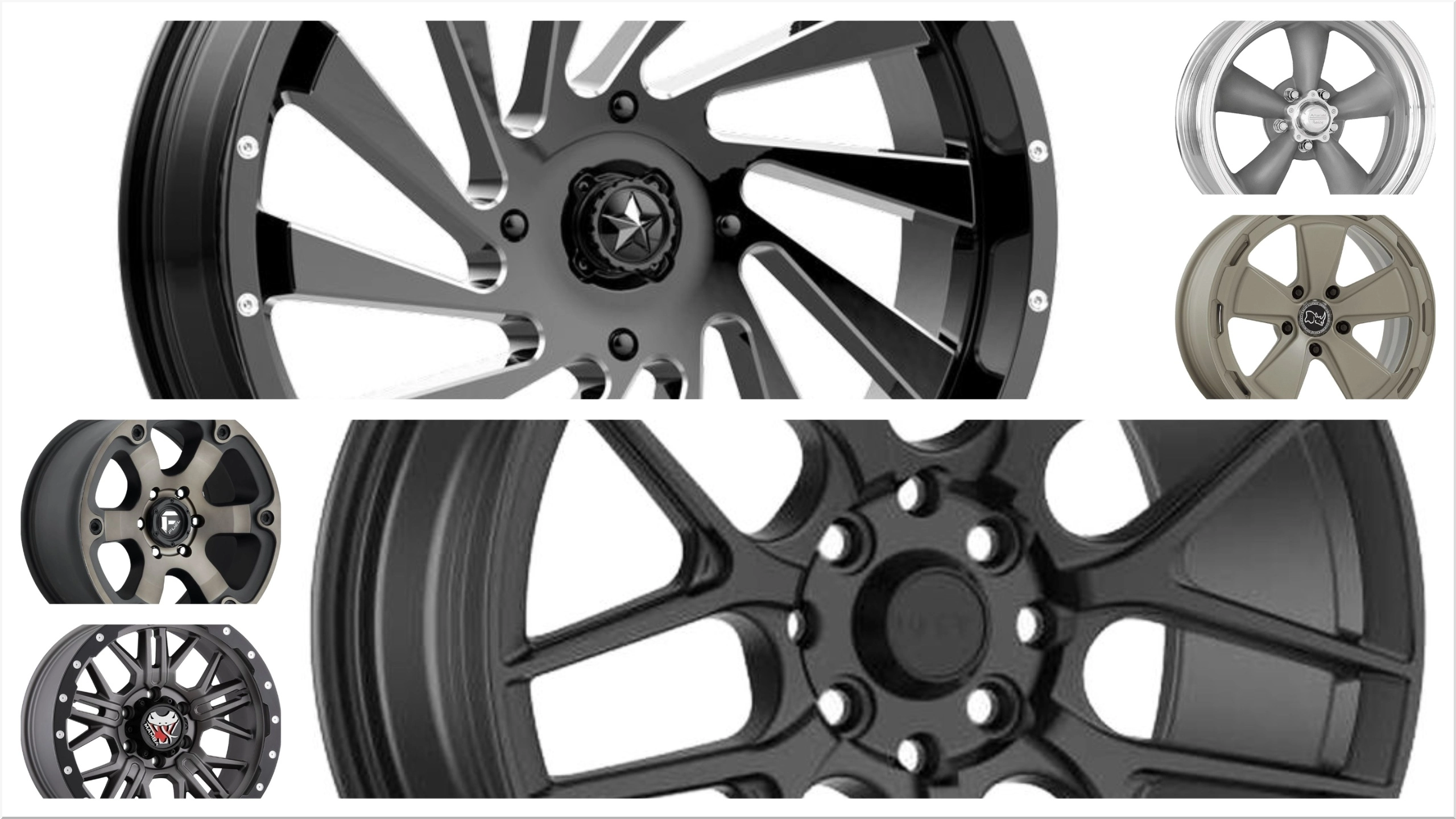
Credit: www.cardivision.com
Cost Implications
Choosing between forged and cast wheels involves understanding their cost. Each type has different expenses and benefits. Let’s explore their financial aspects.
We’ll look at the initial investment, long-term value, and resale considerations for each wheel type. This helps in making an informed decision.
Initial Investment
Forged wheels often cost more upfront than cast wheels. The manufacturing process is complex and uses high-quality materials. Cast wheels are cheaper due to simpler production.
- Forged wheels: Higher initial cost
- Cast wheels: More budget-friendly
Long-term Value
Forged wheels are durable and lightweight. They may reduce fuel costs and maintenance expenses over time. Cast wheels can be heavier, which might increase fuel use and wear.
| Type | Durability | Fuel Efficiency |
| Forged | High | Better |
| Cast | Moderate | Less efficient |
Resale Considerations
Forged wheels retain value well over time. They are sought after in the resale market. Cast wheels depreciate faster, but are easier to sell due to lower prices.
Best Uses For Each Wheel Type
Forged and cast wheels are popular choices for vehicles. Each has unique benefits. Knowing the best use for each helps you decide what fits your needs.
Below, we explore how each wheel type performs in different driving conditions. This will guide you in choosing the right wheel for your vehicle.
Daily Driving
For daily driving, comfort and durability matter. Cast wheels offer a smooth ride and are cost-effective. They are ideal for city and highway use.
- Budget-friendly option
- Sufficient for city roads
- Offers adequate comfort
Performance And Racing
Performance drivers need wheels that handle speed. Forged wheels are strong and lightweight. They enhance vehicle performance and efficiency.
| Wheel Type | Benefit |
| Forged | Lightweight and strong |
| Cast | More affordable |
Off-road And Tough Conditions
In tough conditions, wheel strength is key. Forged wheels are more durable. They withstand off-road challenges better than cast wheels.

Credit: wheelshome.com
Frequently Asked Questions
What Are Forged Wheels Made Of?
Forged wheels are made by compressing solid aluminum or alloy billets. This process aligns the metal grains, creating stronger and lighter wheels compared to cast wheels.
How Are Cast Wheels Manufactured?
Cast wheels are produced by pouring molten metal into molds. This method is cost-effective but results in heavier and less durable wheels than forged ones.
Which Is Stronger: Forged Or Cast Wheels?
Forged wheels are stronger due to their manufacturing process. Compression during forging improves metal density, making these wheels more resistant to damage and stress.
Are Forged Wheels Lighter Than Cast Wheels?
Yes, forged wheels are lighter. Their manufacturing technique reduces excess material, enhancing vehicle performance and fuel efficiency by lowering unsprung weight.
Conclusion
Forged and cast wheels serve different needs and budgets. Forged wheels are strong and light, ideal for performance. Cast wheels cost less and offer more design choices. Both types have pros and cons to consider. Think about your driving style and budget first.
Choosing the right wheel improves safety and car look. Take time to compare and decide what fits best. Your wheels matter for ride quality and style. Choose wisely to enjoy your vehicle fully.







