
When it comes to choosing the right tires for your vehicle, understanding the difference between directional and asymmetric tread can make a big impact on your driving experience. You might wonder why some tires have a clear arrow pattern while others show different designs on each side.
Knowing how these treads work can help you improve your car’s grip, safety, and performance—especially in wet or tricky conditions. Keep reading to discover which tread type suits your driving style and needs best, so you can make smarter choices the next time you shop for tires.
Directional Tread Design
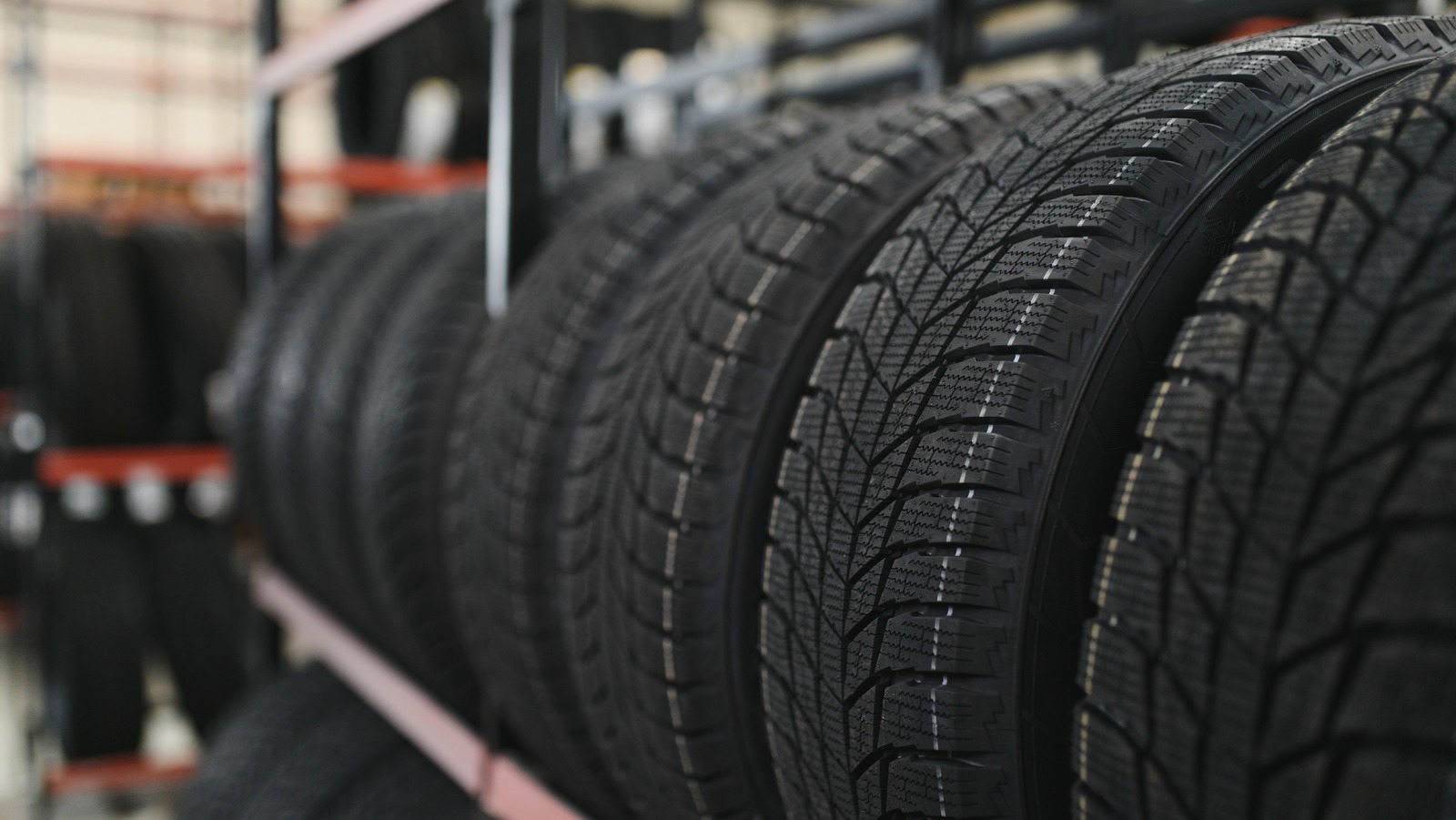
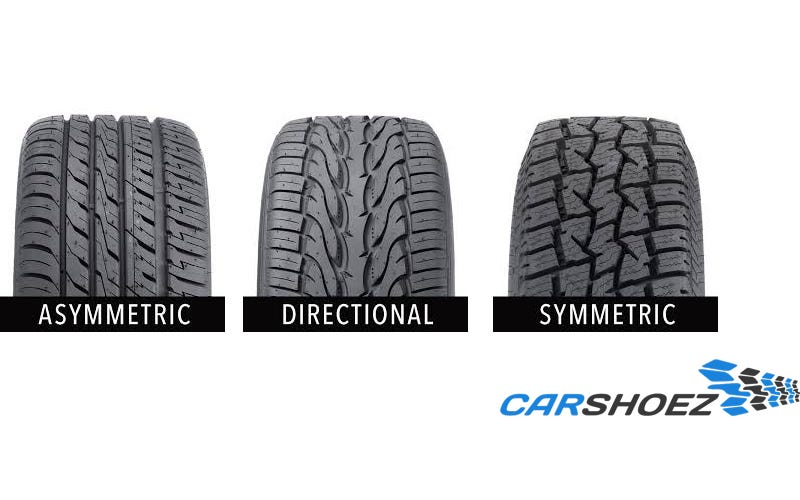
Directional tread designs have a unique pattern that points in one direction. This helps the tire roll smoothly and efficiently on the road.
These tires often show a V-shaped or arrow-like pattern. They are made to improve handling and water drainage while driving.
Pattern Characteristics
Directional tread patterns have features that set them apart from other tread types. Their design allows them to perform well in certain conditions.
- V-shaped or arrow-like grooves that point forward
- Symmetrical design on both sides of the center line
- Grooves that channel water quickly away from the tire
- Uniform block sizes for balanced traction
Performance Benefits
Directional tread tires provide several advantages in driving performance. They help improve safety and control on wet and dry roads.
| Benefit | Description |
| Better Water Evacuation | Grooves push water away, reducing hydroplaning risk. |
| Improved Traction | Enhanced grip during acceleration and cornering. |
| Reduced Road Noise | Symmetrical pattern lowers noise levels inside the car. |
| Optimized Handling | Directional design supports stable steering response. |
Ideal Driving Conditions
Directional tread tires work best in certain weather and road situations. They are chosen for specific driving needs.
- Wet roads with frequent rain or puddles
- Highway driving at moderate to high speeds
- Performance cars needing sharp handling
- Winter conditions without heavy snow buildup
Credit: www.jalopnik.com
Asymmetric Tread Design
Asymmetric tread design is a type of tire pattern. It has different designs on the inner and outer parts of the tire.
This design helps improve tire performance in many ways. It balances grip, noise, and water evacuation.
Pattern Features
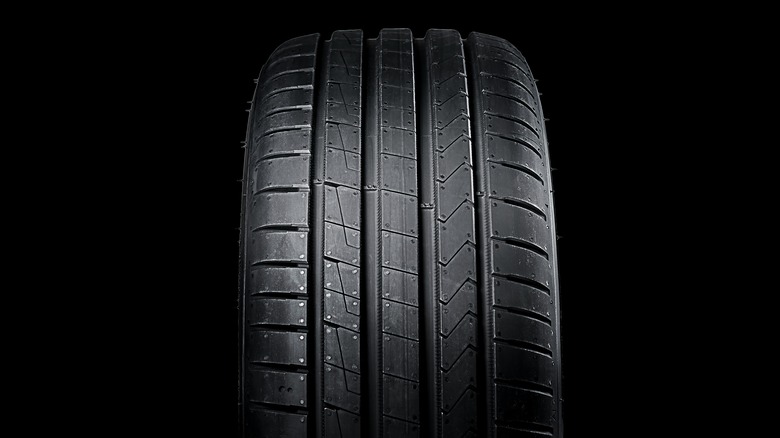
The outer part has large tread blocks for cornering and stability. The inner part has smaller blocks for better water drainage.
The center area may have a continuous rib for smooth driving and better handling.
- Outer side: Large blocks for grip on dry roads
- Inner side: Small blocks and grooves for wet grip
- Center: Continuous rib or blocks for stability
Handling Advantages
Asymmetric tires offer better cornering and control. They provide good traction on dry and wet roads.
This design reduces road noise and improves ride comfort. It also helps with braking performance in different conditions.
- Improved grip in turns
- Better water evacuation to prevent hydroplaning
- Quieter and smoother ride
- Enhanced braking on dry and wet surfaces
Suitable Road Types
Asymmetric tires work well on city streets and highways. They are good for mixed driving conditions.
They handle wet and dry roads with ease. They are not the best choice for deep snow or off-road use.
- Urban roads
- Highways
- Wet and dry pavement
- Light rain and occasional wet conditions
Comparing Traction And Grip
Directional and asymmetric tread patterns affect how tires grip the road. Each type offers unique traction features. Understanding these helps in choosing the right tire.
This comparison focuses on how these tread types perform in different conditions. We look at wet weather, dry roads, and snow or ice.
Wet Weather Performance
Directional tread patterns excel in wet conditions. They channel water away quickly to reduce hydroplaning. Asymmetric treads also handle wet roads well but in a different way.
- Directional treads have V-shaped grooves for fast water evacuation.
- Asymmetric treads use varied patterns for balanced water dispersion.
- Directional tires often offer stronger straight-line wet traction.
- Asymmetric tires provide better cornering grip on wet surfaces.
Dry Road Handling
Dry road grip depends on tread contact and design. Asymmetric tires usually have stiffer outer edges for sharp turns. Directional tires focus on forward traction.
| Tread Type | Dry Road Strengths | Dry Road Weaknesses |
| Directional | Good straight-line grip | Less cornering stability |
| Asymmetric | Better cornering and handling | Can wear unevenly if rotated wrong |
Snow And Ice Behavior
Snow and ice demand strong bite and traction. Directional treads clear snow better. Asymmetric treads use mixed patterns to maintain grip on slippery surfaces.
Key points for snow and ice traction:
- Directional tread channels snow and slush outward.
- Asymmetric tread combines solid and open blocks for grip.
- Directional tires may lose some lateral grip on ice.
- Asymmetric tires offer balanced performance in mixed winter conditions.
Noise And Comfort Levels
Tire tread design affects how much noise a tire makes. It also changes how comfortable the ride feels.
This article explains noise and comfort differences between directional and asymmetric tread tires.
Directional Tread Noise And Comfort
Directional tires have a V-shaped pattern. This pattern helps move water away quickly.
The V-shape can cause more road noise. This happens because the tread blocks hit the road in a certain way.
- Noise can be louder at high speeds
- Ride may feel a bit rough on uneven roads
- Good for wet conditions but less smooth
Asymmetric Tread Noise And Comfort
Asymmetric tires have different patterns on the inside and outside. This design balances grip and comfort.
These tires usually produce less noise. The tread blocks are arranged to reduce vibration and road sound.
- Quieter on highways and city roads
- Smoother ride on most surfaces
- Better comfort for daily driving
Installation And Rotation Tips
Directional and asymmetric tires have unique tread designs. These designs need special care during installation and rotation. Following the right methods helps keep tires safe and lasting longer.
Understanding the differences in installation and rotation can improve your car’s grip and tire life. Let’s look at each type and how to handle them properly.
Installing Directional Tread Tires
Directional tires have a V-shaped tread pattern. They work best rolling in one direction to move water away and improve traction.
Always mount directional tires so the tread points in the direction of forward rotation. Usually, an arrow on the sidewall shows this direction.
Installing Asymmetric Tread Tires
Asymmetric tires have different patterns on the inner and outer sides. The outer side often has larger blocks for cornering. The inner side handles water and wet roads.
Install asymmetric tires with the “outside” label facing outward. Check the sidewall for this marking to avoid incorrect mounting.
Rotation Tips For Directional And Asymmetric Tires
Rotating tires helps them wear evenly. Each tire type needs a different rotation pattern.
- Directional tires:Rotate front to back on the same side only. Crossing sides can break the correct rotation direction.
- Asymmetric tires:You can rotate front to back on the same side or swap tires side to side if the tires are non-directional.
| Tire Type | Rotation Pattern | Important Note |
|---|---|---|
| Directional | Front to back on the same side | Keep the arrow pointing forward |
| Asymmetric | Front to back or side to side (if non-directional) | Outside must face outwards |
Credit: medium.com
Choosing The Right Tread For Your Vehicle
Understanding tread types is key to optimal vehicle performance. Directional and asymmetric treads each have unique benefits. Choose the right one based on your needs.
Knowing the difference helps in choosing tires that suit your driving style, vehicle type, and budget.
Driving Style Considerations
How you drive impacts the tread choice. Directional treads are great for wet conditions and high-speed performance.
- Directional Tread: Ideal for straight-line traction.
- Asymmetric Tread: Offers better cornering and flexibility.
Vehicle Type Impact
Your vehicle type determines the suitable tread. Different vehicles require specific tread designs for safety and efficiency.
| Vehicle Type | Recommended Tread |
| SUV | Asymmetric for off-road and on-road balance |
| Sports Car | Directional for speed and grip |
| Sedan | Asymmetric for comfort and handling |
Budget And Maintenance
Consider budget and maintenance when choosing treads. High-performance tires may cost more but offer better durability.
Credit: www.jalopnik.com
Frequently Asked Questions
What Is The Main Difference Between Directional And Asymmetric Tread?
Directional tread has a specific rotation direction for optimal performance. Asymmetric tread combines different patterns on inner and outer sides for balanced grip and handling.
How Does Directional Tread Improve Tire Performance?
Directional tread channels water efficiently, reducing hydroplaning risk. It enhances traction and stability, especially at high speeds and in wet conditions.
Why Choose Asymmetric Tread Tires For Everyday Driving?
Asymmetric tread offers a blend of dry grip and wet traction. It provides better cornering and quieter rides, making it ideal for varied road conditions.
Can I Switch Directional And Asymmetric Tires On My Vehicle?
No, directional tires must rotate in one direction only. Asymmetric tires have specific inner and outer sides. Mixing or improper mounting affects safety and performance.
Conclusion
Directional and asymmetric treads serve different purposes. Directional treads help with water drainage and grip in one direction. Asymmetric treads offer a mix of performance and comfort on all sides. Choosing the right tread depends on your driving needs. Understanding these differences improves safety and tire life.
Always check your tire’s design before buying or rotating. Simple care keeps your tires working well longer. Know your tread type to drive smarter and safer.







