
Are you worried about getting unexpected speeding tickets? You might be considering a detector radar to stay one step ahead on the road.
But before you buy one, you need to know the legal side of using these devices. Understanding what’s allowed and what’s not can save you from fines or even bigger trouble. You’ll discover everything you need to know about detector radar legality, so you can protect yourself and drive with confidence.
Keep reading—your next drive could depend on it.
Radar Detector Laws
Radar detectors help drivers spot police radar signals. Laws about these devices vary. It is important to know the rules before using one.
This guide covers radar detector laws in the US and other countries. Learn about federal rules, state laws, and international differences.
Federal Regulations
The federal government sets some rules on radar detectors. These mainly focus on commercial vehicles and use in airplanes.
- Radar detectors are illegal in commercial trucks over 10,000 pounds.
- Using radar detectors on aircraft is banned by the Federal Aviation Administration.
- For private vehicles, federal law does not ban radar detectors.
State-specific Rules
Each US state has its own laws about radar detectors. Some allow them, while others ban or restrict their use.
| State | Radar Detector Status | Notes |
| Virginia | Illegal | Strict ban for all vehicles |
| Washington D.C. | Illegal | Radar detectors prohibited |
| California | Legal | Allowed for private cars |
| New York | Legal | Legal except in commercial vehicles |
| Texas | Legal | Allowed statewide |
International Differences
Many countries have different rules for radar detectors. Some ban them completely, others allow them with limits.
- Canada: Radar detectors are illegal in most provinces.
- United Kingdom: Use of radar detectors is illegal and can result in fines.
- Australia: Radar detectors are banned in several states.
- Germany: Radar detectors are illegal while driving.
- Japan: Strict laws ban radar detector use.
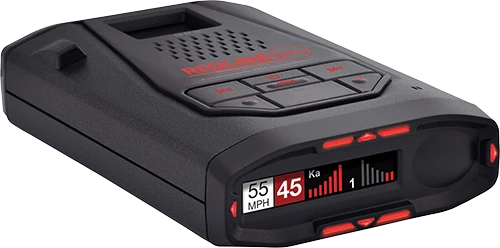
Credit: www.vortexradar.com
Types Of Radar Detectors
Radar detectors help drivers know when police use radar guns. These devices alert drivers to slow down. They come in many types with different features.
Understanding the types of radar detectors can help you choose the right one. They vary from simple models to those with smart technology.
Basic Models
Basic radar detectors are easy to use. They detect radar signals and give sound or light alerts. These models often have limited range and fewer settings.
- Simple alert sounds for radar detection
- Manual sensitivity controls
- Limited radar band coverage
- Affordable price points
- Basic false alert filtering
Advanced Features
Advanced radar detectors include more features to improve detection. They reduce false alerts and offer better range. Some models include GPS and voice alerts.
| Feature | Description |
| GPS Integration | Stores locations of speed cameras and alerts |
| Voice Alerts | Speaks warnings aloud for safer driving |
| Auto Sensitivity | Adjusts detection range based on speed and location |
| False Alert Filtering | Reduces alerts from non-police sources |
Smartphone Integration
Some radar detectors connect with smartphones for extra control. They use apps to update databases and customize alerts. This integration adds convenience and accuracy.
Benefits of smartphone integration:
- Real-time updates from user reports
- Custom alert settings through the app
- Easy software updates
- Access to live radar detection maps
Legal Risks And Penalties
Using detector radar devices can lead to serious legal problems. Laws vary by location, but many places have strict rules.
It is important to understand the risks and penalties before using these devices on the road.
Fines And Tickets
Drivers caught using radar detectors may face fines or tickets. The amount depends on local laws and previous offenses.
- First offense usually results in a warning or small fine.
- Repeat offenses can lead to higher fines and points on your license.
- Some states treat radar detector use as a moving violation.
- Penalties can vary from $50 to over $500.
Confiscation Of Devices
Authorities may seize radar detectors if they are illegal in your area. This means you lose the device and may pay extra fees.
| Region | Confiscation Risk | Additional Penalties |
|---|---|---|
| California | Low | Fine only |
| Virginia | High | Device seized, fine imposed |
| Washington D.C. | Medium | Possible seizure and fine |
| Canada | Varies by province | Fines and confiscation possible |
Impact On Insurance
Using radar detectors can affect your car insurance rates. Insurers may see you as a higher risk.
- Insurance premiums might increase after a ticket for radar detector use.
- Some companies refuse coverage if you use illegal devices.
- Accidents while using these devices can lead to denied claims.
- Always check your insurance policy before using radar detectors.

Credit: www.amazon.ca
Installation And Use Guidelines
Detector radars help drivers stay aware of speed monitoring devices. Proper installation and use ensure they work well and safely. Follow these guidelines to get the best results.
Incorrect placement or use can cause poor performance or false alerts. Read each section carefully to understand how to set up your detector radar.
Proper Placement In Vehicles
Place the detector radar where it has a clear view of the road ahead. Avoid areas blocked by metal parts or electronic devices. The windshield or dashboard usually works best.
- Mount the device high on the windshield for better detection range
- Keep it away from vents and metal trims that can block signals
- Ensure it does not block the driver’s view or interfere with airbags
- Use the supplied mount or adhesive to secure the device firmly
Best Practices For Use
Use the detector radar only while driving and keep it updated. Adjust volume and sensitivity to suit your driving environment. Turn it off when not in use to save battery.
| Practice | Reason |
| Update software regularly | Detect latest radar signals |
| Adjust sensitivity | Reduce false alerts in busy areas |
| Lower volume in quiet areas | Avoid disturbing others |
| Turn off in restricted zones | Follow local laws |
Avoiding False Alerts
False alerts happen when the detector picks up signals from other devices. Avoid placing it near electronic gadgets or metal objects. Drive smoothly and avoid sudden stops near radar sources.
- Keep the detector away from cell phones and GPS devices.
- Do not place it near truck radios or toll transponders.
- Regularly clean the windshield to prevent signal interference.
- Check and adjust settings based on your local area conditions.
Alternatives To Radar Detectors
Radar detectors help drivers avoid speeding tickets. Some places ban these devices. You can try other options to stay safe and aware on the road.
Here are some alternatives that can help you drive carefully and avoid fines without using radar detectors.
Radar Detector Apps
Radar detector apps use your phone’s GPS to warn about speed cameras. They work by sharing data from other drivers. These apps update often to stay current.
- Use your phone’s GPS to find speed traps
- Receive alerts from a community of drivers
- Get warnings about fixed and mobile cameras
- Check speed limits and road hazards
Speed Awareness Tools
Speed awareness tools help you watch your speed closely. Many cars have built-in alerts. You can also use gadgets that beep when you go too fast.
| Tool | Function | Benefit |
| Speed Limiter | Caps max speed | Prevents speeding |
| Speed Alert | Beep on high speed | Raises driver awareness |
| Dashboard Cameras | Record driving | Encourages safe driving |
Defensive Driving Techniques
Defensive driving means watching the road and other drivers. It helps you avoid accidents and tickets. You focus on safety, not speed.
- Keep a safe distance from other cars
- Follow speed limits at all times
- Scan the road for hazards ahead
- Stay calm and patient while driving
- Use mirrors to stay aware of traffic
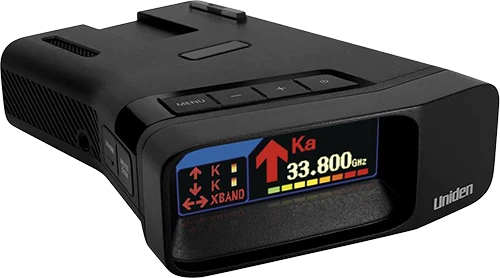
Credit: www.vortexradar.com
Recent Legal Updates
Understanding the latest legal changes in radar detector usage is crucial. These updates affect how drivers and law enforcement interact on the road.
Stay informed about new legislation, court decisions, and technology shifts. This helps ensure compliance and safety.
New Legislation Trends
Governments regularly update laws regarding radar detectors. It’s important to know what’s legal in your area.
- Some states ban radar detectors for commercial vehicles.
- New laws may introduce stricter penalties for illegal use.
- Legislation can vary significantly between regions.
Court Cases Impacting Usage
Court rulings can influence how radar detector laws are enforced. These cases may set precedents that affect future legal interpretations.
| Case Name | Outcome |
| State v. Doe | Upheld stricter enforcement |
| Driver v. State | Challenged radar detector ban |
| City v. RadarUser | Reduced penalties for first-time offenders |
Technology Changes Affecting Laws
Advancements in technology can lead to new laws. As radar detectors evolve, so do the regulations surrounding them.
Choosing The Right Radar Detector
Picking the right radar detector can save you from speeding tickets. Understanding features and user feedback helps make a smart choice.
Consider your budget and read reviews to find a detector that meets your needs. Learn what features are available before making a decision.
Evaluating Features
Radar detectors come with different features. Some common ones include GPS, voice alerts, and range detection. Each feature serves a specific purpose.
Understanding these features helps you choose a detector that fits your driving style. Prioritize what matters most to you.
- GPS detects red-light cameras
- Voice alerts keep your eyes on the road
- Range detection warns you of distant threats
Budget Considerations
Budget plays a big role in choosing a radar detector. Prices vary based on features and brand reputation. Set a budget to narrow down your options.
Be aware that high prices do not always guarantee the best performance. Focus on value for money.
- Entry-level: Basic alerts, limited range
- Mid-range: Good balance of features
- High-end: Advanced technology, superior range
User Reviews And Ratings
Reading user reviews offers insight into real-world performance. Look for patterns in complaints or praise to guide your choice.
Ratings provide a quick overview of customer satisfaction. Pay attention to both positive and negative feedback.
- 4+ stars: Generally reliable
- 3 stars: Mixed reviews, proceed with caution
- Below 3 stars: Consider other options
Frequently Asked Questions
Are Radar Detectors Legal In All States?
Radar detector legality varies by state. Some states allow them, while others prohibit their use. Check local laws before using one.
Can Police Detect If I Use A Radar Detector?
Most modern radar detectors are undetectable. However, some police use radar detector detectors. Use discreet models to reduce detection risk.
What Are The Penalties For Using Illegal Radar Detectors?
Penalties include fines, vehicle impoundment, or points on your license. Penalties vary depending on jurisdiction and offense severity.
Do Radar Detectors Work On All Types Of Speed Detection?
Radar detectors are effective against most radar guns. They may not detect laser-based speed detection devices. Check product specifications before purchase.
Conclusion
Understanding the laws about radar detectors helps you stay safe and legal. Different places have different rules. Always check local laws before using a radar detector. Using one where it is illegal can lead to fines or trouble. Remember, following traffic rules is the best way to avoid speeding tickets.
Stay informed and drive carefully. This keeps you and others safe on the road. Knowing the legal side of radar detectors makes you a smarter driver.







