
You just got a brand-new car, and it looks amazing. But did you know that detailing your new car can keep it looking fresh and protect its value?
Taking a little time to detail your car now can save you from costly repairs and dull paint later. You’ll discover simple, effective steps to make your new car shine like the day you drove it off the lot. Ready to keep your car looking brand new?
Let’s dive in.
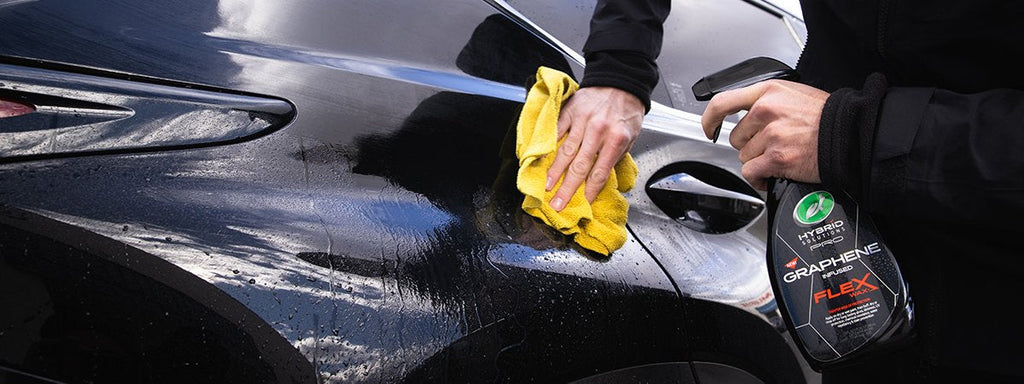
Credit: www.turtlewax.com
Preparing Your Car For Detailing
Detailing a new car helps keep it clean and shiny. Proper preparation makes the process easier.
Preparing your car well protects the paint and gets better results. Follow these steps to get started.
Gathering Essential Supplies
Having the right supplies before you start saves time. You need items for cleaning, drying, and protecting.
- Car wash soap made for vehicles
- Soft microfiber towels and wash mitts
- Buckets for washing and rinsing
- Clay bar for removing surface dirt
- Detailing spray for finishing touch
- Wax or sealant to protect the paint
- Brushes for wheels and vents
Choosing The Right Location
Pick a place that is shaded and clean. Avoid direct sunlight to stop water spots and streaks.
The area should have good drainage and enough space to move around the car safely.
- Garage or covered driveway
- Level ground to prevent water pooling
- Close to water source and power outlet
- Well-ventilated to avoid fumes
Inspecting The Vehicle Surface
Look at your car’s surface for dirt, scratches, or damage. This helps you plan the detailing steps.
Check the paint, wheels, windows, and trim. Note any problem areas that need special care.
- Find bird droppings or tree sap spots
- Look for swirl marks or light scratches
- Check for dirt on wheels and tires
- Inspect glass for water spots or smudges
Credit: www.waybrothersgm.com
Washing Techniques For New Cars
Keeping your new car clean protects its paint and keeps it looking shiny. Proper washing stops dirt from scratching the surface. Follow easy steps to wash your car safely.
This guide shows simple techniques to clean your car without damage. Use gentle products and good methods for the best results.
Pre-rinse To Remove Loose Dirt
Start by rinsing your car with water to wash off loose dirt and dust. This step helps avoid scratching the paint when you scrub later.
Use a hose or pressure washer on a low setting. Spray from the top down to push dirt off the surface.
Using Ph-balanced Car Shampoo
Choose a shampoo with a pH balance close to neutral. This type is gentle and safe for new car paint. It cleans dirt without stripping wax or sealants.
Mix the shampoo with water according to the label. Avoid using household soaps as they can damage the paint.
Two-bucket Method Explained
The two-bucket method helps keep dirt off your wash mitt. One bucket holds soapy water and the other clean water for rinsing.
- Dip your wash mitt into the soapy bucket.
- Wash a section of the car gently.
- Rinse the mitt in the clean water bucket to remove dirt.
- Return the mitt to the soapy bucket to reload soap.
- Repeat these steps until the entire car is clean.
Drying Without Scratches
Use a clean microfiber towel or a soft drying cloth. Pat the car dry instead of rubbing to avoid scratches.
| Drying Tool | Benefits |
|---|---|
| Microfiber Towel | Absorbs water quickly, gentle on paint |
| Soft Chamois | Smooth surface, reduces streaks |
| Air Blower | Dries hard-to-reach spots without contact |
Claying For Smooth Surfaces
Claying is an important step in detailing a new car. It removes tiny particles that washing can miss.
Using a clay bar makes your car’s surface very smooth. This helps paint look shiny and clean.
Purpose Of Clay Bar Treatment
The clay bar removes contaminants like dirt, sap, and metal particles. These stick to the paint and feel rough.
Claying also prepares the surface for polishing and waxing. It helps products stick better for longer protection.
Selecting Clay And Lubricants
Choose a clay bar made for your car’s paint type. Softer clay is good for new cars with delicate paint.
Use a lubricant spray with the clay bar. This prevents scratches and helps the clay glide smoothly.
- Light clay for gentle cleaning
- Medium clay for normal cleaning
- Heavy clay for tough contaminants
- Lubricant spray should be clay-specific
- Do not use water or soap as lubricant
Proper Clay Bar Usage
Wash your car first to remove loose dirt. Dry the surface before claying for best results.
Flatten the clay bar into a small, flat shape. Spray lubricant on the area you will clay.
- Gently rub the clay bar over the surface
- Use light pressure and smooth strokes
- Fold the clay to expose a clean side often
- Keep the area wet with lubricant
- Wipe the surface with a microfiber cloth after
Polishing For Perfect Shine
Polishing a new car helps to make its paint look smooth and shiny. It removes small marks and brings out the best color.
Good polishing protects the car’s surface and gives it a fresh, clean look that lasts longer.
Choosing Between Machine And Hand Polishing
Machine polishing uses a tool that spins or moves fast to polish the car. It works quickly and covers large areas.
Hand polishing takes more time and effort. It is best for small spots and careful work on delicate parts.
- Machine polishing is faster and good for big surfaces.
- Hand polishing is gentle and better for tight spots.
- Use machine polishing if you have experience.
- Beginners should start with hand polishing to avoid damage.
Selecting The Right Polish
Different polishes work for different paint conditions. Choose one that fits your car’s needs.
Some polishes remove scratches, while others add shine and protection.
- Light polish: for small scratches and light marks.
- Medium polish: for moderate scratches and swirl marks.
- Heavy polish: for deep scratches and rough paint.
- Finishing polish: for a smooth, glossy shine.
Removing Swirl Marks And Imperfections
Swirl marks are small, circular scratches on the car’s paint. They happen from washing or drying the car.
To remove these marks, use polish with fine abrasives and a soft cloth or pad.
- Apply polish in small sections with light pressure.
- Use clean cloths to avoid adding new scratches.
- Work in straight lines or small circles to cover the area.
- Wipe off polish residue before it dries.
Sealing And Waxing
Detailing a new car includes protecting its paint. Sealing and waxing keep the paint safe and shiny.
These steps help your car look new for a long time. They also make cleaning easier.
Benefits Of Paint Sealants
Paint sealants create a strong shield on your car’s surface. They last longer than wax.
This shield protects against dirt, water, and UV rays. It helps stop paint fading and damage.
- Long-lasting protection
- Resists dirt and grime
- Blocks harmful UV rays
- Enhances paint depth
Applying Car Wax For Gloss
Car wax adds a bright shine to your vehicle. It improves the look of the paint.
Wax also adds a smooth layer that helps repel water. This makes your car easier to clean.
- Creates a glossy finish
- Repels water and dust
- Protects paint from small scratches
- Enhances color depth and shine
Frequency Of Protection Applications
Sealants usually last about six months. You can apply them twice a year for best results.
Wax should be applied every two to three months. This keeps the shine fresh and strong.
- Apply sealant every 6 months
- Apply wax every 2 to 3 months
- Wash car before applying
- Follow product instructions carefully
Protecting Other Car Surfaces
Detailing a new car keeps it looking fresh. Protecting surfaces is key to maintaining its shine and condition. This guide will help you care for tires, windows, and interiors.
Proper maintenance extends the life of your car’s surfaces. Regular cleaning and treating are essential steps in car care.
Cleaning And Conditioning Tires And Wheels
Tires and wheels collect dirt and grime. Regular cleaning prevents buildup and keeps them looking new. Use a gentle cleaner suitable for your wheels.
Conditioning tires enhances their appearance and protects them from cracking. Apply tire dressing to keep them supple and shiny.
- Use a soft brush for scrubbing wheels
- Rinse thoroughly to remove all cleaner
- Apply tire dressing evenly
Treating Glass And Windows
Clear windows improve visibility. Use a glass cleaner that leaves no streaks. Clean both inside and outside for best results.
Regular cleaning prevents residue buildup. This keeps the glass clear and enhances safety while driving.
- Use a microfiber cloth for wiping
- Spray cleaner directly onto the cloth
- Wipe in circular motions for clarity
Caring For Interior Materials
Interior materials need special attention. Use cleaners designed for each type, like leather or fabric. This prevents damage and maintains their look.
Conditioning leather keeps it soft and prevents cracks. Vacuum fabric seats regularly to remove dust and debris.
- Use a vacuum with a brush attachment
- Apply leather conditioner with a soft cloth
- Use fabric protector spray on seats
Maintenance Tips For Lasting Shine
Keeping your new car shiny requires regular care. Follow these tips to maintain its gloss and beauty.
Proper detailing ensures your car looks fresh and retains its value. Learn how to keep that new car shine for longer.
Regular Washing Schedule
Wash your car every two weeks. This removes dirt and prevents paint damage.
Use a mild car shampoo. Avoid harsh chemicals that could harm the paint.
- Rinse thoroughly before applying soap
- Use separate sponges for wheels and body
- Dry with a soft microfiber towel
Avoiding Common Detailing Mistakes
Avoid washing under direct sunlight. This can cause water spots.
Do not use household cleaners. They can strip wax and damage the finish.
- Never use dish soap on your car
- Do not skip the drying process
- Be gentle with the car’s paint
Using Quick Detailers Between Washes
Quick detailers help maintain shine. Use them between washes for a fresh look.
They remove light dust and fingerprints. Spray and wipe with a microfiber cloth.
- Keep a bottle in your car for touch-ups
- Apply in shaded areas for best results
- Always use clean cloths to avoid scratches
Tools And Products Recommendations
Detailing a new car needs the right tools and products. Using proper items helps keep your car clean and shiny.
This guide shares good brushes, towels, and products for quality car care. You can also find options that fit your budget.
Best Brushes And Towels
Soft brushes and microfiber towels work best for new cars. They clean without scratching the paint or surfaces.
- Microfiber wash mitts for gentle cleaning
- Soft-bristle wheel brushes for rims and tires
- Plush drying towels to avoid streaks
- Detailing brushes for vents and crevices
Top-rated Detailing Products
Choose products with good reviews for cleaning and protection. Look for safe formulas made for automotive paint.
| Product Type | Recommended Use | Example |
| Car Shampoo | Wash exterior without stripping wax | pH-balanced soap |
| Wax or Sealant | Protect paint and add shine | Carnauba wax or synthetic sealant |
| Glass Cleaner | Clean windows without haze | Ammonia-free formula |
| Interior Cleaner | Safe on plastics and leather | All-purpose interior spray |
Budget-friendly Options
Good detailing does not need to be expensive. You can use affordable tools and still get great results.
- Use microfiber towels instead of paper towels
- Buy car shampoo in larger bottles for savings
- Choose multipurpose cleaners for inside and outside
- Look for detail brushes sold in sets
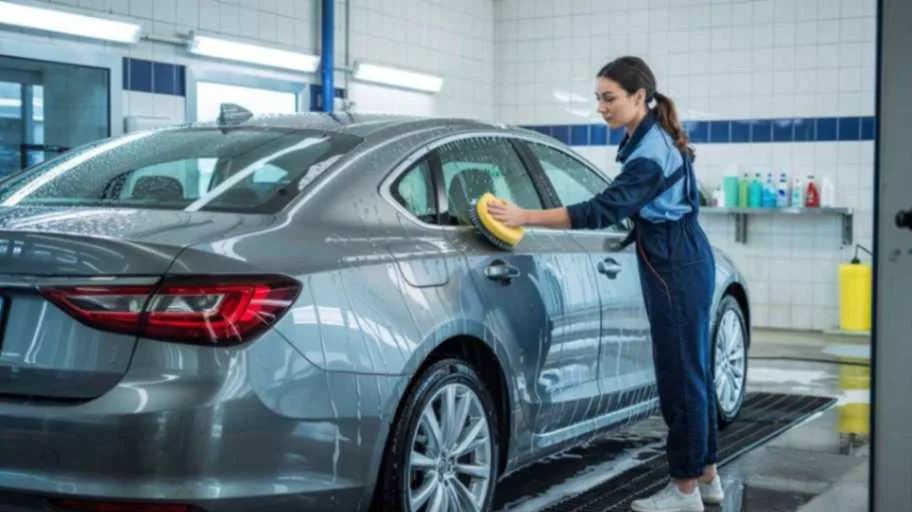
Credit: advancedautomotiveprofessionals.com
Frequently Asked Questions
How Often Should I Detail A New Car?
Detailing a new car every 3 to 6 months keeps it looking fresh. Regular detailing protects paint and interior surfaces from damage. It also maintains the car’s resale value and overall appearance.
What Are The Essential Steps In Detailing A New Car?
Essential steps include washing, claying, polishing, waxing, and interior cleaning. Each step removes contaminants and protects surfaces. Proper detailing enhances the car’s shine and longevity.
Can Detailing Protect My New Car’s Paint?
Yes, detailing protects paint by removing dirt and applying wax or sealant. This creates a barrier against UV rays and contaminants, preventing fading and damage.
Is Professional Detailing Better For New Cars?
Professional detailing uses expert techniques and quality products. It ensures thorough cleaning and protection, often achieving better results than DIY methods. However, basic detailing can be done at home.
Conclusion
Detailing a new car keeps it looking fresh and clean. It protects the paint and stops dirt build-up. Regular cleaning helps the car stay shiny longer. Simple steps like washing and waxing make a big difference. Taking care of your car shows pride and keeps value high.
A little effort today saves money on repairs later. Enjoy your new car’s beauty every time you drive. Keep it clean, and it will keep turning heads.







