
Have you ever wondered what it really means to detail a car? You might think it’s just about cleaning, but detailing goes far beyond a simple wash. It’s about restoring your car’s shine, protecting its surfaces, and making it look as good as new—sometimes even better.
If you want your car to stand out, last longer, and feel fresh every time you drive, understanding car detailing is key. Keep reading, and you’ll discover exactly what detailing involves and why it’s worth your time and effort. Your car deserves this kind of care.
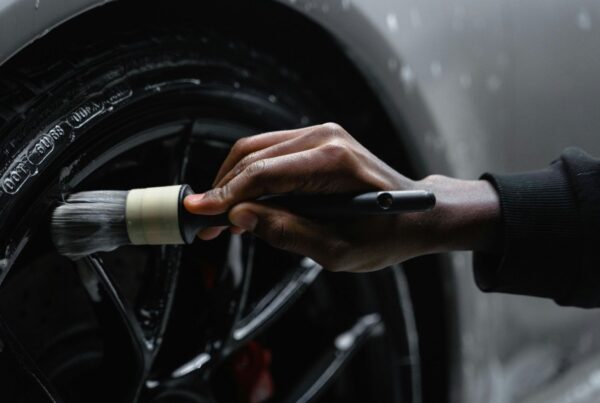
Credit: ceramicpro.com
What Car Detailing Involves
Car detailing means cleaning and restoring a car to make it look like new. It is more than just washing the car.
Detailing covers all parts of the car, inside and outside. It uses special tools and products.
Exterior Cleaning And Polishing
This step cleans the outside of the car. It removes dirt, dust, and stains from the paint.
Polishing helps remove small scratches and makes the car shine. It improves the car’s look.
- Washing the body and wheels
- Removing tar and bugs
- Claying to remove surface dirt
- Polishing to smooth the paint
- Waxing to add shine and protection
Interior Deep Cleaning
The inside of the car gets cleaned very well. Dirt, dust, and stains are removed from seats and carpets.
Cleaning also includes windows, dashboard, and vents. It makes the car smell fresh and look neat.
- Vacuuming seats and carpets
- Shampooing fabric surfaces
- Wiping and dusting hard surfaces
- Cleaning windows and mirrors
- Removing bad odors
Engine Bay Detailing
Cleaning the engine bay removes grease and dirt. It helps the engine run cooler and look good.
This step uses special cleaners and protects electrical parts. It is done carefully to avoid damage.
- Covering sensitive engine parts
- Spraying degreaser on engine surfaces
- Using brushes to scrub dirt
- Rinsing carefully without soaking
- Drying to prevent rust
Protective Coatings
After cleaning, protective coatings guard the car’s surface. They keep dirt and water away.
Coatings last longer than wax. They help maintain the car’s shine and make cleaning easier.
- Applying paint sealants for shine
- Using ceramic coatings for durability
- Protecting glass with water repellents
- Treating tires and trim for protection

Credit: www.washdoctors.co.uk
Benefits Of Car Detailing
Car detailing means cleaning and restoring a car inside and out. It goes beyond a regular wash.
Detailing keeps your vehicle looking new and helps protect it from damage.
Enhancing Appearance
Car detailing removes dirt, stains, and scratches. It cleans every part carefully.
This makes your car shine and look fresh. A clean car feels good to drive and see.
Preserving Value
Regular detailing keeps your car in good condition. It protects paint and interior materials.
A well-maintained car holds its value better. This helps when you want to sell or trade it.
Improving Safety
Detailing cleans windows, mirrors, and lights. Clear views help you drive safely.
Removing dirt and grime also prevents distractions. A clean car means better focus on the road.
Extending Vehicle Lifespan
Detailing stops rust and damage from dirt buildup. This protects your car’s parts.
Taking care of your car regularly helps it last longer and run smoothly.
Essential Tools And Products
Detailing a car means cleaning and protecting its surfaces carefully. Using the right tools and products makes the job easier and better. Good supplies help keep the car shiny and safe from damage.
This guide covers essential items for car detailing. Each category plays a key role in cleaning, polishing, and protecting your vehicle.
Cleaning Supplies
Cleaning supplies remove dirt, dust, and grime from the car’s surface. You need products made for cars to avoid scratches or stains. Soap, wheel cleaner, and glass cleaner are common examples.
- Car wash soap designed for automotive paint
- Microfiber wash mitts to avoid scratches
- Wheel cleaner for brake dust and dirt
- Glass cleaner for clear windows
- Buckets for rinsing and washing
Polishing Equipment
Polishing equipment helps remove small scratches and swirl marks. It also restores shine to the paint. Both manual and machine polishers work well depending on the need.
| Tool | Use |
| Dual action polisher | Safe for beginners and effective for paint correction |
| Foam polishing pads | Apply polish evenly on the car surface |
| Microfiber polishing cloths | Remove polish residue without scratching |
Protective Waxes And Sealants
Waxes and sealants protect the paint from water, dirt, and UV rays. They keep the car shiny for longer. Waxes are natural and give a deep shine. Sealants last longer and resist harsh weather.
Use wax after polishing to lock in the shine. Sealants work well for extra protection on top of wax or on their own.
Detailing Brushes And Cloths
Detailing brushes and cloths help clean small areas and dry the car. Soft brushes reach tight spots like vents and badges. Microfiber cloths absorb water and polish surfaces without damage.
- Soft-bristle brushes for delicate parts
- Small brushes for tight spaces
- Microfiber drying towels
- Lint-free microfiber cloths for polishing and wiping
Step-by-step Detailing Process
Detailing a car means cleaning and restoring it to like-new condition. It involves both the exterior and interior of the vehicle. This process requires attention to detail and the right materials.
The steps below will guide you through each part of the detailing process. Following these will help keep your car in top shape.
Pre-wash Preparation
Prepare your car for washing by gathering all necessary materials. This includes buckets, sponges, and car soap. It’s important to work in a shaded area to prevent water spots.
- Gather cleaning supplies
- Choose a shaded area
- Rinse the car to remove loose dirt
Washing And Drying
Use a two-bucket method for washing. One bucket is for soapy water, and the other is for rinsing. This helps keep dirt from returning to the car surface.
- Wash the car from top to bottom
- Rinse with clean water
- Dry with a microfiber towel
Paint Correction Techniques
Paint correction removes minor scratches and swirl marks. Use a clay bar to clean the paint surface first. Then, apply a suitable polish using a dual-action polisher.
Interior Vacuuming And Cleaning
Clean the interior by vacuuming all seats, carpets, and mats. Use a brush attachment for hard-to-reach areas. Wipe down surfaces with a damp cloth.
| Area | Tool |
| Seats | Vacuum with brush attachment |
| Dashboard | Damp cloth |
| Mats | Remove and vacuum |
Applying Protective Coatings
Apply protective coatings to shield your car from the elements. Use a wax or sealant for the exterior. For the interior, use a UV protectant on the dashboard and seats.
- Wax the exterior for protection
- Use UV protectant on interior surfaces
- Reapply coatings every few months
Common Mistakes To Avoid
Detailing a car means cleaning it deeply inside and out. Many people try it but make errors. These mistakes can harm your car or waste your effort.
Knowing what to avoid helps keep your car safe and looking great. Read on for common mistakes and how to skip them.
Using Harsh Chemicals
Harsh chemicals can damage your car’s paint and parts. Some cleaners are too strong and remove protective layers.
Always pick gentle products made for cars. Avoid using household cleaners that are not safe for automotive use.
- Harsh chemicals can fade paint
- They may harm rubber and plastic parts
- Use pH-balanced car cleaning products
- Test any cleaner on a small area first
Neglecting Interior Cleaning
People often clean the outside but forget the inside. Dust, crumbs, and stains build up over time.
Cleaning seats, carpets, and dashboards keeps your car fresh and comfortable. It also protects surfaces from damage.
- Vacuum floors and seats regularly
- Wipe the dashboard and panels with a soft cloth
- Clean stains quickly to avoid permanent marks
- Use proper cleaners for leather or fabric
Skipping Paint Protection
After cleaning, many skip protecting the paint. Paint protection helps keep the shine and stops damage from dirt and sun.
Apply wax or sealant to shield your paint. This step makes future cleaning easier and your car look newer longer.
- Wax adds a glossy, protective layer
- Sealants last longer than wax but cost more
- Apply protection every few months
- Follow product instructions for best results
Improper Drying Methods
Drying your car wrong can cause water spots and scratches. Using dirty towels or air drying is not good.
Use clean, soft microfiber towels to dry your car. Pat the surface gently instead of rubbing hard.
- Air drying leaves water spots
- Dirty towels scratch paint
- Microfiber towels absorb water well
- Dry in shade to avoid quick drying spots
Professional Vs Diy Detailing
Detailing a car means cleaning and restoring its appearance. You can choose professional services or do it yourself.
Both options have benefits and drawbacks. Let’s explore them to help you decide.
Cost Comparison
Professional detailing often costs more than DIY methods. It includes labor and premium products.
| Option | Average Cost |
| Professional | $100 – $300 |
| DIY | $20 – $50 |
Time And Effort
Professional detailing saves time but may require scheduling. DIY detailing takes longer but can be done at your own pace.
- Professional: Fast, requires appointment
- DIY: Time-consuming, flexible timing
Quality Of Results
Professionals deliver expert results with specialized tools. DIY may vary based on your skills and products used.
When To Choose Professionals
Choose professionals for special occasions or when your car needs deep cleaning. Their expertise ensures a perfect finish.
Maintaining Your Detail Work
Keeping your car clean after detailing helps it look fresh longer. Regular care protects the paint and finish.
Simple habits can keep your car shining and avoid costly repairs. Here are key tips to maintain your detail work.
Regular Washing Tips
Wash your car often to remove dirt and grime. Use a gentle car soap and soft cloth or sponge.
- Rinse the car first to loosen dirt.
- Use two buckets: one for soap, one for rinsing.
- Wash from top to bottom to avoid scratches.
- Dry with a microfiber towel to prevent water spots.
Quick Touch-up Techniques
Fix small marks and dust between washes. Keep a spray detailer and microfiber cloth in your car.
Quick Touch-Up Tips:
- Spray a small area and wipe gently.
- Use light pressure to avoid scratching.
- Focus on high-visibility spots like mirrors and handles.
- Repeat as needed for a clean look.
Protecting Against Environmental Damage
Shield your car from sun, rain, and pollution. Use wax or sealant every few months.
| Protection Type | Benefit |
| Wax | Adds shine and blocks UV rays |
| Sealant | Lasts longer and resists dirt |
| Car Cover | Protects from dust and weather |
Scheduling Periodic Deep Detailing
Plan full detailing every few months. Deep cleaning keeps paint and interiors in top shape.
- Clean hard-to-reach spots like wheel wells.
- Polish paint to remove scratches.
- Treat leather and fabric inside the car.
- Check and restore trim and plastic parts.
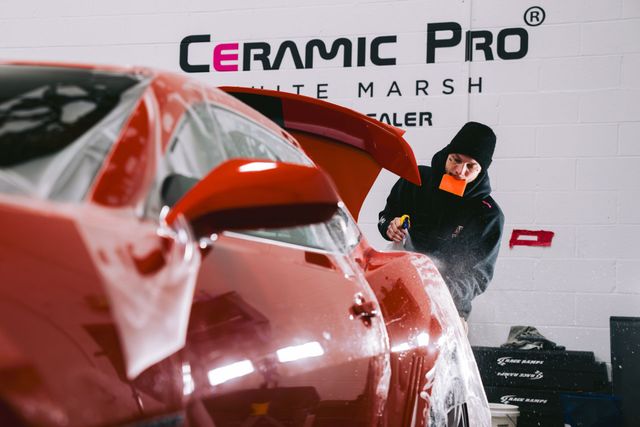
Credit: www.baltimoredetail.com
Frequently Asked Questions
What Does Car Detailing Mean Exactly?
Car detailing means thoroughly cleaning and restoring a vehicle’s interior and exterior. It goes beyond regular washing to enhance appearance and protect surfaces.
How Is Car Detailing Different From Washing?
Car detailing includes deep cleaning, polishing, and protecting all parts of a car. Washing only removes surface dirt without restoring paint or interior materials.
Why Is Car Detailing Important For My Vehicle?
Detailing preserves your car’s value by preventing damage from dirt, UV rays, and wear. It keeps your car looking new and extends its lifespan.
How Often Should I Detail My Car?
It’s recommended to detail your car every 4 to 6 months. Frequency depends on usage, climate, and how well you maintain it between details.
Conclusion
Detailing a car means cleaning and caring for every part. It keeps your car looking fresh and new. Regular detailing protects the paint and inside surfaces. It also helps keep the car’s value high. Small steps make a big difference over time.
Taking care of your car shows pride and respect. Simple, regular cleaning keeps the vehicle shining and safe. A clean car feels better to drive every day. Try to detail your car often for the best results.







