
Have you ever noticed how a clean, shiny car turns heads and feels great to drive? Detailing a car isn’t just about making it look good—it’s about protecting your investment and keeping your ride fresh inside and out.
Whether you want to impress friends, boost your car’s value, or simply enjoy that new-car feeling every day, this guide is for you. Get ready to discover simple, effective ways to make your car sparkle and shine like never before.
Keep reading, and you’ll learn how to transform your car into a masterpiece you’ll be proud of.
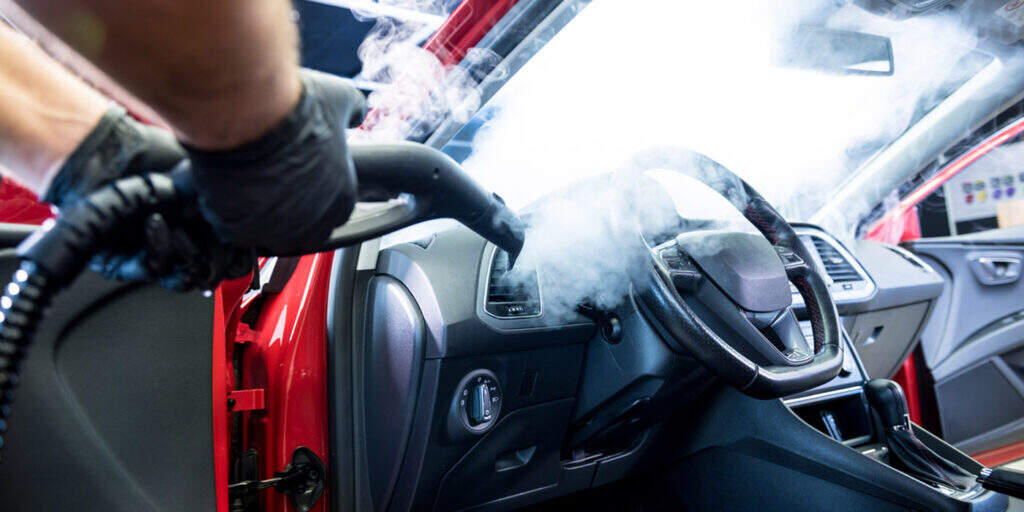
Credit: www.carwash.com
Preparing Your Car For Detailing
Proper preparation helps your car look its best after detailing. Getting ready saves time and effort during the process.
Follow simple steps to prepare your car well. This guide covers supplies, location, and inspection before washing.
Gathering Essential Supplies
Collect all needed items before you start. This keeps the process smooth and organized.
- Car wash soap and buckets
- Microfiber towels and wash mitts
- Wheel cleaner and brushes
- Clay bar and lubricant
- Polish and wax products
- Vacuum and interior cleaner
- Gloves and safety glasses
Choosing The Right Location
Select a shaded, flat area to detail your car. Avoid direct sunlight to prevent soap spots and streaks.
| Location Feature | Why It Matters |
| Shaded Area | Keeps car cool and prevents drying too fast |
| Flat Surface | Ensures safety and stability during work |
| Good Drainage | Helps water flow away easily |
| Near Water Source | Makes rinsing and washing easier |
Pre-wash Inspection
Check your car carefully before washing. Note any existing damage or spots needing extra attention.
Use this checklist to inspect your car:
- Look for scratches, dents, and chips
- Check tire condition and rims
- Note dirt buildup on windows and mirrors
- Find sticky residues or sap on paint
- Inspect interior for stains or trash
Washing Techniques For A Flawless Finish
Cleaning your car properly helps keep the paint bright and clear. Using the right washing methods avoids scratches and water spots.
Focus on gentle but effective techniques. This guide covers three key ways to wash your car for a smooth shine.
Two-bucket Method
This method uses two buckets to reduce dirt on your wash mitt. One bucket holds soapy water, and the other holds clean water to rinse the mitt.
- Fill one bucket with car wash soap and water.
- Fill the second bucket with clean water for rinsing.
- Dip the mitt in the soapy water, wash a section of the car.
- Rinse the mitt in the clean water bucket before reloading soap.
- Repeat this process to avoid rubbing dirt back onto the paint.
Using Foam Cannon
A foam cannon sprays thick foam on the car. The foam loosens dirt and grime without rubbing. It covers the car evenly for a safer clean.
| Foam Cannon Steps | Purpose |
| Fill the foam cannon with soap and water mix. | Creates thick foam for coating the car. |
| Spray foam over the entire car surface. | Loosens dirt and protects paint. |
| Let foam sit for 5-10 minutes. | Allows grime to break down safely. |
| Rinse off foam with water. | Removes dirt and soap residues. |
Cleaning Wheels And Tires
Wheels and tires hold brake dust and dirt. Clean them separately to avoid spreading grime onto the car’s paint.
- Use a brush to scrub wheels gently but thoroughly.
- Apply a dedicated wheel cleaner for tough brake dust.
- Rinse tires with water and scrub with a tire brush.
- Dry wheels and tires to prevent water spots.
Claying And Decontamination
Claying a car removes tough surface contaminants that washing alone cannot fix. It helps restore the smoothness and shine of the paint.
Decontamination prepares the car’s surface for polishing and waxing. This step is important for a clean and protected finish.
Removing Surface Contaminants
Surface contaminants include dirt, tar, sap, and industrial fallout stuck on the paint. These particles can damage the paint over time if not removed.
- Use a clay bar or clay mitt to gently lift contaminants
- Work in small sections for better control
- Check the clay for dirt and fold it often
- Rinse the surface and clay frequently
- Do not apply too much pressure to avoid scratches
Clay Bar Vs. Clay Mitt
| Feature | Clay Bar | Clay Mitt |
| Ease of Use | Needs care to keep clean | Easy to handle and reusable |
| Coverage | Smaller surface area | Larger surface area, faster work |
| Durability | Single use or limited reuse | Can be washed and reused many times |
| Price | Generally cheaper | Usually more expensive |
Both tools work well for claying. Choose one based on your preference and budget.
Proper Lubrication
Lubrication prevents the clay from sticking to the paint. It also reduces the risk of scratches during claying.
- Use a dedicated clay lubricant or quick detailer spray
- Spray the surface generously before claying
- Keep the surface wet throughout the process
- Reapply lubricant as needed to maintain smooth motion
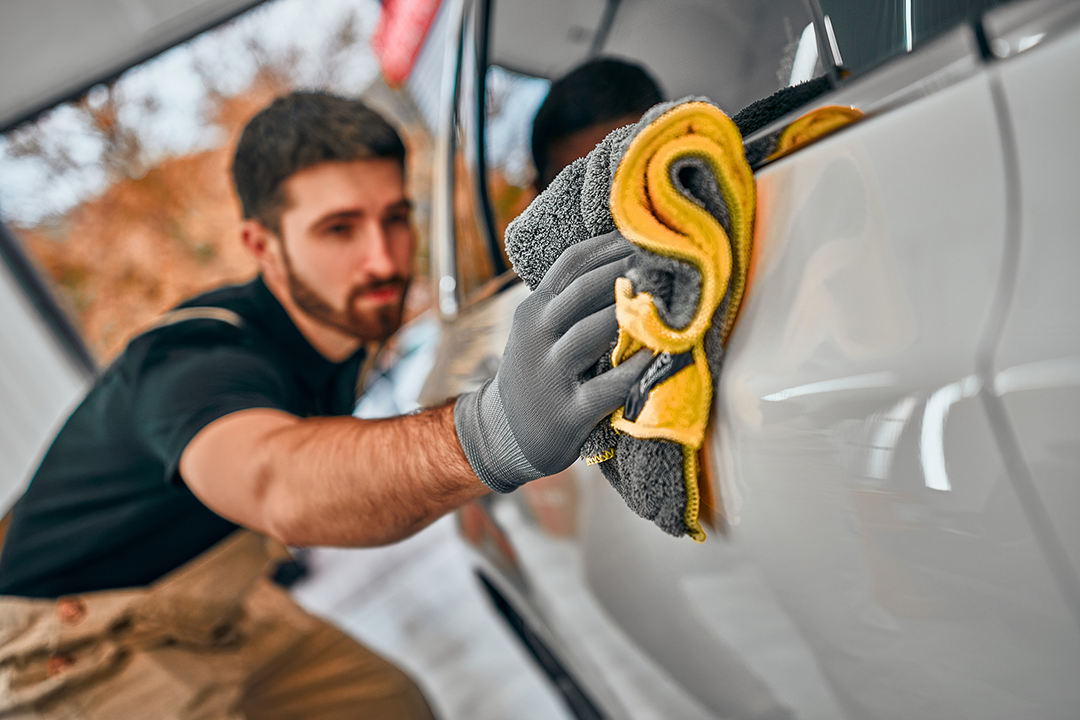
Credit: klassiccarwash.com
Polishing For A Deep Gloss
Polishing a car brings out a rich, deep shine that makes the paint look fresh. It removes light scratches and smooths the surface for better reflection.
To get the best results, you need the right polish and technique. This guide explains key points for polishing your car safely and effectively.
Choosing The Right Polish
Not all polishes are the same. Some are better for removing scratches, while others add shine or protect the paint. Pick a polish that fits your car’s needs.
- Use a cutting polish for deep scratches and oxidation.
- Choose a finishing polish for light swirls and to enhance gloss.
- Look for polishes that are safe on your car’s paint type.
- Test a small area before applying polish all over.
Machine Vs. Hand Polishing
Machine polishing saves time and often gives better results. It uses a powered buffer to apply polish evenly. Hand polishing works but takes more effort and skill.
| Polishing Method | Advantages | Disadvantages |
| Machine Polishing | Faster and more consistent finish | Needs practice to avoid damage |
| Hand Polishing | More control and gentler on paint | Slower and can tire your hands |
Avoiding Swirl Marks
Swirl marks look like small circles in the paint. They happen from dirt or bad polishing tools. Use clean cloths and soft pads to avoid them.
- Wash the car before polishing to remove dirt.
- Use microfiber towels for wiping polish off.
- Change polishing pads often to keep them clean.
- Do not press too hard when polishing.
Protecting The Paintwork
Keeping your car’s paint safe helps it look new for a long time. Dirt, sun, and water can damage paint.
Car detailing includes steps that protect the paint and keep it shiny. Using the right products is important.
Wax Vs. Sealant Vs. Ceramic Coating
Wax adds shine and a thin layer of protection. It lasts a few weeks to a couple of months.
Sealants protect longer than wax. They form a stronger shield and can last several months.
Ceramic coatings create a very hard, long-lasting layer. They protect against scratches and chemicals for years.
- Wax is easy to apply but needs frequent reapplication.
- Sealants last longer and resist water better.
- Ceramic coatings need professional application for best results.
Application Tips
Always wash and dry the car before applying any product. Dirt can cause scratches under the coating.
Use a clean, soft cloth or applicator pad. Apply thin, even layers to avoid streaks and spots.
- Work in the shade to prevent quick drying.
- Follow the product instructions carefully.
- Allow enough time to cure before exposing the car to rain or dirt.
Maintenance Between Details
Keep the car clean by washing it regularly with mild soap. This helps maintain the protective layer.
Avoid harsh chemicals or abrasive tools that can remove protection. Use microfiber towels for drying.
- Spot clean bird droppings and bugs quickly.
- Apply quick detailer sprays to boost shine between washes.
- Reapply wax or sealant every few months as needed.
Detailing The Interior
Detailing a car’s interior makes your vehicle look and feel new. It involves cleaning every surface to ensure a fresh and pleasant environment.
Let’s explore the key steps for maintaining a clean and comfortable car interior.
Vacuuming And Dust Removal
Vacuuming is essential to remove dirt and debris from your car. Focus on seats, carpets, and floor mats. Use different attachments to reach tight spaces.
- Use a handheld vacuum for seats
- Employ a brush attachment for carpets
- Don’t forget the trunk area
Cleaning Upholstery And Carpets
Clean upholstery and carpets to remove stains and odors. Use a fabric cleaner that suits your car’s interior material. Apply it gently with a soft brush.
For stubborn stains, mix a solution of water and vinegar. Test it on a small area first to ensure it doesn’t damage the fabric.
Protecting Leather And Plastics
Leather and plastic surfaces need protection to prevent cracking. Use a conditioner for leather and a protectant for plastics. Apply them with a clean cloth.
| Material | Product | Frequency |
| Leather | Leather Conditioner | Monthly |
| Plastics | UV Protectant | Every 2 months |
Final Touches For Showroom Shine
Making a car gleam involves more than just washing it. The final touches are key to achieving that showroom shine.
Pay attention to details like glass, mirrors, tires, and trim for a perfect finish.
Cleaning Glass And Mirrors
Spotless glass and mirrors enhance visibility and add to the car’s appeal. Use a cleaner designed for automotive glass.
- Spray cleaner onto a microfiber cloth, not directly on glass.
- Wipe in a circular motion to avoid streaks.
- Use a separate cloth for mirrors to prevent smudges.
Dressing Tires And Trim
Tires and trim need special care to look their best. Tire dressing products can enhance the rubber’s deep black appearance.
Apply a thin layer of dressing with a sponge or applicator pad. Avoid spraying directly to prevent overuse.
Inspecting For Missed Spots
Check for any areas that might need extra attention. A thorough inspection ensures nothing is overlooked.
| Area | Common Issues |
| Under door handles | Missed dirt |
| Bumper edges | Water spots |
| Side mirrors | Streaks |
Common Mistakes To Avoid
Detailing a car can make it look new and shiny. Many people try to do it themselves. Some common mistakes can hurt the car’s paint or finish.
Avoiding these errors helps keep your car safe and looking great. Learn what to watch out for during the process.
Using Harsh Chemicals
Using strong chemicals can damage your car’s paint and finish. Some cleaners are made for heavy dirt but can remove wax or clear coat.
Always choose products made for car detailing. Read labels carefully and avoid anything with bleach or acid.
- Harsh chemicals can fade paint color
- They may strip protective wax layers
- Some cause discoloration or stains
- Use mild, car-safe cleaning products instead
Skipping Preparation Steps
Many skip important prep steps like washing or drying before polishing. Dirt and dust can scratch the paint if not removed first.
Always clean the car well and dry it completely. This makes polishing and waxing safer and more effective.
- Wash the car to remove dirt and grime
- Dry with a soft cloth to avoid water spots
- Check for bird droppings or sap before polishing
- Prepare the surface to protect the paint
Over-polishing
Polishing too much can wear down the clear coat. This layer protects your car’s paint from damage.
Limit polishing to when it is really needed. Use gentle pressure and stop if the surface looks smooth and shiny.
- Do not polish more than twice a year
- Use light strokes with a soft pad
- Stop if the paint looks thin or dull
- Remember, less is more with polishing

Credit: www.chemicalguys.com
Frequently Asked Questions
What Is Car Detailing And Why Is It Important?
Car detailing is thorough cleaning and restoration of a vehicle. It enhances appearance, protects paint, and maintains value. Regular detailing prevents damage from dirt, UV rays, and contaminants. It also improves driving comfort and keeps the car looking new longer.
How Often Should I Detail My Car?
Detailing every 4 to 6 months is ideal for most cars. Frequency depends on usage, climate, and storage conditions. Regular detailing prevents buildup and protects surfaces. More frequent detailing may be needed for heavily used or outdoor vehicles.
What Are The Main Steps In Car Detailing?
Car detailing includes washing, claying, polishing, and waxing the exterior. Interior cleaning involves vacuuming, shampooing, and conditioning surfaces. Engine bay cleaning and tire dressing are also common. Each step restores and protects different parts of the vehicle.
Can I Detail My Car At Home Or Hire Professionals?
You can detail your car at home with proper tools and products. Professional detailing offers expertise, advanced equipment, and time savings. Choose based on your skill level, available time, and desired results. Professionals often deliver deeper cleaning and longer-lasting protection.
Conclusion
Detailing a car keeps it clean and protects its value. Regular care helps your vehicle look new longer. It saves money by preventing costly repairs later. Simple steps make a big difference in appearance. A shiny, fresh car boosts your confidence and pride.
Small efforts bring great results you can see and feel. Take time to detail your car and enjoy the benefits every day.







